
Quick Summary: AM/FM radio headphones are a game-changer for mowing, transforming a noisy chore into an enjoyable experience. They offer entertainment, allow you to stay aware of your surroundings, and crucially, protect your hearing from damaging engine noise. This guide makes choosing and using them simple for everyone.
Am/Fm Radio Headphones for Mowing: Essential Gear for a Smarter Chore
Hey there, audio adventurers! Edward Cavitt here from Headphone Horizon. Taming the lawn can be a noisy affair. That rumbling mower engine can drown out your thoughts, not to mention pose a risk to your hearing over time. But what if I told you that you could turn that noisy chore into your personal concert hall or news briefing? Enter the unsung hero of lawn care: AM/FM radio headphones designed specifically for mowing. These aren’t just about listening to tunes; they’re about comfort, safety, and making a tedious task a little bit brighter. Let’s dive into why these innovative headphones are becoming essential gear for anyone who tackles yard work.
Why AM/FM Radio Headphones are a Mower’s Best Friend

Before we get into the nitty-gritty of choosing the right pair, let’s quickly touch upon why these specialized headphones are such a brilliant addition to your lawn-care arsenal. It boils down to a few key benefits:
- Entertainment: Who says mowing has to be boring? Tune into your favorite radio station, catch up on podcasts, or listen to an audiobook to make the time fly by.
- Hearing Protection: This is arguably the most critical function. Lawn mowers, especially gas-powered ones, can produce noise levels that can cause permanent hearing damage. Hearing protection is not optional; it’s essential.
- Situational Awareness: Unlike complete noise-cancelling headphones, many AM/FM radio headphones are designed to allow some ambient sound through, or they can be turned off, ensuring you can still hear important sounds like approaching vehicles, pets, or neighbors.
- Convenience: No need for a separate phone or MP3 player that could get damaged or run out of battery. Everything is integrated into one comfortable, protective unit.
Understanding the Basics: What to Look For

When you start looking for AM/FM radio headphones, you’ll notice a few common features and specifications. Don’t let the jargon scare you; it’s pretty straightforward. Here’s a breakdown of what matters most for mowing:
Noise Reduction Rating (NRR)
This is the superhero stat for hearing protection. The NRR, measured in decibels (dB), tells you how much noise the earmuffs can block. For mowing, you want something with a decent NRR. Most mowers operate at noise levels that necessitate good protection. According to the National Institute on Deafness and Other Communication Disorders (NIDCD), prolonged exposure to sounds at or above 85 decibels can cause hearing loss. Look for headphones with an NRR of 20 dB or higher for effective protection.
Comfort and Fit
You’ll be wearing these for a while, so they need to be comfortable! Look for:
- Padded Headband: A well-cushioned headband distributes weight evenly and prevents pressure points.
- Ergonomic Earcups: The earcups should fit snugly around your ears without being too tight, creating a good seal for noise reduction and comfort.
- Adjustable Fit: Ensure the headband can be adjusted to fit your head size securely.
- Breathable Materials: Some headphones use materials that can get warm. If you live in a hot climate, consider breathable padding.
Sound Quality and Radio Reception
While hearing protection is paramount, you still want to enjoy your audio. Check for:
- Clear Audio: Read reviews to see if the sound quality is decent for spoken word (news, podcasts) and music.
- Good Radio Tuner: A sensitive tuner will pick up stations clearly, even in areas with weaker signals.
- Easy Controls: Buttons for tuning, volume, and power should be accessible and easy to operate, even with gloves on.
Durability and Weather Resistance
Your headphones will be exposed to the elements and potentially bumped around. Look for:
- Sturdy Construction: Materials like robust plastics are ideal.
- Weather Resistance: Some are designed to withstand light rain or dust, which is a bonus.
Battery Life
Most are battery-powered. Consider how long you typically mow and choose headphones with a battery life that will last you through your sessions. Rechargeable options or easily replaceable AA/AAA batteries are common.
Step-by-Step: Choosing Your Perfect Mowing Headphones

Ready to find the right pair? Follow these steps to make an informed decision:
Step 1: Prioritize Hearing Protection
Before anything else, look at the NRR. Don’t compromise here. If a pair doesn’t clearly state its NRR or it’s too low (below 20 dB), move on. Remember, protecting your hearing is the primary job of these headphones.
Step 2: Assess Your Mowing Routine and Comfort Needs
How long do you typically spend mowing? If it’s marathon sessions, comfort is key. If you only mow for 30 minutes, a slightly less plush option might still be fine. Consider if your ears tend to get hot or if you have any specific fit preferences.
Step 3: Evaluate Radio Features and Sound
Do you primarily listen to talk radio, or do you love music? Test the radio’s tuning capabilities if possible, or rely on reviews. For spoken word, clarity is more important than booming bass. For music, a balanced sound profile is preferable.
Step 4: Read Reviews!
This is where real-world experience shines. Look for reviews that specifically mention using the headphones for mowing or other loud outdoor tasks. Pay attention to comments on:
- Durability
- Comfort over long periods
- Radio reception quality
- Ease of use
- Battery life
Step 5: Compare Prices and Brands
Once you’ve narrowed down your options based on the above, compare prices. You don’t always need the most expensive pair, but investing a little more can often mean better comfort, durability, and sound quality.
Top Features to Consider: A Quick Checklist
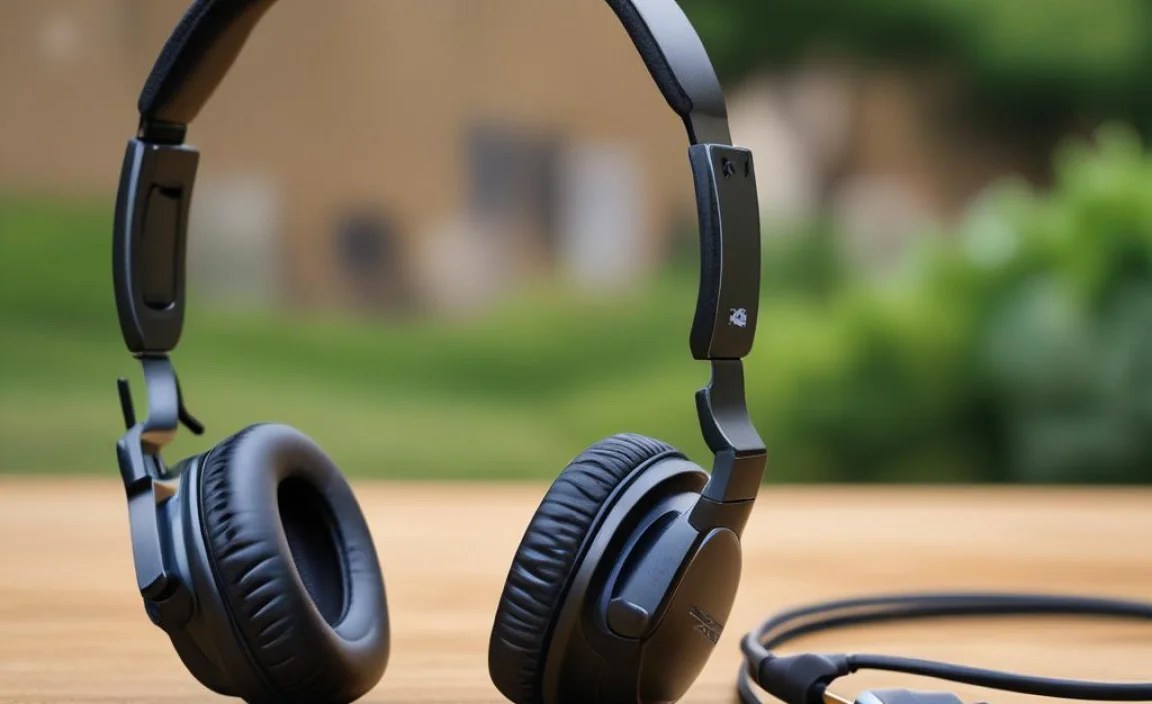
Here’s a handy checklist to help you remember what’s important:
| Feature | Importance for Mowing | What to Look For |
|---|---|---|
| Noise Reduction Rating (NRR) | High | 20 dB or higher |
| Comfort | High | Padded headband, ergonomic earcups, adjustable fit |
| Durability | Medium-High | Sturdy construction, good materials |
| Radio Reception | Medium | Clear tuning, good signal pickup |
| Battery Life | Medium | Sufficient for your mowing duration |
| Ease of Use | Medium | Accessible, glove-friendly controls |
| Weather Resistance | Low-Medium | Consider if you often mow in varied conditions |
How to Use Your AM/FM Radio Headphones Effectively and Safely

Once you’ve got your new headphones, using them correctly ensures you reap all the benefits. Here’s how:
- Proper Fit is Key: Before you even turn them on, put them on and adjust them so the earcups completely cover your ears and create a snug seal. A good seal is crucial for both noise reduction and sound quality. If they feel loose, they won’t offer optimal protection.
- Power On and Tune In: Locate the power button and turn them on. Then, use the tuning controls to find your desired AM or FM station. Scan slowly to ensure you catch the clearest signal.
- Adjust Volume Appropriately: This is critical. You want to hear your radio clearly over the ambient noise of the mower, but you shouldn’t have to crank the volume to deafening levels. A moderate volume is sufficient and safer for your hearing. A good rule of thumb: you should still be able to hear significant environmental sounds (like a reversed-beeping truck or a sudden loud noise) if the headphones are off or the audio is paused, indicating they aren’t completely isolating you in a way that could be dangerous.
- Stay Aware of Your Surroundings: Even with entertainment, your primary focus during mowing should be safety. Be aware of where you are, any obstacles, and who or what might be nearby. Periodically pause your audio or remove one earcup if you need to pay closer attention to ambient sounds.
- Regularly Check Battery Life: Don’t let your motivation for mowing be cut short by dead batteries. Keep an eye on the battery indicator (if available) or have spare batteries ready.
- Clean and Maintain: After mowing, especially in dusty or humid conditions, wipe down your headphones. Check the earpads and headband for any wear and tear. Keeping them clean also helps maintain their performance and lifespan.
Advanced Features & Considerations
While basic AM/FM functionality is great, some modern headphones offer extra features that might enhance your mowing experience:
Bluetooth Connectivity
Some models integrate Bluetooth, allowing you to stream audio from your smartphone or tablet in addition to AM/FM radio. This can be perfect for podcasts, audiobooks, or your own music playlists. Ensure the Bluetooth range is sufficient for your yard.
Auxiliary Input
An auxiliary (AUX) input lets you connect non-Bluetooth devices with a standard headphone jack. This is a great backup for older devices or if battery life is a major concern for your streaming device.
Worker Radio Features
Some headphones are marketed towards industrial or construction workers. These often boast exceptional durability, higher NRR ratings, and robust designs that are perfect for the harsh environment of mowing. They might also have more advanced radio tuners or weather band reception.
Rechargeable vs. Replaceable Batteries
Rechargeable batteries are convenient and eco-friendly, provided you remember to charge them. Replaceable batteries (like AAs) are great if you prefer the flexibility of swapping them out quickly when they die, ensuring you’re never without sound.
A Note on Hearing Health
It’s worth reiterating the importance of hearing protection. Over time, repeated exposure to loud noises without protection can lead to irreversible hearing loss. The Occupational Safety and Health Administration (OSHA) provides valuable resources on the dangers of noise exposure in various environments, including yard work. Wearing your AM/FM radio headphones correctly during mowing is not just about enjoyment; it’s a vital step in safeguarding your long-term hearing health.
Troubleshooting Common Issues
Even the best gear can sometimes act up. Here are a few common issues and how to fix them:
- Poor Radio Reception: Ensure the antenna is fully extended and positioned correctly. Try rotating your head slightly. If you’re in an area with known weak signals, you might need a higher-quality tuner or accept that reception will vary.
- Static or Intermittent Sound: Check the batteries – low batteries can cause all sorts of audio glitches. Also, ensure the earcups are sealed properly, as a loose fit can let in external noise that sounds like static.
- Comfort is Lacking: Adjust the headband. If the earcups feel too tight an pressing, try gently bending the headband outwards slightly (be careful not to overdo this) or consider if the earpads have worn out and need replacing.
- Controls Not Working: Make sure your hands are clean and try pressing buttons firmly. If they still don’t respond, consult the user manual for reset procedures or contact customer support.
Featured Brands and What to Expect
While specific models change, several reputable brands consistently offer quality AM/FM radio headphones suitable for mowing. These often fall into categories:
1. Dedicated Hearing Protection Brands: Companies known for industrial safety gear often have excellent radio earmuffs. They focus heavily on NRR and durability.
- 3M Peltor: A leader in hearing protection, their radio earmuffs are robust and offer good protection and reception.
- Howard Leight (Honeywell): Known for their comfortable and effective earmuffs, often with good radio functionality and high NRR.
2. Radio and Electronics Brands: Some brands focus more on the audio experience, though they still provide hearing protection.
- Sangean: While known for standalone radios, they offer ruggedized radio earmuffs that can be great for work environments.
- DEWALT: Often found in hardware stores, DEWALT offers robust work-oriented headphones with integrated radios, designed for tough conditions.
When choosing, consider the primary strength of the brand. If your top priority is maximum hearing protection and ruggedness, look to the safety gear specialists. If you want better sound quality for music and don’t need the absolute highest NRR, other brands might be suitable.
FAQs About AM/FM Radio Headphones for Mowing
Q1: Are AM/FM radio headphones really necessary for mowing?
Yes, for safe and enjoyable mowing. Mowers are loud enough to cause hearing damage with even moderate exposure. These headphones provide essential hearing protection while also offering entertainment, making the chore more pleasant.
Q2: How do I know if my headphones are protecting my hearing effectively?
Look for the Noise Reduction Rating (NRR) on the packaging or product description. An NRR of 20 dB or higher is generally recommended for activities like mowing. Ensure the earmuffs create a good seal around your ears.
Q3: Can I listen to music or podcasts with these headphones?
Many AM/FM radio headphones also offer Bluetooth connectivity or an auxiliary input, allowing you to stream audio from your smartphone or other devices. Check the product specifications to see if this feature is available.
Q4: Are they comfortable to wear for long periods?
Comfort is a key feature for mowing headphones. Look for padded headbands, adjustable fits, and ergonomic earcups. Reading reviews from other users can help you gauge comfort levels for extended use.
Q5: What if I need to hear my surroundings while mowing?
While they offer noise reduction, many headphones allow you to turn off the radio or reduce the volume significantly. Some are designed to let in crucial ambient sounds. If you need to hear specific things, you can always pause your audio or momentarily remove one earcup.
Q6: How do I maintain my radio headphones?
Keep them clean by wiping them down after use, especially in dusty conditions. Store them in a dry place. Periodically check ear pads and headbands for wear and tear and replace them if necessary to maintain comfort and seal.
Conclusion: Upgrade Your Mowing Experience Today
Mowing the lawn doesn’t have to be a deafening, tedious chore. By investing in a good pair of AM/FM radio headphones, you’re not just buying a gadget; you’re investing in your hearing health, your comfort, and your sanity. They transform a noisy obligation into an opportunity for entertainment and connection, all while keeping you safe. With the information provided, you’re well-equipped to choose a pair that suits your needs, fits your budget, and makes your yard work significantly more enjoyable. So, next time you gear up to tackle that grass, make sure your ears are properly protected and pleasantly entertained. Your future self, and your hearing, will thank you!
