
Quick Summary: Finding ANC headphones that comfortably fit smaller head sizes is achievable. This guide simplifies the search, highlighting key features like adjustable headbands, ergonomic earcup designs, and lightweight construction. Learn how to identify the best options for a snug, secure, and enjoyable listening experience without the bulk.
ANC Headphones for Small Heads: Your Essential Guide
Finding the perfect pair of noise-canceling headphones can be a game-changer, especially if you’re looking to escape the everyday hustle and immerse yourself in your favorite audio. But for those with smaller head sizes, the hunt can sometimes feel like an uphill battle. Many popular models are designed with a one-size-fits-most approach, leaving some users with headphones that are too bulky, slip easily, or simply aren’t comfortable for extended wear. Don’t worry, though! As Edward Cavitt from Headphone Horizon, I’m here to guide you through the world of ANC headphones, specifically focusing on finding those that offer a snug, secure, and fantastic listening experience, no matter your head size. We’ll break down what to look for, offer practical tips, and help you make a confident choice.
Why Finding the Right Fit Matters for ANC Headphones

It might seem like a small detail, but the fit of your headphones is crucial, especially with Active Noise Cancellation (ANC) technology. A proper seal around your ears is what allows ANC to work its magic efficiently. If the earcups don’t sit snugly or the headband is too loose, ambient noise can still leak in, diminishing the effectiveness of the noise cancellation. Beyond performance, comfort is paramount. Uncomfortable headphones can lead to headaches, ear fatigue, and a generally unpleasant listening experience, no matter how good the sound quality or noise cancellation is. For individuals with smaller heads, this often means looking for specific design elements that accommodate a more petite frame without compromising on features or sound.
Understanding ANC Technology: A Quick Refresher
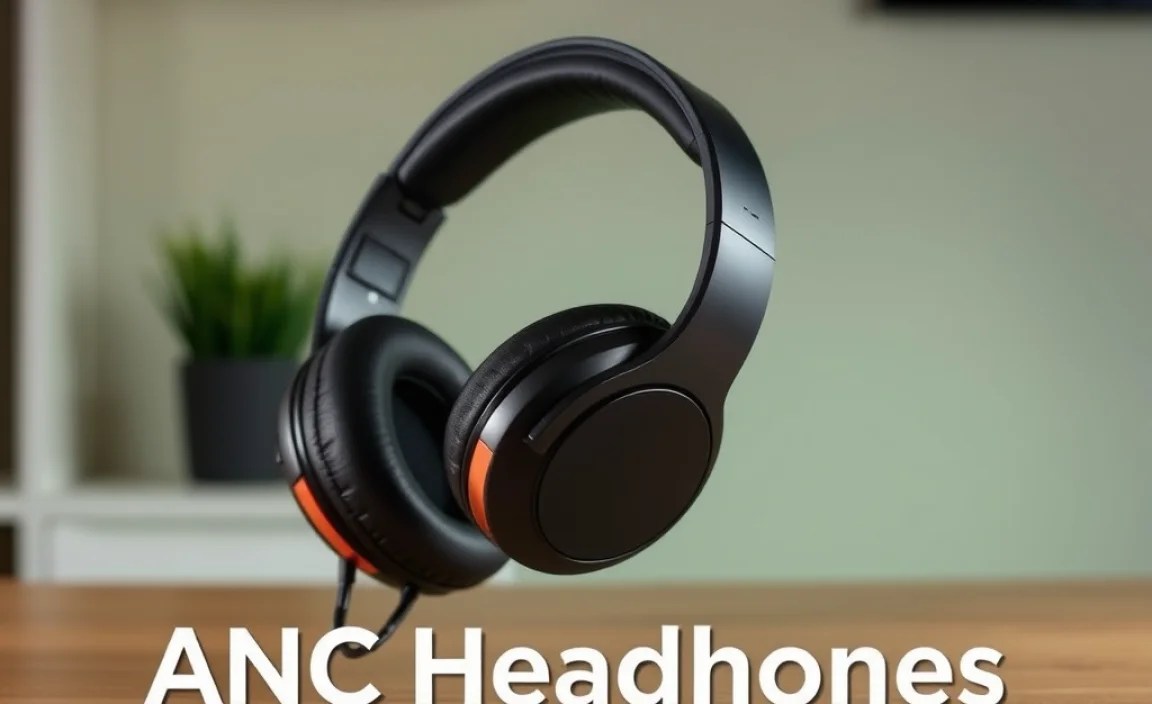
Before we dive into headphone specifics, let’s quickly touch on ANC. Active Noise Cancellation works by using tiny microphones on the outside of the earcups to detect ambient sound. A processor inside the headphones then generates an “anti-noise” soundwave that’s the inverse of the incoming noise. When these two soundwaves meet, they cancel each other out, significantly reducing background noise. It’s particularly effective for constant, low-frequency sounds like airplane engines, train rumble, or office hum. You can learn more about the science behind noise cancellation from resources like the National Park Service’s explanation of noise pollution, which highlights the pervasive nature of unwanted sound.
Key Features to Look for in ANC Headphones for Small Heads

When you’re shopping for ANC headphones and your main concern is a smaller fit, several features should be on your radar. These aren’t always advertised explicitly as “for small heads,” but they are the indicators of a design that’s likely to work well.
1. Adjustable Headband with Ample Range
This is arguably the most critical feature. Look for headbands that offer a significant amount of adjustment, not just a few millimeters. Some headbands extend quite far, while others have a more limited range. Pay attention to how the adjustment mechanism works – some are smooth and precise, while others can be stiff or prone to slipping. A headband that can reliably adjust to a smaller size without leaving excessive slack is your first priority.
2. Ergonomic and Smaller Earcup Design
The size and shape of the earcups matter just as much as the headband.
- On-Ear vs. Over-Ear: While over-ear headphones often provide a better seal for ANC, some can be quite large. On-ear headphones might offer a more compact fit, but they can sometimes pinch if the clamping force is too high. For smaller heads, a well-designed miniature over-ear or a comfortable on-ear can be ideal.
- Earcup Depth and Swivel: Even with over-ear designs, the depth of the earcup and its ability to swivel and tilt can make a big difference in how snugly they conform to your head and ears. Look for earcups that can articulate well to create a good seal without pressing uncomfortably.
3. Lightweight Construction
Heavy headphones, no matter how well they fit, can become uncomfortable over time. Lighter materials reduce the overall pressure on your head and neck. This is often achieved through the use of plastics instead of metal in certain components, or more refined engineering. A reduction in weight can significantly enhance the wearability for prolonged listening sessions.
4. Clamping Force
This refers to how tightly the headphones grip your head. Too little clamping force, and they’ll slide off. Too much, and they’ll be uncomfortable. For smaller heads, a moderate but secure clamping force is ideal. Some headphones allow you to gently bend the headband outwards to slightly reduce clamping force, which can be helpful if a model is a bit too snug on the sides.
5. Compact and Foldable Designs
While not directly related to head size, headphones that fold up compactly often have more adjustable joints and a design that prioritizes portability and a smaller overall footprint when stored. This can sometimes translate to more adaptable sizes.
How to Test and Choose the Right Fit (Even Online!)

Buying headphones online can be tricky, but there are ways to increase your chances of getting a great fit. If you have the opportunity to try headphones in person, that’s always the best option. If not, here’s how to approach it:
In-Store Testing Tips:
- Adjust the Headband Downwards: Don’t just extend it to its full length. Try adjusting it to its smallest possible setting. See how much of the earcups still extend beyond where your ears are.
- Check for Gaps: Wear the headphones and see if there are noticeable gaps between the earcups and your head, especially at the sides or top.
- Gentle Shake Test: Nod your head gently or turn it from side to side. Do the headphones feel secure, or do they shift or slide?
- Comfort Over Time: If possible, wear them for at least 5-10 minutes. Does any pressure point emerge? Do your ears feel hot or cramped?
Online Shopping Strategies:
- Read Reviews Specifically Mentioning Fit: Look for reviews where users discuss the headphones fitting smaller heads, or mention issues with them being too loose or too large. Websites that focus on audio reviews often have detailed fitment discussions.
- Check Product Dimensions and Specifications: While not always available, some manufacturer websites provide detailed measurements of the headband extension range and earcup dimensions.
- Utilize Return Policies: Most reputable online retailers offerhassle-free returns. This safety net allows you to try headphones at home and return them if they don’t fit.
- Consult “Best Of” Lists: Many tech sites compile lists of the “best ANC headphones for small ears” or “best compact ANC headphones.” These can be a good starting point.
Recommended ANC Headphones Considerations for Smaller Heads
While specific models can change rapidly, certain brands and series consistently offer designs that tend to cater to a wider range of head sizes, including smaller ones. Here are some types and features to look for, along with general advice:
1. Sony WH-1000XM Series (e.g., WH-1000XM5, WH-1000XM4)
Sony’s flagship ANC headphones are renowned for their excellent noise cancellation and sound quality. While they are full-sized over-ear headphones, many users with smaller heads have found them to be surprisingly comfortable. This is often attributed to the excellent adjustability of the headband and the way the earcups swivel and tilt to create a good seal. They are also relatively lightweight for their class.
2. Bose QuietComfort Series (e.g., QuietComfort Ultra Headphones, QuietComfort 45)
Bose has long been a leader in comfort. Their QuietComfort line is known for its plush earcups and generally well-balanced clamping force. While they are also over-ear headphones, their design often accommodates smaller head sizes well without feeling overwhelming. The focus on ergonomic design and lighter materials helps here.
3. Sennheiser Momentum Series
Sennheiser often strikes a good balance between build quality, sound, and comfort. The Momentum series, particularly their wireless over-ear models, can offer a more refined fit. They often feature premium materials and a design that feels less bulky than some competitors, which can be beneficial for smaller frames.
4. Compact Over-Ear or Large On-Ear Designs
Some brands offer smaller versions of their over-ear headphones or well-designed large on-ear models. These can be an excellent compromise. Look for brands that clearly market portability or a “sleek” design, as this often implies a more compact form factor.
5. Consider Entry-Level or Mid-Range Options
Sometimes, more budget-friendly wireless ANC headphones are designed with less emphasis on premium, large-scale builds, leading to more compact proportions. While ANC performance might vary, many offer a perfectly adequate noise-reduction experience and a better fit.
Table: Feature Comparison Points
To help you visualize what to look for, here’s a table highlighting key features and how they relate to smaller head sizes.
| Feature | Importance for Small Heads | What to Look For |
|---|---|---|
| Headband Adjustability | High | Wide range of extension, smooth adjustment, secure locking. |
| Earcup Size & Shape | Medium | Not excessively deep or wide; ability to swivel/tilt for seal. Consider on-ear if over-ear is too big. |
| Weight | High | Under ~250g is generally considered lightweight for over-ear ANC. |
| Clamping Force | High | Moderate, non-fatiguing grip. Adjustable if possible. |
| Material Quality | Medium | Soft, pliable earpads; durable but lightweight headband materials. |
| Portability (Foldability) | Low (Directly) | Can indicate a more compact overall design. |
Step-by-Step: Finding Your Perfect ANC Headphones
Here’s a practical roadmap to help you navigate the selection process, even if you’re a beginner:
Step 1: Define Your Budget and Primary Use Cases
Before you start looking, decide how much you’re willing to spend. Are these for daily commutes, focused work, or occasional travel? Your budget will narrow down the options significantly. Knowing your main use will also help prioritize features (e.g., battery life for travel, call quality for work).
Step 2: Research Brands Known for Comfort and Fit
As mentioned, Sony, Bose, and Sennheiser are good starting points due to their reputation for comfort and build quality. However, don’t discount lesser-known brands that might offer more compact designs specifically.
Step 3: Read Reviews Critically, Focusing on Fitment
When reading reviews, actively search for comments about the fit. Use search terms like “small head,” “tight fit,” “too big,” “loose,” “falls off.” Look for reviewers who describe their head size or shape if possible.
Step 4: Check Specifications for Adjustability and Dimensions
If available, examine the product specs. Look for:
- Headband extension range (if specified).
- Weight of the headphones.
- Earcup dimensions (though less commonly provided).
Step 5: Prioritize Models with Swiveling/Pivoting Earcups
Earcups that can tilt and swivel significantly improve the ability to create a good seal on your ears, compensating for differences in head shape and size.
Step 6: Consider On-Ear or Compact Over-Ear Options
If traditional large over-ear headphones feel like too much, explore well-reviewed on-ear ANC models or smaller-profile over-ear designs. Remember, on-ear headphones might not offer the same level of passive noise isolation as over-ear models.
Step 7: Utilize Retailer Return Policies
This is your safety net! Make sure you understand the return policy before purchasing. This allows you to physically test the headphones in your own environment and determine if the fit is truly acceptable.
Step 8: Test for Comfort and Secure Fit
Once the headphones arrive, wear them for an extended period.
- Headband: Is it at its shortest or near-shortest setting and snug?
- Earcups: Do they fully enclose your ears without pressing too hard on the sides? Is there a good seal?
- Movement: Do they stay put when you move your head normally?
Table: Pros and Cons of Different Headphone Types for Smaller Heads
Here’s a quick rundown of common headphone types and considerations for those with smaller heads.
| Headphone Type | Pros for Small Heads | Cons for Small Heads |
|---|---|---|
| Compact Over-Ear | Can offer good ANC seal, earcup protection. Often adjustable to smaller sizes. | Can sometimes feel large if not specifically designed for smaller frames. |
| Full-Size Over-Ear | Potentially best ANC seal. High-end models may have excellent adjustability. | Risk of being too bulky, heavy, or having excessive clamping force if not designed for smaller heads. |
| On-Ear | Generally more compact and lightweight. Less ear fatigue for some. | May not achieve optimal ANC seal. Can press uncomfortably on ears for some users. |
| In-Ear (True Wireless/Wired with ANC) | Extremely compact, minimal contact with head. Highly adaptable fit with different ear tip sizes. | ANC performance can be less powerful than over-ear. Shorter battery life. Risk of losing one earbud. |
Tips for Enhancing Fit and Comfort
Even with the best-chosen headphones, a few tweaks can make a difference:
- Earpad Material: For over-ear headphones, softer, more pliable earpads can conform better to your head shape. Memory foam is often a good choice.
- Headband Cushioning: A well-padded headband distributes pressure more evenly. If your headphones lack sufficient padding, you can buy aftermarket headband cushions.
- Earcup Positioning: Experiment with how you position the earcups on your ears. Slight adjustments in angle can sometimes create a better seal.
- Aftermarket Modding (Use with Caution): For very specific issues, some enthusiasts try to subtly bend headbands or add padding. Do this at your own risk, as it can void warranties or damage the headphones.
FAQ: Your Questions Answered
Here are some common questions about finding ANC headphones for smaller head sizes.
Q1: Can I use regular ANC headphones if I have a small head?
Yes, you absolutely can! The key is to look for specific features like excellent adjustability, lightweight design, and ergonomic earcups. Not all headphones are designed identically, so finding one that works well with your head size is about knowing what features to prioritize.
Q2: Are on-ear ANC headphones better for small heads than over-ear?
It depends on the individual. On-ear headphones are generally more compact and lighter. However, for effective ANC, an over-ear design that creates a good seal around the ear is often superior. If an over-ear headphone is too large, a well-designed on-ear model could be a better option for comfort and a more secure fit.
Q3: How do I know if the clamping force is too much?
If you feel pinching or aching pressure on the sides of your head, especially after only a short period of wearing the headphones, the clamping force is likely too high for you. A comfortable fit should feel secure but not constricting.
Q4: What about true wireless earbuds with ANC? Are they a good option for small heads?
Absolutely! True wireless earbuds with ANC are fantastic for small heads as they don’t rely on a headband at all. Their fit is determined by the earcups and the ear tips. Many models come with multiple sizes of ear tips, allowing for a highly customizable and secure fit. They are also incredibly lightweight and unobtrusive.
Q5: Do brands like Sony and Bose offer models specifically for smaller head sizes?
While they don’t typically label models as “for small heads,” their flagship headphones (like Sony’s WH-1000XM series and Bose’s QuietComfort series) are renowned for their comfort and excellent adjustability. Many users with smaller head sizes find these premium models to fit them very well
