
Quick Summary: For iPhone 15 users, the Apple headphone adapter is key to connecting standard 3.5mm wired headphones. This guide simplifies choosing, using, and troubleshooting the adapter, ensuring seamless audio, whether for music, calls, or podcasts.
Apple Headphone Adapter for iPhone 15: Your Essential Guide
Hey audio adventurers, Edward Cavitt here from headphonehorizon! If you’ve just upgraded to the sleek iPhone 15 series, you might have noticed something missing: the traditional headphone jack. Don’t worry, it’s a common change, and Apple has a simple solution. This guide is all about the Apple headphone adapter for iPhone 15, affectionately known as the Lightning to 3.5 mm Headphone Jack Adapter. We’ll break down exactly what it is, why you need it, how to use it, and even sprinkle in a few handy tips. Get ready to re-discover your favorite wired headphones with your new iPhone!
Why You Might Need an Apple Headphone Adapter for iPhone 15

Apple made a significant shift when they removed the headphone jack starting with the iPhone 7. The iPhone 15 lineup continues this trend, relying on the Lightning port (or USB-C for the iPhone 15 Pro models and iPhone 15 Pro Max, which we’ll clarify) for both charging and audio. This means if you have a beloved pair of wired headphones with a standard 3.5mm audio plug, you’ll need an adapter to connect them to your new iPhone.
Think of the adapter as a translator. Your iPhone 15 speaks digital audio through its Lightning port (or USB-C), while your headphones speak analog audio through their 3.5mm plug. The adapter bridges this gap, converting the digital signal from your iPhone into an analog signal that your headphones can understand and play. This allows you to keep using your existing wired headphones without sacrificing sound quality.
Understanding the iPhone 15 Ports and Adapters

This is where things get a little nuanced for the iPhone 15 series. Apple transitioned from the proprietary Lightning port to the universal USB-C port for the iPhone 15, iPhone 15 Plus, iPhone 15 Pro, and iPhone 15 Pro Max. This change impacts the type of adapter you’ll need.
For iPhone 15 and iPhone 15 Plus (Lightning Port)
While the iPhone 15 and iPhone 15 Plus feature a USB-C port for charging and data, they surprisingly still support audio output via Lightning. This means if you are using the standard iPhone 15 or iPhone 15 Plus, you will likely need a Lightning to 3.5 mm Headphone Jack Adapter to connect your 3.5mm headphones. This is the same adapter that was used for previous Lightning-equipped iPhones.
For iPhone 15 Pro and iPhone 15 Pro Max (USB-C Port)
The iPhone 15 Pro and iPhone 15 Pro Max have fully embraced the USB-C standard. This means you will need a USB-C to 3.5 mm Headphone Jack Adapter. Apple offers its own USB-C Headphone Jack Adapter, and many third-party manufacturers do as well. These adapters work by taking the digital audio signal from the USB-C port and converting it into an analog signal for your headphones.
It’s crucial to get the right adapter for your specific iPhone 15 model. Using the wrong adapter might prevent your headphones from working or even cause issues.
Types of Adapters Available

When it comes to connecting 3.5mm headphones to your iPhone 15, you have a couple of main categories of adapters:
- Apple’s Official Adapters: These are designed and tested by Apple, ensuring compatibility and optimal performance. They are generally reliable but can be more expensive.
- Third-Party Adapters: Many reputable audio accessory brands produce USB-C to 3.5mm adapters. These can be a more budget-friendly option. Look for adapters that explicitly state compatibility with iPhones and support digital audio (DAC – Digital-to-Analog Converter) functionality. Some cheaper adapters might only pass through audio without proper conversion, leading to poor sound quality or no sound at all.
How to Use Your Apple Headphone Adapter for iPhone 15

Using the adapter is straightforward. Here’s a step-by-step guide:
- Identify Your iPhone Model: First, confirm whether you have an iPhone 15/15 Plus (which still uses Lightning for audio output despite the USB-C port) or an iPhone 15 Pro/15 Pro Max (which uses USB-C natively for audio).
- Obtain the Correct Adapter: Purchase either the Apple Lightning to 3.5 mm Headphone Jack Adapter or a compatible USB-C to 3.5 mm Headphone Jack Adapter based on your iPhone model.
- Connect the Adapter to Your iPhone:
- For Lightning adapters: Plug the Lightning connector of the adapter into the Lightning port on your iPhone 15 or 15 Plus.
- For USB-C adapters: Plug the USB-C connector of the adapter into the USB-C port on your iPhone 15 Pro or 15 Pro Max.
- Connect Your Headphones: Plug the 3.5mm audio cable from your headphones into the 3.5mm jack on the adapter.
- Play Your Audio: Open your music app, podcast player, or any audio application and start playing content. The sound should now come through your connected headphones.
In most cases, the adapter works instantly, and your iPhone will recognize it automatically. You’ll see the audio playing through your headphones without any further setup required.
What to Look for in a USB-C to 3.5mm Adapter (for Pro Models)

Since the iPhone 15 Pro and Pro Max utilize USB-C for audio, choosing the right adapter is key. Here’s what to consider:
- DAC (Digital-to-Analog Converter) Support: This is the most critical feature. The adapter needs a built-in DAC to process the digital audio from your iPhone and convert it into an analog signal for your headphones. Many budget options lack high-quality DACs, resulting in muffled sound, static, or no audio at all. Look for descriptions that specifically mention a DAC.
- MFi Certification (for Lightning Adapters): For Lightning adapters, “Made for iPhone” (MFi) certification by Apple ensures the accessory meets Apple’s quality and safety standards. While not applicable to USB-C adapters, it’s a good indicator for Lightning versions.
- Build Quality and Durability: A well-built adapter will withstand daily use. Look for braided cables or reinforced stress points if you plan on using it extensively.
- Brand Reputation: Stick to reputable brands known for making quality audio accessories. This reduces the risk of purchasing a faulty product.
- Inline Controls and Microphone Support: Some adapters might support the inline controls (play/pause, volume) and microphone function of your headphones. Check the product description to confirm if these features are supported.
Apple’s Official Adapters vs. Third-Party Options
Here’s a quick comparison to help you decide:
| Feature | Apple Official Adapter | Reputable Third-Party Adapter |
|---|---|---|
| Compatibility | Guaranteed to work with iPhones. | Generally compatible, but always check product details and reviews. |
| Sound Quality | Excellent, reliable. | Varies; high-quality ones rival Apple. Look for DAC specs. |
| Durability | Good, solid build. | Can be excellent, especially with robust designs. |
| Price | Higher end. | Often more affordable. |
| Features | Basic audio output. | May offer inline controls, microphone support, and higher-res audio. |
| Certification | MFi Certified (for Lightning). | Not typically MFi for USB-C, but look for manufacturer guarantees. |
Troubleshooting Common Adapter Issues
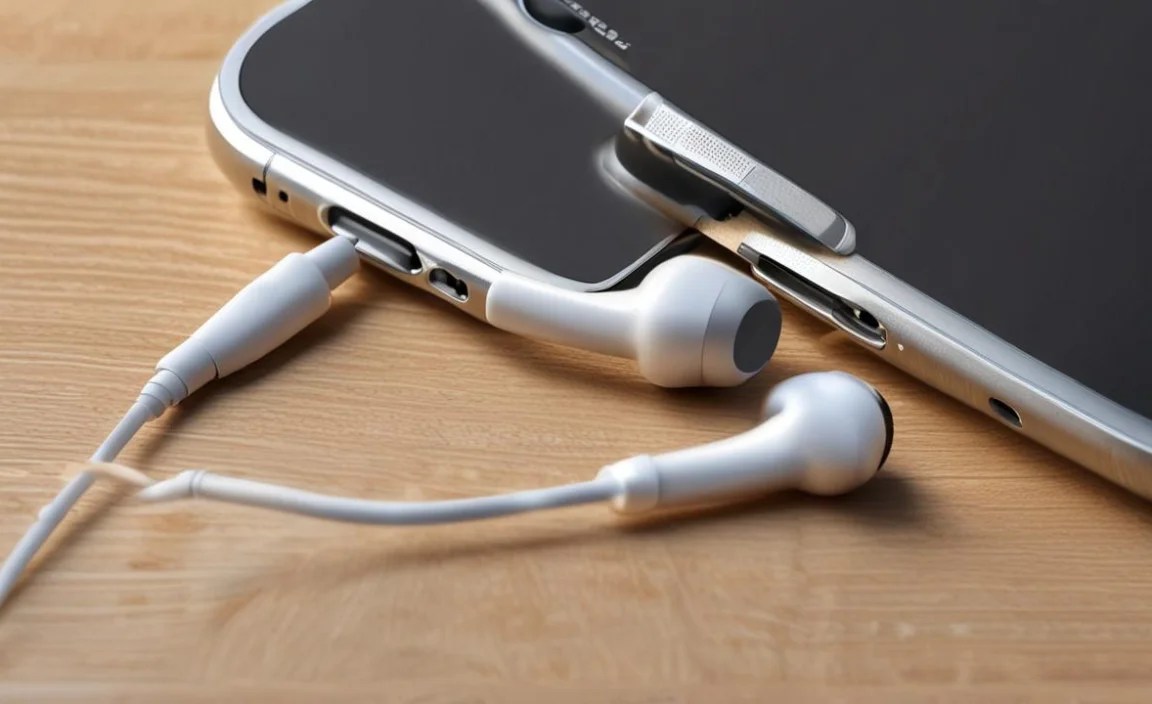
Most of the time, the adapter works flawlessly. However, if you encounter any problems, here are a few common issues and how to fix them:
No Sound
- Check Connections: Ensure the adapter is firmly plugged into your iPhone’s port and your headphones are securely plugged into the adapter.
- Restart Your iPhone: A simple restart can often resolve temporary software glitches.
- Test Your Headphones: Try your headphones with another device to ensure they are working correctly.
- Test the Adapter: If possible, try the adapter with a different pair of well-known working headphones on your iPhone.
- Check iPhone Audio Settings: Go to Settings > Bluetooth and ensure there are no unexpected Bluetooth audio devices connected and actively playing. Your iPhone should default to the wired connection when an adapter is plugged in.
- Inspect the Port: Look for any lint or debris in your iPhone’s Lightning or USB-C port and gently clean it with a soft, dry brush or a can of compressed air. (Be careful not to damage the port.)
Poor Sound Quality (Static, Muffled, Low Volume)
- Faulty Adapter: This is a common culprit, especially with cheaper third-party adapters. If the sound quality is consistently poor, the adapter’s DAC might not be up to par or could be damaged. Consider purchasing a new, reputable adapter, ideally one that explicitly states it has a high-quality DAC.
- Headphone Issues: Ensure your headphones themselves are not damaged and are of decent quality.
- Audio Source Quality: While less common, the quality of the audio file or stream itself can affect perceived sound quality.
Adapter Not Recognized
- Firmware Update: Ensure your iPhone has the latest iOS version installed. Apple often includes compatibility updates for accessories (you can check for updates in Settings > General > Software Update).
- Clean Ports: As mentioned above, ensure both the iPhone’s port and the adapter’s connector are clean and free of debris.
- Try Another Adapter: If possible, test with another known-good adapter to rule out a hardware issue with your iPhone’s port.
Audio Standards and Your iPhone 15
Apple devices, including the iPhone 15 series, generally support a wide range of audio formats. When using an adapter, you’re typically dealing with the conversion of digital audio from your phone (which can handle formats like AAC, MP3, FLAC, ALAC, etc.) into analog audio. The quality of this conversion is mostly dependent on the DAC within the adapter itself, or if your iPhone 15 Pro/Pro Max can output high-resolution audio directly over USB-C, the capabilities of its internal DAC.
For most everyday listeners, the sound quality from a decent adapter will be perfectly adequate for music, podcasts, and calls. If you’re an audiophile looking for the absolute highest fidelity, you might explore USB-C to 3.5mm adapters with higher-end DACs or even consider USB-C headphones which bypass the need for an adapter altogether.
According to Apple’s own support pages and general tech specifications available from reliable sources like Apple’s iPhone 15 Pro specifications page, these phones are designed to deliver a rich audio experience. The primary gateway for this, when using analog headphones, is the quality of the adapter.
Frequently Asked Questions (FAQ)
Can I use any 3.5mm headphone with my iPhone 15 using an adapter?
Yes, as long as you have the correct adapter (Lightning for iPhone 15/15 Plus audio, or USB-C for iPhone 15 Pro/Pro Max), you can generally use any standard 3.5mm wired headphones. This includes headphones with microphones, though inline controls might have varying compatibility depending on the adapter and the headphone manufacturer.
Do Apple headphone adapters require a charging cable to work?
No, the Apple headphone adapters (both Lightning and USB-C to 3.5mm) do not require your iPhone to be charging to function. They draw minimal power from the iPhone to perform their audio conversion.
Is the sound quality different when using an adapter?
For most users, the difference in sound quality between plugging directly into a headphone jack and using a quality adapter is negligible. However, if you use a very low-quality adapter, you might notice a degradation in sound. For the iPhone 15 Pro/Pro Max and USB-C adapters, the presence and quality of the DAC in the adapter play a significant role in the audio fidelity.
Do I need a special USB-C adapter for my iPhone 15 Pro?
Yes, for the iPhone 15 Pro and iPhone 15 Pro Max, you need a USB-C to 3.5mm Headphone Jack Adapter. An older Lightning to 3.5mm adapter will not work with the USB-C port for audio output.
How can I tell if my third-party adapter is good?
Look for adapters from reputable brands that explicitly mention compatibility with iPhones and, for USB-C, that they feature a built-in DAC for digital audio conversion. Reading user reviews can also provide insight into sound quality and reliability.
Will the adapter support my headphone’s remote controls and microphone?
For the Lightning to 3.5mm adapter and most older headphones designed for Apple devices, this usually works well. For USB-C adapters and the iPhone 15 Pro models, support for inline controls and microphones can be more variable. It depends on the adapter’s circuitry and how the headphone’s remote/mic signals are encoded. Check the adapter’s product description for specific compatibility notes.
Where can I buy an Apple iPhone 15 headphone adapter?
You can purchase Apple’s official adapters directly from Apple Stores (online or physical), and also from authorized Apple resellers like Best Buy, Amazon, and other electronics retailers. High-quality third-party USB-C to 3.5mm adapters are widely available from brands like Anker, UGREEN, Belkin, and many others through online marketplaces and electronics stores.
Conclusion
Upgrading to the iPhone 15 series is an exciting step, and it’s completely understandable to want to continue using your reliable wired headphones. Whether you’re rocking the standard iPhone 15 or the Pro models, the right adapter is your key to unlocking that familiar, high-quality audio experience. By understanding the difference between Lightning and USB-C audio ports on the iPhone 15 lineup, choosing the correct adapter for your model, and knowing what to look for in terms of quality, you can ensure your music, podcasts, and calls sound fantastic.
Don’t let a missing headphone jack hold you back. With the simple addition of the correct Apple headphone adapter or a trusted third-party alternative, your favorite 3.5mm headphones will be ready to go on all your iPhone 15 audio adventures. Happy listening!
