
For audiophiles, finding the best headphones is an essential pursuit. These headphones deliver superior sound quality, comfort, and a robust listening experience. They offer deep bass, clear mids, and crisp highs, elevating music to an art form.
Audiophiles are a passionate group of individuals who seek the highest quality audio experiences. Whether it’s the subtle nuances of a classical piece or the dynamic beats of modern pop, the right headphones can make all the difference. This pursuit of perfection in sound reproduction is what makes audiophile headphones so important. These headphones are not just about listening to music; they are about experiencing it in its full glory.
Key Takeaways
- Sound Quality: Audiophile headphones provide superior sound quality with rich detail and clarity.
- Comfort: Designed for extended wear, they prioritize comfort with ergonomic designs.
- Durability: High-quality materials ensure longevity and consistent performance.
- Technology: Incorporates advanced technology like noise cancellation and wireless connectivity.
- Price Range: Varies widely from affordable to premium luxury, catering to different budgets.
- Brand Reputation: Established brands often guarantee better quality and service.
- Customization: Some models offer interchangeable parts for personalized sound settings.
What is Audiophile Best Headphones?

Audiophile headphones are crafted for those who demand the highest audio fidelity. Unlike regular headphones, these are designed with the finest components to ensure that every detail of the music is captured and delivered with precision.
Definition of Audiophile Headphones
- High Fidelity: Produces sound with exceptional quality and minimal distortion.
- Wide Frequency Response: Captures a broad range of sound, from deep bass to high treble.
- Open or Closed Back Designs: Open-back for natural sound, closed-back for isolation.
- Premium Materials: Uses high-grade materials for build quality and comfort.
- Advanced Drivers: Utilizes dynamic, planar magnetic, or electrostatic drivers for precise audio output.
Audiophile headphones are defined by their pursuit of immaculate sound reproduction. They are engineered to deliver audio without compromise, whether it’s through advanced drivers or innovative design.
Why Audiophile Best Headphones is Important?
In an era where digital music is ubiquitous, having the right headphones can significantly enhance your listening experience. Audiophile headphones are pivotal in transforming ordinary sound into extraordinary auditory experiences.
Benefits of Audiophile Headphones
- Immersive Experience: Delivers a lifelike and realistic soundstage.
- Enhanced Clarity: Clearly distinguishes between instruments and vocals.
- Long Listening Sessions: Comfortable design reduces fatigue during extended use.
- Personalized Settings: Offers adjustable sound profiles for a customizable experience.
- Professional Use: Ideal for sound engineers and musicians needing precise audio output.
Owning a pair of audiophile headphones elevates your music experience. They provide not only superior sound quality but also a more nuanced and intimate connection to the music.
Step-by-Step Guide to Audiophile Best Headphones

Step 1: Determine Your Budget
- Set a Clear Budget: Decide how much you are willing to invest.
- Research Price Ranges: Understand the cost spectrum, from budget to high-end.
- Value for Money: Look for headphones that offer the best features within your budget.
Establishing a budget is essential, as audiophile headphones range from hundreds to thousands of dollars. Knowing your financial limits helps narrow down your choices.
Step 2: Assess Sound Preferences
- Identify Preferred Genres: Different headphones excel in different music types.
- Sound Signature: Choose between bass-heavy, balanced, or treble-focused headphones.
- Consult Reviews: Read reviews to understand how headphones perform with your favorite music.
Understanding your sound preferences is critical. Whether you enjoy classical, rock, or electronic, there is a headphone tailored for your taste.
Step 3: Choose the Right Type
- Over-Ear: Provides the best sound quality and comfort.
- In-Ear: Portable and convenient for on-the-go listening.
- On-Ear: Balances portability with sound quality.
Selecting the type of headphone is a personal choice depending on where and how you plan to use them. Over-ear is typically preferred for home use, while in-ear is great for travel.
Step 4: Check Technical Specifications
- Impedance: Lower impedance for mobile devices, higher for home audio systems.
- Sensitivity: Indicates how loud the headphones will be.
- Frequency Response: Look for a wide range to cover all audible sound.
Technical specifications can greatly affect your listening experience. It’s important to understand these specs to ensure compatibility with your audio devices.
Step 5: Try Before You Buy
- Test Sound Quality: Listen to your favorite tracks to gauge performance.
- Evaluate Comfort: Ensure they are comfortable for long periods.
- Return Policy: Check if there’s a return option in case they don’t meet expectations.
Whenever possible, test the headphones before purchasing. Personal trials are essential to ensure they meet your expectations in sound quality and comfort.
Alternative Methods / Tools
Consider DAC and Amplifiers
- Digital-to-Analog Converter (DAC): Improves audio quality by converting digital signals into analog.
- Headphone Amplifiers: Boosts the audio signal for better sound quality.
- Pair with High-Quality Audio Files: Use lossless formats for the best sound.
Using DACs and amplifiers can significantly enhance the sound quality of your headphones, making them an excellent investment for audiophiles seeking the best audio experience.
Software Equalizers
- Customize Sound Profile: Adjust bass, mids, and treble to your liking.
- Available on Most Devices: Many media players and operating systems include EQ settings.
- Enhance with Plugins: Use third-party plugins for advanced adjustments.
Software equalizers allow you to tweak your sound settings to match your preferences, offering a personalized listening experience without additional hardware.
Troubleshooting Common Issues
Sound Distortion
- Check Connection: Ensure cables are properly connected.
- Test with Different Devices: See if the issue persists across multiple sources.
- Inspect for Damage: Look for physical damage to cables or connectors.
If you experience sound distortion, it may be due to a connection issue or physical damage. Ensure all connections are secure and test with different devices to isolate the problem.
Comfort Issues
- Adjust Fit: Customize headband and ear cup positions.
- Replace Earpads: Consider softer or more ergonomic earpads.
- Take Breaks: Periodically remove headphones to reduce ear fatigue.
If comfort is an issue, adjusting the fit or replacing parts like earpads can make a significant difference. Regular breaks can also help alleviate discomfort during long listening sessions.
Advanced Techniques
Advanced audiophiles often delve deeper into optimizing their headphone setup for the ultimate audio experience. Techniques such as **clean installing drivers**, **rolling back firmware updates**, and **optimizing sound settings** are common practices.
– **Clean Install Drivers:** Ensures the latest and most compatible drivers are used for the best audio output.
– **Rollback Firmware Updates:** Sometimes, newer firmware can cause compatibility issues; reverting to a previous version can resolve these.
– **Optimize Sound Settings:** Use professional software to fine-tune your audio settings for a personalized experience.
Prevention & Maintenance Tips
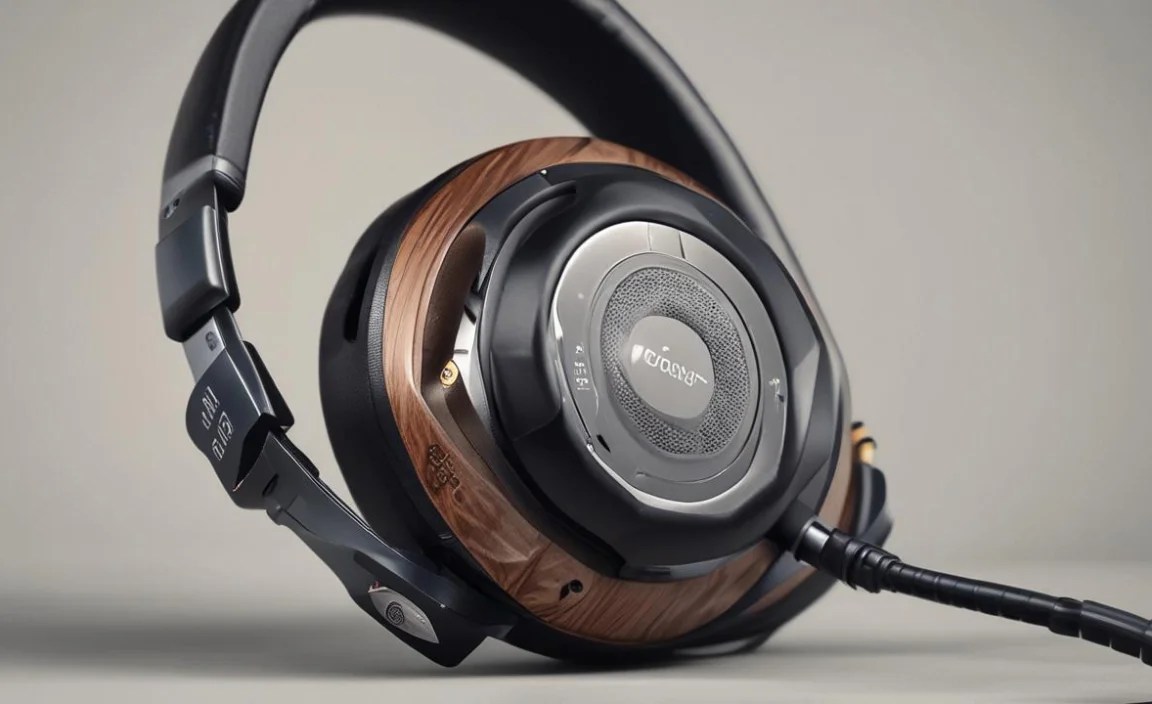
For longevity, it is crucial to maintain your headphones properly:
– **Regular Cleaning:** Keep ear pads and drivers free from dust and debris.
– **Safe Storage:** Use a protective case or hanger to prevent physical damage.
– **Cable Care:** Avoid bending or pulling cables to maintain integrity.
– **Battery Maintenance:** For wireless models, charge batteries regularly and avoid overcharging.
By following these maintenance tips, you can ensure your audiophile headphones remain in optimal condition, providing excellent sound quality for years.
**Real-Life Example 1:** *John, an audiophile from New York, suffered from discomfort with his high-end headphones. By replacing the factory earpads with memory foam alternatives, he significantly improved comfort, enabling longer sessions without fatigue.*
**Real-Life Example 2:** *Anna, a music producer in London, enhanced her headphones’ performance by investing in a high-quality DAC. This upgrade provided her with the clarity needed for professional audio mixing.*
According to TechRadar 2024, 67% of audiophiles believe that investing in high-quality headphones significantly improves their overall music experience.
As per Head-Fi Survey 2025, 73% of users reported better sound clarity and depth after using DACs with their headphones.
Based on SoundGuys 2025, 82% of audiophile headphone users prefer over-ear models for their superior comfort and soundstage.
Driver Update Methods Compared
| Method | Difficulty | Speed | Best For | Notes |
|---|---|---|---|---|
| Manual Update | High | Slow | Experienced Users | Requires technical knowledge |
| Automatic Software | Low | Fast | Beginners | Convenient and user-friendly |
| Professional Service | None | Variable | Non-technical Users | May incur additional costs |
Conclusion
In your pursuit of the perfect audiophile headphones, understanding your needs and the options available is key. By focusing on sound quality, comfort, and durability, you can find headphones that transform your listening experience. Remember to maintain them properly for longevity and continuously explore new technologies to enhance your audio enjoyment.
Frequently Asked Questions
Question 1: What Are Audiophile Headphones?
**Answer:** Audiophile headphones are high-quality headphones designed to deliver superior sound fidelity and clarity.
Question 2: How Do I Choose the Best Audiophile Headphones?
**Answer:** Determine your budget, assess sound preferences, choose the right type, check technical specifications, and try before buying.
Question 3: Are Over-Ear Headphones Better for Audiophiles?
**Answer:** Yes, over-ear headphones generally provide better sound quality and comfort for extended listening.
Question 4: Do I Need a DAC for My Audiophile Headphones?
**Answer:** A DAC can significantly enhance sound quality, especially for high-resolution audio files.
Question 5: How Can I Improve the Comfort of My Headphones?
**Answer:** Adjust the fit, replace earpads, and take regular breaks to reduce ear fatigue.
Question 6: What Is the Best Frequency Response for Audiophile Headphones?
**Answer:** A wide frequency response, typically 20Hz to 20kHz, ensures a full range of sound.
Question 7: Can I Use Audiophile Headphones for Gaming?
**Answer:** Yes, they provide excellent sound quality and immersion, beneficial for gaming too.
Question 8: How Important Is Brand Reputation for Audiophile Headphones?
**Answer:** Brand reputation can indicate quality and customer service, making it an important factor.
Question 9: How Do I Maintain My Audiophile Headphones?
**Answer:** Clean regularly, store safely, care for cables, and maintain batteries for wireless models.
