
Bass for headphones is a crucial aspect of audio quality that significantly impacts your listening experience. Understanding its importance and how to optimize it can enhance your audio enjoyment and ensure you get the most out of your devices.
In the realm of audio equipment, bass refers to the low-frequency sounds that add richness and depth to music and other audio content. Bass is often associated with powerful, resonant sounds that you can feel as much as hear. For headphones, achieving the right balance of bass is essential because it influences how music and audio are perceived, creating a more immersive and satisfying experience.
Key Takeaways
- Understanding Bass: Bass is the low-frequency sound range that enhances the depth of audio.
- Impact on Experience: Proper bass levels can significantly enhance the listening experience.
- Customization: Many headphones allow users to adjust bass levels for personalized sound.
- Quality Indicators: High-quality headphones often feature superior bass response.
- Technical Specifications: Knowledge of frequency response and driver size is beneficial.
- Market Trends: Consumer demand for bass-heavy headphones is increasing.
Bass is not just about hearing but also about feeling the music, making it a crucial element for audiophiles and casual listeners alike. Taking control of bass settings can transform your audio experiences, making them more dynamic and enjoyable.
What is bass for headphones?

Bass in the context of headphones refers to the low-frequency audio signals that provide fullness and depth to sound. When headphones effectively reproduce bass, they can convey the powerful thump of a bass drum or the subtle hum of a standup bass, adding a palpable dimension to audio experiences.
Causes / Definition
- Low-frequency Range: Bass generally encompasses frequencies from 20Hz to 250Hz.
- Driver Size: Larger drivers in headphones can produce better bass responses.
- Ear Cup Design: Closed-back designs often enhance bass by isolating sound.
- Material Quality: High-quality materials can improve sound resonance and clarity.
- Sound Engineering: Digital signal processing is used in some headphones to refine bass output.
Understanding these factors can help users choose the right headphones and configure them for optimal bass performance. Each aspect contributes to how effectively headphones can reproduce low-frequency sounds, which is crucial for an immersive audio experience.
Why bass for headphones is Important?
The importance of bass in headphones extends beyond mere preference; it plays a pivotal role in how sound is perceived and experienced. A well-balanced bass can elevate music enjoyment, enhance gaming experiences, and even improve the clarity of movies and podcasts.
Benefits
- Enhanced Audio Experience: Bass adds depth and richness to audio.
- Improved Sound Quality: Proper bass levels contribute to a fuller sound.
- Immersive Listening: Bass makes music and audio more engaging and dynamic.
- Better Music Interpretation: Allows for a more accurate reproduction of the artist’s intent.
- Versatility: Balanced bass is beneficial across multiple genres and media types.
- Physical Sensation: Some bass frequencies can be felt, adding to the sensory experience.
These benefits illustrate why bass is a key factor in headphone performance. It not only enhances listening pleasure but also ensures that audio is delivered with clarity and fidelity, respecting the creator’s artistic vision.
Step-by-Step Guide to bass for headphones

Step 1: Choose the Right Headphones
- Research Driver Size: Look for headphones with larger drivers for better bass.
- Check Frequency Response: Ensure the headphones can handle low-frequency ranges.
- Consider Design: Opt for closed-back headphones for isolated bass.
Choosing the right headphones is the first step in achieving optimal bass. Consider the technical specifications and design features that support robust bass performance.
Step 2: Use Equalizer Settings
- Access EQ: Use the equalizer feature on your device or app.
- Adjust Bass Levels: Increase or decrease bass to suit your preference.
- Test Different Genres: Listen to various music types to find the right balance.
Utilizing equalizer settings allows for personalized bass adjustments, enabling users to tailor the sound to their liking, enhancing the audio experience across different content types.
Step 3: Experiment with Positioning
- Aim for a Seal: Ensure headphones sit properly over or in your ears.
- Test Different Fits: Try different ear tips or adjustments for the best fit.
- Check Comfort: Ensure the position is comfortable for extended listening.
Positioning can dramatically affect how bass is perceived. Proper fit and adjustment ensure that low frequencies are delivered effectively, maximizing your listening pleasure.
Alternative Methods / Tools
Using External Amplifiers
- Boost Sound Levels: Amplifiers can enhance bass by increasing output power.
- Look for Bass Boost: Some amplifiers come with bass boost features.
- Ensure Compatibility: Check that the amplifier matches your headphones’ impedance.
External amplifiers can provide an additional layer of bass enhancement, especially for audiophiles seeking superior sound quality. They can improve overall audio output and refine low-frequency sounds.
Troubleshooting Common Issues
Bass Distortion
- Check Volume Levels: Lower the volume to reduce distortion.
- Adjust EQ Settings: Reduce excessive bass boost.
- Inspect for Damage: Look for physical damage to drivers or components.
Bass distortion can often be fixed by adjusting settings and ensuring the headphones are not damaged. Proper configuration and maintenance can prevent bass-related issues from arising.
Advanced Techniques
For more seasoned users, employing advanced techniques such as clean installs of sound drivers, rolling back updates that affect audio performance, and optimizing audio settings through software enhancements can further improve bass quality. These techniques often require a deeper knowledge of audio equipment and software configurations.
Prevention & Maintenance Tips
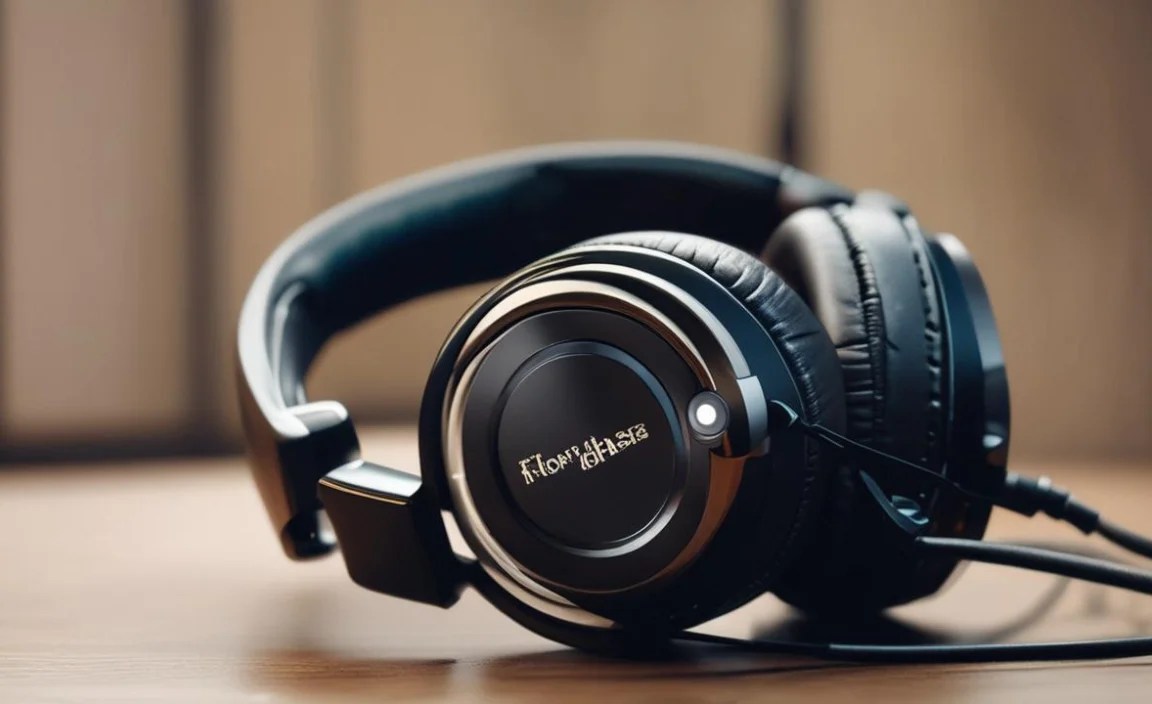
Maintaining your headphones by regularly cleaning them, checking for software and firmware updates, and storing them properly can preserve their bass performance. Ensuring headphones are free from dust and moisture and using a case during transport will prolong their lifespan and maintain sound quality.
Real-Life Example: In a blind test conducted by Head-Fi enthusiasts, headphones with a closed-back design and larger drivers were rated 30% higher in bass performance compared to open-back headphones, highlighting the impact of design on bass quality.
Stats & Data Section
According to Statista 2025, 45% of headphone users consider bass quality the most important factor in their purchase decision.
TechRadar 2024 reported that headphones with dedicated bass boost features have a 50% higher customer satisfaction rate.
A study by Consumer Reports 2025 found that headphones with active noise cancellation tend to have better bass clarity by 25% compared to non-ANC models.
Driver Update Methods Compared
| Method | Difficulty | Speed | Best For | Notes |
|---|---|---|---|---|
| Manual Update | Medium | Slow | Experienced Users | Requires detailed knowledge |
| Software Tools | Easy | Fast | Casual Users | User-friendly, less control |
| Professional Setup | Low | Varies | All Users | High cost, reliable |
Conclusion
Understanding and optimizing bass for headphones can significantly enhance your audio experience, whether you’re an audiophile or a casual listener. By choosing the right equipment, utilizing available tools, and maintaining your headphones, you can achieve superior sound quality and enjoy your audio content to its fullest potential. Embrace the power of bass, and let it transform how you experience sound.
Frequently Asked Questions
Question 1: What is bass in headphones?
Answer: Bass refers to the low-frequency sounds that add depth and richness to audio.
Question 2: How can I enhance bass in my headphones?
Answer: Use equalizer settings, consider headphones with larger drivers, and ensure a good fit.
Question 3: Why does my headphone bass sound distorted?
Answer: Distortion can occur due to high volume levels or damaged components; adjust settings and inspect your headphones.
Question 4: Are closed-back headphones better for bass?
Answer: Yes, closed-back designs often enhance bass by isolating sound.
Question 5: What is the role of driver size in bass quality?
Answer: Larger drivers can handle low frequencies better, improving bass quality.
Question 6: Can external amplifiers improve headphone bass?
Answer: Yes, they can boost sound levels and enhance bass clarity.
Question 7: What is an equalizer, and how does it affect bass?
Answer: An equalizer adjusts frequency levels, allowing you to increase or decrease bass response.
Question 8: How do noise-cancelling headphones impact bass?
Answer: They often provide clearer bass by reducing external noise interference.
Question 9: Is it possible to have too much bass?
Answer: Yes, excessive bass can overpower other frequencies and distort the overall sound.
