
Quick Summary: Discover incredible sound without breaking the bank! This guide explores the best 100 dollar headphones, offering clear advice for beginners to find premium audio experiences. We’ll cover key features, popular models, and what to look for to achieve your perfect listening bliss right on budget.
Best 100 Dollar Headphones: Proven Audio Bliss on a Budget

Hey there, fellow music lovers and podcast enthusiasts! Edward Cavitt here from Headphone Horizon. Are you on the hunt for headphones that deliver fantastic sound without emptying your wallet? It’s a common quest, and I’m here to tell you it’s entirely achievable! The world of audio can seem a bit daunting with all the tech talk, but finding a great pair of headphones for around $100 is easier and more rewarding than you might think. Forget the idea that you need to spend a fortune for amazing sound. In this guide, we’ll dive into what makes a pair of headphones truly shine in this sweet spot of affordability and quality, helping you make a confident choice for delightful audio experiences.
Why the $100 Mark is a Sweet Spot for Headphones

You might be wondering, why is the $100 price point so special? It’s a magical zone where manufacturers can start using better audio components, more robust materials, and often more advanced features without the sky-high costs associated with premium audiophile gear. For under $100, you can typically find headphones that offer:
- Improved Sound Quality: Expect clearer highs, more defined mids, and tighter bass than you’d find in cheaper models.
- Better Comfort and Durability: Materials often step up, leading to more comfortable earcups and headbands for longer listening sessions, and the build quality feels more substantial.
- Useful additional features: Some models might include active noise cancellation (ANC), better microphone quality for calls, or longer battery life for wireless options.
- Reputable Brands: Many well-respected audio brands offer excellent options in this price range, meaning you’re getting tried-and-tested performance.
What to Look for in Headphones Under $100
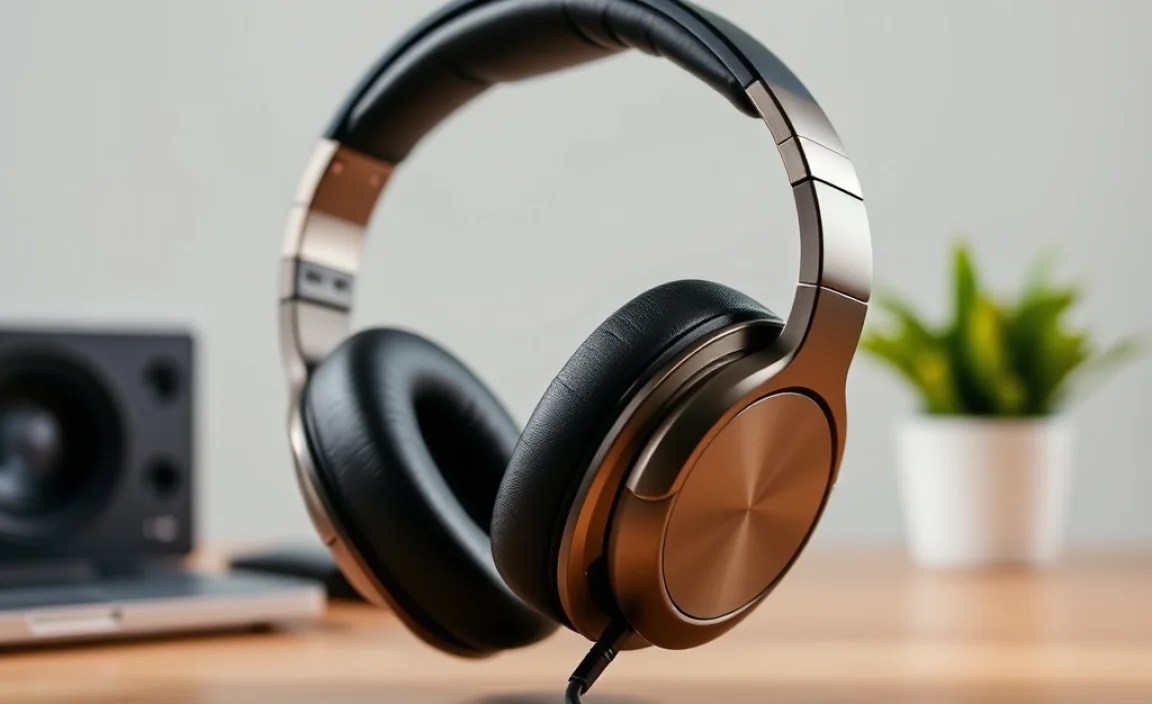
Before we jump into specific recommendations, let’s arm you with the knowledge to make your own informed decision. Here are the key factors to consider:
1. Sound Signature: What Kind of Sound Do You Like?
This refers to how the headphones emphasize different frequencies (bass, mids, treble). For beginners, it’s helpful to understand a few common types:
- Balanced: All frequencies are represented fairly equally. Great for most types of music and general listening.
- Bass-Heavy: Emphasizes low frequencies. Popular for genres like hip-hop, EDM, and pop, or for those who just love a good rumble.
- Neutral/Flat: Often preferred by audio professionals for accurate sound reproduction, but can sound a bit sterile to casual listeners.
- Warm: More emphasis on the lower-midrange, making music sound rich and smooth.
Most headphones in the $100 range aim for a generally pleasing, consumer-friendly sound that leans towards balanced or slightly bass-enhanced. Remember, personal preference is key!
2. Type of Headphones: Over-Ear, On-Ear, or In-Ear?
Each type has its pros and cons, and the best choice depends on your lifestyle and listening habits.
Over-Ear Headphones
These cup around your entire ear. They often provide the most comfortable listening experience for extended periods and can offer excellent passive noise isolation due to the seal they create.
- Pros: Maximum comfort, best potential for sound quality and noise isolation, less ear fatigue.
- Cons: Can be bulky, may cause ears to get warm.
On-Ear Headphones
These rest directly on your ears. They tend to be more compact than over-ear models but can sometimes be less comfortable for long sessions as they press against the ear.
- Pros: More portable than over-ear, can offer a good balance of sound and portability.
- Cons: Can cause ear fatigue, less effective noise isolation than over-ear.
In-Ear Headphones (Earbuds/IEMs)
These fit inside your ear canal. They are incredibly portable and great for active lifestyles. True wireless (TWS) earbuds, which have no wires at all, are a popular sub-category here.
- Pros: Highly portable, excellent for exercise, good noise isolation when a proper seal is achieved, wide variety in features (TWS, ANC).
- Cons: Fit can be subjective, some find them uncomfortable, sound quality can vary greatly.
3. Wired vs. Wireless
This is a big one! Both have their advantages.
Wired Headphones
These connect via a cable. They generally offer the best sound quality for the price, don’t require charging, and have no latency (delay) issues.
- Pros: Superior sound quality for the price, no charging needed, no sound delay.
- Cons: Cable can be restrictive, can tangle, requires a headphone jack (increasingly rare on phones).
Wireless Headphones
These connect via Bluetooth. Convenience is the name of the game here. With advancements in Bluetooth codecs, wireless sound quality has improved dramatically.
- Pros: Freedom of movement, no tangled cables, convenient for mobile use.
- Cons: Require charging, potential for sound quality to be slightly compromised (depending on codecs), potential for latency.
4. Active Noise Cancellation (ANC)
ANC headphones use microphones to detect external noise and produce an opposing sound wave to cancel it out. Finding effective ANC under $100 can be a challenge, but it’s increasingly possible, especially on earbuds.
- Pros: Significantly reduces ambient noise (useful for commutes, flights, noisy offices).
- Cons: Can slightly alter sound quality, drains battery faster, often less effective than on more expensive models.
5. Build Quality and Comfort
Even the best-sounding headphones won’t be enjoyable if they feel cheap or are uncomfortable. Look for sturdy materials like good quality plastics, metal accents, and well-padded earcups and headbands. For in-ear models, ensure they come with multiple eartip sizes to achieve a secure and comfortable fit. A good seal is crucial for both sound quality and noise isolation.
The Top 100 Dollar Headphones: Our Picks for Proven Audio Bliss
Now for the exciting part! These are some of the best headphones you can reliably find around the $100 mark. Prices can fluctuate, so some might dip slightly below or creep slightly above $100 depending on sales, but they consistently offer outstanding value.
1. Sennheiser HD 450BT (Wireless Over-Ear)
Sennheiser is a titan in the audio world, and the HD 450BT brings their sound expertise to a highly accessible wireless package. They offer a balanced, engaging sound signature with a noticeable bass presence that doesn’t overpower the mids and highs. The active noise cancellation is competent for the price, making commutes more peaceful. Battery life is also excellent, easily getting you through a week of moderate listening.
- Key Features: Active Noise Cancellation, Bluetooth 5.0, excellent battery life (up to 30 hours with ANC), app support for EQ customization.
- Sound: Engaging, well-balanced with good bass response.
- Comfort: Padded earcups for decent long-term comfort.
2. Audio-Technica ATH-M40x (Wired Over-Ear Studio Monitor)
While marketed for studio monitoring, the ATH-M40x offers a remarkably neutral and detailed sound that audiophiles and casual listeners alike can appreciate. If you want to hear your music as it was mixed, these are fantastic. They are also incredibly durable and comfortable for their price point. They don’t have wireless features or ANC, but their audio fidelity is hard to beat in this bracket.
- Key Features: Neutral and accurate sound, robust build, swivel earcups for flexible monitoring, includes detachable cables (straight and coiled).
- Sound: Very neutral, detailed, and analytical.
- Comfort: Plush earcups, solid clamping force (can be a bit tight initially but loosens up).
3. Sony WH-CH720N (Wireless Over-Ear with ANC)
Sony consistently delivers excellent noise-cancelling technology, and the WH-CH720N brings a lot of that magic down to the sub-$100 tier. These are incredibly lightweight and comfortable, making them ideal for all-day wear. The sound is enjoyable and clear, with ANC that does a commendable job of quieting the outside world. They also boast impressive battery life.
- Key Features: Lightweight design, effective ANC, impressive battery life (up to 50 hours with ANC), clear sound, Bluetooth 5.2.
- Sound: Clear and pleasant, with a slight emphasis on bass.
- Comfort: Extremely light and comfortable due to a well-designed headband and soft earcups.
4. Anker Soundcore Liberty 4 NC (True Wireless Earbuds with ANC)
Anker’s Soundcore brand has been a revelation in budget audio. The Liberty 4 NC earbuds offer premium features like strong ANC, customizable EQ, and multipoint connectivity at an astonishing price. The sound is energetic and fun, with plenty of bass, and the app allows you to fine-tune it to your liking. They are a truly feature-packed option for wireless listening on the go.
| Feature | Details |
|---|---|
| Type | True Wireless Earbuds |
| Noise Cancellation | Adaptive Active Noise Cancellation |
| Sound | Energetic, bass-forward, customizable via app |
| Battery Life | Up to 10 hours per charge (50 hours with case) |
| Connectivity | Bluetooth 5.3, Multipoint connection |
5. JBL Tune 710BT (Wireless On-Ear/Over-Ear)
JBL is known for its vibrant sound, and the Tune 710BT delivers that signature sound in a comfortable, foldable design. These offer a powerful bass punch that’s great for pop, rock, and electronic music. They are straightforward to use and provide a solid wireless listening experience without any fuss. The battery life is also very good.
- Key Features: JBL Pure Bass Sound, wireless Bluetooth connectivity, foldable design, up to 24 hours of battery life.
- Sound: Bass-heavy and energetic, fun for many music genres.
- Comfort: Lightweight with cushioned earcups.
6. Edifier W820NB (Wireless Over-Ear with ANC)
Edifier has been quietly producing excellent value audio gear, and the W820NB headphones are a prime example. They offer surprisingly effective ANC for their price, a comfortable fit, and a respectable sound quality that balances clarity with a touch of warmth. The battery life is also a strong suit, making them a great all-around choice for everyday use.
- Key Features: Hybrid Active Noise Cancellation, Bluetooth 5.0, long battery life (up to 48 hours without ANC, 33 hours with ANC), low-latency mode.
- Sound: Balanced with a pleasant warmth.
- Comfort: Soft protein leather earcups and padded headband.
Comparing Your Options: A Quick Cheat Sheet
Choosing the right pair can feel overwhelming. Here’s a simplified comparison to help you decide based on your main priority:
| Priority | Best Option(s) | Why |
|---|---|---|
| Best Sound Accuracy | Audio-Technica ATH-M40x | Neutral tuning, detailed drivers for critical listening. |
| Best for Commutes (ANC) | Sony WH-CH720N, Anker Soundcore Liberty 4 NC | Effective noise cancellation in lightweight designs. |
| Best Wireless Convenience | Sennheiser HD 450BT, Sony WH-CH720N, Anker Soundcore Liberty 4 NC | Feature-rich wireless models with good battery life. |
| Best for Bass Lovers | JBL Tune 710BT, Anker Soundcore Liberty 4 NC | These models emphasize low-end frequencies for an exciting sound. |
| Best Value All-Rounder | Edifier W820NB | Solid ANC, good sound, comfort, and battery life at a great price. |
Tips for Getting the Most Out of Your Headphones
Once you’ve picked out your perfect pair, here are some tips to ensure you enjoy them for years to come:
- Proper Fit is Key: For over-ear and on-ear headphones, ensure the headband is adjusted correctly and the earcups create a good seal. For in-ear headphones, experiment with the different eartip sizes provided to find the most comfortable and secure fit. A good seal is crucial for bass response and noise isolation.
- Clean Them Regularly: Dust and earwax can accumulate, affecting sound quality and hygiene. Use a dry, soft cloth to wipe down the earcups and headband. For eartips on earbuds, remove them and clean them with a damp cloth and mild soap, rinsing thoroughly before reattaching. For drivers (the speaker parts), use a dry cotton swab gently. A useful resource on headphone hygiene can often be found on websites like the National Institute for Occupational Safety and Health (NIOSH), which discusses safe listening practices.
- Handle with Care: Avoid dropping your headphones or yanking on the cables (if applicable). When storing them, consider a protective case or a safe place where they won’t get crushed.
- Volume Control: While it’s tempting to crank up the volume, prolonged exposure to loud noises can cause hearing damage. Remember the general recommendation is to listen at no more than 60% of the maximum volume for no more than 60 minutes a day to protect your hearing.
- Firmware Updates (Wireless Headphones): If your wireless headphones have companion app support, check for firmware updates periodically. These can sometimes improve performance, add features, or fix bugs.
Frequently Asked Questions (FAQ)
Q1: Can I really get good sound quality for under $100?
Absolutely! The $100 price point is a sweet spot where manufacturers can use better audio components than in entry-level models, offering a significant upgrade in clarity, detail, and balance without the premium price tag.
Q2: Are true wireless earbuds as good as over-ear headphones in this price range?
They can be surprisingly close! While over-ear headphones often have a physical advantage in soundstage and driver size, modern true wireless earbuds under $100, like the Anker Soundcore Liberty 4 NC, pack in advanced features and deliver impressive sound quality for their compact size. It often comes down to personal preference and intended use.
Q3: What does “sound signature” mean, and how do I choose?
Sound signature refers to how a headphone emphasizes bass, mids, and treble. A “balanced” signature is great for all-around listening. If you love hip-hop or EDM, you might prefer “bass-heavy.” If you listen to many podcasts or classical music, a more “neutral” or “flat” sound might be better. It’s ultimately about what sounds most pleasing to your ears!
Q4: Do I need active noise cancellation (ANC)?
ANC is fantastic for noisy environments like commutes, airplanes, or busy offices. If you’re often in such places, it’s a feature worth considering. However, good passive noise isolation from a proper fit can be very effective too, and not all ANC in this price range is created equal. If you primarily listen in quiet environments, you might not need it and could get better pure audio quality for the same money.
