
Looking for great sound without breaking the bank? This guide helps beginners find the best affordable Bluetooth over-ear headphones. We’ll cover essential features, tips for choosing, and top picks to enjoy your music, podcasts, and calls with comfort and clarity.
Best Affordable Bluetooth Over-Ear Headphones: Your Essential Guide

Hey everyone, Edward Cavitt here from Headphone Horizon! If you’re diving into the world of wireless audio and want that immersive, comfortable feel of over-ear headphones without spending a fortune, you’ve come to the right place. Bluetooth over-ear headphones offer a fantastic blend of convenience, sound quality, and comfort, letting you ditch the tangled wires. But with so many options out there, finding the “best affordable” ones can feel a bit overwhelming.
Don’t worry, I’m here to cut through the noise! This guide is designed to make your decision easy, covering everything a beginner needs to know. We’ll explore what makes a great pair of affordable headphones, what features really matter, and how to pick the perfect set for your ears and your wallet. Let’s get started on your journey to amazing wireless sound!
Why Choose Affordable Bluetooth Over-Ear Headphones?

There’s a sweet spot in the audio world where great performance meets a friendly price tag, and affordable Bluetooth over-ear headphones sit right in the middle of it. For everyday listeners, students, busy professionals, or anyone who simply loves their music, these headphones offer a compelling package. They deliver excellent sound isolation, meaning you can immerse yourself in your audio without being constantly distracted by your surroundings.
Plus, the over-ear design is typically much more comfortable for extended listening sessions compared to earbuds or on-ear models. The “Bluetooth” part means freedom – no more wrestling with cords, snagging them on doorways, or limiting your movement. And the “affordable” aspect? It means you can get all these benefits without a hefty investment, making them accessible for everyone. It’s the perfect entry point into the world of quality wireless audio.
Key Features to Look For in Affordable Over-Ear Headphones

When you’re shopping for your next pair of cans on a budget, keeping an eye on a few key features can make a world of difference. You don’t need to be an audio engineer to understand these, and they’ll help you find headphones that truly fit your needs. Think of these as your checklist:
- Sound Quality: This is subjective, but generally, look for clear mids (where vocals and most instruments live), a balanced bass that isn’t muddy, and crisp highs. Many affordable headphones aim for a V-shaped sound (boosted bass and treble), which can be fun for pop and electronic music, but a more neutral or balanced sound might be better for podcasts or a wider range of genres.
- Comfort and Fit: Over-ear headphones should feel good even after hours of wear. Look for plush earcups that offer good padding and a comfortable headband that distributes weight evenly. Adjustable headbands are standard, but check if the earcups swivel or rotate for a better seal around your ears. A light weight is also a big plus.
- Battery Life: This is crucial for Bluetooth headphones. Aim for at least 15-20 hours of playback on a single charge. Some budget models can even surpass this! Longer battery life means fewer interruptions and less frequent charging, which is super convenient.
- Bluetooth Version and Connectivity: While most affordable headphones use Bluetooth 4.0 or 5.0, Bluetooth 5.0 generally offers a more stable connection, better power efficiency, and a longer range. Look for headphones that can pair quickly and maintain a solid connection without frequent dropouts.
- Microphone Quality: If you plan to use your headphones for calls or online meetings, a decent built-in microphone is important. Many budget options have passable mics, but some might struggle in noisy environments. Reading reviews often helps here.
- Durability and Build Quality: Even affordable headphones should feel reasonably solid. Look for sturdy plastics and well-constructed hinges. While they might not use premium materials like metal, they should feel like they can withstand daily use.
- Easy Controls: Intuitive buttons or touch controls on the earcups for playback, volume, and calls are a must. You don’t want to be fumbling around trying to pause your music or answer a call.
- Optional: Active Noise Cancellation (ANC): While often found on pricier models, some budget headphones are starting to offer basic ANC. It won’t be as effective as premium ANC, but it can help reduce low-frequency hums like airplane engines or office chatter.
Navigating Audio Jargon: What Beginners Need to Know

Don’t let technical terms scare you! Here’s a quick rundown of common audio buzzwords you might encounter, explained simply:
- Drivers: These are the small speakers inside your headphones that produce sound. Bigger drivers don’t always mean better sound, but they can contribute to a fuller audio experience.
- Frequency Response: This tells you the range of sounds the headphones can produce, from low bass to high treble. It’s usually measured in Hertz (Hz). A wider range generally means more detailed sound. The human hearing range is typically considered 20Hz to 20,000Hz (20kHz).
- Impedance: Measured in ohms (Ω), this relates to how much electrical resistance the headphones have. For Bluetooth headphones, this isn’t usually a major concern as they are designed for portable devices, but it’s good to be aware of. Higher impedance often means you need a stronger audio source to get good volume.
- Sensitivity: Measured in decibels (dB), this indicates how loud the headphones can get with a given amount of power. Higher sensitivity means they can get louder more easily.
- Codec: This is like a language your headphones and device use to communicate audio wirelessly. Common ones include SBC (basic, universally compatible), AAC (good for Apple devices), and aptX (often found on Android devices, offering better quality).
Top Picks: Best Affordable Bluetooth Over-Ear Headphones

Finding truly “great” affordable headphones involves balancing price and performance. While specific models can change rapidly, here are some consistently well-regarded brands and types of headphones that often hit the mark in the budget-friendly category. These are great starting points for your research, and you can often find excellent deals on models from these lines.
Brand Spotlights and General Recommendations
When looking for budget-friendly options, consider these brands known for offering good value:
- Anker Soundcore: This brand consistently punches above its weight, offering impressive battery life, solid sound, and comfortable designs at very accessible prices. Models like the Soundcore Life Q30 or Q35 are often cited as benchmarks for affordable ANC headphones.
- Mpow (now often rebranded or similar lines): Historically, Mpow offered very popular budget headphones. While the brand itself has seen changes, look for similar products that offer good features for the price.
- OneOdio: Known for their robust build quality and often bass-heavy sound profiles, OneOdio offers headphones that are great for DJs, aspiring producers, or anyone who likes a powerful low-end. Many are wired but offer Bluetooth versions.
- JBL: While JBL has premium offerings, they also have a strong lineup of more affordable consumer headphones that deliver decent sound and reliable performance.
- Sony (entry-level models): Sony’s WH-CH series often provides a taste of their renowned audio quality at a lower price point.
Example Models to Watch For (Likely available under $100/£100)
Always check current prices and reviews, as the market moves fast!
| Model Example Series | Typical Strengths | Potential Considerations | Price Range (Approx.) |
|---|---|---|---|
| Anker Soundcore Life Q Series (e.g., Q30, Q35) | Excellent battery life, good ANC for the price, comfortable, decent sound. | ANC isn’t top-tier, mic quality can be average. | $50 – $90 |
| OneOdio Pro/Fusion Series (Bluetooth versions) | Durable build, powerful bass, often great for monitoring/DJing, wired/wireless flexibility. | Sound can be bass-heavy and less detailed for critical listening, might be less comfortable for some. | $40 – $80 |
| JBL Tune Series (e.g., Tune 510BT, Tune 660NC) | Recognizable brand, good sound balance, often lightweight and foldable. | ANC on NC models is basic, battery life can vary. | $40 – $70 |
| Sony WH-CH Series (e.g., WH-CH510, WH-CH710N) | Brand reputation, often good comfort and portability, decent sound. | ANC less effective on cheaper models, build materials may feel less premium. | $50 – $100 |
Step-by-Step Guide: Finding Your Perfect Pair
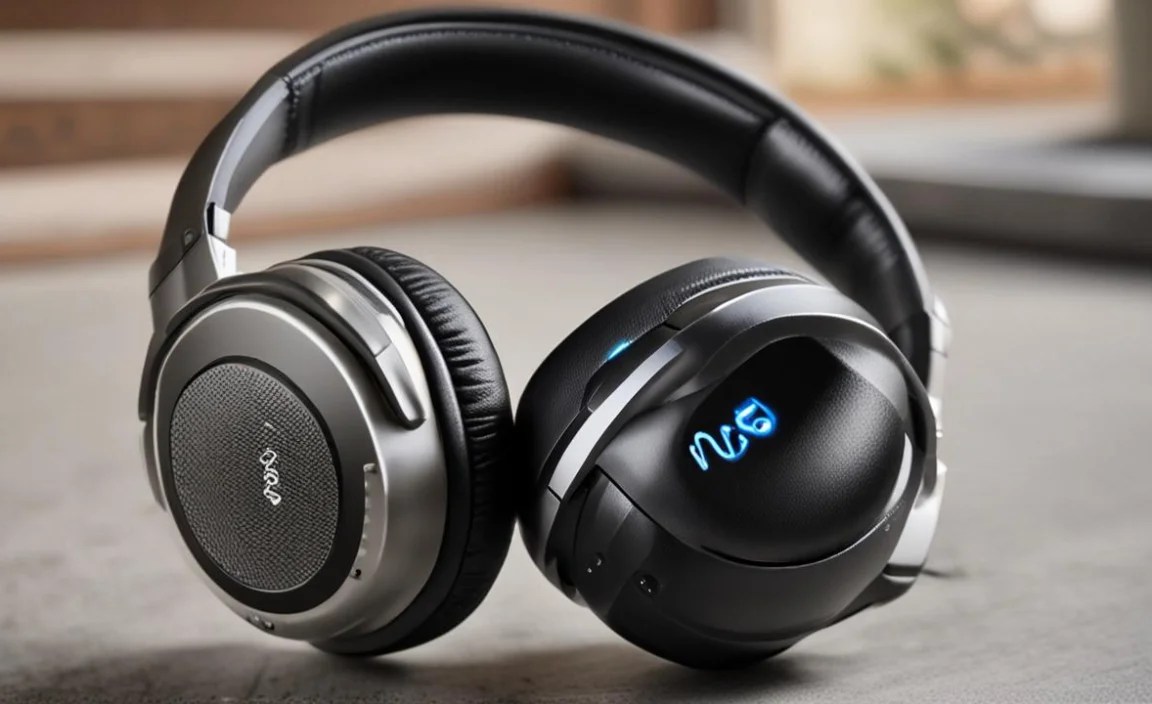
Ready to find your ideal affordable Bluetooth over-ear headphones? Follow these simple steps:
- Define Your Budget. Set a clear price range. “Affordable” can mean different things to different people. For over-ear Bluetooth headphones, aim for brands known for value within your chosen limit (e.g., under $50, $100, or $150).
- Prioritize Features. Based on the �Key Features� section above, decide what’s most important to you. Is it marathon battery life, superior comfort for long workdays, or decent noise cancellation? List them in order of importance.
- Read Reviews (From Trusted Sources). Look for reviews from reputable tech websites and publications. Pay attention to user reviews on retail sites too, but be discerning. Focus on recurring comments about sound, comfort, battery, and connectivity issues. For example, checking sites like Rtings.com (though they focus on higher-end) or tech blogs can be very insightful.
- Compare Specifications. Once you’ve narrowed down your options, look at the specs: battery life (in hours), Bluetooth version, driver size (if listed), and any mentioned audio codecs.
- Check Comfort Reviews. This is crucial for over-ear headphones. Some reviews will specifically mention how the earcups feel after several hours or how the headband pressure is.
- Consider Your Primary Use Case.
- Commuting/Travel: Look for good passive noise isolation and possibly basic ANC.
- Office/Study: Comfort for long periods and clear microphones for calls might be key.
- Home Listening: Focus on sound quality and comfort.
- Look for Sales and Deals. Affordable headphones can become even more so during major sale events like Black Friday, Prime Day, or holiday markdowns. Keep an eye out!
- Make the Purchase! Trust your research and pick the pair that best matches your priorities and budget. Don’t be afraid to try them out if possible, or buy from retailers with good return policies.
Common Pitfalls to Avoid
Even when buying on a budget, some simple mistakes can lead to disappointment. Here are a few pitfalls to sidestep:
- Buying Based Solely on Price: The absolute cheapest option might lack essential features or have poor sound quality that leaves you unsatisfied.
- Ignoring Comfort: Uncomfortable headphones will sit on your desk or in a drawer, no matter how good they sound. Prioritize a comfortable fit.
- Overestimating ANC on Budget Models: While some budget ANC exists, it’s usually not as effective as on premium headphones. Manage your expectations.
- Not Checking Battery Life Claims: Sometimes advertised battery life is under ideal conditions. Look for real-world estimates in reviews.
- Forgetting About Connectivity Issues: Some cheaper Bluetooth implementations can be prone to stuttering or dropouts. Reviews are your best friend here.
- Disregarding Microphone Quality if Calls Are Important: If you need them for frequent calls, a poor mic will be a major frustration.
Maintaining Your Affordable Headphones for Longevity
Even budget-friendly gear deserves a little care to keep it performing its best and lasting longer. Here’s how to keep your affordable Bluetooth over-ear headphones in tip-top shape:
Cleaning Your Headphones
Regular cleaning prevents gunk buildup and ensures hygiene. Before you start, always turn off and unplug your headphones.
- Earcups: For fabric or pleather earcups, use a slightly damp cloth (use water or a very mild, diluted soap solution). Gently wipe them down. For stubborn dirt, use a soft-bristled brush. Avoid getting moisture into the driver housing.
- Headband: Wipe the headband with a damp cloth. If it’s made of fabric, you can use a mild soap solution.
- Exterior Casing: Use a dry or slightly damp microfiber cloth to wipe down the plastic parts. Microfiber is great because it won’t scratch.
- Grilles and Ports: Use a dry cotton swab or a soft brush (like a clean makeup brush or toothbrush) to gently remove dust from speaker grilles and charging ports. Never use sharp objects.
Important Note: Avoid harsh chemicals, abrasive cleaners, or submerging any part of your headphones in water. Always ensure headphones, especially the earcups, are completely dry before using them again.
Battery Care Tips
Bluetooth headphones rely on their batteries, so a little care goes a long way:
- Avoid Extreme Temperatures: Don’t leave your headphones in a hot car or freezing conditions, as this can degrade the battery.
- Don’t Always Drain Them Completely: Modern lithium-ion batteries (common in headphones) don’t suffer from the “memory effect” of older battery types. While fully discharging isn’t harmful, it’s also not necessary. Charging them whenever convenient is fine.
- Use Included or Certified Chargers: Stick to the charger that came with your headphones or a reputable USB charger. Overcharging is generally managed by the device itself, but using a bad charger can still cause issues.
Storage and Handling
- Use a Case: If your headphones came with a case, use it! If not, consider a universal headphone case or even a padded bag to protect them from impacts and scratches when not in use.
- Avoid Tangling Cables (if applicable): If your headphones have an optional audio cable, gently coil it rather than wrapping it tightly to prevent internal wire damage.
- Keep Away from Moisture and Dust: Store them in a relatively dry environment.
For more general advice on lithium-ion battery care, the U.S. Department of Energy provides excellent resources, though their focus is often on larger applications like electric vehicles.
Frequently Asked Questions (FAQ)
Here are some common questions beginners have about affordable Bluetooth over-ear headphones:
Q1: Can I use affordable Bluetooth headphones for gaming?
A: While many affordable Bluetooth headphones can connect to PCs and consoles, Bluetooth isn’t always ideal for fast-paced gaming. It can introduce a slight delay (latency) between the video and audio, which might be noticeable in games requiring precise timing. For serious gaming, wired headphones or dedicated wireless gaming headsets with proprietary dongles often perform better. However, for casual gaming or watching game streams, many affordable Bluetooth headphones will work just fine.
Q2: What should I do if my Bluetooth headphones keep disconnecting?
A: First, ensure your headphones are fully charged. Then, try to “forget” the headphones from your device’s Bluetooth settings and re-pair them. Make sure there aren’t too many other Bluetooth devices nearby, which can cause interference. Also, check if your device’s or headphone’s firmware is up to date, if applicable. Obstructions between your headphones and device (like your body or walls) can also cause dropouts.
Q3: Are cheap noise-cancelling headphones worth it?
A: It depends on your expectations. Affordable noise-cancelling headphones can help reduce low-frequency, constant noises like fan hums or engine drone. However, they typically won’t block out voices or sudden sounds as effectively as premium models. If you need basic noise reduction for commuting, they might be a good option. If you require top-tier silence, you’ll likely need to invest more.
Q4: Can I use my Bluetooth headphones while they are charging?
A: Most Bluetooth headphones support “charging and playing,” meaning you can use them while they are plugged in and charging. This is convenient if your battery is low but you need to keep listening. However, it’s generally not recommended to do this.
