
Quick Summary: Traveling by air doesn’t have to mean enduring engine hum and cabin noise. Investing in the right headphones can transform your journey, offering tranquility, top-notch audio, and enhanced comfort. This guide explores key features like noise cancellation and fit, helping you find the perfect pair for a more peaceful and enjoyable flight.
Ah, air travel. For many of us, it’s a necessary part of exploring new destinations or visiting loved ones. But let’s be honest, the symphony of the airplane – the drone of the engines, the chatter of fellow passengers, the whirring of cabin systems – isn’t exactly a lullaby. If you find yourself wishing for a little peace and quiet, or just a way to truly enjoy your music or podcasts amidst the aerial chaos, then the quest for the “best air travel headphones” is your mission.
Thankfully, with the right gear, you can transform that noisy cabin into your own private sanctuary. Let’s dive into what makes a headphone truly shine during your flight, ensuring your journey is as comfortable and enjoyable as your destination.
Why Are Headphones So Important for Air Travel?

Think of your headphones as your personal oasis in the sky. The constant, low-frequency rumble of airplane engines can be incredibly fatiguing, even if you don’t consciously notice it. This ambient noise can build up over a flight, leaving you feeling more drained than refreshed upon arrival.
High-quality headphones, especially those with active noise cancellation (ANC), act as a powerful shield against this auditory intrusion. Beyond just quieting the noise, they allow you to immerse yourself in your entertainment – be it a gripping audiobook, your favorite playlist, or an in-flight movie – at a comfortable listening volume, without straining your ears.
According to the U.S. Department of Transportation, passenger comfort is a key consideration in air travel experiences. While they focus on policy, good personal equipment like headphones directly contributes to that comfort.
They also allow you to disconnect from the sometimes stressful environment of an airport and airplane, promoting relaxation and a sense of personal space, which is invaluable when you’re in such close quarters with hundreds of other people.
Key Features to Look for in Air Travel Headphones

When you’re scanning the market for the “best air travel headphones,” a few crucial features will make all the difference. It’s not just about brand names; it’s about functionality that directly impacts your travel experience.
1. Active Noise Cancellation (ANC)
This is the superstar feature for air travel. ANC works by using microphones to detect ambient noise and then generating an “anti-noise” sound wave that cancels out the unwanted sound. This is particularly effective against the constant, droning noises found on airplanes, like engine hum. It provides a remarkably quieter environment, allowing you to listen to audio at lower volumes and significantly reducing fatigue.
- How it works: Microphones on the headphone’s exterior pick up surrounding sound.
- Internal processing: A chip analyzes the sound and creates an inverted sound wave.
- Cancellation: This inverted wave is played through the headphone speakers, canceling out much of the ambient noise before it reaches your ears.
Not all ANC is created equal. Higher-end headphones often feature more sophisticated ANC systems that can adapt to different environments. For air travel, look for headphones specifically praised for their ANC performance against low-frequency, consistent noises.
2. Comfort and Fit
You’ll be wearing these for hours, sometimes across multiple time zones. Comfort is paramount. This involves:
- Earcups: Over-ear headphones typically offer the best comfort for long durations. Look for plush, breathable materials like memory foam or soft leatherette. The ‘clamping force’ (how tightly they grip your head) should be firm enough to create a seal but not so tight as to cause headaches.
- Earcup Design: Ensure the earcups fully enclose your ears without pressing on them.
- Weight: Lighter headphones are generally more comfortable for extended wear. The weight distribution should also be balanced.
- Adjustability: A well-designed headband that adjusts easily and securely is crucial for finding a perfect fit, regardless of head size.
3. Sound Quality
While ANC is critical, you still want your music, podcasts, or movies to sound great. Look for headphones that offer a balanced sound profile. This means that the bass, mids, and treble are all clear and well-defined, without any particular frequency dominating unpleasantly. Many reviewers will comment on the sound signature, so looking at reputable reviews can give you a good idea of how they perform.
4. Battery Life
Long-haul flights demand stamina from your headphones. Aim for a battery life of at least 20-30 hours with ANC enabled. Many headphones offer quick charging, which can be a lifesaver if you’re caught short – a quick 15-minute charge might give you several hours of playback.
5. Portability
You’ll need to pack these. Consider headphones that:
- Fold compactly.
- Come with a durable carrying case. Cases protect your headphones from scratches and damage in your carry-on bag and also keep all the accessories together.
6. Connectivity
- Bluetooth Versatility: Look for Bluetooth 5.0 or higher for a stable connection and better power efficiency. Features like multi-point pairing (connecting to two devices simultaneously, like your phone and laptop) can be very convenient.
- Wired Option: It’s wise to have a headphone jack option (either built-in or via an adapter) as a backup. Some in-flight entertainment systems still use wired connections, and a dead battery won’t stop you if you have a cable.
- Airplane Adapter: Many headphones don’t come with a dual-prong airplane adapter, which you might need. They are inexpensive and easily found online from retailers like Amazon or at airport electronics stores.
Types of Headphones for Travel

The “best air travel headphones” come in a few different forms, each with its own advantages:
Over-Ear Headphones
These are generally the gold standard for comfort and ANC performance in travel. The large earcups fully enclose your ears, providing a passive seal that helps block out noise, and they offer ample space for large drivers that deliver rich sound. Their main drawback is their size, making them less portable than other options.
- Pros: Superior comfort, excellent ANC, best sound quality, good passive noise isolation.
- Cons: Bulky, may be warm for some users in hot climates.
On-Ear Headphones
These rest on your ears rather than around them. They are typically smaller and lighter than over-ear models, making them more portable. However, they can sometimes be less comfortable for extended periods as they can press on the ears, and their passive noise isolation isn’t as strong.
- Pros: More compact, lighter, can be more breathable.
- Cons: Can cause ear fatigue with long wear, less effective passive noise isolation, ANC performance can be less impactful.
In-Ear Headphones (Earbuds)
These are the most portable option, fitting easily into a pocket or small case. True wireless earbuds offer ultimate freedom from wires. While some high-end earbuds now feature impressive ANC, they generally can’t match the noise-blocking capabilities or comfort of over-ear headphones for long flights. However, for shorter trips or if portability is your absolute top priority, they can be a great choice.
- Pros: Most portable, no wires (true wireless), discreet.
- Cons: Can be less comfortable for long wear, less effective ANC, sound quality can vary significantly.
Top Contenders: Our Picks for the Best Air Travel Headphones

While the “best” is subjective and depends on your priorities, here are some consistently highly-rated models that excel in air travel scenarios. Prices can vary, so it’s always a good idea to shop around!
Category: Premium ANC Over-Ear
These are for the traveler who prioritizes top-tier noise cancellation and comfort above all else.
| Headphone Model | Key Strengths For Travel | Potential Downsides | Average Price Range |
|---|---|---|---|
| Sony WH-1000XM5 | Industry-leading ANC, exceptional comfort, long battery life (30 hrs), excellent sound quality, intuitive controls, multi-point pairing. | Less foldable than XM4, can get warm for some users. | $350 – $400 |
| Bose QuietComfort Ultra Headphones | Superb ANC, unparalleled comfort, immersive audio modes, lightweight design, immersive audio. | Pricey, sound might favor bass for some. | $400 – $430 |
| Sennheiser MOMENTUM 4 Wireless | Excellent ANC, outstanding battery life (60 hrs!), balanced sound, very comfortable. | ANC not quite as dominant as Sony/Bose, design is a bit more industrial. | $300 – $350 |
Category: Excellent Value ANC
These offer a fantastic balance of features, performance, and price, making them very popular choices.
| Headphone Model | Key Strengths For Travel | Potential Downsides | Average Price Range |
|---|---|---|---|
| Anker Soundcore Space Q45 | Very strong ANC for the price, good sound, long battery life (50 hrs with NC), comfortable. | ANC not on par with premium flagships, build quality is good but not luxurious. | $150 – $200 |
| Sennheiser ACCENTUM Wireless | Great sound quality, good ANC, very long battery life (50 hrs), comfortable. | ANC is good but not exceptional, design is less premium. | $180 – $200 |
Category: Compact & Capable Earbuds
For those who prioritize portability and a discreet audio experience.
| Earbud Model | Key Strengths For Travel | Potential Downsides | Average Price Range |
|---|---|---|---|
| Sony WF-1000XM5 | Best-in-class ANC for earbuds, superb sound quality, very compact with a small case, comfortable fit. | Expensive for earbuds, can be fiddly for those with very small ears. | $250 – $300 |
| Bose QuietComfort Earbuds II | Excellent ANC, comfortable and secure fit, good sound. | Larger charging case compared to some others, less bass emphasis. | $200 – $280 |
Note: Prices are approximate and can fluctuate based on sales and retailers.
Using Your Headphones Effectively on a Flight
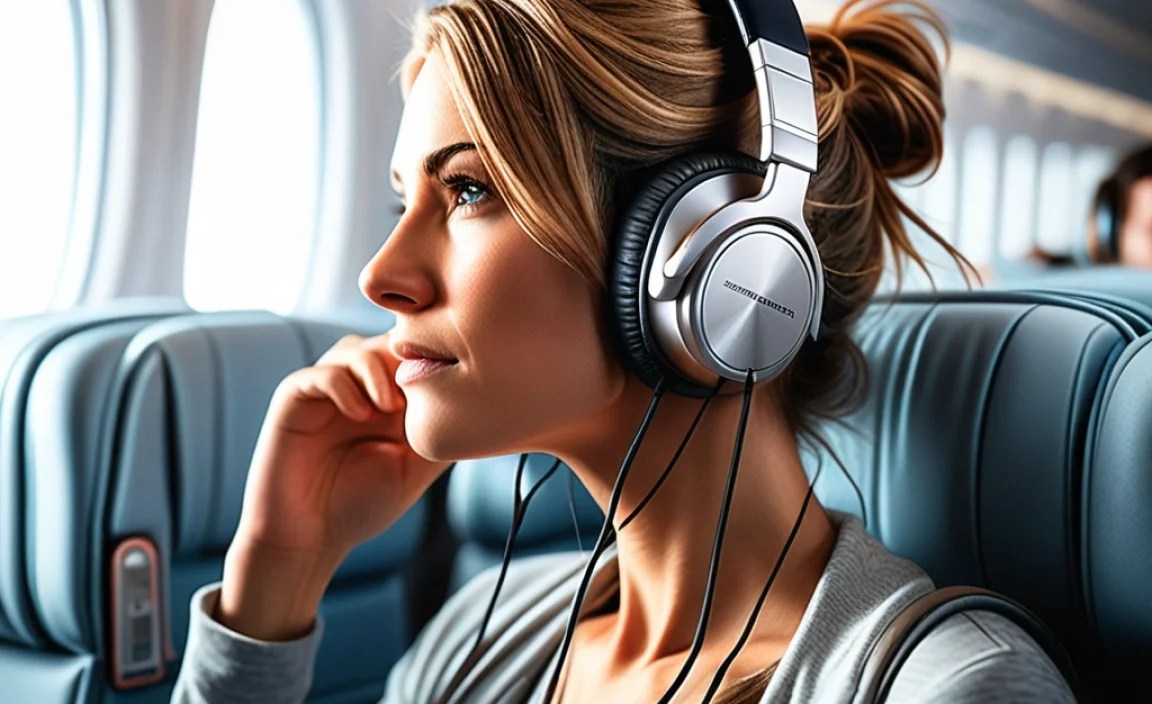
Once you’ve chosen your ideal travel companions, here’s how to make the most of them:
Step 1: Charge Them Fully Before You Leave
This seems obvious, but it’s the most common oversight. A dead battery on a long flight is frustrating. Ensure your headphones are fully charged the night before your trip.
Step 2: Pack Them Wisely
Always use the provided carrying case. This protects them from getting crushed or scratched in your luggage. If they don’t come with a case, consider buying a universal headphone case. Place the case in an easily accessible spot in your carry-on bag.
Step 3: Download Your Audio Content
Don’t rely solely on in-flight Wi-Fi or streaming. Download your music, podcasts, audiobooks, and movies to your device beforehand. This ensures uninterrupted enjoyment even if the plane’s connection is spotty or unavailable.
Step 4: Know Your Controls
Familiarize yourself with your headphones’ buttons and touch controls before you board. Knowing how to pause, skip tracks, adjust volume, and toggle ANC without fumbling in the dark is a game-changer.
Step 5: Activate Noise Cancellation
As soon as you board, or even while waiting at the gate, turn on your noise cancellation. The difference it makes will be immediate and impactful.
Step 6: Consider the Airplane Adapter
Most modern planes use standard 3.5mm headphone jacks, but some older ones might have a slightly different plug. A Federal Aviation Administration (FAA) resource on airline safety mentions that passengers can bring their own electronic devices, and this includes their audio accessories. If you plan to use the in-flight entertainment system via a wired connection, a dual-prong adapter can be invaluable. They’re inexpensive and can be purchased at most electronics stores or online retailers.
Step 7: Adjust Volume Mindfully
While ANC allows for lower listening volumes, it’s still important to protect your hearing. The World Health Organization recommends listening at no more than 60% of maximum volume for extended periods. With good ANC, you shouldn’t need to turn it up loud to overcome cabin noise.
Tips for Maximizing Comfort During Long Flights
Beyond just the headphones, a few other tips can enhance your comfort:
- Headphone Fit Check: Ensure the earcups create a good seal around your ears without too much pressure. Adjust the headband as needed.
- Take Breaks: Even the most comfortable headphones can start to feel a bit much after several hours. Take them off for a few minutes every couple of hours, especially during meal service or if you need to move around.
- Stay Hydrated: Dehydration can contribute to fatigue, making you more susceptible to the effects of noise and pressure.
- Use a Neck Pillow: A good neck pillow can support your head and prevent it from lolling uncomfortably, which complements the comfort provided by your headphones.
Troubleshooting Common Headphone Issues on Flights
Even the best gear can sometimes have kinks. Here are common issues and how to fix them:
- No Sound:
- Bluetooth: Ensure headphones are paired and connected to the correct device. Try “forgetting” the device in your Bluetooth settings and re-pairing.
- Wired: Check that the cable is fully plugged into both the headphones and the audio source. Try a different cable if possible.
- Volume: Double-check the volume levels on both your device and the headphones themselves.
- ANC Not Working Properly:
- Check ANC Mode: Some headphones have different ANC modes or an “off” setting. Ensure ANC is activated.
- Seal Issue: Make sure the earcups are creating a good seal around your ears. Any gap can let in noise and reduce ANC effectiveness.
- Wind Noise: On some very windy flights, ANC can sometimes pick up wind noise and try to cancel it, which might create a hiss. This is usually temporary.
- Firmware Update: Check the manufacturer’s app for any available firmware updates, as these can sometimes improve ANC performance.
- Connection Drops:
- Interference: Other wireless devices can cause interference. Try moving away from sources of strong Wi-Fi or other Bluetooth devices.
- Low Battery: A low battery can sometimes cause unstable connections.
- Distance: Stay within the recommended Bluetooth range of your device (usually around 30 feet).
- Discomfort After Long Wear:
- Adjustment: Slightly loosen the headband or readjust the earcups on your head.
- Breaks: Take short breaks from wearing them.
- Ear Pad Alternatives: For over-ear headphones, consider aftermarket earpads made of different materials (like velour for breathability) if the stock ones cause discomfort.
Frequently Asked Questions (FAQ)
Q1: Do I really need noise-canceling headphones for a plane?
While not strictly “necessary,” noise-canceling headphones significantly enhance flight comfort by reducing engine noise and cabin clamor, leading to less fatigue. For frequent flyers or those sensitive to noise, they are a worthwhile investment.
