
Quick Summary: Discover how the right headphone cable can elevate your audio experience. This guide breaks down what audiophile cables are, why they matter, and how to choose the best one for your headphones, making complex audio upgrades simple and accessible for any listener.
Best Audiophile Headphone Cables: Your Essential Guide

Hello from headphonehorizon! If you’ve ever found yourself gazing at your favorite headphones and wondering if something else could make them sound even better, you’re not alone. One area that sparks a lot of curiosity, and sometimes confusion, is the headphone cable. You might have heard terms like “audiophile cable” or “upgraded cable” and thought, “Do I really need that?”
The short answer is: potentially, yes! A quality cable can indeed make a noticeable difference in your listening journey. Think of it like upgrading your tires on a car – the right ones can improve performance and the overall ride. This guide is here to demystify the world of audiophile headphone cables, making it easy for you to understand their benefits and find the perfect fit without getting lost in technical jargon. Let’s dive in!
What Exactly is an “Audiophile” Headphone Cable?

When we talk about “audiophile headphone cables,” we’re referring to cables designed with a specific focus on audio quality, durability, and sometimes, aesthetics. Unlike the standard cables that come bundled with most headphones, which are often made with convenience and cost-effectiveness in mind, audiophile cables are crafted using superior materials and construction techniques. The goal is to minimize signal loss, reduce interference, and ensure a clean, pure audio signal gets from your source (like your phone or amplifier) to your headphones’ drivers.
Imagine a water pipe: a standard pipe might have some rough spots or slight kinks that restrict water flow. An “audiophile” pipe would be smoother, straighter, and made of a material that doesn’t affect the water’s purity. The same principle applies to audio signals traveling through a cable. While the difference might be subtle to some, for those seeking the utmost fidelity, these details matter profoundly.
Why Upgrade Your Headphone Cable in the First Place?

This is the big question, isn’t it? Do these upgraded cables actually make a difference? For many listeners, the answer is a resounding yes. Here are the primary reasons why audiophile headphone cables are worth considering:
1. Improved Sound Quality
This is the holy grail for audiophiles. Upgraded cables often use:
- Higher Purity Copper or Silver Conductors: Materials like OFC (Oxygen-Free Copper) or even silver are less prone to signal degradation compared to standard copper. This means the electrical signal representing your music travels with greater integrity.
- Better Shielding: To prevent electromagnetic interference (EMI) and radio frequency interference (RFI) from “bleeding” into your audio signal, audiophile cables often have robust shielding. This is especially important in noisy environments or near other electronic devices.
- Improved Insulation: The material surrounding the conductors can affect signal capacitance and inductance, which can subtly alter the sound. High-quality insulation materials aim to minimize these effects.
The result can be:
- Enhanced Clarity: Instruments and vocals can sound more distinct and detailed.
- Wider Soundstage: The sense of space and instrument separation might improve, making music feel more immersive.
- Tighter Bass: Bass frequencies can feel more controlled and impactful.
- Smoother Treble: High frequencies might sound more natural and less harsh.
2. Durability and Longevity
Standard headphone cables can be flimsy and prone to wear and tear, especially at the connectors. Upgraded cables are built to last:
- Reinforced Connectors: The points where the cable connects to your headphones and audio source are often reinforced to prevent breakage.
- Tougher Outer Jacket: Materials like braided nylon or robust PVC make the cable more resistant to tangling and physical stress.
- Strain Relief: Better strain relief at the connectors prevents the internal wires from snapping under pressure.
This means fewer worries about frayed wires or faulty connections, offering peace of mind for years to come.
3. Aesthetics and Personalization
Let’s be honest, your headphones are a statement, and the cable can be part of that! Upgraded cables come in a variety of colors, braiding styles, and connector finishes. They can complement the design of your headphones, adding a touch of personal flair and making them look even more premium.
4. Ergonomics and Convenience
Some audiophile cables are designed to be lighter and more flexible than their stock counterparts, reducing microphonics (the sound of the cable brushing against surfaces) and improving comfort during long listening sessions. Others might offer different lengths for specific use-case scenarios.
Understanding Cable Construction and Materials
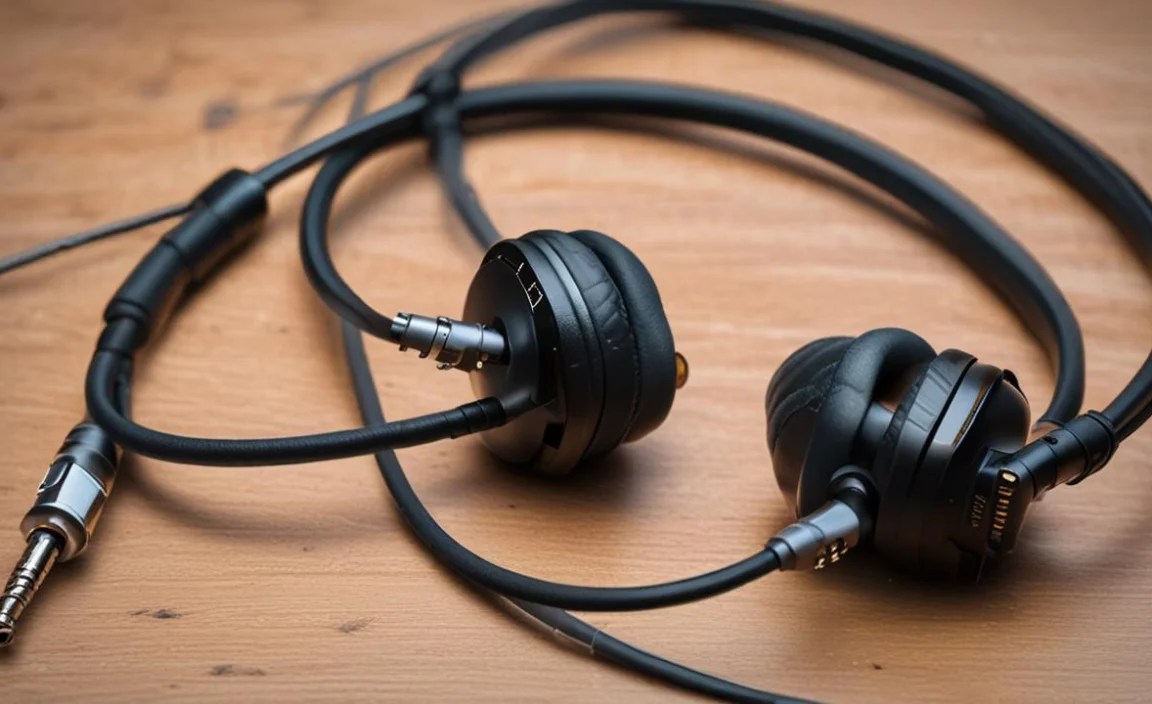
To make an informed choice, it helps to know a bit about what goes into these cables. Here’s a breakdown of common terms and materials:
Conductor Materials
- OFC (Oxygen-Free Copper): This is a common upgrade from standard copper. By removing oxygen and other impurities, OFC allows for a cleaner signal path. Most budget-friendly “upgraded” cables use OFC.
- High-Purity OFC: Some manufacturers specify even higher purity levels of OFC, often measured in “nines” (e.g., 99.999% pure).
- Silver-Plated Copper (SPC): Copper wires coated with a thin layer of silver. This aims to combine the conductivity of silver for the surface signal path with the bulk of copper.
- Solid Silver: Pure silver conductors offer excellent conductivity, potentially leading to a brighter, more detailed sound, though they can be more expensive and less flexible.
- Litz Wire: This construction involves using many thin strands of insulated wire, carefully twisted or arranged. The idea is to reduce “skin effect” and capacitance issues, especially at higher frequencies, leading to greater clarity and detail. It’s often found in higher-end cables.
Insulation and Dielectric Materials
The material surrounding the conductors, known as the dielectric, plays a role in signal integrity by affecting capacitance. Better dielectrics minimize signal loss and distortion.
- PVC (Polyvinyl Chloride): Standard, but can contribute to signal loss and stiffness.
- TPE (Thermoplastic Elastomer): More flexible and durable than PVC.
- PTFE (Teflon): Offers excellent dielectric properties and high-temperature resistance, often used in high-end cables.
- PE (Polyethylene): Another common material that offers good insulation.
Shielding
Protects the audio signal from external electrical noise.
- Foil Shielding: A thin layer of metallic foil.
- Braided Shielding: A woven mesh of copper or other conductive material, often more effective than foil.
- Combination Shielding: Using both foil and braid for maximum protection.
Connectors (Plugs)
The type of connector can vary based on your headphones and audio source. Common headphone connectors include 3.5mm (1/8″), 6.35mm (1/4″), and various proprietary 2-pin or MMCX connectors designed specifically for certain headphone models. For amplifiers or DACs, you might find 3.5mm, 6.35mm, or balanced XLR connectors.
- Materials: Gold-plated connectors are common as gold is a good conductor and resists corrosion. Silver or rhodium plating are also used in higher-end cables.
- Build Quality: Look for robust, well-constructed connectors that feel solid and provide a secure fit.
Does Cable Geometry Matter? (Common Types)
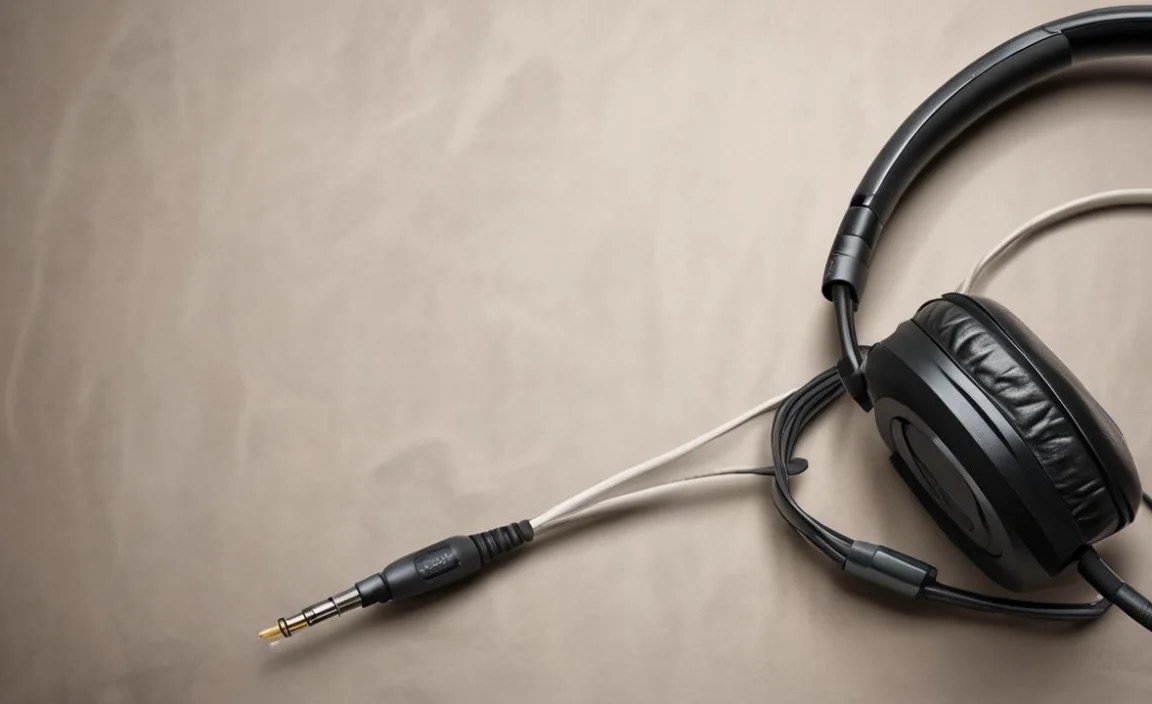
Yes, even how the wires are arranged (geometry) can influence the sound.
Single-Ended vs. Balanced Cables
This is a crucial distinction related to how the audio signal is carried and processed.
- Single-Ended: The most common type. Typically uses 3 conductors (left channel, right channel, ground). These are compatible with most headphones and standard amplifiers.
- Balanced: Uses 4 conductors per channel (positive signal, negative signal, ground for left; positive signal, negative signal, ground for right). Balanced connections are known for their ability to reject noise and interference, often leading to a cleaner, more dynamic sound, especially at higher volumes. However, they require a balanced amplifier and headphones with balanced input jacks (often requiring a different cable termination).
For example, a standard 3.5mm headphone jack is single-ended, while a 4-pin XLR connector on an amplifier is typically used for balanced headphone outputs.
Stranded vs. Solid Core Conductors
- Stranded: Multiple thin wires twisted together. Generally more flexible and less prone to breaking.
- Solid Core: A single, solid wire. Can offer very pure signal transmission but is less flexible and more prone to damage if bent too much near the connector.
When Can You Expect to Hear a Difference?

This is where personal experience and headphone synergy come into play. Not everyone will hear a difference, and here’s why:
- Headphone Sensitivity and Design: Higher-fidelity headphones, especially open-back models with exposed drivers and larger earcups, are often more revealing of subtle changes. Less sensitive or more “forgiving” headphones might not benefit as much.
- Source Quality: If your audio source (phone, laptop, basic DAC/amp) is introducing significant noise or distortion, a better cable might be fighting an uphill battle. A high-quality DAC/amplifier is often more critical for realizing the full potential of a system.
- Music Quality: Listening to heavily compressed MP3s will mask the nuances a better cable can reveal. High-resolution audio files (FLAC, DSD, WAV) played on a good source are where you’re most likely to notice improvements.
- Listening Environment: A quiet room helps you focus on the finer details.
- Your Ears: Ultimately, your hearing is the final judge. What one person hears, another might miss.
Many audiophiles report hearing differences most in:
- Increased detail and resolution
- Improved transient response (how quickly the sound starts and stops)
- A more “effortless” or “airy” presentation
- Extended bass with better texture
- Smoother treble response
For a deeper dive into the science behind audible differences, resources from institutions like the Electrostatic Society of America or academic papers on signal transmission can offer context, though often at a highly technical level.
How to Choose the Best Audiophile Headphone Cable for You
Ready to find the perfect cable? Follow these steps:
Step 1: Identify Your Headphone’s Connector Type
This is non-negotiable. You need a cable that physically plugs into your headphones. Common types include:
- 3.5mm (1/8″) Jack: Universal for most portable devices.
- 6.35mm (1/4″) Jack: Common on home audio equipment.
- Proprietary 2-Pin Connectors: Found on many in-ear monitors (IEMs) and some over-ear headphones (e.g., Sennheiser HD series, Beyerdynamic DT series).
- MMCX Connectors: A twist-lock connector system found on many IEMs and some headphones.
- Audeze or Hi-O-Fcs Connectors: Some brands use their own unique connectors.
Tip: Check your headphone manual or the manufacturer’s website if you’re unsure.
Step 2: Determine Your Source’s Output Type
What will you plug the cable into?
- Standard Single-Ended Output: Most phones, laptops, and standard headphone amps use 3.5mm or 6.35mm single-ended jacks.
- Balanced Output: If your amplifier or DAC has XLR or specific 4-pin outputs, you might want a balanced cable for potentially superior performance. This requires both your amplifier and a compatible cable/headphone setup.
Step 3: Consider Your Budget
Audiophile cables range from affordable upgrades ($30-$100) to extremely expensive connoisseur pieces ($500+). For beginners, starting with a well-regarded OFC or SPC cable in the $50-$150 range is often a great sweet spot.
Step 4: Think About Material and Build Quality
Based on our earlier discussion, decide what kind of conductor material (OFC, SPC, silver) and insulation you prefer. Look for reputable brands known for good build quality and customer reviews.
Step 5: Read Reviews and Seek Recommendations
Online audio forums, review sites, and communities are invaluable. Search for reviews of cables specifically for your headphone model if possible. What works for one headphone might not be ideal for another.
Step 6: Factor in Length and Adaptability
Standard lengths are usually 1.2m to 2m. For desktop use, a longer cable (3m+) might be more comfortable. Some cables come with built-in adapters (e.g., 3.5mm to 6.35mm) for versatility.
Examples of Popular Audiophile Headphone Cable Brands and Types
While “best” is subjective, here are some reputable brands and common categories to explore:
| Brand/Category | Typical Materials | Price Range (USD) | Ideal For |
|---|---|---|---|
| Generic OFC Upgrades (e.g., Amazon Basics, various eBay sellers) | Oxygen-Free Copper (OFC) | $20 – $60 | Beginners wanting a noticeable upgrade over stock cables, good durability. |
| Silver-Plated Copper (SPC) Cables | Copper with Silver Plating | $50 – $150 | Those seeking brighter treble and more detail, good balance of price and performance. |
| High-Purity Copper (e.g., Neotech, pure OFC) | Very High Purity OFC, Litz construction | $70 – $200 | Listeners who value a neutral, detailed, and smooth sound signature. |
| Pure Silver Cables (e.g., Moon Audio Silver Dragon) | Solid Silver or Silver Litz | $200 – $800+ | Enthusiasts chasing maximum clarity, airiness, and a very revealing sound. |
| Balanced Cables (e.g., dedicated balanced versions of above) | Varies (OFC, SPC, Silver) but with appropriate connector for balanced amps. | $50 – $1000+ | Users with balanced headphone amplifiers seeking noise rejection and optimal channel separation. |
Note: Prices are estimates and can vary widely by seller and specific product. Always check compatibility with your headphones.
Headphone Cable Maintenance: Keeping Your Investment Sounding Great
Even the best cables need a little care:
- Handle with Care: Avoid yanking the cable from the connector. Gently pull by the plug itself.
- Store Properly: Don’t store them tightly wound. A gentle loop or winding them around your fingers before placing them in a pouch is ideal.
- Keep Clean: Gently wipe down connectors with a dry microfiber cloth. For the cable itself, a damp cloth can work, but avoid harsh cleaners.
- Avoid Extreme Conditions: Don’t leave cables in freezing temperatures or direct sunlight for extended periods, as this can degrade materials.
