
Discover top-rated audiophile headphones under $200 that deliver exceptional sound quality without breaking the bank. This guide breaks down your best options with clear advice for beginners, helping you find headphones that reveal the true depth and detail in your music.
Best Audiophile Headphones Under $200: Stellar Sound for Every Ear

Hello friends! Edward Cavitt here from Headphone Horizon. If you’re diving into the incredible world of audiophile sound and thinking you need to spend a fortune, I’ve got fantastic news! You absolutely don’t. The journey to richer, more detailed music listening is more accessible than ever.
Today, we’re exploring the “best audiophile headphones under 200” dollars. These aren’t just any headphones; they’re gateway devices that can seriously elevate your music experience, revealing nuances you might never have noticed before. We’ll cut through the jargon and find some truly stellar options that will make your favorite tracks sound brand new. Ready to unlock a world of sonic beauty?
Why “Audiophile” Matters (Even on a Budget)

When we talk about “audiophile” headphones, we’re essentially talking about headphones designed with sound quality as the absolute top priority. This means they focus on:
- Accuracy: Reproducing sound as close to the original recording as possible.
- Detail: Uncovering subtle layers, instruments, and textures in your music.
- Soundstage: Creating a sense of space and depth, so instruments feel placed around you rather than just inside your head.
- Clarity: Ensuring vocals and instruments are crisp and easy to distinguish.
For beginners, this translates to listening to music that sounds more alive, immersive, and emotionally engaging. It’s like upgrading from a standard TV to a high-definition experience – the difference is profound!
Key Features to Look for in Affordable Audiophile Headphones

Before we dive into specific recommendations, let’s quickly cover what makes a pair of headphones a smart buy in this price range:
- Driver Type: Dynamic drivers are common and versatile, while planar magnetic drivers (less common under $200 but increasing) often offer exceptional detail and speed.
- Open-Back vs. Closed-Back:
- Open-back headphones: Offer a wider, more natural soundstage and are great for critical listening in quiet environments. They do leak sound in and out, so they aren’t ideal for noisy places or offices.
- Closed-back headphones: Provide better sound isolation, keeping your music in and external noise out. They are more versatile but can sometimes have a slightly less spacious soundstage than open-backs.
- Comfort: You’ll be wearing these for hours, so plush earcups, a good headband, and a lightweight design are essential for enjoyable listening sessions.
- Build Quality: Look for durable materials that feel solid and can withstand daily use.
Our Top Picks for the Best Audiophile Headphones Under $200

Alright, let’s get to the good stuff! Based on critical reviews, user feedback, and my own listening experiences, here are some of the best audiophile headphones you can snag for under $200. These are all fantastic starting points for your audiophile journey.
1. Sennheiser HD 560S (Open-Back)
The Sennheiser HD 560S has quickly become a benchmark for affordable audiophile headphones. They deliver a remarkably neutral and accurate sound, making them perfect for analytical listening and enjoying music the way the artist intended. They are incredibly transparent, allowing you to hear every detail in a track.
Key Features:
- Sound Profile: Extremely neutral and widely regarded as one of the most accurate under $200.
- Detail Retrieval: Excels at bringing out subtle nuances in recordings.
- Comfort: Lightweight with comfortable, breathable earpads.
- Soundstage: Offers a good sense of space for an open-back headphone at this price.
- Impedance: 120 ohms, which means they can benefit from a headphone amplifier for optimal performance, though they are generally manageable with most devices.
Why they’re great for beginners: Their neutrality is like a clean slate, helping you learn what different frequencies and instrument details sound like. You’ll hear your music library with fresh ears. For more on how headphone impedance affects sound and amplification, check out resources from the Audioholics group, which breaks down these technical aspects clearly.
2. Beyerdynamic DT 770 PRO (Closed-Back)
A legendary studio staple, the Beyerdynamic DT 770 PRO is renowned for its robust build, exceptional comfort, and a sound signature that’s both exciting and detailed, especially in the treble. While often used in professional settings, its engaging sound makes it a favorite among music lovers looking for an immersive closed-back experience without breaking the bank.
Key Features:
- Sound Profile: Energetic with a noticeable bass boost and sparkling highs, great for genres that benefit from a bit of excitement.
- Isolation: Excellent passive noise isolation, perfect for noisy environments or late-night listening.
- Durability: Built like a tank with easily replaceable parts.
- Comfort: Velour earpads are exceptionally soft and breathable.
- Variations: Available in different impedance versions (32, 80, and 250 ohms). The 80-ohm version is often considered the sweet spot for most listeners and devices.
Why they’re great for beginners: Their closed-back design makes them incredibly versatile – use them at your desk, on your commute, or at home. The slightly more “fun” sound can be very rewarding for discovering new details in the music you love.
3. Audio-Technica ATH-AD700X (Open-Back)
The ATH-AD700X from Audio-Technica offers a wide, airy soundstage that’s quite exceptional for its price point. It’s known for its natural tonality and excellent clarity, making it a favorite for casual listening and gaming alike, where spatial cues are important. The honeycomb earcup design not only looks distinctive but contributes to its open and natural sound.
Key Features:
- Sound Profile: Balanced with a generous soundstage and clear treble.
- Comfort: Lightweight with large, comfortable earcups.
- Soundstage: One of its strongest selling points – creates an immersive listening experience.
- Design: Unique honeycomb grilles for its open-back design.
- Value: Often found well below the $200 mark, offering incredible bang for your buck.
Why they’re great for beginners: If you’re looking for that “in-the-room” feeling with your music, the AD700X delivers. Its natural sound won’t fatigue your ears during long listening sessions, making it perfect for discovering new layers in your favorite tracks or enjoying immersive gaming.
4. Philips Fidelio X2HR (Open-Back)
The Philips Fidelio X2HR are often praised for their V-shaped sound signature – meaning they have a slight boost in the bass and treble, with a well-balanced midrange. This makes them incredibly engaging and fun to listen to across a wide variety of genres. They also boast impressive build quality and comfort, feeling more premium than their price suggests.
Key Features:
- Sound Profile: Engaging V-shaped sound with punchy bass, clear mids, and detailed highs.
- Comfort: Plush, velour-covered memory foam earpads and an auto-adjusting headband ensure a great fit.
- Build Quality: Premium feel with a metal frame and sturdy construction.
- Soundstage: Good width and depth, providing an immersive experience.
- Effortless to Drive: Generally easy to power, working well with most devices.
Why they’re great for beginners: If you enjoy music with impact and clarity, the X2HR is a fantastic choice. Its comfortable design and robust sound make it ideal for a wide range of music and for those who appreciate a slightly more energetic sound signature.
5. AKG K371 (Closed-Back)
The AKG K371 is a remarkable closed-back headphone that beautifully balances professional accuracy with an enjoyable listening experience. It’s tuned to the AKG “Headphone Target Response”, which is a preference curve developed for natural and pleasing sound reproduction. They offer excellent detail and a refined sound that punches well above their price class.
Key Features:
- Sound Profile: Very balanced and neutral, with a slight emphasis on bass that adds warmth without overpowering.
- Detail: Excellent clarity and resolution, allowing you to pick out instruments easily.
- Comfort: Lightweight with plush, ergonomic earcups.
- Portability: Foldable design and included hardshell case make them great for travel.
- Low Distortion: Known for producing very low distortion across frequencies.
Why they’re great for beginners: For a closed-back headphone that offers both accuracy and an enjoyable listening experience, the K371 is hard to beat. They are incredibly versatile and make a fantastic option if you need isolation but still crave a truly audiophile-grade sound.
Comparison Table: Key Specs at a Glance
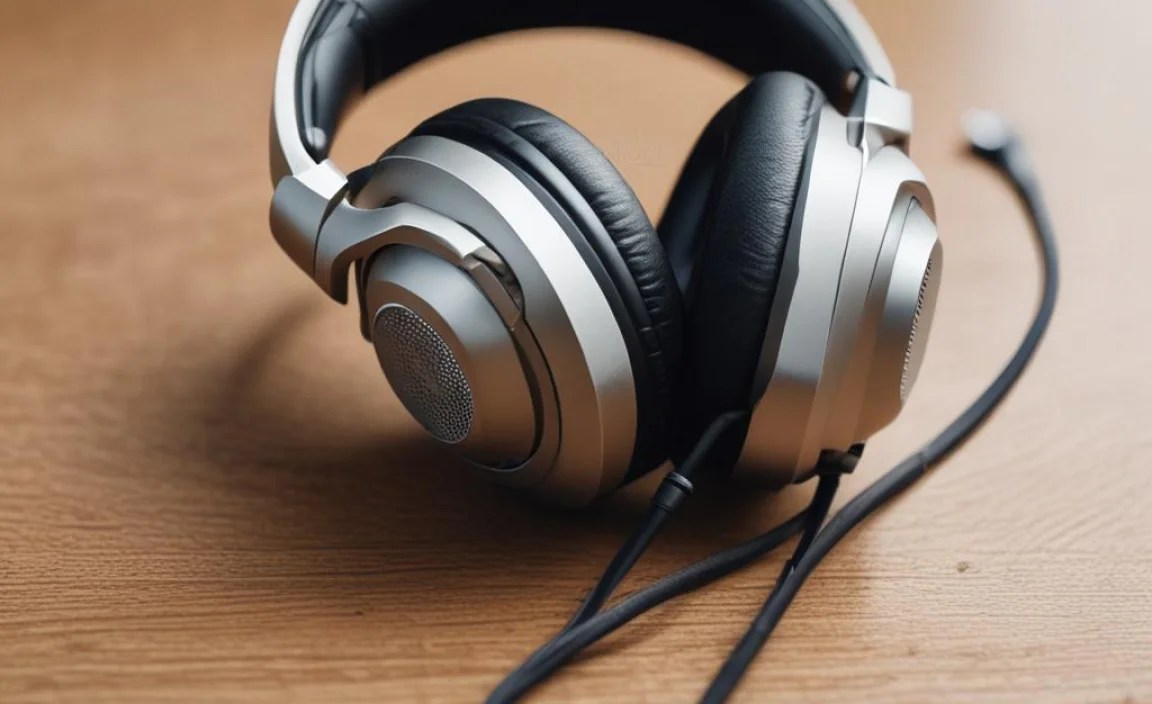
Here’s a quick look at how our top picks stack up:
| Headphone Model | Type | Driver Size | Impedance | Frequency Response | Comfort Level | Best For |
|---|---|---|---|---|---|---|
| Sennheiser HD 560S | Open-Back | 50mm | 120 ohms | 6 Hz – 38 kHz | High | Neutral listening, critical analysis |
| Beyerdynamic DT 770 PRO | Closed-Back | 50mm | 80 ohms (common) | 5 Hz – 35 kHz | Very High | Isolation, energetic sound, studio use |
| Audio-Technica ATH-AD700X | Open-Back | 53mm | 34 ohms | 5 Hz – 30 kHz | High | Wide soundstage, natural sound |
| Philips Fidelio X2HR | Open-Back | 50mm | 30 ohms | 6 Hz – 40 kHz | Very High | Engaging sound, versatility, comfort |
| AKG K371 | Closed-Back | 50mm | 32 ohms | 5 Hz – 40 kHz | High | Accuracy, portability, all-around listening |
How to Get the Most Out of Your New Audiophile Headphones
Buying great headphones is the first step. Here’s how to ensure you’re enjoying them to their fullest:
- Use High-Quality Audio Sources:Your headphones can only reproduce the quality of the audio you give them. Consider streaming services that offer lossless audio (like Tidal HiFi, Qobuz, or Amazon Music HD), or listen to high-resolution files (FLAC, ALAC). Even CD-quality audio from YouTube Music or Spotify Premium is a good starting point.
- Experiment with Different Music Genres:Listen to all your favorite music, but also try genres you don’t typically listen to. Audiophile headphones can reveal new details in familiar tracks and make new genres exciting in ways you hadn’t expected. Do you love rock? See how the guitar solos shine. Into jazz? Hear every brushstroke on the cymbals.
- Find a Quiet Listening Environment:For open-back headphones especially, finding a quiet space allows you to fully appreciate the soundstage and delicate details without external distractions. This could be a cozy corner at home or during a quiet afternoon.
- Consider a Headphone Amplifier (Optional but Recommended for Some):Some headphones, like the Sennheiser HD 560S with its 120-ohm impedance, can benefit significantly from a dedicated headphone amplifier. An amp provides cleaner power, which can lead to better dynamics, bass control, and overall clarity. For many of the headphones listed above, though, your smartphone, laptop, or integrated DAC (Digital-to-Analog Converter) will be sufficient to get great sound. A good starting point for understanding DACs and amps is resources like those found on Headphonesty.
- Proper Fit is Key:Ensure the earcups create a good seal around your ears (for closed-backs) and that the headband is positioned comfortably. A good fit not only improves comfort but also ensures you’re getting the intended bass response and sound isolation.
Troubleshooting Common Beginner Headphone Issues
Even with fantastic gear, you might run into a few hiccups. Here’s how to handle them:
- My music sounds thin or lacks bass:
- Check the audio source: Is it a low-quality MP3? Try a higher-fidelity track.
- Ensure a good seal: For closed-back headphones, make sure the earcups are positioned correctly.
- Consider your device: Some phones or laptops have weak audio outputs. A small headphone amp might help.
- Open-back vs. Closed-back: Open-backs naturally have less bass impact than closed-backs.
- One side isn’t working:
- Check the cable connection: Ensure it’s fully plugged into both the headphone and your device.
- Try a different cable (if detachable): The cable itself might be damaged.
- Test on another device: This helps determine if the issue is with the headphones or your source.
- Headphones are uncomfortable:
- Adjust the headband: Find the sweet spot.
- Check earcup positioning: They should cover your ears fully without excess pressure.
- Earpad Material: Some people prefer velour (softer, more breathable) over pleather (better isolation, can get warm).
Frequently Asked Questions (FAQ)
- Q1: Can I really tell a difference with “audiophile” headphones if I’m new to this?
- Absolutely! Even without specialized knowledge, you’ll likely notice more clarity, richer instrument separation, and a greater sense of depth in your music. It’s like hearing your favorite song in a new light.
- Q2: Do I need a special device to listen to these headphones?
- For most headphones under $200, your smartphone or computer will be sufficient. However, headphones with higher impedance (like the Sennheiser HD 560S) can benefit from a dedicated headphone amplifier for their best performance. It’s not strictly necessary to start, but it’s an option for future upgrades.
- Q3: What’s the difference between open-back and closed-back for a beginner?
- Open-back headphones generally offer a more spacious and natural soundstage, great for quiet listening at home. Closed-back headphones provide better noise isolation, making them ideal for commutes or busy environments, but might sound a bit less expansive.
- Q4: How do I know if a headphone is “comfortable” enough?
- Comfort is very personal, but look for headphones that are lightweight, have plush earpads (velour is often a good sign), and a headband that distributes weight evenly without clamping too hard on your head. Try them for at least 30 minutes to see how they feel
