
Quick Summary: Discover the best Bluetooth headphones for audiophiles on a budget. This guide breaks down essential features like codecs, battery life, and comfort, helping you find superior wireless sound without a premium price tag. We’ll explore top picks that deliver exceptional audio fidelity and a fantastic listening experience for discerning music lovers.
Best Bluetooth Headphones For Audiophiles: An Essential Guide

Hey everyone, Edward Cavitt from Headphone Horizon here! Diving into the world of high-fidelity audio can feel a bit like learning a new language, especially when you’re looking for wireless options that don’t compromise on sound quality. If you’re an audiophile who loves the convenience of Bluetooth but fears sacrificing that rich, detailed sound we all crave, you’ve come to the right place. We’re going to demystify what makes Bluetooth headphones truly audiophile-worthy and help you navigate the landscape to find your perfect pair. Get ready to experience your music like never before!
Why Audiophiles Are Embracing Bluetooth (and What to Look For)

Gone are the days when Bluetooth was synonymous with “good enough.” Today, advancements in wireless audio technology have opened up a world of possibilities for even the most discerning ears. For audiophiles, the benefits are clear: the freedom to move without being tethered, the ability to connect seamlessly to a growing array of devices, and increasingly, sound quality that rivals wired counterparts. But not all Bluetooth headphones are created equal. To truly satisfy an audiophile’s ear, several key factors come into play:
1. Audio Codecs: The Secret Sauce of Wireless Sound
This is arguably the most important spec for audiophiles when it comes to Bluetooth. Audio codecs are essentially compression algorithms that help transmit audio data wirelessly. Standard Bluetooth codecs like SBC (Subband Coding) are widely compatible but offer limited fidelity. For a true audiophile experience, you’ll want headphones that support higher-quality codecs:
- aptX HD and aptX Adaptive: Developed by Qualcomm, these codecs offer near CD-quality audio transmission and are designed to adapt to your environment to ensure a stable connection. aptX Adaptive is particularly impressive, dynamically adjusting to provide the best balance of sound quality and latency.
- LDAC (Low-latency High-Definition Audio Codec): Sony’s proprietary codec is a powerhouse, capable of transmitting audio at up to 990 kbps, which is significantly higher than SBC or standard aptX. This allows for incredibly detailed and dynamic sound reproduction. LDAC is often found on higher-end Sony headphones and devices compatible with it.
- LHDC (Low-Latency High-Definition Audio Codec): Similar to LDAC, LHDC supports high-resolution audio and is gaining traction, especially in devices from manufacturers like Huawei and other Asian tech companies.
- AAC (Advanced Audio Coding): While not as advanced as LDAC or aptX HD, AAC is significantly better than SBC and is the standard codec used by Apple devices (iPhones, iPads, Macs). If you’re in the Apple ecosystem, AAC support is crucial.
For the best experience, look for headphones that support at least aptX HD or LDAC, and ensure your source device (phone, laptop, etc.) also supports these codecs. You can often check the Bluetooth specifications of your devices online or in their manuals.
2. Driver Technology & Build Quality
Just like with wired headphones, the drivers (the components that produce sound) and the overall construction of the earcups play a massive role. Audiophile-grade Bluetooth headphones often feature:
- Larger Drivers: Typically 40mm or 50mm, which can move more air and produce a wider frequency response with better bass and treble detail.
- Premium Materials: High-quality plastics, metals, and comfortable ear pads (memory foam, leather, velour) contribute not only to comfort during long listening sessions but also to acoustic performance by reducing external noise and resonance.
- Acoustic Design: Whether it’s open-back (for a more natural, spacious soundstage) or closed-back (for better isolation and punchier bass), the internal design is engineered to optimize sound.
3. Active Noise Cancellation (ANC) vs. Passive Isolation
Audiophiles often debate the impact of ANC on sound quality. ANC uses microphones to detect ambient noise and generate an anti-noise signal to cancel it out. While incredibly useful for commuters and frequent flyers, some audiophiles believe ANC can subtly alter the original sound signature.
- Active Noise Cancellation (ANC): When done well, ANC can be amazing for preserving sound purity by creating a quieter canvas for your music. Look for headphones with adjustable or “pass-through” modes that allow you to turn ANC off completely or let in ambient sound when needed.
- Passive Isolation: This relies on the physical design of the headphones – the seal of the earcups, the materials used – to block out external sound. Well-designed closed-back headphones with good passive isolation can provide a serene listening environment without any alteration to the audio signal.
For the purest sound, you might lean towards headphones with excellent passive isolation or ANC that can be fully deactivated. However, many modern ANC headphones from reputable brands are engineered to minimize sonic degradation.
4. Battery Life and Connectivity
While sound quality is paramount, practical aspects matter too. Look for:
- Long Battery Life: Aim for at least 20-30 hours of playback with Bluetooth and ANC on. Quick charge features are also a huge plus.
- Stable Bluetooth Connection: Bluetooth 5.0 or higher generally offers better range, stability, and lower power consumption. Multi-point connectivity (connecting to two devices simultaneously) is a convenient bonus.
- Wired Option: Many audiophile-grade Bluetooth headphones also include a detachable audio cable, allowing you to switch to a wired connection if the battery dies or for pure, uncompressed listening with dedicated audio gear.
Top Bluetooth Headphones For Audiophiles: Our Picks for 2024

Finding headphones that balance audiophile aspirations with Bluetooth convenience can be a journey. We’ve curated a list of some of the best contenders, focusing on those that truly push the boundaries of wireless audio fidelity. Remember, “best” is subjective and depends on your specific needs and budget, but these models are consistently praised for their sonic performance.
For Uncompromising Sound Quality & Modern Features
These headphones are designed for those who want it all: pristine audio, advanced features, and the latest wireless tech.
Sony WH-1000XM5
Sony has long been a leader in wireless audio, and the WH-1000XM5 continues this legacy. While primarily known for its industry-leading Active Noise Cancellation, its sound quality is also superb. With support for LDAC, it delivers high-resolution audio that will satisfy most audiophiles. The sound signature is slightly warm and engaging, with excellent detail across the spectrum. The ANC is remarkably effective without overly coloring the sound.
Key Features:
- Supports LDAC codec for high-resolution wireless audio.
- Exceptional Active Noise Cancellation.
- Comfortable and refined design.
- Up to 30 hours of battery life (24 with ANC).
- Speak-to-Chat and adaptive sound control features.
Pros: Incredible ANC, fantastic sound quality with LDAC, comfortable for long wear.
Cons: Can be pricey, no wired connection option without an adapter (USB-C to 3.5mm), ANC can be intrusive for some purists.
Bowers & Wilkins PX8
Bowers & Wilkins (B&W) is renowned for its high-end audio equipment, and the PX8 headphones bring that audiophile pedigree to the wireless realm. They support aptX Adaptive and offer a truly refined listening experience. The sound is detailed, balanced, and natural, with a sophisticated presentation that audiophiles will appreciate. The build quality is also second to none, featuring premium materials like Nappa leather and cast aluminum arms.
Key Features:
- Custom-tuned 40mm drive units for exceptional clarity.
- Supports aptX Adaptive for high-quality wireless streaming.
- Luxurious and robust build quality.
- Effective ANC that doesn’t compromise sound.
- Up to 30 hours of battery life.
Pros: Exquisite sound quality and build, premium materials, excellent ANC.
Cons: Very expensive, not as many smart features as some competitors.
For Value-Conscious Audiophiles (Excellent Sound on a Budget)
You don’t always need to break the bank to get great wireless sound. These options offer exceptional audio fidelity for their price point.
Sennheiser Momentum 4 Wireless
Sennheiser has a legendary reputation for audio excellence, and the Momentum 4 Wireless headphones deliver on that promise without the ultra-premium price tag of some competitors. They support aptX Adaptive and AAC codecs, offering robust sound quality with a balanced and dynamic profile. The design is comfortable, and the battery life is outstanding, often exceeding 60 hours with ANC on!
Key Features:
- Excellent sound reproduction with support for aptX Adaptive and AAC.
- Industry-leading battery life (up to 60 hours with ANC).
- Effective adaptive ANC.
- Comfortable, lightweight design.
- Intuitive touch controls.
Pros: Superb battery life, great sound for the price, comfortable fit.
Cons: Design is less premium than some rivals, ANC might not be as powerful as the absolute top-tier.
Anker Soundcore Space Q45
Anker’s Soundcore brand consistently punches above its weight, and the Space Q45 is a prime example. These headphones support LDAC, offering high-resolution audio capability often found in much more expensive pairs. They also boast very effective ANC and a long battery life. While the soundstage might not be as vast as boutique brands, the clarity, detail, and overall musicality are impressive for the price.
Key Features:
- Supports LDAC for high-resolution audio.
- Highly effective adaptive ANC.
- Long battery life (50 hours with ANC on, 65 with ANC off).
- Comfortable earcups and durable design.
- Customizable EQ via the Soundcore app.
Pros: LDAC support at an affordable price, strong ANC, excellent battery life.
Cons: Sound quality might not satisfy the absolute most demanding audiophiles compared to flagship models, build materials aren’t as luxurious.
Understanding Bluetooth Audio Technologies
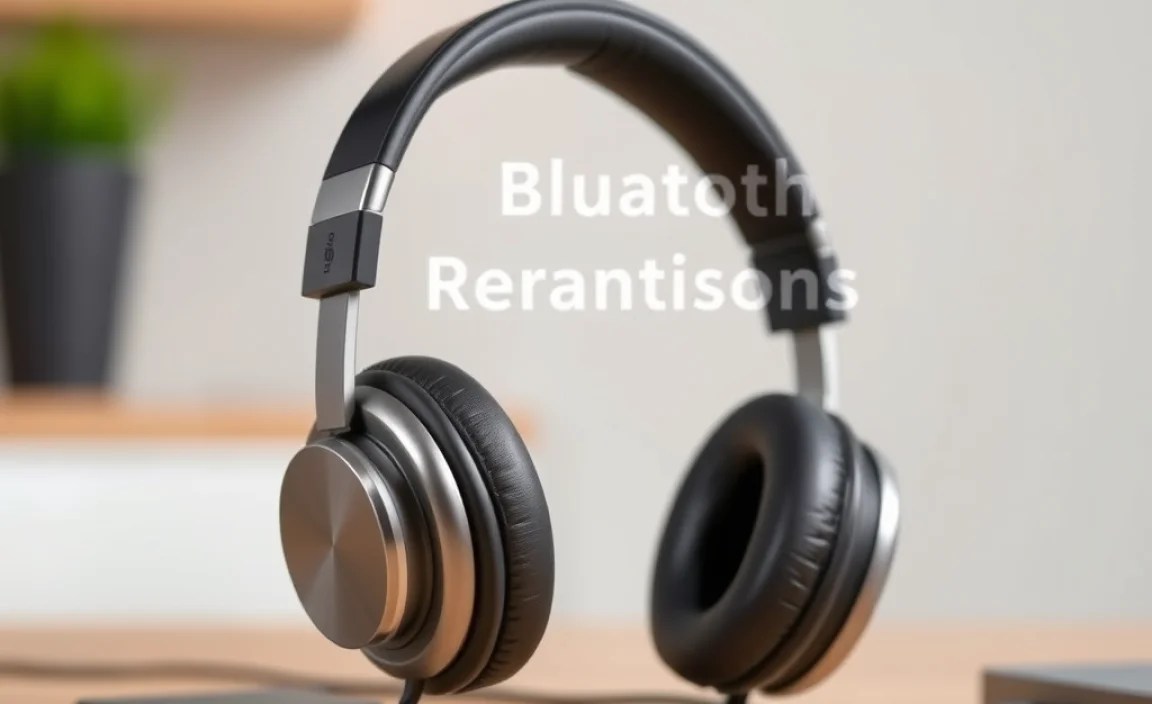
To truly pick audióphile-grade Bluetooth headphones, understanding the underlying technologies is key. You’ve heard about codecs, but there are other aspects that contribute to a better wireless audio experience.
Bluetooth Versions and Profiles
The Bluetooth version impacts range, speed, and power efficiency. Bluetooth 5.0 and later versions offer significant improvements. Key profiles for audio transmission include:
- A2DP (Advanced Audio Distribution Profile): The primary profile for stereo audio streaming.
- HFP (Hands-Free Profile) / HSP (Headset Profile): Used for calls and voice commands, generally lower quality than A2DP for music.
For audiophiles, ensuring the headphones and your source device negotiate the highest quality codec available over A2DP is the goal.
Latency and Its Impact
Latency is the delay between when the audio signal is sent and when it’s heard. For music listening, this is less critical. However, for watching videos or gaming, high latency can be very noticeable and distracting. Codecs like aptX Low Latency are designed to minimize this. If video synchronization is important, look for headphones that explicitly mention low-latency capabilities. For pure music, latency is a secondary concern compared to sound fidelity.
The Role of the DAC and Amplifier in Bluetooth Headphones
Even though the audio is transmitted wirelessly, there’s still a Digital-to-Analog Converter (DAC) and an amplifier inside the headphones themselves. For wired headphones, these components would be in your source device or a dedicated external DAC/amp. In Bluetooth headphones, these are integrated. Higher-end headphones will often feature better internal DACs and amplifier circuits to process the incoming Bluetooth signal more faithfully, contributing to the overall sound quality.
Testing and Evaluating Audiophile Bluetooth Headphones
How do you actually know if a pair of headphones sounds “audiophile-grade”? It’s a combination of technical specifications and personal listening. Here’s a practical approach:
1. Do Your Homework (Research!)
Read reviews from trusted audio publications and enthusiast sites. Pay attention to descriptions of:
- Soundstage and imaging (how spacious and accurate the sound is).
- Frequency response characteristics (balanced bass, clear mids, crisp treble).
- Detail retrieval and clarity.
- Instrument separation.
- Timbre (how natural instruments and voices sound).
For example, a review from a site like Rtings.com or Head-Fi.org often provides in-depth technical measurements and subjective listening tests.
2. Match Codecs to Your Devices
As mentioned, ensure your source device supports the high-quality codecs your chosen headphones offer. For instance, Android phones generally have better support for aptX variants and LDAC than iPhones, which primarily rely on AAC. Check your phone’s Bluetooth settings; sometimes, you can see which codec is being used.
3. Listen to Familiar Music
The best way to judge sound quality is to listen to music you know intimately across various genres. Pay attention to:
- Bass: Is it tight, punchy, and defined, or is it boomy and muddy?
- Mids: Are vocals and instruments clear and forward, or recessed and muffled?
- Treble: Is it detailed and sparkling, or harsh and sibilant?
- Overall Balance: Does one part of the frequency spectrum overpower others?
4. Consider Comfort and Fit
An uncomfortable headphone, no matter how good it sounds, will detract from the listening experience. Ensure the earpads are comfortable, the clamping force is appropriate, and the headphones are lightweight enough for extended use. For over-ear headphones, a good seal is also crucial for both passive isolation and bass response.
Troubleshooting Common Bluetooth Headphone Issues
Even the best headphones can sometimes act up. Here are simple fixes for common problems:
Issue: No Sound or Intermittent Sound
Troubleshooting Steps:
- Check Volume: Ensure volume is turned up on both the headphones and the source device.
- Check Connection: Make sure the headphones are properly paired and connected to your device. Try disconnecting and re-pairing.
- Test Other Devices: Connect the headphones to a different Bluetooth device to see if the issue persists. This helps isolate whether the problem is with the headphones or the original source.
- Check Bluetooth Codec: Sometimes, a specific codec might cause instability. Try forcing a different codec in your device’s developer options (Android) or see if the headphones have a default mode.
Issue: Poor Sound Quality
Troubleshooting Steps:
- Verify Codec: This is the most common culprit for poor wireless sound. Ensure your source device and headphones are using the best available codec (e.g., LDAC, aptX HD). Check your device’s Bluetooth settings.
- Disable ANC: If your headphones have ANC, try turning it off. Sometimes, ANC can subtly alter the sound profile for certain listeners.
- Update Firmware: Check the manufacturer’s app for any headphone firmware updates. Updates often include improvements to audio processing and Bluetooth connectivity.
- Reset Headphones: Most headphones have a reset function. Consult your manual for instructions.
Issue: Bluetooth Connection Keeps Dropping
Troubleshooting Steps:
- Reduce Distance: Keep your source device close to the headphones to maintain a strong signal.
- Minimize Interference: Other wireless devices (Wi-Fi routers, microwaves, other Bluetooth devices) can interfere. Try moving away from potential sources of interference.
- Clear Paired Devices: Sometimes, the headphone’s memory can get overloaded. Try clearing all paired devices from both your headphones and your source device, then re-pair.
- Check Battery Level: Low battery can sometimes lead to unstable connections. Ensure your headphones are adequately charged.
Frequently Asked Questions (FAQ)
Q1: Can Bluetooth headphones truly satisfy an audiophile?
Absolutely! With the advent of high-resolution codecs like LDAC and aptX HD, modern Bluetooth headphones can deliver sound quality that is virtually indistinguishable from wired ones for most listeners. The key is supporting these advanced codecs and having well-engineered drivers and internal components.
