
Quick Summary: Finding the best Bluetooth headphones for exercise means looking for a secure fit, sweat resistance, and long battery life. These headphones will keep your music going strong through any workout, from a gentle jog to an intense gym session, without slipping or shorting out.
Hey there, fellow audio adventurers! Edward Cavitt here from headphonehorizon, your go-to for all things sound without the fuss. Are you tired of tangled wires yanking your earbuds out mid-run or your music cutting out during a killer set? You’re not alone! Finding the right audio companion for your workouts can feel like navigating a maze, but that’s where I come in. We’re diving deep into the world of Bluetooth headphones specifically designed to keep up with your active lifestyle. Imagine seamless audio, a secure fit that stays put, and the freedom to move without being tethered down. Ready to upgrade your exercise soundtrack? Let’s find the perfect pair that makes every rep and stride a joy!
Why Bluetooth Headphones Are a Workout Game-Changer

For years, wired headphones were the norm for workouts. However, the advent and evolution of Bluetooth technology have revolutionized how we listen to music, especially during physical activity. The biggest advantage? True freedom of movement. No more worrying about your phone’s cord snagging on equipment, getting caught on your arm, or restricting your range of motion. This is particularly important for dynamic exercises like running, cycling, or weightlifting where fluid movement is key. Beyond convenience, modern Bluetooth headphones offer impressive sound quality, often matching or even surpassing their wired counterparts, plus a host of features tailored for active users.
Key Features to Look for in Exercise Bluetooth Headphones
When you’re hitting the gym or pounding the pavement, not just any pair of headphones will do. You need something built to withstand the rigors of exercise. Here’s what to prioritize:
- Secure Fit: This is paramount. Headphones that fall out mid-workout are not just annoying; they can be dangerous. Look for earbuds with ear hooks, wingtips, or multiple eartip sizes to ensure a snug and stable fit.
- Sweat and Water Resistance: Your headphones will inevitably get a workout too! Look for an IP (Ingress Protection) rating. An IPX4 rating means they can handle splashes and sweat, while higher ratings (like IPX7) indicate they can even withstand submersion for a short period, making them ideal for intense, sweaty sessions or even swimming. You can learn more about IP ratings on the International Electrotechnical Commission (IEC) website to understand what they mean for your gear.
- Battery Life: Nothing kills workout motivation faster than dead headphones. Aim for at least 6-8 hours of playback on a single charge. Many models offer fast charging, which can be a lifesaver if you forget to charge them overnight.
- Noise Isolation/Cancellation: While some people prefer to hear their surroundings for safety (especially runners), others want to block out gym chatter or ambient noise to focus. Consider if you need active noise cancellation (ANC) or just good passive noise isolation from a good seal.
- Durability and Build Quality: Exercise can be tough on gear. Look for materials that feel robust and are designed to withstand wear and tear.
- Comfort: You’ll be wearing these for extended periods, so comfort is non-negotiable. Lightweight designs and comfortable earcups or eartips are essential.
- Controls: Easy-to-access, intuitive controls for play/pause, track skipping, and volume adjustment are crucial, especially when you’re in motion and can’t easily pull out your phone.
- Connectivity: A stable and reliable Bluetooth connection is a must. Look for newer Bluetooth versions (like Bluetooth 5.0 or higher) for better range and lower power consumption.
Types of Bluetooth Headphones for Exercise

The world of exercise headphones isn’t one-size-fits-all. Different designs cater to different needs and preferences. Here’s a breakdown of the most popular types:
1. True Wireless Earbuds
These are perhaps the most popular choice currently. They consist of two separate, completely wireless earbuds that fit directly into your ears. They typically come with a charging case for easy storage and recharging on the go.
- Pros: Ultimate freedom of movement, very portable, sleek and discreet design, often come with multiple ear tip and wingtip options for a secure fit.
- Cons: Can be easier to lose, battery life per bud might be shorter than other types (though the case provides multiple charges), some people find a single earbud less secure for high-impact activities.
2. Wireless Neckband Earbuds
These feature two earbuds connected by a flexible band that rests around your neck. The control module is usually integrated into the neckband itself.
- Pros: Less likely to be lost due to the neckband, often have longer battery life than true wireless buds, controls are usually easily accessible.
- Cons: The neckband can sometimes feel restrictive or be an annoyance during certain exercises, less discreet than true wireless options.
3. Sport-Specific On-Ear or Over-Ear Headphones
While less common for intense cardio, some well-designed on-ear or over-ear headphones are built with exercise in mind. They typically feature sweat-wicking materials and a secure, often behind-the-head or very snug-fitting headband design.
- Pros: Excellent sound quality, long battery life, can provide superior comfort for longer durations, good passive noise isolation.
- Cons: Can get hot and sweaty, bulkier than earbuds, may not be suitable for all types of exercise, potential for them to move during very high-impact activities.
Top Picks: Best Bluetooth Headphones for Exercise in [Current Year]
![Top Picks: Best Bluetooth Headphones for Exercise in [Current Year]](https://i2.wp.com/headphonehorizon.com/wp-content/uploads/2026/01/top-picks-best-bluetooth-headphones-for-exercise-in-current-year.webp)
Based on user reviews, expert testing, and key features like secure fit, sweat resistance, and sound quality, here are some of the top contenders for the best Bluetooth headphones for exercise. Prices can fluctuate, so consider these as guides to features and value.
Best Overall: Jabra Elite Active Series
Jabra has consistently delivered excellent sporty earbuds. The Elite Active line is specifically engineered for demanding workouts with a focus on secure fit and robust durability. They boast excellent water and sweat resistance, great sound, and reliable connectivity.
| Feature | Jabra Elite Active 7/8 |
|---|---|
| IP Rating | IP57 |
| Battery Life | Up to 8 hours (earbuds) + 24 hours (case) |
| Fit | Secure, comfortable, comes with multiple ear gels. |
| Sound Quality | Clear and balanced, with customizable EQ. |
| Key Highlight | Exceptional durability and a secure fit that rarely needs adjustment. |
Best for Secure Fit: Beats Fit Pro
Designed with an all-day comfort and secure-fit laboratory, the Beats Fit Pro earbuds are a fantastic choice for athletes. They feature flexible wingtips that conform to your ear for a stable hold, even during intense movements. They also offer active noise cancellation and Transparency mode, which is great for situational awareness.
| Feature | Beats Fit Pro |
|---|---|
| IP Rating | IPX4 |
| Battery Life | Up to 6 hours (with ANC on) + 18 hours (with case) |
| Fit | Secure and comfortable with integrated wingtips. |
| Sound Quality | Dynamic and punchy bass, well-suited for energetic music. |
| Key Highlight | Integrated wingtips provide an extremely secure and comfortable fit for rigorous activity. |
Best Budget-Friendly Option: Anker Soundcore Spirit X2
Anker is known for delivering great value, and the Soundcore Spirit X2 earbuds are no exception. They offer a secure fit thanks to their ear hooks, decent water resistance, and impressive battery life at a fraction of the cost of premium models. Sound quality is great for the price, with a focus on bass.
| Feature | Anker Soundcore Spirit X2 |
|---|---|
| IP Rating | IP68 |
| Battery Life | Up to 9 hours (earbuds) + 36 hours (case) |
| Fit | Over-ear hooks for maximum security. |
| Sound Quality | Punchy bass, energetic sound profile. |
| Key Highlight | Superb value for money with robust ear-hook security and excellent battery life. |
Best for Runners Who Need Awareness: Shokz (formerly AfterShokz) OpenRun Pro
If you prioritize safety and situational awareness, bone conduction headphones are the way to go. Shokz uses patented bone conduction technology to deliver sound through your cheekbones, leaving your ears open to hear traffic, bike bells, or other important environmental sounds. The OpenRun Pro offers a premium experience with excellent sound quality for bone conduction technology and a comfortable, secure fit.
| Feature | Shokz OpenRun Pro |
|---|---|
| IP Rating | IP55 |
| Battery Life | Up to 10 hours. |
| Fit | Lightweight, wrap-around design for a secure, comfortable fit. |
| Sound Quality | Clear audio, with some bass enhancement for bone conduction. |
| Key Highlight | Open-ear design for maximum awareness of your surroundings, ideal for outdoor activities. You can find more on the science behind bone conduction at the National Institute on Deafness and Other Communication Disorders (.gov link).</td |
How to Ensure a Secure Fit for Your Exercise Headphones

Even the best exercise headphones can fall out if not fitted correctly. Here’s how to get that perfect, stay-put fit:
- Experiment with Ear Gels/Tips: Most premium earbuds come with multiple sizes of silicone ear gels or tips. Try them all! A good seal not only provides better sound but also contributes significantly to a secure fit. For earbuds with fins or wings, try different angles to see what best conforms to your ear’s natural shape.
- Test the “Shake Test”: Once you think you have a good fit, gently shake your head from side to side and up and down. If the earbuds wobble or try to come loose, try a larger ear gel or a different wingtip.
- Use Ear Hooks (if applicable): For models with optional or integrated ear hooks, ensure they wrap snugly around your ear without being uncomfortable. These are fantastic for high-impact activities.
- Check Neckband Placement (for Neckband models): Ensure the neckband is sitting comfortably on your shoulders and not slipping forward or backward. Adjust the cable length if possible.
- For Bone Conduction: Make sure the transducers are resting comfortably against your cheekbones, just in front of your ears. The headband should be snug but not overly tight.
Maintaining Your Exercise Headphones
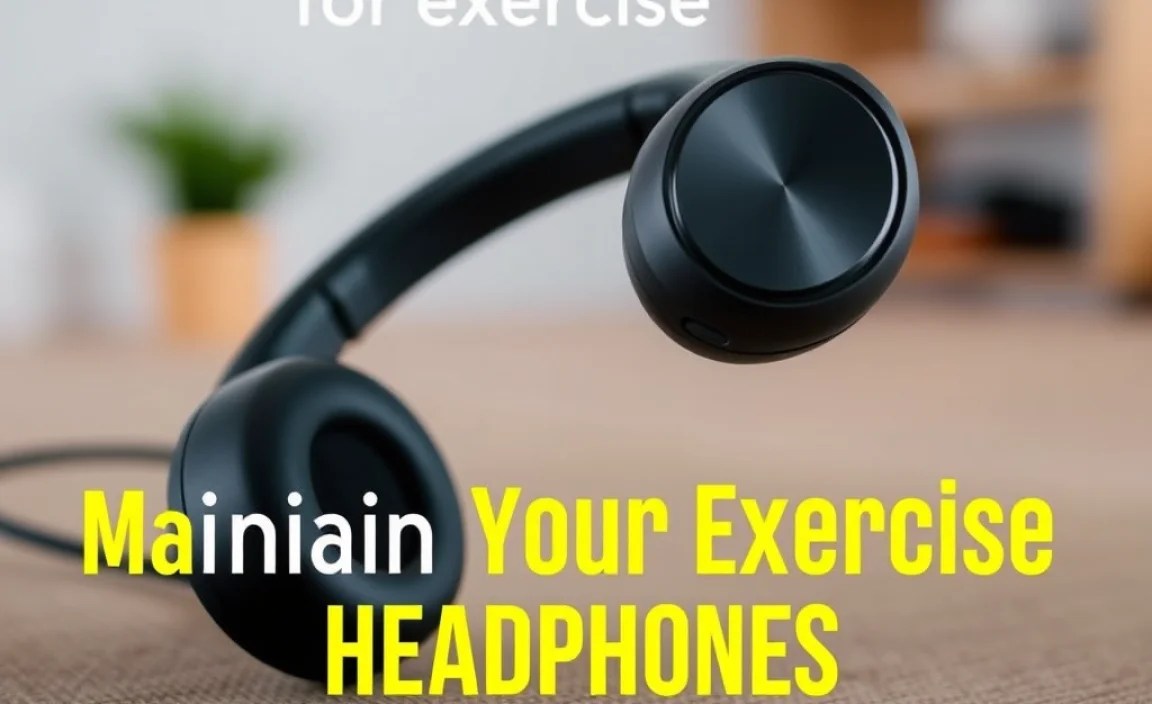
To keep your workout companions in top shape and extend their lifespan, regular maintenance is key. Sweaty, humid environments can take their toll.
Cleaning Your Bluetooth Headphones
This is crucial for hygiene and performance.
- Eartips/Ear Gels: Remove them from the earbuds. Wash them gently with mild soap and water. Rinse thoroughly and let them air dry completely before reattaching. Never use harsh chemicals or abrasive cleaners.
- Earbud Surfaces: Use a slightly damp, lint-free cloth to wipe down the earbuds. For stubborn grime, you can use a cotton swab dampened with a small amount of rubbing alcohol, but be very careful not to let any liquid seep into the speaker grilles or charging ports.
- Charging Case: Wipe the inside and outside of the case with a dry, lint-free cloth. You can use a dry cotton swab to gently clean the charging contacts inside the case if they look dirty.
- Speaker Grilles: Be extremely gentle here. A dry, soft brush (like a clean toothbrush) can help dislodge any build-up. Avoid poking anything sharp into the grilles.
Storage and Charging Best Practices
- Use the Charging Case: This protects your earbuds from damage and dust when not in use.
- Dry Before Charging: Ensure your earbuds and the charging case are dry, especially after a sweaty workout, before placing them in the case to charge. Moisture can damage the charging contacts.
- Avoid Extreme Temperatures: Don’t leave your headphones in a hot car or exposed to direct sunlight for extended periods, as heat can degrade battery life and damage components.
- Keep Away from Water (unless rated): While many exercise headphones have high IP ratings, it’s always best to err on the side of caution. If they’re not explicitly designed for swimming, avoid submerging them.
FAQ: Your Exercise Headphone Questions Answered
Here are some common questions beginners have about choosing and using Bluetooth headphones for exercise.
Q1: Are true wireless earbuds good for running?
Yes, many true wireless earbuds are excellent for running! Look for models with secure-fitting ear hooks, wingtips, or multiple eartip sizes. Brands like Jabra and Beats are renowned for their secure fit during high-impact activities.
Q2: What does an IPX4 rating mean for headphones?
An IPX4 rating means the headphones are protected against splashes of water from any direction. This makes them suitable for workouts where you’ll be sweating a lot, or for light rain. They are not waterproof, however.
Q3: How important is noise cancellation for outdoor exercise?
For outdoor exercise, especially running or cycling on roads, situational awareness is critical for safety. Therefore, noise cancellation is generally not recommended. Open-ear headphones like Shokz are a much safer choice as they allow you to hear your surroundings.
Q4: My earbuds keep falling out during my workout. What can I do?
First, try different sizes of ear tips or eartips provided with your headphones. Ensure you’ve got a good seal. If your headphones have ear hooks or wingtips, experiment with their placement. Sometimes, a different brand or style (like neckband or bone conduction) might be a better fit for your ear shape and activity level.
Q5: Can I swim with my exercise headphones?
Only if your headphones have a high waterproof rating, typically IPX7 or higher, and are specifically advertised as swim-proof. Most ‘sweat-proof’ headphones are not designed for submersion in pool water, which can contain chemicals and be more damaging than pure water.
Q6: How do I connect my Bluetooth headphones to my phone for the first time?
Usually, you first need to put your headphones into pairing mode (check your manual for instructions, often involves holding a button). Then, go to your phone’s Bluetooth settings, find your headphones in the list of available devices, and tap to connect. Your phone will store this connection for future use.
Conclusion: Elevate Your Workouts with Effortless Audio
Choosing the best Bluetooth headphones for exercise doesn’t have to be complicated. By focusing on a secure fit, sweat resistance, long battery life, and comfort, you can find a pair that truly enhances your fitness routine. Whether you opt for the ultimate freedom of true wireless earbuds, the reliability of neckbands, or the safety of bone conduction technology, there’s a perfect audio solution out there for you. Remember to consider your specific activities and personal preferences, and don’t underestimate the importance of proper fit and maintenance. With the right headphones, every workout becomes a more enjoyable and motivating experience, allowing you to focus on achieving your fitness goals, powered by your favorite tunes. Happy sweating and happy listening!
