
Quick Summary: Discover top Bluetooth headphones with effective noise canceling to enhance focus, travel, and daily listening. This guide simplifies features and helps you find the perfect pair for peace and immersive sound without distractions.
Best Bluetooth Headphones Noise Canceling: Your Essential Guide
Hey there, audio adventurers! Edward Cavitt here from headphonehorizon. Ever dream of escaping the everyday buzz – the chatty office, the rumbling train, or even just the hum of your fridge? Imagine transforming that noise into a tranquil haven for your music, podcasts, or precious silence. That’s where the magic of Active Noise Canceling (ANC) Bluetooth headphones comes in! They’re like a personal mute button for the world, letting you dive deep into your sound. But with so many options out there, picking the right pair can feel a bit overwhelming. Don’t worry, I’m here to break it all down, making it super simple so you can confidently find headphones that deliver peace, clarity, and pure listening joy.
Why Noise Canceling Bluetooth Headphones Are a Game-Changer
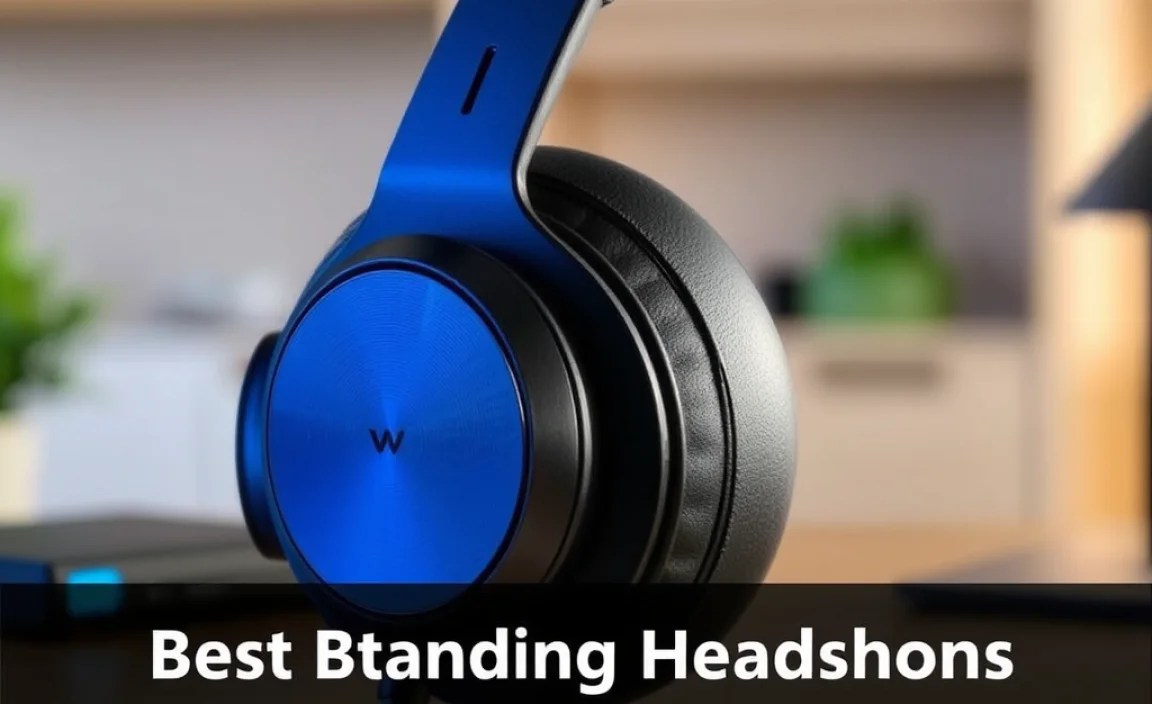
Let’s be honest, the world is loud. Whether you’re trying to concentrate on an important task, enjoy your commute without the drone of the engine, or simply want to immerse yourself in your favorite playlist, external noise can be a major buzzkill. This is where active noise-canceling (ANC) technology shines. It actively combats ambient noise, creating a quieter listening environment for you.
Bluetooth connectivity adds a layer of freedom, untethering you from your devices. Imagine moving around your home or office, free from tangled wires, all while cocooned in your own audio bubble. This combination of wireless convenience and noise-canceling prowess makes these headphones an essential tool for students, travelers, remote workers, and anyone who values peace and high-quality sound.
Understanding Active Noise Canceling (ANC) Technology

So, how does this magical noise-canceling actually work? It’s actually quite clever science! ANC headphones use tiny microphones on the outside to listen to the ambient sounds around you. Then, an internal processor creates an “anti-noise” sound wave that’s the exact opposite of the incoming noise. When these two waves meet, they cancel each other out, leaving you with a much quieter space.
It doesn’t eliminate every single sound (very sudden or loud noises might still peek through), but it’s incredibly effective at reducing consistent, low-frequency noises like airplane engines, traffic hum, or air conditioning units. For a deeper dive into the science, you can explore resources from organizations like the National Telecommunications and Information Administration (NTIA), which touches upon acoustic principles relevant to sound technology.
Key Features to Look For in the Best Bluetooth Headphones Noise Canceling

When you’re on the hunt for the best Bluetooth headphones with noise canceling, a few key features will make a big difference. Let’s break them down:
1. Quality of Noise Canceling
This is the star of the show! Look for headphones that are well-regarded for their ANC performance. Some headphones offer adjustable ANC levels, allowing you to fine-tune how much noise you want to block out. This is great for different environments. For example, you might want full ANC on a plane but a lower setting when walking in a city to stay aware of traffic.
2. Sound Quality
Noise canceling is fantastic, but it wouldn’t be much without great audio. Listen for headphones that offer a balanced sound profile – clear highs, well-defined mids, and a punchy, but not overpowering, bass. Many reputable brands invest heavily in driver technology and sound tuning to deliver an exceptional listening experience.
3. Comfort and Fit
You’ll likely be wearing these for extended periods, so comfort is paramount. Consider the materials used for the earcups (plush memory foam is a favorite), the clamping force, and the overall weight of the headphones. Over-ear designs often provide the best comfort for long listening sessions, with well-padded earcups that gently surround your ears.
4. Battery Life
Nothing kills a listening session faster than a dead battery. Check the advertised battery life, both with ANC on and off. Many models offer 20-30 hours or more with ANC enabled, which is usually more than enough for a full day of use or several long flights. Quick charging features can also be a lifesaver!
5. Bluetooth Version and Codecs
A newer Bluetooth version (like 5.0 or higher) generally means a more stable connection and better power efficiency. Codecs (like aptX or LDAC) are like languages that your headphones and device use to communicate audio. Higher-quality codecs can deliver audio that’s closer to a wired connection, especially if your device also supports them. For most users, standard SBC or AAC codecs are perfectly fine, but audiophiles might seek out extended codec support.
6. Controls and Features
Think about how you’ll use them. Do you need easy-to-access physical buttons or touch controls for playback, calls, and ANC adjustments? Many headphones also feature transparency modes (sometimes called ambient sound modes), which let you hear your surroundings without taking off your headphones – super handy for announcements or quick conversations. Voice assistant integration is another popular feature.
7. Microphone Quality
If you plan on taking a lot of calls, pay attention to microphone quality. Some ANC headphones do a better job than others at isolating your voice from background noise for clear calls.
Top Picks for the Best Bluetooth Headphones Noise Canceling

While the “best” is always subjective and depends on your budget and specific needs, here are some consistently excellent performers that frequently appear on “best of” lists for their noise-canceling prowess and overall features. Think of these as great starting points:
| Model Example | Key Strengths | Great For |
|---|---|---|
| Sony WH-1000XM5 | Industry-leading ANC, superb sound quality, comfortable design, excellent call quality. | Frequent flyers, commuters, office workers needing maximum quiet and audio fidelity. |
| Bose QuietComfort Ultra Headphones | Renowned ANC, immersive sound, superior comfort, intuitive controls. | Long-haul travelers, audiophiles prioritizing comfort and noise reduction. |
| Sennheiser Momentum 4 Wireless | Balanced ANC, detailed and engaging sound, exceptional battery life, comfortable fit. | Music lovers who value sound detail, extended listening sessions, and robust battery. |
| Apple AirPods Max | Exceptional ANC and transparency mode, rich and detailed audio, premium build. (Best for Apple ecosystem users). | Apple users seeking seamless integration, premium feel, and top-tier ANC. |
| Anker Soundcore Space Q45 | Excellent value for money, strong ANC performance, good battery life, LDAC support. | Budget-conscious buyers seeking effective ANC and good audio without breaking the bank. |
Note: Models and specific features can change. Always check the latest reviews and specifications before purchasing.
How to Choose the Right Pair for YOU
Finding the “best” is a personal journey. Here’s a simple way to approach it:
Step 1: Define Your Primary Use Case
Where will you use them most?
- Travel: Prioritize top-tier ANC, comfort for long periods, and robust battery life.
- Commuting: Look for effective ANC to drown out traffic and engine noise, plus good battery life for daily use.
- Office or Study: Strong ANC to block distractions, comfort for hours, and possibly a good microphone for calls.
- Everyday Listening: A good balance of ANC, sound quality, comfort, and perhaps portability.
Step 2: Set Your Budget
Noise-canceling Bluetooth headphones can range from under $100 to over $500. While premium models often offer the best ANC and features, there are excellent mid-range and budget options that provide fantastic value. Determine what you’re comfortable spending.
Step 3: Read Reviews, Especially About ANC
Look at reviews from reputable tech sites and user feedback. Pay close attention to how reviewers describe the noise-canceling effectiveness in different scenarios (e.g., “great for airplane engines,” “struggles with voices”). Since ANC performance can be subjective and vary by environment, diverse opinions are helpful.
Step 4: Consider Comfort and Fit
If possible, try headphones on before buying, or look for retailers with good return policies. Over-ear headphones are generally more comfortable for long sessions than on-ear or in-ear models. Check for adjustable headbands and swiveling earcups.
Step 5: Check Connectivity Features
Ensure the Bluetooth version is recent and supports codecs (like AAC, aptX, or LDAC) that your device also uses, if you’re looking for the highest audio quality. Multi-point pairing (connecting to two devices at once) can be very convenient if you switch between a phone and a laptop frequently.
Caring for Your Noise-Canceling Bluetooth Headphones
Keeping your headphones in great shape will ensure they perform their best for years to come. Here are a few simple tips:
Regular Cleaning
- Earcups and Headband: Gently wipe them down with a slightly damp, soft cloth. For tougher grime, use a mild soap solution, but ensure the cloth is only damp, not wet. Never spray cleaner directly onto the headphones.
- Speaker Grilles: Use a dry, soft brush (like a clean toothbrush or a specialized cleaning brush) to carefully remove any dust or debris. Avoid poking anything sharp into the grilles.
- Charging Port: Use a can of compressed air to gently blow out any dust from the charging port.
Proper Storage
When not in use, store your headphones in their carrying case if one is provided. This protects them from dust, scratches, and accidental damage. Avoid extreme temperatures, as heat can damage batteries and plastic components.
Battery Management
- Avoid fully depleting the battery too often. Modern lithium-ion batteries perform best when kept between 20% and 80% charge for daily use.
- Don’t leave them plugged in constantly after they’ve reached 100% charge, although most devices have protection against overcharging.
- Store them with some charge (around 50%) if you won’t be using them for a long time.
Firmware Updates
Many modern headphones receive firmware updates through companion apps. These updates can improve ANC performance, fix bugs, and sometimes add new features. Keep your headphones updated as recommended by the manufacturer.
Troubleshooting Common Issues
Even the best headphones can sometimes have a hiccup. Here are a few common issues and how to solve them:
- Bluetooth Connection Problems:
- Ensure Bluetooth is enabled on your device.
- Turn both your headphones and your device’s Bluetooth off and on again.
- Reset your headphones (check your manual for specific instructions – often involves holding down a button for a set time).
- Forget the headphones in your device’s Bluetooth settings and re-pair them.
- Noise Canceling Not Working Well:
- Make sure the ANC feature is actually turned on (sometimes there’s a dedicated button or option in an app).
- Check for any obstructions or damage to the external microphones.
- Try different ANC levels if your headphones support them.
- Reset the headphones to factory settings.
- Audio Cutting Out:
- Ensure your headphones are charged.
- Move closer to your Bluetooth device.
- Minimize interference from other wireless devices (like microwaves or some Wi-Fi routers).
- Update your device’s Bluetooth drivers or operating system.
- One Ear Cup Not Working:
- Try unplugging and replugging any detachable cables (if applicable).
- Gently clean the speaker grille in the non-working ear cup.
- Reset the headphones. If the issue persists, it might be a hardware problem requiring professional repair or replacement.
For more in-depth troubleshooting, consult your headphone’s user manual or the manufacturer’s support website. Many offer excellent online guides and customer service.
Frequently Asked Questions (FAQ)
Q1: Are Bluetooth headphones with noise canceling worth the extra cost?
For many people, absolutely! If you value peace and quiet, travel frequently, commute on noisy transport, or work in a distracting environment, the ability to create your own quiet space can be incredibly beneficial for focus and relaxation. The improvement in audio immersion is significant.
Q2: Can noise canceling headphones completely silence the world?
No, not completely. Active noise canceling is best at reducing consistent, low-frequency sounds like engine hums or air conditioners. Sudden, sharp noises (like a door slamming) or high-frequency sounds (like someone talking very close to you) will likely still be audible, though often muffled.
Q3: What’s the difference between noise canceling and noise isolation?
Noise isolation is passive; it’s achieved by physically blocking sound from entering your ears, like a good seal from earcups or earplugs. Noise canceling (ANC) is active; it uses microphones and processed sound waves to cancel out ambient noise. Many headphones use a combination of both for the best results.
Q4: Do I need a specific Bluetooth version or codec for good ANC?
No, the Bluetooth version and codecs primarily affect wireless audio quality and connection stability, not the noise-canceling performance itself. However, pairing high-quality ANC headphones with a device that supports advanced codecs (like aptX HD or LDAC) will give you the best overall audio experience when the noise canceling is active.
Q5: How long do noise-canceling Bluetooth headphones typically last?
With proper care, most good quality headphones can last anywhere from 3 to 7 years. The biggest limiting factor is often the battery, which naturally degrades over time. However, the overall build quality and electronic components are designed for longevity.
Q6: Are there comfortable noise-canceling earbuds too?
Yes! While over-ear headphones are often considered the champions of comfort and ANC performance, there are many excellent true wireless earbuds with effective active noise canceling. They are often more portable and discreet but might not offer the same level of ear comfort for extremely long sessions as well-padded over-ear cups.
Conclusion
Finding the best Bluetooth headphones with noise canceling is all about understanding your needs and what modern technology can offer. From silencing the drone of an airplane engine to helping you focus in a busy café, these headphones are more than just a gadget; they are a key to a more peaceful and immersive audio experience. By considering factors like ANC effectiveness, sound quality, comfort, battery life, and your specific use case, you’re well on your way to selecting a pair that will truly transform your listening world. Happy listening, and enjoy your personal sanctuary of sound!
