
Quick Summary: Discover the ideal Bluetooth headphones for truckers, focusing on durability, comfort, clear audio for calls, and long battery life. This guide breaks down essential features to ensure you stay connected and entertained safely on long hauls, helping to make informed purchase decisions for your on-the-road needs.
Best Bluetooth Headphones for Truckers: Essential!
Hey there, fellow travelers and road warriors! Edward Cavitt here, your guide to all things audio at Headphone Horizon. I know what it’s like out on the open road. Hours turn into days, and staying connected, entertained, and safe is paramount. That’s where a great pair of Bluetooth headphones becomes less of a luxury and more of an essential tool. You need something that can handle the rumble of the road, keep up with your long shifts, and ensure those important calls come through crystal clear. Forget those tinny earbuds or bulky, uncomfortable sets. We’re diving deep into what makes a pair of headphones truly “best” for truckers. Let’s find you that perfect audio companion for your journeys!
Why Truckers Need Specialized Bluetooth Headphones

Being a trucker is a unique profession, and your gear needs to keep up. The constant vibration, potential for bumps and drops, and long hours spent in the cab demand headphones built for the job. Unlike casual listeners, truckers face specific challenges:
- Noise: Truck engines, road noise, and wind can be incredibly loud. Headphones need to overcome this for both listening and calls.
- Safety: In-cab hands-free communication is crucial and often legally mandated. Clear audio ensures you can hear dispatch and communicate without distraction.
- Comfort: Wearing headphones for 8-12+ hours requires ergonomic designs that don’t cause fatigue or pain.
- Durability: The mobile environment can be tough on electronics. Headphones need to withstand daily wear and tear.
- Battery Life: Long hauls mean you can’t always plug in to recharge. Extended battery life is non-negotiable.
These aren’t just headphones; they’re an extension of your mobile office and your connection to the world. Investing in the right pair can significantly improve your quality of life on the road.
Key Features to Look For in Trucker Headphones
When you’re sifting through the endless options, keep these trucker-specific features at the forefront of your mind:
1. Superior Noise Cancellation & Isolation
This is arguably the most critical feature. You need headphones that can actively combat the low-frequency hum of the engine and the rush of wind. Active Noise Cancellation (ANC) uses microphones to detect ambient noise and produce an opposing sound wave, effectively silencing it. Passive noise isolation comes from a good physical seal – over-ear cups usually provide much better isolation than earbuds.
2. Crystal-Clear Microphone Quality
You’ll be on the phone a lot – with dispatch, family, or friends. A high-quality microphone with noise reduction is essential so the person on the other end can actually hear you over the engine noise. Features like voice isolation or dual-microphone systems can make calls significantly clearer.
3. All-Day Comfort and Ergonomics
Long hours in the driver’s seat demand comfort. Look for:
- Padded Earcups: Soft, breathable materials like memory foam are key.
- Adjustable Headband: A secure yet gentle fit that doesn’t pinch.
- Lightweight Design: Heavy headphones can cause neck strain over time.
- Over-Ear vs. On-Ear vs. In-Ear: Over-ear headphones generally offer superior comfort and noise isolation for extended wear.
4. Robust Durability and Build Quality
Truck cabs can be less than pristine. Your headphones should feel solid. Look for sturdy plastics, reinforced hinges, and a design that can handle being tossed into a bag or left on the passenger seat. Many professional-grade headsets use materials designed for commercial use.
5. Extended Battery Life and Quick Charging
You can’t afford for your headphones to die mid-call or mid-song. Aim for headphones advertising at least 20-30 hours of battery life on a single charge. Fast-charging capabilities are also a lifesaver, giving you several hours of playback from just a few minutes of charging.
6. Reliable Bluetooth Connectivity
A stable Bluetooth connection is crucial. Look for Bluetooth 5.0 or higher, which offers better range, faster pairing, and more stable connections. Multipoint pairing is also a huge plus, allowing you to connect to two devices simultaneously (e.g., your phone and your tablet). This is incredibly handy for managing calls and entertainment.
7. Intuitive Controls
You need to be able to answer calls, adjust volume, and skip tracks without fumbling. Large, easily accessible buttons or touch controls are a must, especially when you’re focused on the road.
Top Bluetooth Headphone Categories for Truckers

Not all Bluetooth headphones are created equal for life on the road. Here are the main types and what makes them suitable:
Over-Ear Bluetooth Headphones with ANC
These are often the gold standard for comfort, sound quality, and noise cancellation. The earcups fully enclose your ears, providing a natural seal against noise, and ANC further enhances this. They tend to have the best battery life and microphone performance.
Pros: Excellent ANC, superior comfort for long wear, premium sound quality, often best battery life.
Cons: Can be bulky, may get warm during long periods of wear.
On-Ear Bluetooth Headphones
These sit directly on your ears. They are generally smaller and lighter than over-ear models but might not offer as much passive noise isolation or comfort for very long durations.
Pros: More compact than over-ear, can feel lighter.
Cons: Less effective noise isolation, can cause ear pressure over time, mic quality can be more variable.
Bluetooth Headsets (Often with Boom Mics)
Designed specifically for communication, these often feature a prominent boom microphone. This allows for better voice pickup and isolation of your voice from background noise. Many are built with ruggedness in mind.
Pros: Excellent microphone clarity, often very durable, designed for call quality.
Cons: Can sometimes look less “stylish” than regular headphones, sound quality for music might be secondary to call quality.
True Wireless Earbuds (with Caveats)
While convenient for workouts, standard true wireless earbuds are generally not ideal for truckers due to poor noise isolation, limited battery life per bud (requiring frequent re-pairing or relying on a charging case), and often less robust microphone performance in noisy environments. However, some higher-end earbuds offer decent ANC and improved mics, and true wireless headsets designed for professional use exist, but they are rare.
Pros: Extremely portable, wire-free.
Cons: Generally poor noise isolation, limited battery life per bud, less reliable comms in noisy environments, easy to lose.
For most truckers, over-ear Bluetooth headphones with excellent ANC or a high-quality Bluetooth headset will offer the best overall balance of features and performance.
Essential Features Explained in Detail
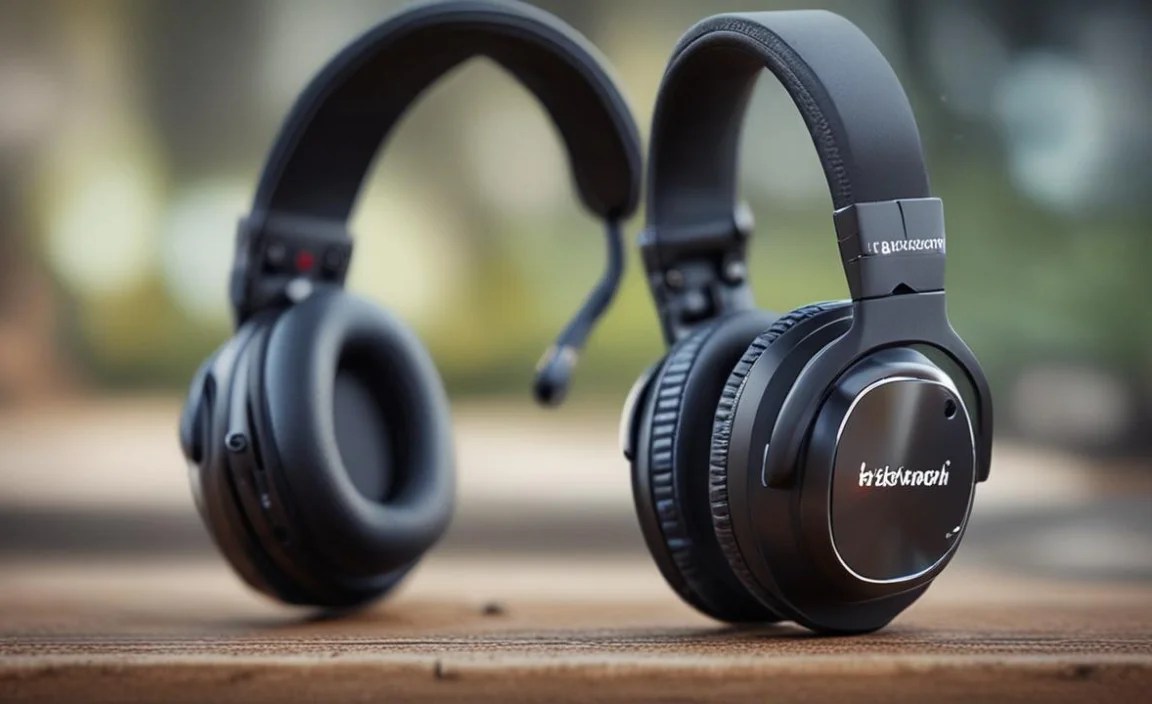
Let’s break down these features with a bit more depth, so you know exactly what you’re looking for:
Noise Cancellation Technology
There are two main types of noise reduction:
- Active Noise Cancellation (ANC): This is the technological wizardry that actively cancels out background noise. It’s especially effective against constant, low-frequency sounds like engine drone. When looking at ANC, consider how effective it is. Top-tier ANC can make a significant difference in reducing fatigue on long drives.
- Passive Noise Isolation: This is purely physical. How well do the earcups or earbuds seal around/in your ear? A good seal blocks out higher-frequency noises like road rumble and wind. Over-ear headphones with plush, conforming earcups will offer the best passive isolation.
Microphone Performance
A clear microphone isn’t just for convenience; it’s about effective communication. Look for:
- Noise Suppression/Reduction: This technology helps filter out background noise so your voice can be heard.
- Voice Pickup Technology: Some mics are designed to focus specifically on your voice, ignoring other sounds.
- Boom Mics: These extend closer to your mouth, providing better voice isolation. While sometimes seen as old-fashioned, they are highly effective for clear calls in noisy environments.
Connectivity Standards
Bluetooth Version: Aim for Bluetooth 5.0 or higher. This offers:
- Improved Range: Less chance of signal drop-off.
- Faster Pairing: Quicker to connect when you turn them on.
- More Stable Connection: Reduced skips and dropouts.
- Lower Power Consumption: Helps with battery life.
Multipoint Pairing: This allows the headphones to be connected to two devices at once. Imagine listening to music from your tablet and then seamlessly taking a call from your phone without having to disconnect and reconnect. This is a massive productivity booster for truckers.
Battery Life & Charging
This is where many standard headphones fall short for professional use. Truckers need long-lasting power:
- Total Playback Time: Look for specifications of 25-40 hours or more on a single charge. This ensures you can go days between full recharges.
- Talk Time: If you use them for calls predominantly, check the talk time specifically, which can sometimes differ from playback time.
- Quick Charge: A feature that provides several hours of use from just 10-15 minutes of charging can be a lifesaver.
- Charging Port: USB-C is the modern standard, offering faster charging and reversible connectors.
Durability and Materials
Think about the conditions in a truck cab. Your headphones should withstand:
- Accidental Drops: Reinforced construction can prevent damage.
- Temperature Fluctuations: Materials shouldn’t degrade easily.
- Constant Wear: High-quality plastics and sturdy metal components (like in the headband) are a good sign.
- Sweat/Moisture: While full waterproofing isn’t usually a trucker requirement, some resistance to sweat or light moisture is beneficial.
Top Brands and Models for Truckers (Examples)

While specific model recommendations can change rapidly, certain brands and product lines consistently deliver for professional use. Here are some to consider, known for their durability, comfort, and call quality:
1. Jabra (Headsets & Earbuds)
Jabra is renowned for its professional-grade audio solutions, particularly in the headset market. Their focus on clear calls and robust build quality makes them a strong contender.
- Focus: Professional communication, call quality, noise cancellation.
- Good for: Truckers who prioritize clear calls above all else.
- Look for: Jabra Evolve series, Jabra Speak series (though speakerphones, their tech is relevant).
2. Plantronics / Poly (Headsets)
Formerly Plantronics, now Poly, this brand has a long history of producing reliable headsets for professional use. Their products are built for extended wear and tough environments.
- Focus: Comfort, call clarity, long battery life.
- Good for: Truckers who spend all day on calls.
- Look for: Voyager series (e.g., Voyager 5200, Voyager Focus UC).
3. Sennheiser (Over-Ear Headphones)
While known for audiophile-grade sound, Sennheiser also offers robust Bluetooth options with excellent ANC and comfort that can serve truckers well for both music and calls.
- Focus: Sound quality, comfort, ANC performance.
- Good for: Truckers who enjoy music and need great call quality.
- Look for: Sennheiser PXC 550-II, Momentum Wireless series.
4. Bose (Over-Ear Headphones)
Bose is a leader in Active Noise Cancellation. Their QuietComfort series is legendary for its ability to create a quiet space, which is invaluable on the road. They also offer good comfort and decent mic performance.
- Focus: World-class ANC, comfort, premium feel.
- Good for: Truckers seeking the ultimate quiet on their commute.
- Look for: Bose QuietComfort 45, Bose Noise Cancelling Headphones 700.
5. Sony (Over-Ear Headphones)
Sony consistently delivers competitive ANC, excellent features, and great sound quality. Their WH-1000XM series is often at the top of “best of” lists for a reason.
- Focus: Leading ANC, great sound, smart features, good battery life.
- Good for: All-around performance for music, podcasts, and calls.
- Look for: Sony WH-1000XM4, WH-1000XM5.
Comparison Table: Top Contenders for Truckers
Here’s a simplified look at how some popular models stack up:
| Brand & Model | Type | ANC Level | Mic Quality | Battery Life (Approx.) | Comfort for Long Wear | Durability |
|---|---|---|---|---|---|---|
| Jabra Evolve 75 | Over-Ear Headset | Good | Excellent (Noise-cancelling mic) | 15 hrs talk / 30 hrs music | Very Good | Good (Professional grade) |
| Poly Voyager 5200 UC | Over-Ear Headset | N/A (Focus on Mic Isolation) | Excellent (Wind canceling) | 7 hrs talk | Very Good | Excellent (Commercial grade) |
| Bose QuietComfort 45 | Over-Ear Headphones | Excellent (Industry-leading) | Good | 24 hours | Excellent | Good |
| Sony WH-1000XM5 | Over-Ear Headphones | Excellent | Good (Improved AI calls) | 30 hours | Excellent | Good |
Note: Battery life and features can vary by specific version and usage. Always check current specifications.
Step-by-Step Guide: Setting Up and Using Your Headphones

Once you’ve picked out your perfect pair, here’s how to get them working optimally for your trucking life:
Step 1: Unboxing and Initial Charge
When your new headphones arrive, give them a full charge before the first use. This ensures you get the maximum out of the battery from the start and helps calibrate the battery indicator.
- Locate the charging cable (usually USB-C).
- Connect it to the headphones and a power source (wall adapter, truck’s USB port, or a power bank).
- Allow them to charge until the indicator light shows full (consult your manual).
Step 2: Pairing with Your Devices
This is how your headphones and phone (or other audio source) talk to each other. The process is usually straightforward:
- Turn on Bluetooth: On your phone or device, go to Settings > Bluetooth and make sure it’s enabled.
- Put Headphones in Pairing Mode: This often involves pressing and holding a specific button (usually the power or Bluetooth button) until an indicator light flashes or an audio cue tells you it’s in pairing mode. Consult your headphone’s manual for exact instructions.
- Select Headphones: On your phone’s Bluetooth menu, your headphones should appear in the list of available devices. Tap on them to connect.
- Confirm Pairing: You might hear a chime or voice prompt confirming the connection.
- Multipoint Pairing (if applicable): If your headphones support connecting to two devices, repeat the pairing process for your second device (e.g., a tablet). They should automatically switch between devices or allow manual switching.
Step 3: Configuring Settings and Comfort
Take a few minutes to tailor the headphones to your preferences. If your headphones have an accompanying app, download it.
- App Customization: Many modern headphones have apps that allow you to customize EQ settings (bass, treble), ANC levels, button assignments, and even microphone sensitivity.
