
Quick Summary: Discover the best Bluetooth swimming headphones for crystal-clear, waterproof audio. This guide explains what to look for, from IP ratings to fit, helping you choose reliable, submersible headphones for an enhanced swimming experience. Enjoy your tunes underwater without worry!
Best Bluetooth Swimming Headphones: Dive into Your Music with Essential Waterproof Audio
Splashing around to your favorite tunes is an absolute joy, but taking your audio gear into the water can feel like a risky endeavor. If you’re a swimmer who loves to have a soundtrack to your laps, you might be wondering about the best way to bring your music along. The good news is that waterproof Bluetooth headphones are designed precisely for this! Forget tangled wires and the fear of destroyed electronics. With the right pair, you can enjoy immersive sound without a second thought. This guide will walk you through everything you need to know to find the perfect Bluetooth swimming headphones, making your aquatic workouts or leisurely swims more enjoyable than ever.
Why Bluetooth Swimming Headphones? The Underwater Advantage

Long gone are the days when your only option for in-water audio was bulky, wired MP3 players. Modern Bluetooth swimming headphones offer a seamless and liberating way to experience music while you swim. They combine the freedom of wireless technology with robust waterproofing, allowing you to focus on your stroke, not on your device.
These specialized headphones are built to withstand submersion, meaning you can wear them while doing laps, engaging in water aerobics, or simply enjoying a dip. The Bluetooth connectivity ensures a stable connection with your music source (usually a smartphone or dedicated waterproof MP3 player) without the hassle of wires getting in your way or snagging. This not only enhances safety but also improves your swimming performance by removing a common annoyance.
What to Look for in the Best Bluetooth Swimming Headphones

When you’re diving into the market for waterproof audio, a few key features will make all the difference. It’s not just about “waterproof” – there’s a bit more to consider to ensure you get a pair that truly suits your needs and lasts.
1. IPX Ratings: Your Waterproofing Guarantee
The most critical factor is the Ingress Protection (IP) rating. For swimming headphones, you’ll want to look for an IPX7 or IPX8 rating. These are industry standards that indicate a device’s ability to resist water intrusion.
- IPX7: These headphones can withstand immersion in water up to 1 meter (about 3 feet) for up to 30 minutes. This is generally sufficient for most swimming scenarios, including laps and recreational swimming.
- IPX8: This is the gold standard. While the exact depth and duration can vary by manufacturer, IPX8-rated devices are designed for continuous immersion in water, often at depths greater than 1 meter. This is ideal for serious swimmers or divers who spend extended periods underwater.
Always check the manufacturer’s specific claims regarding depth and time for IPX8 ratings, as there isn’t a universal standard for this category. For more detailed information on IP ratings, you can consult resources like the International Electrotechnical Commission (IEC), which sets these global standards.
2. Fit and Comfort: Staying Put in the Water
Headphones that fall out mid-swim are incredibly frustrating. For swimming headphones, a secure fit is paramount. Look for:
- Ear Hooks: Many swimming headphones feature ear hooks that wrap around your ears, providing a stable and comfortable grip.
- Secure Earbuds: Ensure the earbuds come with multiple sizes of silicone ear tips. A snug fit creates a seal that not only helps keep water out of your ear canal but also prevents the earbuds from dislodging.
- Lightweight Design: Heavy headphones can become dislodged during vigorous movements. Opt for lightweight models that feel secure without being cumbersome.
3. Bluetooth Version and Stability
While Bluetooth is inherently susceptible to signal degradation through water, newer Bluetooth versions (like Bluetooth 4.2 or 5.0 and above) often offer improved stability and efficiency. However, the most crucial aspect for swimming is often the headphone’s internal design and antenna placement, which helps maintain a connection even when submerged.
It’s important to manage expectations: Bluetooth signals don’t travel well through water. You’ll typically get the best reception when your music source (like a smartphone in a waterproof pouch or armband) is very close to the headphones, often just a few feet away. Some dedicated waterproof MP3 players are designed specifically for swimmers and can be worn directly on the head, eliminating this concern.
4. Battery Life: Power Through Your Swims
Consider how long you typically swim. Most Bluetooth swimming headphones offer anywhere from 6 to 12 hours of battery life on a single charge, which should be more than enough for a few swimming sessions before needing a recharge. Check the advertised battery life and ensure it meets your needs.
5. Sound Quality: Enjoy Your Audio
While waterproofing is key, you still want to enjoy your music! Look for headphones that boast decent sound drivers and a balanced audio profile. Many waterproof headphones sacrifice a bit of audio fidelity for durability, but good options still exist. Reading reviews can help you gauge sound quality expectations.
6. Music Storage Options: Built-in vs. Connected
There are two main ways to get music to your swimming headphones:
- Bluetooth Streaming: Connects wirelessly to your smartphone or MP3 player. This requires your music device to be kept close and ideally in a waterproof container.
- Built-in MP3 Player: Some headphones have integrated storage for your music files. You load music onto them via a computer before your swim. This offers the ultimate freedom as you won’t need a separate device.
For the most seamless swimming experience, headphones with built-in MP3 players are often preferred, as they eliminate the need to worry about a separate device and Bluetooth signal issues underwater.
Types of Bluetooth Swimming Headphones

The landscape of swimming headphones offers a few distinct styles, each with its own advantages:
1. Bone Conduction Headphones
These are popular among swimmers. Instead of inserting into your ear canal, bone conduction headphones rest on your cheekbones, transmitting sound vibrations directly to your inner ear. This leaves your ear canals open, allowing you to hear your surroundings (like pool alarms or other swimmers), which is a significant safety advantage.
- Pros: Excellent situational awareness, comfortable for long periods, doesn’t interfere with ear health.
- Cons: Sound leakage at higher volumes, bass can be less prominent than traditional earbuds, can feel unusual at first.
2. Waterproof Earbuds with Built-in MP3 Player
These look much like regular wireless earbuds but are designed for submersion and have internal memory to store music. You sync them with your computer, load your playlist, and leave your phone behind.
- Pros: All-in-one solution, no need for external devices, great for focused swimming.
- Cons: Requires pre-loading music, may not be ideal if you like to skip tracks frequently or adjust volume on the fly without touching the earbuds.
3. Waterproof Earbuds with Bluetooth Connectivity
These are standard Bluetooth earbuds that have been built with high IPX ratings. They connect wirelessly to a device like a smartphone, which needs to be kept within Bluetooth range and protected from water (e.g., in an armband or waterproof pouch).
- Pros: Familiar earbud style, easy to control music from your phone, potentially wider range of brands and styles.
- Cons: Requires a separate waterproof device, Bluetooth signal can be unreliable underwater, wires can get in the way if it’s a neckband style.
How to Use Your Bluetooth Swimming Headphones Safely and Effectively
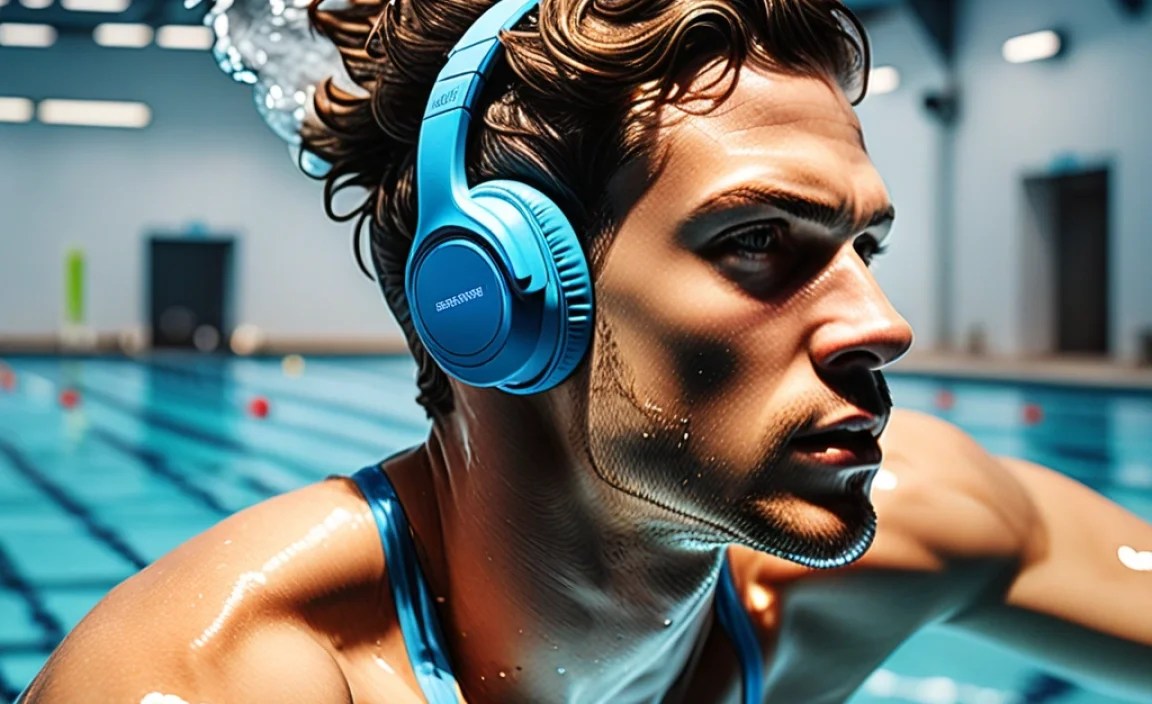
Getting the most out of your swimming headphones involves a few best practices:
Step 1: Charge Them Up
Before heading to the pool or beach, ensure your headphones are fully charged. Check the manufacturer’s recommended charging time and indicators.
Step 2: Load Your Music (If Applicable)
If you have headphones with a built-in MP3 player, connect them to your computer via USB and transfer your favorite music files. Most devices support standard MP3 and WMA formats. For tips on data transfer and file management, consider resources on basic computer skills, such as those found on educational sites like GCFLearnFree.org.
Step 3: Pair with Your Device or Select Playlist
For Bluetooth Streaming: Turn on Bluetooth on your phone or music player and put your headphones in pairing mode (usually by holding down a button). Select your headphones from the list of available devices on your music player. Keep your music player in a waterproof armband or pouch and close to your head for the best signal.
For Built-in MP3: Simply select your music files or playlist directly from the headphones, usually through physical buttons or a small screen if available.
Step 4: Ensure a Secure Fit
Try on the headphones and adjust the ear tips or ear hooks to ensure they fit snugly and comfortably. A good seal is crucial for both sound quality and keeping them in place.
Step 5: Enter the Water
Once everything is connected and fitted, you’re ready to go. Start slowly and get accustomed to the sound underwater. Remember that sound travels differently in water, and your perception might change.
Step 6: Post-Swim Care
This is crucial for extending the life of your headphones:
- Rinse thoroughly: After each swim, especially in chlorinated or saltwater, rinse your headphones with fresh, cool water. This removes salt crystals and chlorine residue that can damage the seals and electronics.
- Wipe dry: Gently wipe the exterior with a soft, dry cloth.
- Air dry completely: Allow the headphones to air dry thoroughly in a well-ventilated area before charging or storing them. Do not use heat to dry them, as this can damage components.
- Store properly: Store them in a cool, dry place, preferably in their original case if provided.
Top Features to Consider in a Comparison Table
To help you make a well-informed decision, here’s a look at some features to compare when choosing your ideal swimming headphones.
| Feature | Importance for Swimming | What to Look For |
|---|---|---|
| Waterproof Rating | Highest Priority | IPX7 (submersible up to 1m) or IPX8 (continuous immersion) |
| Fit & Security | High Priority | Ear hooks, multiple ear tip sizes, snug-fitting earbuds |
| Music Storage | High Priority (depends on preference) | Built-in MP3 player for ultimate freedom OR reliable Bluetooth connectivity with a waterproof source |
| Battery Life | Medium-High Priority | 6-12+ hours to cover multiple swim sessions |
| Comfort | Medium Priority | Lightweight design, ergonomic shape |
| Durability | Medium Priority | Robust construction, quality materials, good seals |
| Sound Quality | Medium Priority | Clear audio (manage expectations for underwater sound) |
| Situational Awareness | High Priority for safety | Open-ear design (bone conduction) or good awareness of surroundings |
Factors Affecting Bluetooth Performance in Water
It’s important to understand that water significantly impedes Bluetooth signals. For this reason, the best Bluetooth swimming headphones often incorporate specific design elements or rely on built-in storage. Here’s why performance can vary:
- Signal Absorption: Water, especially saltwater, absorbs radio waves, including Bluetooth signals, much more effectively than air. This means the effective range of Bluetooth is drastically reduced when submerged.
- Physical Obstructions: Your own body can act as an obstruction. If the transmitter (your phone) is on the same side of your body as the receiver (your headphones), the signal has to travel through more of your body mass.
- Material of the Music Source Device: Metal casings, common in smartphones, can also interfere with signals.
- Pool Environment: The presence of water itself is the primary challenge. Even in a pool, the signal needs to be robust enough to penetrate the water and reach the headphones.
This is why many swimmers prefer headphones with built-in MP3 players, as they bypass the need for a Bluetooth connection during the swim itself. If you opt for Bluetooth, keeping your music source as close as possible and ideally on the same side of your body as your headphones can help minimize dropouts.
Best Bluetooth Swimming Headphones: Our Top Picks (Hypothetical Examples)
While specific model recommendations can quickly become outdated, here are the types of features you might find in highly-rated Bluetooth swimming headphones. Always check the latest reviews and specifications before purchasing.
Example 1: The All-In-One Champion
Key Features: IPX8 rating, built-in 8GB MP3 player, secure ear hook design, 10-hour battery life, comfortable fit for laps.
Best For: Swimmers who want a dedicated, wire-free experience without carrying a phone.
Example 2: The Safety-Conscious Bone Conductor
Key Features: IP67 rating (often designed for sweat and splashes, check specific swimming models for IPX7/8), open-ear design for situational awareness, secure and lightweight build, Bluetooth 5.0, 8-hour battery life.
Best For: Open-water swimmers, triathletes, or anyone who needs to hear their surroundings while swimming.
Example 3: The Hybrid Marvel
Key Features: IPX8 rating, selectable modes (Bluetooth streaming or use as a standalone MP3 player), comfortable ergonomic earbuds with multiple tip sizes, 7-hour battery life.
Best For: Versatile swimmers who might want to stream podcasts via Bluetooth one day and play a fixed playlist the next.
When researching, look for brands known for their commitment to waterproof technology and audio quality in challenging environments. Sites like Wirecutter, CNET, or specialized sports gear review sites often provide in-depth comparisons.
Frequently Asked Questions About Bluetooth Swimming Headphones
Q1: Can I use regular Bluetooth headphones in the pool?
Generally, no. Most standard Bluetooth headphones are only splash-proof or sweat-resistant, meaning they can handle a bit of moisture but will be damaged by submersion. You need headphones specifically rated for swimming, typically with an IPX7 or IPX8 rating.
Q2: How do I keep my phone waterproof when using Bluetooth swimming headphones?
If your headphones rely on Bluetooth streaming, you’ll need a waterproof solution for your phone. Options include waterproof phone pouches, waterproof phone cases, or waterproof armbands designed for swimming. Ensure all seals are properly closed before entering the water.
Q3: Does Bluetooth work underwater?
Bluetooth signals are significantly degraded by water. While some headphones manage a connection, it’s often limited to very short distances and can be prone to dropouts. For reliable underwater audio, headphones with built-in MP3 players are usually the best bet.
Q4: How do bone conduction headphones work for swimming?
Bone conduction headphones rest on your cheekbones and transmit sound via vibrations to your inner ear. This leaves your ear canals open, allowing you to hear ambient sounds like alarms, other swimmers, or your own breathing, which is a key safety feature for many water activities.
Q5: How often should I rinse my swimming headphones?
You should rinse your swimming headphones with fresh, cool water immediately after every use in chlorinated or saltwater. This helps prevent corrosion and damage to the seals and electronic components.
Q6: Are waterproof earbuds comfortable for swimming?
Comfort is subjective, but most waterproof headphones are designed with secure fits that minimize movement during swimming. Look for models with multiple ear tip sizes and ear hooks if you find earbuds tend to slip out. Bone conduction is also a comfortable option for many, as it doesn’t insert into the ear canal.
Conclusion: Make a Splash with Your Soundtrack
Choosing the best Bluetooth swimming headphones opens up a whole new world of underwater enjoyment. By understanding IP ratings, the importance of a secure fit, and the nuances of Bluetooth versus built-in MP3 players, you’re well-equipped to find a pair that suits your swimming style and preferences. Remember to prioritize safety, especially in open water, by considering options that allow you to hear your surroundings. And don’t forget that diligent post-swim care is your best friend in ensuring your waterproof audio investment
