
Discover how bone conduction headphones can significantly improve hearing for those with mild to moderate hearing loss, especially conductive or sensorineural types.
This guide explains the technology, helps you choose the right model, and details how to use them effectively for clearer sound and better connection. Navigating the world of audio can feel a bit overwhelming, especially when hearing loss enters the picture. Traditional headphones often don’t solve the problem, and hearing aids can be expensive or have limitations.
But what if there was a different way to experience sound, one that bypasses the typical ear canal and works with your body’s natural vibrations? Enter bone conduction headphones. These innovative devices offer a unique solution, delivering clear audio directly to your inner ear through your cheekbones.
If you’re exploring options to enhance your hearing experience and connect with the sounds around you, this guide is for you. We’ll break down what makes them special and how to find the best bone conduction headphones for hearing impaired individuals.
Understanding Bone Conduction Technology
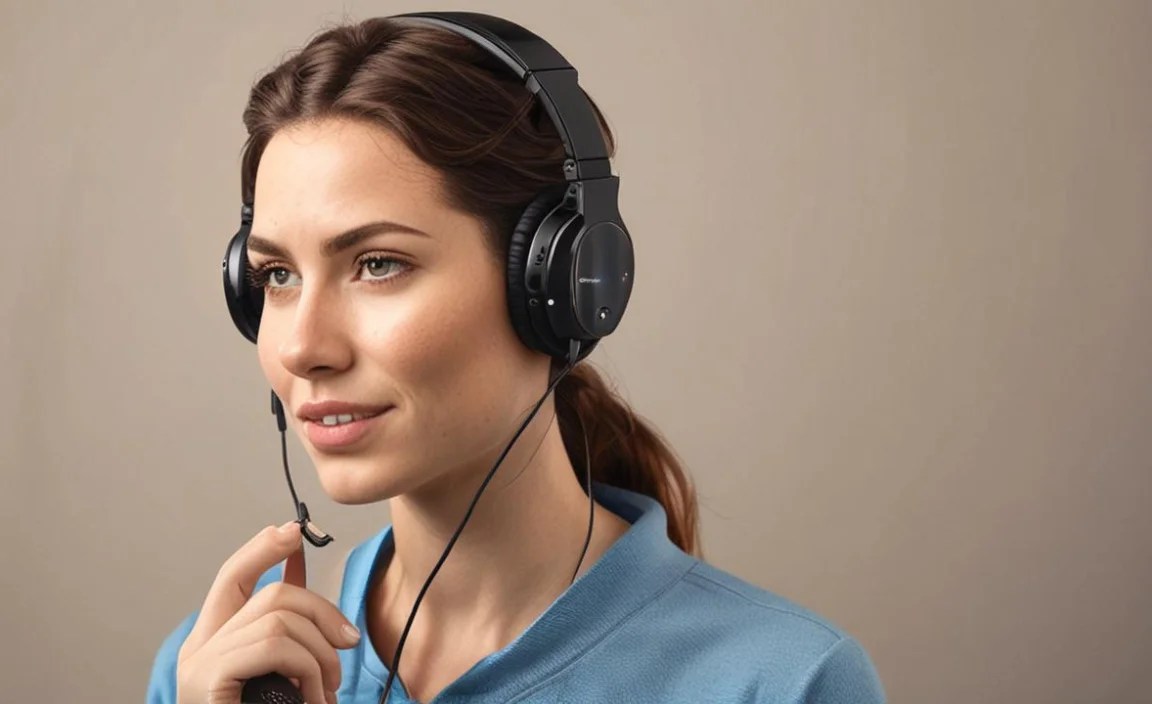
Before we dive into picking the perfect pair, let’s get a handle on how bone conduction headphones actually work. It’s pretty fascinating stuff! Unlike regular headphones that use speakers to send sound waves through the air into your ear canal, bone conduction headphones do something completely different.
They rest on your cheekbones, right in front of your ears, and transmit sound vibrations directly to your cochlea, which is part of your inner ear. Your brain then interprets these vibrations as sound. This process completely bypasses the eardrum and middle ear.
This unique mechanism is why they can be so effective for certain types of hearing loss. For individuals with conductive hearing loss, where there’s an issue in the outer or middle ear (like a perforated eardrum or fluid buildup), bone conduction can be a game-changer. The sound waves are delivered directly to the inner ear, bypassing the problematic middle ear.
It can also be beneficial for some people with sensorineural hearing loss, which affects the inner ear or the auditory nerve. By delivering sound through vibrations, the signal might still be perceived even when the hair cells in the cochlea are damaged.
It’s important to manage expectations, though. Bone conduction headphones aren’t a direct replacement for advanced hearing aids or cochlear implants for severe to profound hearing loss. However, for mild to moderate hearing loss, they can offer a significant and enjoyable improvement in sound clarity and volume perception.
The U.S. National Institute on Deafness and Other Communication Disorders (NIDCD) provides excellent information on different types of hearing loss and how sound is perceived, which helps illustrate why this technology is so promising (Source: NIDCD – Types of Hearing Loss).
Why Bone Conduction Headphones for Hearing Impaired?

The advantages of bone conduction headphones for individuals with hearing impairments are numerous and can profoundly impact daily life. The primary benefit is their ability to circumvent issues within the ear canal and middle ear, which are common sites of conductive hearing loss. For someone who struggles with traditional headphone speakers or earbuds that rely solely on air conduction, bone conduction offers a fresh pathway to audio.
- Bypasses External and Middle Ear Problems: As mentioned, conductive hearing loss, often caused by conditions like ear infections, otosclerosis, or abnormalities in the ear structure, can be significantly aided. Bone conduction delivers sound vibrations directly to the inner ear, bypassing these impediments.
- Preserves Situational Awareness: One of the biggest advantages of most bone conduction headphones is their open-ear design. They don’t block your ear canal, meaning you can still hear ambient sounds. This is crucial for safety, allowing you to hear traffic, conversations, alarms, or other important environmental cues while still enjoying your music, calls, or podcasts. For individuals with hearing loss, maintaining this awareness is vital for independence and safety.
- Comfort and Hygiene: Many users find bone conduction headphones more comfortable, especially for extended wear, as they don’t require insertion into the ear canal. This can be a benefit for those who experience discomfort with earbuds or have hygiene concerns related to earwax buildup.
- Potential for Increased Volume Perception: For some types of hearing loss, the vibrations transmitted through bone can be perceived more intensely or clearly than airborne sound. This can lead to a richer and more satisfying listening experience.
- Versatility: Beyond personal listening, they are useful for hands-free communication, podcasts, audiobooks, and even certain types of virtual reality without completely isolating the user.
Key Features to Look For in the Best Bone Conduction Headphones for Hearing Impaired

When shopping for the best bone conduction headphones for hearing impaired users, a few specific features can make a significant difference. It’s not just about the technology; it’s about how well that technology is implemented and what other features complement the listening experience.
1. Sound Quality and Volume Output
While bone conduction isn’t designed to replicate the rich bass response of high-end traditional headphones, clear mid-range and treble frequencies are paramount for speech intelligibility. Look for headphones that are noted for clarity in voice reproduction.
- Bass Radiators: Some higher-end models incorporate passive bass radiators. While they won’t produce deep subwoofers, they can enhance the perceived fullness of the sound without adding distortion.
- Adjustable EQ (Equalizer): The ability to adjust EQ settings can be very helpful. Some models offer presets or even a custom EQ through a companion app, allowing you to fine-tune frequencies to better suit your specific hearing needs.
- Volume Levels: Ensure the headphones can produce a sufficient volume for your comfort and auditory needs. Check reviews specifically mentioning volume output for those with hearing difficulties.
2. Comfort and Fit
Since these headphones rest on your cheekbones, a secure yet comfortable fit is essential. They should stay in place during movement without causing pressure points.
- Lightweight Design: The lighter, the better for long-term wear.
- Flexible Headband: A titanium or flexible band is common and helps distribute pressure evenly.
- Ear Clip or Wrap-around Style: Consider how they are designed to stay on your head. Some wrap around the back of your head, while others are more of a minimalist ear clip.
3. Connectivity and Battery Life
Reliable Bluetooth connectivity and good battery life are crucial for an uninterrupted listening experience.
- Bluetooth Version: Bluetooth 5.0 or higher offers better stability, range, and power efficiency.
- Multi-point Pairing: The ability to connect to two devices simultaneously (e.g., your phone and computer) is incredibly convenient.
- Battery Runtime: Aim for at least 6-8 hours of continuous playback.
4. Durability and Water Resistance
Many bone conduction headphones are designed for active lifestyles, so look for good build quality and water resistance.
- IP Rating: An IPX4 rating means they can withstand splashes, making them suitable for workouts or light rain. Higher ratings offer more protection.
- Robust Materials: Materials like titanium and high-quality plastics contribute to durability.
5. Microphone Quality for Calls
If you plan to use them for phone calls or video conferencing, a good microphone is important for clear communication.
- Noise-Cancelling Microphones: These can help reduce background noise, making your voice clearer to the person on the other end.
Top Bone Conduction Headphones for Hearing Impaired: A Comparative Look

While the market for bone conduction headphones is growing, a few brands consistently stand out for their performance, features, and suitability for users with hearing impairments. Here’s a look at some commonly recommended models that often receive praise for their clarity and functionality.
It’s crucial to remember that individual hearing loss is unique. What works brilliantly for one person might be less effective for another. Always consider trying them out if possible, or purchasing from retailers with good return policies.
| Model | Best For | Key Sound Features | Comfort & Design | Battery Life | Water Resistance |
|---|---|---|---|---|---|
| Shokz OpenRun Pro | Overall Best, Excellent Clarity | Premium Pitch™ Audio, dual noise-canceling microphones | Lightweight titanium frame, secure fit | 10 hours | IP55 |
| Shokz OpenMove | Budget-Friendly, Everyday Use | Standard signature sound, good for voice | Lightweight, flexible | 8 hours | IP55 |
| AfterShokz (now Shokz) Aeropex | All-Around Performer, Balanced Sound | Enhanced bass response, clear mids and highs | Ultra-lightweight, small profile | 8 hours | IP67 |
| Moosenet Bone Conduction Headphones | Affordable Option, Good for Casual Listening | Decent clarity for price, can be loud | Comfortable, standard wrap-around | 6-8 hours | IPX5 |
| Vidonn FF2 / FF3 | Value for Money, Decent Features | Clear audio, some vibration can be felt | Ergonomic design, secure fit | 8-12 hours | IPX5 |
Note on Brand Names: The brand “AfterShokz” has rebranded to “Shokz.” You might see references to both.
Shokz (formerly AfterShokz) OpenRun Pro
Often considered the gold standard, the Shokz OpenRun Pro offers an enhanced listening experience with their PremiumPitch™ 2.0+ Technology. This aims to deliver a wider, more dynamic sound range. For hearing impaired users, this translates to better clarity in speech and a more immersive experience for music and podcasts. They feature dual noise-canceling microphones, which are excellent for taking calls, ensuring your voice is heard clearly even in noisy environments. The IP55 rating means they can handle sweat and light rain, making them versatile for various activities. Their 10-hour battery life is also a significant plus.
Shokz OpenMove
If you’re looking for a more entry-level option that still delivers on the core bone conduction promise, the Shokz OpenMove is a fantastic choice. It provides good sound quality suitable for everyday listening, conversations, and audiobooks.
While it might not have the refined audio quality of the Pro models, it is still very effective for many individuals with mild to moderate hearing loss. The design is lightweight and comfortable for long periods, and its IP55 water resistance offers protection against sweat and splashes. With 8 hours of battery life, it’s a reliable companion.
AfterShokz (now Shokz) Aeropex
The Aeropex was a groundbreaking model and remains a strong contender. It’s known for its remarkably lightweight and compact design, which many find more comfortable for extended wear. The sound quality is well-balanced, with a noticeable improvement in bass perception compared to older models, while maintaining good clarity in vocals.
They boast an impressive IP67 water-resistance rating, making them suitable for intense workouts and even submersion for short periods (though not recommended for actual swimming). The 8-hour battery life is solid, and the secure fit is excellent.
Other Notable Mentions
Brands like Moosenet and Vidonn often offer more budget-friendly alternatives. While their sound reproduction might not match the top-tier Shokz models, they can still be a viable option for those with less severe hearing loss or on a tighter budget. These often provide decent audio clarity and acceptable battery life for their price point. It’s always worth checking recent reviews as these brands can change their product lines and quality relatively quickly.
How to Maximize Your Bone Conduction Headphones Experience
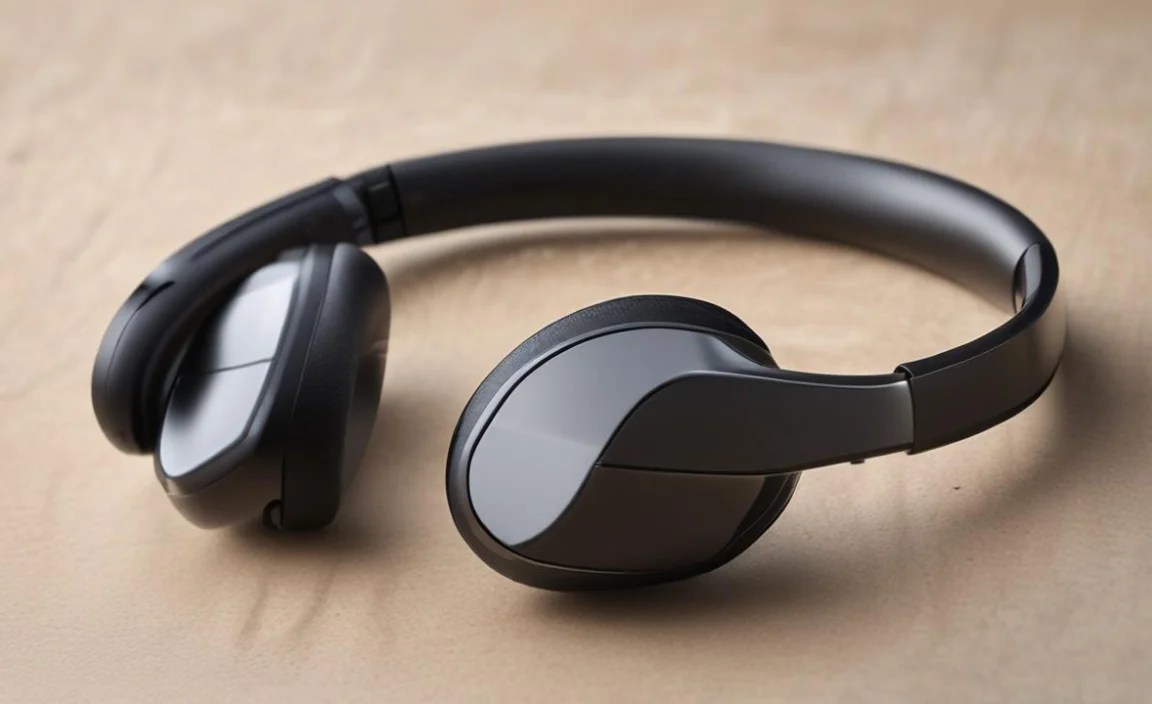
Getting the most out of your bone conduction headphones, especially when using them to aid hearing, involves more than just putting them on. A few strategic steps can make a big difference.
1. Proper Placement is Key
This is perhaps the most critical step. Bone conduction headphones need to be positioned correctly on your cheekbones, just in front of your ears. Experiment with the exact placement.
- Locate the “Sweet Spot”: Gently touch your cheekbone in front of your ear. You’ll feel a solid bone structure. This is where the transducers should rest.
- Adjust for Tightness: The headband should be snug enough so the transducers make good contact with your skin, but not so tight that it causes discomfort or pressure headaches. You should be able to feel a slight vibration when sound is playing.
- Test with Sound: Play some familiar audio at a moderate volume and assess clarity. You might need to slightly shift the position or adjust the tightness to find the optimal spot for your anatomy.
2. Optimizing Sound Settings
Leveraging built-in features can significantly enhance your listening.
- Adjust Volume: Start at a low volume and gradually increase it until it’s comfortable and clear. Avoid unnecessarily high volumes, which can still cause damage and can sometimes lead to distortion.
- Utilize EQ if Available: If your headphones come with an app that allows equalization, experiment with the settings. Boosting mid-range frequencies (around 1-4 kHz) can often improve speech intelligibility. Many hearing professionals use these frequencies to help compensate for common patterns of hearing loss.
- Consider Audio Source Quality: Higher quality audio files or streaming settings will naturally sound better.
3. Managing Ambient Noise
While the open-ear design is great for awareness, sometimes ambient noise can interfere with the clarity of the audio from your headphones.
- Reduce Background Noise: If you’re in a very noisy environment (like a busy cafe), find a slightly quieter spot if possible. Moving away from direct noise sources can help.
- Situational Awareness: Remember that you can still hear your surroundings. Use this to your advantage! If you hear a car horn or someone calling your name, you can easily tune in.
4. Using Them for Calls
For phone calls, the microphone’s position relative to your mouth is important, but the noise-canceling features and the direct sound transmission can still be very effective.
- Speak Naturally: Don’t feel the need to shout. Speak at your normal conversational volume.
- Minimize Wind Noise: If you’re outdoors, try to position yourself so wind isn’t directly hitting the microphone. The noise-canceling should help, but direct wind can still be an issue.
5. Maintenance and Care
To ensure longevity and consistent performance, proper care is essential.
- Cleaning: Gently wipe the transducers and the band with a soft, dry cloth after use, especially after workouts. If necessary, use a slightly damp cloth, but never submerge them unless they have a high IP rating and you are intentionally cleaning them with approved methods. Avoid harsh chemicals.
- Charging: Use the provided charging cable. Avoid overcharging, though most modern devices have protection against this.
- Storage: Store them in a cool, dry place, away from direct sunlight or extreme temperatures.
Who Can Benefit Most from Bone Conduction Headphones?
Bone conduction headphones are not a one-size-fits-all solution for hearing loss, but they excel in certain situations and for specific types of auditory impairment. Understanding these can help you decide if they’re the right choice for you.
Individuals with Conductive Hearing Loss
This is where bone conduction technology truly shines. Conductive hearing loss occurs when sound is
impeded in the outer ear canal or the middle ear, preventing sound waves from reaching the inner ear effectively. Examples include:
- Earwax buildup or blockages
- Perforated eardrums
- Middle ear infections (otitis media)
- Otosclerosis (stiffening of the ossicles in the middle ear)
- Damage to the outer or middle ear structure
Because bone conduction bypasses the eardrum and middle ear entirely, delivering sound vibrations directly to the cochlea, it can provide a significantly clearer listening experience for these conditions. The National Institute on Deafness and Other Communication Disorders (NIDCD) offers a detailed explanation of the auditory system, which can help illustrate these points NIDCD – How We Hear.
Those with Mild to Moderate Sensorineural Hearing Loss
Sensorineural hearing loss involves damage to the inner ear (the cochlea) or the auditory nerve. While bone conduction doesn’t “fix” damaged hair cells, the direct vibratory transmission can sometimes be perceived more effectively by the auditory nerve than air-conducted sound, especially for certain frequencies. It’s not a cure, and it won’t restore hearing to normal, but it can offer an improvement in the perception of sound for some individuals with this type of loss.
