
Discover the top Bose headphones perfect for air travel. This guide helps you find models offering superior noise cancellation, comfort, and sound quality, ensuring a peaceful and enjoyable flight. Make your next journey more relaxing with the ideal Bose companion.
Traveling by air can be an adventure, but the constant drone of engines, chatty passengers, and crying babies can quickly turn excitement into exhaustion. That’s where a great pair of noise-canceling headphones becomes your most valuable travel companion.
Bose has long been a leader in this arena, crafting headphones that not only sound fantastic but also create a serene personal oasis, especially at 30,000 feet. If you’re looking to elevate your in-flight experience, this guide will help you pinpoint the best Bose headphones for airplanes, ensuring your journeys are as comfortable and peaceful as possible.
Why Bose is a Top Choice for Airplane Travel

Bose headphones are practically synonymous with noise cancellation. Their Acoustic Noise Cancelling™ technology is renowned for its ability to effectively silence the low-frequency hum of airplane cabins.
This isn’t just about enjoyment; effective noise cancellation can also help reduce travel fatigue and improve your ability to rest or focus during long flights. Beyond their silencing prowess, Bose prioritizes comfort, using plush materials and ergonomic designs that feel great even after hours of wear.
When you’re choosing headphones for flying, consider these key features:
- Active Noise Cancellation (ANC): This is paramount. Look for headphones with robust ANC that can handle the constant, low-frequency drone of airplane engines.
- Comfort: Long flights mean hours of wear. Soft earcups, a well-padded headband, and a lightweight design are crucial.
- Battery Life: Ensure the headphones have enough battery to last your entire flight, including any potential delays.
- Sound Quality: While ANC is key, you still want headphones that deliver clear, balanced audio for music, podcasts, or movies.
- Portability: Compactness and a good carrying case make packing and protecting your headphones much easier.
- Connectivity: Bluetooth is convenient, but having a wired option (often with an adapter) is smart for in-flight entertainment systems that may not support Bluetooth.
The Best Bose Headphones for Airplanes: Our Top Picks

Bose offers several excellent options that cater to travelers. We’ve broken down the top contenders to help you make the best decision for your needs and budget.
1. Bose QuietComfort Ultra Headphones
The latest iteration in Bose’s legendary QuietComfort line, the Ultra headphones represent the pinnacle of comfort and noise-canceling technology. They boast an even more refined noise-canceling experience, offering up to three modes: Immersive, Aware, and Off. Immersive Audio is a standout feature, creating a wider, more spatial soundstage that can make listening feel more lifelike, almost like you’re in a concert hall rather than a cramped airplane seat. They are exceptionally comfortable with plush earcups and a balanced, secure fit.
Key Features for Travel:
- Industry-leading noise cancellation with adjustable levels.
- Bose Immersive Audio for a more engaging listening experience.
- Plush, ergonomic design for supreme long-wear comfort.
- Impressive battery life (up to 24 hours with ANC).
- Intuitive controls and app support for customization.
- Includes a durable carrying case.
2. Bose QuietComfort Headphones (Most Recent Non-Ultra Model)
Often simply referred to as the “QuietComfort” or “QC45,” these headphones offer a familiar and beloved Bose experience. They deliver fantastic noise cancellation that excels at silencing ambient noise, making them a superb choice for flights. The comfort is signature Bose – soft earcups and a lightweight build mean you can wear them for your entire journey without complaint. While they don’t have the Immersive Audio of the Ultra, their ANC and sound quality are still top-tier for their price point.
Key Features for Travel:
- Exceptional active noise cancellation.
- Comfortable, over-ear design ideal for extended wear.
- Good battery life (up to 24 hours with ANC).
- Simple, reliable operation.
- Comes with a protective hard-shell case.
3. Bose QuietComfort SE Headphones
The QuietComfort SE are essentially a refresh of the popular QC45 model, often distinguished by minor cosmetic differences or bundled accessories marketed for specific sales. They offer the same renowned noise cancellation, comfort, and sound quality that travelers have come to expect from Bose. If you see them at a competitive price, they are an excellent gateway to premium airplane audio.
Key Features for Travel:
- Powerful noise cancellation technology.
- Lightweight and comfortable for long travel days.
- Reliable Bluetooth connectivity.
- Decent battery life suitable for most flights (up to 24 hours).
- Foldable design for easy storage in the included case.
4. Bose Noise Cancelling Headphones 700
While slightly older, the Bose 700 headphones remain a strong contender, especially if you can find them at a good price. They boast a sleek, modern design and boast excellent noise cancellation that is highly adjustable across 11 levels. The voice pickup for calls is also superior, which can be a plus if you anticipate needing to take calls during your travels. Their comfort is still very good, though some find the headband slightly firmer than the QuietComfort series.
Key Features for Travel:
- Adjustable noise cancellation with 11 levels.
- Superior microphone system for clear calls.
- Elegant and durable design.
- Impressive battery life (up to 20 hours).
- Touch controls are intuitive and responsive.
- Comes with a slim, protective case.
Comparing the Top Bose Models for Travel

To help you visualize the differences and make an informed choice, here’s a comparison table:
| Feature | Bose QuietComfort Ultra | Bose QuietComfort (QC45/SE) | Bose Noise Cancelling 700 |
|---|---|---|---|
| Noise Cancellation | Industry-leading, with Immersive Audio modes | Excellent, class-leading | Excellent, highly adjustable (11 levels) |
| Comfort | Exceptional, plush materials | Excellent, classic Bose comfort | Very Good, secure fit |
| Sound Quality | Rich, balanced, with Immersive Audio | Clear, balanced, satisfying | Detailed, balanced |
| Battery Life (ANC On) | Up to 24 hours | Up to 24 hours | Up to 20 hours |
| Connectivity | Bluetooth 5.3, wired option | Bluetooth 5.1, wired option | Bluetooth 5.0, wired option |
| Portability | Foldable, with hard case | Foldable, with hard case | Foldable design, slim case |
| Microphone Quality | Very Good | Good | Excellent, clear voice pickup |
| Price Point | Premium | Upper Mid-Range | Upper-Mid to Premium (depending on sales) |
How to Maximize Your Bose Headphones on Airplanes

Once you’ve picked your perfect pair of Bose headphones, here are some tips to get the most out of them during your flight:
Step 1: Charge Them Fully Before You Leave
This might sound obvious, but it’s the most critical step. A dead battery is useless, no matter how good the noise cancellation is. Most Bose headphones offer at least 20-24 hours of playback with ANC on, which is more than enough for even the longest transcontinental or intercontinental flights. If you’re unsure about the battery life or your flight is exceptionally long, consider packing a portable power bank and the appropriate charging cable.
Step 2: Familiarize Yourself with the Controls
Before your flight, spend a few minutes learning how to turn your headphones on/off, pair them with devices, adjust volume, skip tracks, and activate different ANC modes. This will prevent fumbling around in the dark or with limited mobility in your seat. Most Bose headphones feature a combination of physical buttons and touch controls, all typically managed through intuitive Bose apps on your smartphone.
Step 3: Connect to Your In-Flight Entertainment System
Most modern airplanes offer Bluetooth connectivity for their entertainment systems. Simply turn on your Bose headphones, put them in pairing mode, and select your headphone’s name from the list of available devices on the inflight screen. If the system doesn’t support Bluetooth (older planes or specific airlines), no worries! Bose headphones almost always come with a 3.5mm audio cable and often include an airplane adapter. Simply plug one end into your headphone jack and the other into the headphone port on the seatback screen.
Tip: Always keep the airplane adapter handy as it’s a different size than standard headphone jacks. You can usually find these adapters at electronics stores or online for a few dollars.
Step 4: Engage the Noise Cancellation
Once you’re settled and ready for your flight, switch on the active noise cancellation. You’ll immediately notice a significant reduction in the ambient cabin noise. Experiment with different ANC modes if your headphones offer them (like Bose’s Aware Mode, which lets in ambient sound so you can hear announcements, or Immersive Audio on the Ultra). For maximum peace, choose the strongest ANC setting.
Step 5: Prioritize Comfort and Fit
Adjust the headband and earcup position so the headphones sit comfortably on your ears without excessive pressure. The earcups should create a good seal around your ears, which also contributes to passive noise isolation. If you wear glasses, you might find that the seal is slightly compromised. Try adjusting the earcup position to minimize this, or consider switching to contact lenses for your flight if possible.
Step 6: Keep Them Clean
Before and after your trip, it’s a good practice to clean your headphones. Use a slightly damp, soft cloth for the earcups and headband. Avoid getting moisture into the speaker grilles or headband padding. For deeper cleaning or stubborn grime, consult the Bose support pages for specific instructions for your model. Cleanliness ensures longevity and continued comfort.
According to the U.S. Department of Transportation, passenger comfort is a key aspect of air travel, and noise management plays a significant role in that experience. By investing in quality noise-canceling headphones, you’re taking a proactive step towards ensuring a more pleasant journey.
Troubleshooting Common Airplane Headphone Issues
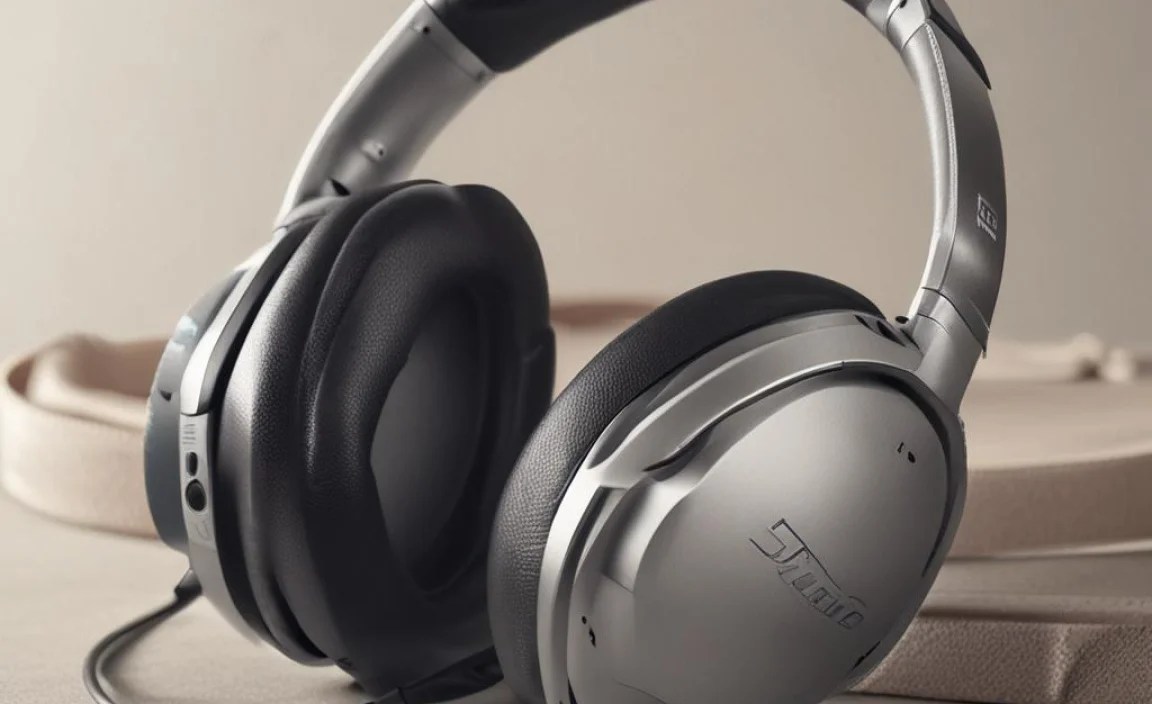
Even the best technology can sometimes act up. Here are a few common issues and simple fixes:
- No Sound/One Side Not Working: Check your cable connection to ensure it’s fully plugged in on both the headphone and device ends. For Bluetooth, try re-pairing the headphones with your device. If using the airplane adapter, ensure it’s properly seated.
- Bluetooth Won’t Connect: Make sure your headphones are in pairing mode and discoverable. Turn off Bluetooth on your device and then turn it back on. Restart both your headphones and your device. On some aircraft, Wi-Fi or Bluetooth signals might be temporarily restricted early in the flight; ensure it’s permitted before attempting to connect.
- Noise Cancellation Not Effective: Ensure ANC is turned on and set to an appropriate level. Check that the earcups are creating a good seal around your ears. Small gaps can significantly reduce ANC performance. Clean any debris from the earcups.
- Uncomfortable Fit: Adjust the headband and rotate the earcups slightly. If you habitually wear glasses, try gently repositioning them when wearing headphones.
- Low Battery Life: Always charge fully before travel. If battery life seems prematurely short, check the settings in the Bose app for any power-saving configurations or consider resetting the headphones according to Bose’s instructions.
For more in-depth troubleshooting, Bose offers extensive support resources on their website, often including model-specific guides and FAQs, which can be incredibly helpful.
Frequently Asked Questions About Bose Headphones for Airplanes
Q1: Are Bose headphones worth the investment for airplane travel?
Absolutely! The superior noise cancellation, comfort, and sound quality of Bose headphones significantly enhance the flight experience by reducing fatigue and making it easier to relax or enjoy entertainment. For frequent flyers, the investment often pays for itself in comfort and peace.
Q2: How do I know if my headphones are compatible with the airplane’s entertainment system?
Most airlines now support Bluetooth audio. If your Bose headphones support Bluetooth, try pairing them directly. If not, or if your headphones don’t have Bluetooth, use the included 3.5mm audio cable and the airplane adapter provided with most Bose headphones or available for purchase separately.
Q3: Can I use my Bose headphones for calls on an airplane?
Yes, most Bose models allow you to take calls via Bluetooth. The Bose 700 and the QuietComfort Ultra are particularly known for their excellent microphone clarity, which can be beneficial in slightly noisy cabin environments.
Q4: How long does the battery typically last on Bose airplane headphones?
The latest Bose QuietComfort models (Ultra, QC45, SE) typically offer up to 24 hours of listening time with active noise cancellation on. The Bose 700 offers around 20 hours. This is usually more than sufficient for most long-haul flights.
Q5: Are there any legal restrictions on using headphones on airplanes?
Generally, no. You’re free to use your headphones for listening to audio or watching movies. However, for safety reasons, flight attendants may ask you to temporarily remove them during critical phases of flight (like takeoff and landing) or if they need your attention. Also, ensure your Bluetooth-enabled headphones are switched to airplane mode or follow the cabin crew’s instructions regarding wireless devices.
Q6: What’s the difference between Bose’s noise cancellation and standard headphones?
Standard headphones offer passive noise isolation by physically blocking out sound with their earcups. Bose headphones use Active Noise Cancellation (ANC) technology, which employs microphones to detect ambient sounds and then generate opposing sound waves to cancel them out. This is significantly more effective at eliminating persistent low-frequency noises like airplane engines.
Conclusion
Choosing the right headphones for airplane travel can transform a potentially stressful or tedious journey into a peaceful and enjoyable experience. Bose has consistently set the standard for noise cancellation, comfort, and audio quality, making their headphones an exceptional choice for any traveler.
Whether you opt for the cutting-edge features of the QuietComfort Ultra, the reliable performance of the QuietComfort models, or the sleek design of the Noise Cancelling 700, you’re investing in a premium travel companion.
By following these tips for usage, maintenance, and troubleshooting, you can ensure your Bose headphones are always ready to deliver serenity on demand, flight after flight. So, pack your favorite pair, settle in, and enjoy the journey with your personal oasis of sound.
