
Quick Summary: Discover top-rated, affordable open-back headphones for immersive sound without breaking the bank. This guide helps beginners choose models offering excellent audio quality, comfort, and value for an enhanced listening experience at home.
Best Budget Open Back Headphones: An Essential Buy for Enhanced Listening
Hey everyone, Edward Cavitt here from Headphone Horizon! Are you looking to truly dive into your music, podcasts, or games without feeling like you’re in a soundproof booth? Open-back headphones are a game-changer, offering a more natural, spacious soundstage that can make your favorite audio feel alive. But here’s the thing: “high-fidelity” often sounds like “high-price tag.” The good news? You don’t need to spend a fortune to enjoy fantastic open-back sound. In this guide, we’re going to navigate the exciting world of budget-friendly open-back headphones. We’ll break down what makes them special, what to look for, and reveal some of the best options out there that deliver incredible value. Get ready to elevate your listening experience without emptying your wallet!
Why Choose Open Back Headphones on a Budget?

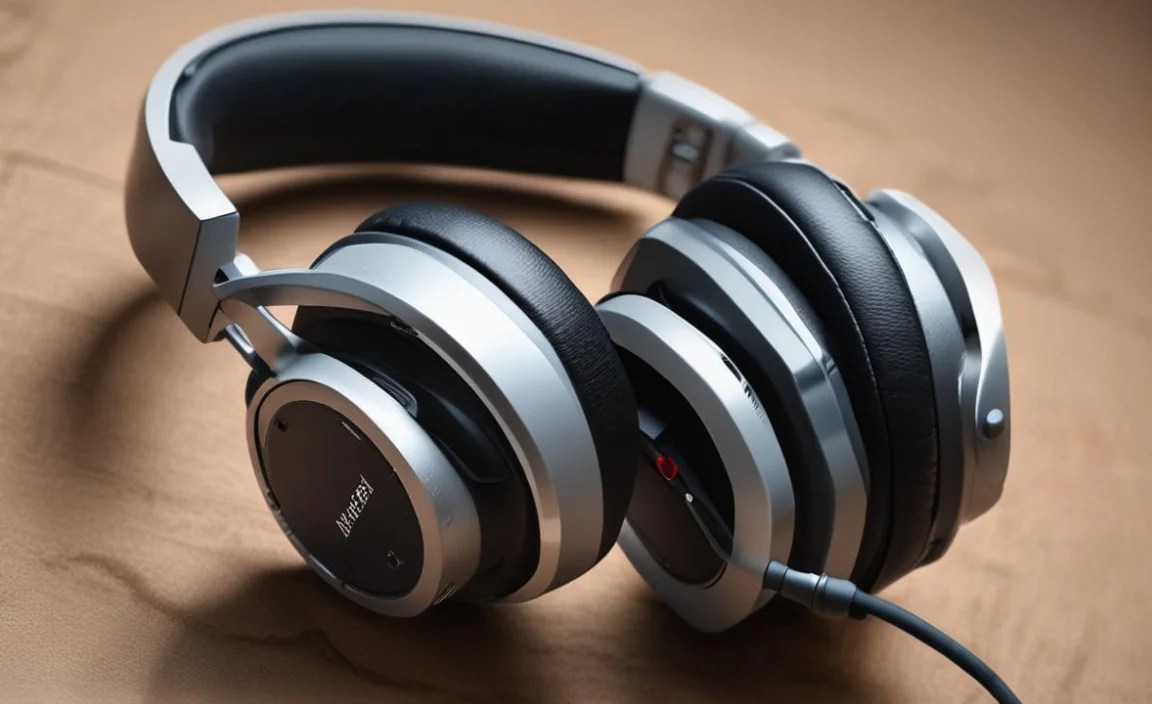
Open-back headphones are distinct because their earcups aren’t fully enclosed. Instead, they have perforations or grilles that allow air and sound to pass through. This design has a significant impact on the sound:
- Wider Soundstage: This is the primary benefit. It creates a sense of spaciousness, like listening to speakers in a room rather than directly into your ears. Music sounds more natural and less “in your head.”
- Natural Sound: The open design often leads to a more airy, less fatiguing sound profile. It can feel less “pressurized” than closed-back headphones.
- Reduced Bass Bloom: While great for natural sound, the open design means less bass isolation. For audiophiles seeking a neutral or analytical sound, this can be a plus, as it prevents bass from overpowering other frequencies.
Now, you might think that this type of immersive audio experience comes with a hefty price tag. Traditionally, yes. However, advancements in audio technology and increased competition have made incredibly capable open-back headphones accessible to a wider audience. “Budget” in the headphone world can mean different things, but for this guide, we’re focusing on models generally under $100, sometimes dipping even lower, that still offer exceptional audio performance for their price point. These are the hidden gems that provide an essential upgrade for any home listener who values clarity and an expansive soundscape.
Understanding Key Features for Budget Open Backs

When you’re looking for the best budget open-back headphones, a few key features can make a big difference in your listening enjoyment and the longevity of your headphones. Don’t get overwhelmed by the technical specs; let’s break down what really matters in simple terms:
1. Sound Quality (The Heart of the Matter)
This is why you’re here! For open-back headphones, especially on a budget, we’re looking for:
- Clarity: Can you hear the individual instruments and vocals clearly? Are the highs (cymbals, vocals) crisp without being harsh?
- Decent Bass Response: While open-backs don’t typically have booming bass like some closed-backs, you still want a bass that is present, well-defined, and not muddy. It should support the music without overwhelming it.
- Natural Midrange: This is where vocals and most instruments live. A natural-sounding midrange will make voices sound lifelike and engaging.
- Pleasant Treble: The high frequencies should be clear and detailed, adding sparkle and air to the music, but they shouldn’t be sibilant (like a sharp “s” sound) or painful.
- Soundstage and Imaging: As discussed, open-backs excel here. We want a sense of space and a clear placement of instruments within that space (imaging).
2. Comfort and Design
You’ll be wearing these, so comfort is crucial! Budget models can sometimes skimp here, but the best ones balance price and wearability:
- Earpad Material: Look for velour or soft fabric earpads. They tend to be more breathable and comfortable for longer listening sessions than pleather, which can get warm.
- Headband Padding: A well-padded headband distributes weight evenly, preventing pressure points on your head.
- Clamping Force: This is how tightly the headphones grip your head. Too loose, and they’ll slide off; too tight, and they’ll be uncomfortable. Budget options might err on the side of being a bit looser, but good design minimizes this issue.
- Weight: Lighter headphones are generally more comfortable.
3. Build Quality and Durability
Even on a budget, you want headphones that will last. While you won’t get premium materials like metal and leather, look for:
- Sturdy Plastic: While often plastic, it should feel robust, not flimsy.
- Cable Quality: A thick, well-attached cable that feels like it can withstand some bending is important. Detachable cables are a bonus for easy replacement if they get damaged, though less common on very budget models.
- Hinge and Yoke Integrity: These connection points can be weak spots. Check reviews for any complaints about them breaking.
4. Impedance and Sensitivity (A Bit Technical, But Important!)
These specs tell you how much power your headphones need from your audio source (like your phone, laptop, or amplifier).
- Impedance (measured in Ohms, Ω): Lower impedance (e.g., 32Ω or 64Ω) means the headphones are easier to drive and will generally sound loud enough straight from a smartphone or laptop. Higher impedance (e.g., 250Ω or 300Ω) usually requires a dedicated headphone amplifier to reach a good volume and sound their best. For budget open-backs, aim for lower impedance if you plan to use them with portable devices without an amp.
- Sensitivity (measured in dB/mW or dB/V): Higher sensitivity means the headphones will produce more volume for a given amount of power. This is often more critical than impedance for easy driving.
General Rule for Budget Open Backs: Look for models with impedance around 32Ω to 60Ω and good sensitivity. This ensures they’ll play nice with your everyday devices.
Understanding these features will empower you to make a smart choice. Remember, the goal is to find a balance that works best for your ears and your wallet!
How to Identify “Good” Sound on a Budget

So, you’ve got your eye on some budget open-back headphones. How do you know if they actually sound good before you buy? It’s not just about the numbers; it’s about the listening experience. Here’s a practical approach:
1. Read and Watch Reviews from Trusted Sources
This is your most powerful tool. Look for reviewers who:
- Focus on Sound Quality: Do they describe the sound in terms of clarity, bass, mids, and treble?
- Compare to Other Headphones: Even if they’re comparing to more expensive models, it gives you context. They might say, “For the price, the bass is surprisingly tight,” or “The treble is a little forward, but not fatiguing.”
- Mention Comfort and Build: These factors heavily influence the overall experience.
- Are Consistent: Do multiple reviewers highlight similar pros and cons? This usually means they are accurate observations.
Some great resources for headphone reviews, often with budget sections, include websites like Rtings.com, Audio Science Review (for more technical reviews), and YouTube channels dedicated to audio gear. Be wary of purely sponsored reviews without critical analysis. Websites like AudioReviews.org can aggregate insights from various sources to give you a broader perspective.
2. Understand Common Sound Signatures
Headphones often have a particular “sound signature” – how they emphasize different frequencies. For budget open-backs aiming for a neutral sound, you might hear descriptions like:
- “V-shaped”: Bass and treble are boosted, while mids are recessed. This can sound exciting for pop/rock but might make vocals less prominent.
- “Neutral”: Frequencies are balanced. This is often ideal for critical listening and many genres.
- “Warm”: Bass is slightly elevated, and treble might be slightly rolled off. Can sound smooth and relaxing.
For budget open-backs, a slightly warm or a generally balanced signature often works well, as it’s forgiving to various music genres and less likely to sound harsh. Avoid descriptions that heavily emphasize overpowering bass or piercing treble, as these are hard to overcome in budget designs.
3. Consider Your Music and Usage
What do you listen to most? And where?
- Music Genres: If you love EDM or Hip-Hop, a little extra bass presence might be desirable. For classical or jazz, clarity and a wide soundstage are usually prioritized.
- Usage: Are you listening in a quiet room where sound leakage isn’t an issue, or do you have roommates? Open-backs leak sound out and let sound in.
Even on a budget, understanding these basics helps you match a headphone’s sound profile to your preferences. A headphone that excels in soundstage for $70 can be just as “good” as a $700 pair for its intended purpose, provided it meets your needs.
Top Budget Open Back Headphones Recommendations

Alright, let’s get down to the exciting part! These headphones consistently get high marks for their value and performance in the budget open-back category. While prices can fluctuate, these are generally found well within our budget-friendly target.
1. Philips SHP9500
Often hailed as the “king of budget open-backs,” the Philips SHP9500 is legendary. They offer a remarkably balanced sound profile with good clarity and a comfortable fit.
- Sound: Neutral to slightly warm, excellent for vocals and instrument separation. Good, if not booming, bass. Spacious soundstage for the price.
- Comfort: Lightweight with plush earpads. Generally very comfortable for long sessions.
- Build: A bit plasticky but generally considered durable enough. Non-detachable cable, which is a small drawback.
- Impedance: ~32 Ohms (easy to drive).
- Price Range: Often found between $60-$90.
These are a fantastic starting point for anyone dipping their toes into open-back audio without a significant investment. They provide a clear, natural sound that many people find immensely pleasing.
2. Audio-Technica ATH-AD500X / ATH-AD700X
Audio-Technica has some great offerings in their “Air Dynamic” series that often dip into budget-friendly territory during sales. The AD500X and AD700X are very similar, with the 700X having slight audio improvements and a slightly different aesthetic.
- Sound: Known for a very airy and spacious sound. The AD500X has a bit more bass emphasis than the AD700X, which leans slightly brighter. Both offer excellent clarity for their price.
- Comfort: Unique self-adjusting headband means they are usually very comfortable and don’t clamp too hard. Large earcups.
- Build: Mostly plastic, but feels reasonably well-built. Again, non-detachable cables are standard here.
- Impedance: ~48-50 Ohms (easy to drive).
- Price Range: Can often be found between $70-$100, sometimes a bit more for the 700X.
These are excellent choices if you prioritize that open, airy feel and excellent instrument separation. They’re fantastic for gaming and acoustic music.
3. Samson SR850
This is one of the most budget-friendly options that punches well above its weight. The Samson SR850 often surprises people with its detail and clarity.
- Sound: Tends to be a bit brighter and more analytical than the Philips SHP9500. Good detail retrieval for the price. Bass is present but not overpowering.
- Comfort: Features a unique “self-adjusting” headband that works similarly to Audio-Technica’s. Earpads can be a bit thin for some, but overall comfort is decent.
- Build: Basic plastic construction, but it’s held up well for many users. They use a semi-open design, so there’s some sound isolation, but they still offer that airy quality.
- Impedance: ~32 Ohms (easy to drive).
- Price Range: Frequently available for under $50.
If you’re on a very tight budget and want to experience open-back sound and good detail, the SR850 is an absolute steal. You might consider custom Earpad swaps for enhanced comfort if you find them lacking.
4. AKG K240 Studio (Semi-Open)
While technically often classified as “semi-open,” the AKG K240 Studio series (especially the K240 MKII) offers a taste of that open soundstage and is a staple in many home studios for good reason, and their price often falls into the budget category.
- Sound: Known for a naturally balanced sound with good detail and a wider-than-closed-back soundstage. Excellent for mixing and mastering due to its accuracy, but also enjoyable for music.
- Comfort: Generally good, with velour earpads. They are relatively lightweight.
- Build: A mix of plastic and some metal components. They have a detachable cable design, a significant plus at this price.
- Impedance: Varies slightly by model (e.g., 55 Ohms for MKII), but generally easy to drive.
- Price Range: Frequently found between $60-$90.
The AKG K240 is a workhorse. It bridges the gap between pure open-back and closed-back, offering a good compromise if you need a bit more isolation than a fully open design provides, while still getting that airy sound.
Quick Comparison Table
Here’s a quick look at how these popular budget options stack up:
| Headphone Model | Typical Price Range | Sound Signature | Comfort | Key Advantage |
|---|---|---|---|---|
| Philips SHP9500 | $60-$90 | Neutral to Slightly Warm, Spacious | Excellent, Plush Earpads | Great all-arounder, natural sound |
| Audio-Technica ATH-AD500X/AD700X | $70-$100 | Airy, Spacious, Detailed | Very Good, Auto-Adjusting Headband | Incredible airiness and soundstage |
| Samson SR850 | Under $50 | Bright, Analytical, Detailed | Decent, Auto-Adjusting Headband | Incredible value, detailed sound for the price |
| AKG K240 Studio (Semi-Open) | $60-$90 | Balanced, Accurate, Mid-forward | Good, Velour Earpads | Detachable cable, studio-friendly accuracy |
Remember to check current pricing from reputable retailers, as sales can significantly impact these ranges.
Step-by-Step Guide: Choosing and Using Your Budget Open Backs
Ready to make the leap? Here’s how to choose and get the most out of your new headphones:
Step 1: Define Your Needs and Budget
- Set Your Price Ceiling: Decide how much you’re truly willing to spend. For budget, aim for under $100, but maybe even under $60 if your budget is tight.
- Consider Your Primary Use: Are these for critical music listening, gaming, movies, or just casual background music?
- Assess Your Environment: Will sound leakage bother you or others? If so, even a “semi-open” option might be better than a fully open one, or you might need to reconsider open-backs altogether.
Step 2: Research Based on Recommendations
- Start with the List: Use the models above as a starting point.
- Read/Watch Multiple Reviews: Look for common praises and criticisms. Pay attention to descriptions of sound, comfort,
