
Quick Summary: Discover the best durable headphones built to last. This guide helps beginners choose reliable audio gear, focusing on build quality, materials, and user reviews. Find your perfect, long-lasting listening companion with insider tips and essential features to look for.
Best Durable Headphones: Proven Audio Essentials

Hey audio adventurers! Edward Cavitt here from headphonehorizon. Ever feel like your headphones have a shorter lifespan than a fruit fly? You spend good money, only to have a flimsy wire fray or a headband snap after just a few months. It’s frustrating, right? I get it. That’s why today, we’re diving deep into the world of best durable headphones – the real workhorses of the audio world. We’ll cut through the jargon and explore what makes a pair of headphones truly built to last, helping you invest in sound that stands the test of time and daily use. Get ready to find your next trusty audio essential!
Why Durability Matters in Headphones

Let’s be honest, headphones aren’t just for quiet listening at home anymore. They’re our companions on commutes, partners in the gym, tools for work, and lifelines for unwinding. This constant use and movement put a lot of stress on our audio gear. Scrambling to find a replacement when your favorite pair suddenly dies is a hassle we can all do without. Investing in durable headphones isn’t just about saving money in the long run; it’s about reliability, consistent sound quality, and peace of mind. When you know your headphones can handle a bit of a bumpy ride, you can focus on what truly matters – your music, your podcasts, or your important calls.
What Makes Headphones “Durable”? Key Features to Look For

So, what exactly separates a flimsy pair from a fortKnox of audio? It comes down to a few key factors. Think of these as your checklist when you’re shopping for your next long-lasting audio buddy.
1. Build Materials: The Foundation of Toughness
The materials used are the most crucial aspect of a headphone’s durability. Cheap plastic can become brittle and crack easily, while high-quality metals and robust plastics can withstand significant wear and tear.
- Metals: Aluminum, steel, and titanium alloys are incredibly strong and resistant to bending or breaking. They often feel premium and add substantial weight, indicating quality construction.
- High-Quality Plastics: Not all plastics are created equal! Look for ABS (acrylonitrile butadiene styrene) or polycarbonate plastics. These are engineered for impact resistance and flexibility, making them less prone to snapping.
- Reinforced Cables: A common failure point is the headphone cable. Durable headphones often feature thicker, braided cables or Kevlar-reinforced cores that resist tangling and prevent internal wire breakage. Look for strain relief where the cable meets the earcup and headphone jack – this is a critical stress point.
- Robust Earcups and Headband: The headband should be flexible yet strong, often with metal reinforcement inside. Earcup hinges should be solid and move with a satisfying, secure click, rather than feeling loose or wobbly.
2. Design and Construction: Built to Withstand
Beyond the materials, the way a headphone is put together plays a huge role. Simpler, well-executed designs often prove more durable than overly complex ones with many moving parts.
- Minimal Moving Parts: Headphones with fewer hinges, pivot points, or retractable mechanisms are generally less likely to break.
- Solid Joints and Connections: Pay attention to how earpads attach, how the headband connects to the earcups, and the quality of the jack. Everything should feel secure.
- Water and Sweat Resistance (IP Ratings): If you plan on using your headphones for workouts or in humid environments, look for an Ingress Protection (IP) rating. An IPX4 rating, for example, means the headphones are protected against splashing water. You can learn more about IP ratings from official sources like the International Electrotechnical Commission (IEC), which sets these global standards.
- Replaceable Parts: Some durable headphones have easily replaceable ear pads or even cables. This is a huge plus, as it allows you to refresh your headphones rather than replace them entirely when a specific part wears out.
3. User Reviews and Brand Reputation
Even with the best materials and design, user experiences offer invaluable insights. Real-world testing will always reveal potential weaknesses.
- Long-Term Reviews: Seek out reviews from users who have owned the headphones for a year or more. They can attest to how well the headphones have held up over time.
- Common Failure Points: Look for recurring complaints. If multiple users report the same part breaking, it’s a red flag.
- Brands Known for Durability: Certain brands have built a reputation for producing robust, long-lasting audio gear. Researching brands that prioritize build quality can be a good starting point.
Top Picks for Durable Headphones: Proven Audio Essentials

Based on build quality, user feedback, and overall resilience, here are some types of headphones and specific models that consistently rank high for durability. We’ll cover different styles to suit various needs.
Over-Ear Headphones: The Stalwarts
Over-ear headphones tend to offer robust construction due to their larger size and often more substantial materials. They provide excellent comfort for long listening sessions and are less prone to the physical stresses that can affect smaller headphones.
Example: Sennheiser HD Series (e.g., HD 5XX, HD 6XX series)
While not marketed explicitly as “rugged,” Sennheiser’s higher-end HD series (like the HD 599 or HD 600/650) are built like tanks. They use durable plastics, metal headband reinforcement, and high-quality drivers. Their modular design with replaceable parts (earpads, cable) adds to their longevity. They are designed for home listening but their solid build makes them surprisingly resilient for daily, careful use.
| Feature | Sennheiser HD Series (Example) |
|---|---|
| Build Materials | High-quality plastic, metal headband elements, velour earpads |
| Cable | Detachable, replaceable, often thick and well-sheathed |
| Headband | Padded with sturdy plastic and internal metal support |
| Earcups | Fixed, comfortable, easily replaceable pads |
| Durability Strengths | Solid construction, replaceable parts, quality components |
| Potential Weaknesses | Not designed for extreme sports or heavy moisture; can be bulky |
On-Ear Headphones: The Compact Competitors
On-ear headphones offer a balance between portability and sound isolation. Durability here often comes from well-designed clamping force, sturdy hinges, and resilient padding.
Example: Koss Porta Pro and KSC Series
The Koss Porta Pro is legendary for its longevity and surprisingly robust build for its price. Its lightweight metal frame and simple design make it resilient against common breakage points. The KSC series (like KSC75 and KSC35) are clip-on style, offering a secure fit and durable, no-frills construction that’s hard to break.
- Koss Porta Pro: A classic with a flexible metal headband and comfortable on-ear pads. Extremely portable and surprisingly tough for daily commutes.
- Koss KSC75: Clip-on design that attaches to your ears. Very lightweight, no headband to break, and the cable is generally quite robust for its size.
In-Ear Monitors (IEMs) / Earbuds: The Mighty Mites
While small, many IEMs are built with surprising durability, especially those designed for stage use or active listeners. The key is a sturdy housing and a high-quality, often detachable, cable.
Example: Shure SE Series (e.g., SE215)
Shure SE215 IEMs are a perfect example of durable earbuds. They feature a robust plastic housing and, crucially, a detachable MMCX cable. This means if the cable frays or breaks (a very common point of failure for wired earbuds), you can simply buy a replacement cable and your IEMs are as good as new. They are built to withstand daily commutes and even stage use by musicians.
- Detachable Cable: This is the single most important feature for IEM durability.
- Robust Housing: Look for solid plastic or metal housings.
- Secure Fit: Ear-hook designs or memory foam tips can help keep them in place, reducing the chance of them falling and breaking.
Example: Jabra Elite Active Series (True Wireless Earbuds)
For wireless, the Jabra Elite Active line is known for its ruggedness. These true wireless earbuds usually boast high IP ratings for water and sweat resistance, and their charging cases are often built to last. While true wireless earbuds have inherent limitations due to their small size and reliance on batteries, the Active series prioritizes materials and build quality to withstand active lifestyles.
| Type | Example | Durability Highlights | Consider If… |
|---|---|---|---|
| Over-Ear | Sennheiser HD Series | Solid build, replaceable pads/cables, quality materials | You prioritize sound quality and comfort for home/office use, looking for a long-term investment. |
| On-Ear | Koss Porta Pro / KSC75 | Lightweight metal, simple design, excellent value | You need portable, affordable headphones that surprisingly hold up well to daily use. |
| In-Ear Monitors (IEMs) | Shure SE215 | Detachable MMCX cable, robust housing, professional-grade build | You want a very durable wired earbud solution, with the ability to replace just the cable. |
| True Wireless Earbuds | Jabra Elite Active Series | High IP ratings (water/sweat resistant), robust charging cases | You need durable wireless earbuds for workouts or active lifestyles. |
Practical Tips for Maximizing Headphone Lifespan
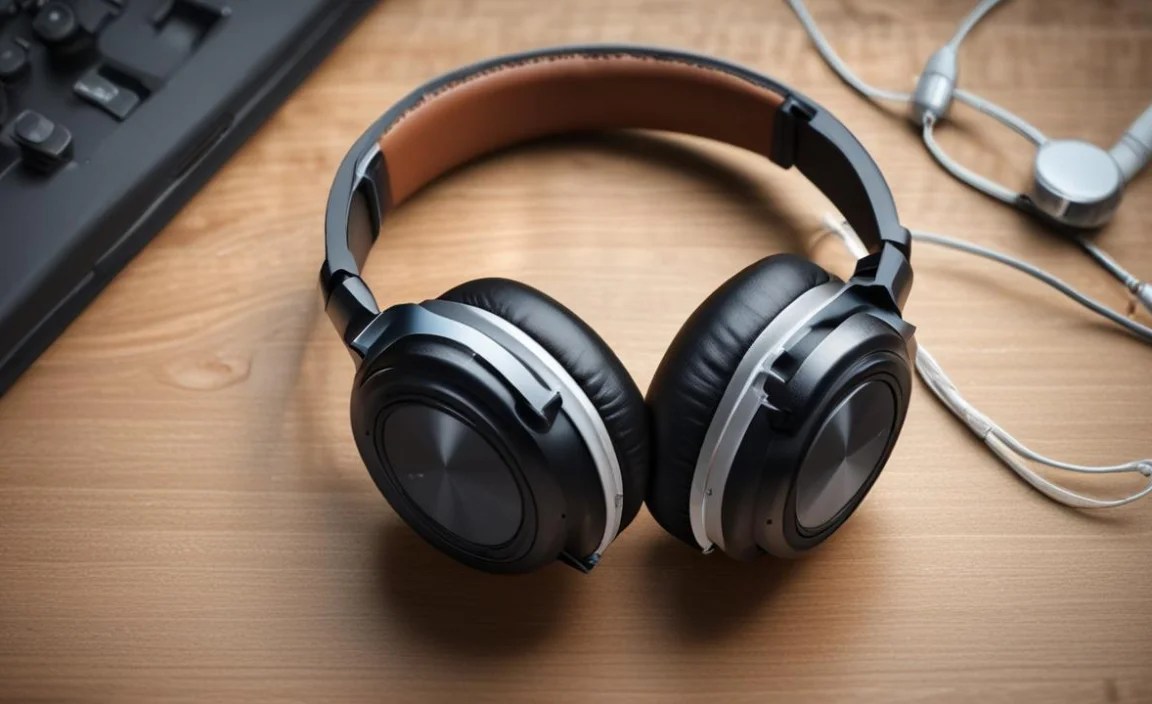
Even the most durable headphones can meet an early demise if not cared for properly. Here are some simple habits that can significantly extend the life of your audio gear.
1. Proper Storage: Give Them a Safe Haven
When you’re not using your headphones, they need a safe place to rest. This prevents them from being crushed, stepped on, or having their cables snagged.
- Use the Included Case or Pouch: Many headphones come with a protective case or soft pouch. Use it!
- Dedicated Spot: If you don’t have a case, designate a specific spot for your headphones – a desk stand, a shelf, or a hook. Keep them away from high-traffic areas.
- Avoid Overstuffing Bags: If you toss headphones into a backpack, make sure there’s enough room so they aren’t compressed by other items.
2. Cable Care: The Lifeline of Wired Headphones
The cable is often the weakest link in wired headphones. Treating it with care is paramount.
- Don’t Yank the Plug: Always grasp the plug itself to disconnect headphones from a device, not the cable.
- Avoid Tight Wrapping: Instead of tightly coiling the cable, loosely loop it. Tight winding can put stress on internal wires.
- Prevent Snags: Be mindful of where the cable is. Try not to let it hang where it can be caught by doors, chair legs, or your own feet.
- Storage Position: For detachable cables, store them separately or loosely coiled. For non-detachable cables, avoid bending them sharply at the jack or earcup entry point.
3. Cleaning and Maintenance: A Little Effort Goes a Long Way
Keeping your headphones clean not only ensures hygiene but can also prevent debris from interfering with their moving parts or sound vents.
- Earpads: For fabric or velour pads, gently brush them with a soft brush. For leather or pleather, use a slightly damp cloth (water only, no harsh chemicals) and let them air dry completely before use.
- Earcups: Wipe down plastic or metal parts with a dry or very slightly damp microfiber cloth.
- Grilles/Vents: Use a dry, soft brush or a can of compressed air (held at a distance) to gently remove dust or earwax buildup from speaker grilles. Be very gentle!
- For True Wireless Earbuds: Use a dry cotton swab to clean the charging contacts on both the earbuds and the case.
A good practice is to clean your headphones every few weeks. For more in-depth cleaning tips, consider resources like those found from reputable tech reviewers or manufacturer support pages.
4. Mindful Usage: Smart Habits for Longevity
How you use your headphones day-to-day matters.
- Avoid Extreme Conditions: Unless specifically designed for it, don’t expose headphones to extreme heat, cold, or moisture.
- Gentle Adjustments: When putting on or taking off headphones, do so gently. Don’t force them over your head or yank them off.
- Volume Levels: While not a direct durability factor, consistently playing audio at extremely high volumes can strain the drivers over time, potentially shortening their lifespan.
Troubleshooting Common Durability Issues
Even with the best intentions, things can occasionally go wrong. Here are some common durability-related problems and simple fixes.
1. The “One Side Not Working” Scenario (Wired)
This is often a cable issue. If your cable is detachable, try swapping it for a known working one. If not detachable:
- Gentle Wiggle Test: Carefully wiggle the cable near the plug and near the earcup. If the sound cuts in and out, the cable is likely damaged internally.
- Check the Jack: Ensure the headphone jack is clean and free of debris. Use a toothpick or compressed air.
- DIY Cable Repair (Advanced): For the adventurous, it’s sometimes possible to repair a broken cable, but this requires soldering skills and is often more trouble than it’s worth for budget headphones. For pricier models, professional repair might be an option.
2. Loose or Wobbly Headband/Earcups
This usually happens at the pivot points or where the headband connects to the earcups.
- Tighten Screws: Some headphones have small visible screws at these connection points. A tiny Phillips head screwdriver might be all you need. Be careful not to overtighten.
- Check for Broken Plastic: If it’s a clean break, it’s often difficult to repair without specialized plastic adhesives or epoxy.
- Contact Manufacturer: If the headphones are still under warranty, this is the time to reach out.
3. Earpads Wearing Out
This is normal wear and tear, especially with daily use. Fortunately, it’s usually the easiest fix.
- Check for Replacements: Most reputable manufacturers sell replacement earpads. Search online for “[Your Headphone Model] replacement earpads.”
- Third-Party Options: Many popular headphone models have a thriving aftermarket for replacement pads from companies like Dekoni Audio or Brainwavz. These can sometimes even improve comfort or sound.
- Installation: Usually, earpads simply clip or tuck into a groove around the earcup. They’re often designed for easy user replacement.
Frequently Asked Questions (FAQ)
Q1: Are expensive headphones always more durable?
Not necessarily. While higher-end materials and construction are more common in premium models, some affordable headphones are built exceptionally well for their price point. Conversely, some very expensive fashion headphones can be surprisingly fragile. Focus on build materials, design, and user reviews rather than just the price tag.
Q2: How can I tell if a headphone cable is going to break easily?
Look for thin, flimsy cables, especially those that don’t have much reinforcement where they enter the earcup or the plug. Cables with good strain relief (a flexible rubbery section) and a thicker gauge wire, especially if braided, tend to be more durable.
Q3: Can I use my gym headphones in the rain?
Only if they have a specific IP rating for water resistance (e.g., IPX4 or higher). Standard headphones are not designed to withstand moisture and can be permanently damaged. Always check the product specifications for IP ratings if you plan on using them outdoors or during intense workouts.
