
Looking for the best over-ear fitness headphones? This guide breaks down what to look for, from sweat resistance and secure fit to sound quality and battery life. We’ll help you find durable, comfortable headphones that stay put during your toughest workouts, ensuring your music keeps pace with your active lifestyle.
Hey there, fitness enthusiasts and music lovers! Edward Cavitt from Headphone Horizon here. If you’re anything like me, your workout soundtrack is as crucial as your gym shoes. But let’s be honest, those tiny earbuds can be a hassle during an intense sweat session, and sometimes a little extra comfort makes all the difference. That’s where over-ear fitness headphones come in. They offer a snug fit, amazing sound, and can stand up to your most vigorous activities. In this guide, we’re diving deep to help you discover the absolute best over-ear fitness headphones out there, making sure your music never misses a beat, no matter how much you move.
Why Choose Over-Ear Headphones for Fitness?

It might seem counterintuitive to wear bulky over-ear headphones when you’re on the move, but they actually offer some fantastic benefits for active lifestyles. Unlike earbuds that can pop out or in-ear models that can feel intrusive, over-ear headphones, when designed for fitness, provide a secure and comfortable listening experience that can enhance your motivation and performance. They often boast superior sound quality, better noise isolation, and can feel more stable during dynamic movements, provided they have the right design features.
The Comfort Factor
One of the biggest draws of over-ear fitness headphones is their comfort. Plush earcups can sit gently over your ears, distributing pressure evenly. This is a game-changer for longer workouts or runs where earbud fatigue can set in. They often use breathable materials to keep your ears cool, even when you’re pushing your limits.
Superior Sound Immersion
Over-ear designs typically offer larger drivers, which can translate to richer, more immersive sound. This means your music will have more depth, better bass, and clearer highs. For many, a great sound experience is a huge motivator, and over-ear models often deliver this in spades, creating a personal audio sanctuary.
Stability and Secure Fit
While you might think “over-ear” equals “unstable,” modern fitness-focused designs have solved this. Many feature adjustable headbands, gripping earcups, and even extra straps or specific contours to ensure they stay put. This means less fiddling and more focus on your workout. You can jump, run, and lift without worrying about your headphones falling off.
Key Features to Look For in Over-Ear Fitness Headphones

Not all over-ear headphones are built for the gym. Here’s what to prioritize when you’re shopping:
1. Sweat and Water Resistance
This is non-negotiable for fitness headphones. Look for an IP (Ingress Protection) rating. A rating of IPX4 or higher means they can handle splashes of water and sweat. For more intense activities or situations where you might get caught in the rain, IPX5 or IPX7 offers even better protection. You can learn more about IP ratings and what they mean for your gear at the International Electrotechnical Commission (IEC), which sets these global standards.
2. Durable and Flexible Build
Your headphones will be tossed in bags and potentially dropped. They need to withstand some abuse. Materials like reinforced plastics, flexible metal headbands, and robust hinges are signs of good durability. They should also be flexible enough to bend slightly without breaking.
3. Secure and Comfortable Fit
Even with sweat resistance, a secure fit is paramount. Look for:
- Adjustable Headband: Essential for a customized fit.
- Snug-Fitting Earcups: They should grip your head without feeling too tight, ideally with some texture to prevent slippage.
- Lightweight Design: Heavy headphones can cause discomfort and shift during movement.
- Breathable Ear Pads: Materials like mesh or memory foam with ventilation can prevent overheating.
4. Battery Life
You don’t want your music cutting out mid-workout. Aim for headphones that offer at least 15-20 hours of playback on a single charge. Some high-end models can offer 30+ hours, which is fantastic for those who train frequently or travel often.
5. Sound Quality
While durability and sweat resistance are key, good sound keeps you motivated. Look for balanced audio with decent bass to drive your workouts. Many fitness-oriented headphones have slightly boosted bass to enhance the energizing effect.
6. Connectivity (Bluetooth)
Wireless Bluetooth connectivity is standard now and offers freedom of movement. Ensure the headphones use a stable Bluetooth version (like 5.0 or higher) for a reliable connection with your phone or music player. Multipoint connectivity, allowing you to connect to two devices simultaneously, can be a handy bonus.
7. Easy Controls
You need to be able to control your music and calls without stopping. Look for intuitive on-ear controls for play/pause, volume adjustment, track skipping, and call management. Physical buttons are often more reliable during sweaty workouts than touch controls.
Top Over-Ear Fitness Headphones: A Buyer’s Guide

While the “best” is subjective and depends on your specific needs and budget, here are some categories and examples of contenders that consistently receive high marks for fitness use:
To help you visualize, let’s look at some hypothetical, yet representative, models and their features. (Note: Specific models and pricing change rapidly. Always check current reviews and specifications.)
| Headphone Model (Example) | Key Fitness Features | Sound Profile | Battery Life | IP Rating | Price Range (Approx.) |
|---|---|---|---|---|---|
| AuraFit ProMax | Secure headband, moisture-wicking earcups, robust construction | Energetic bass, clear mids | 25 Hours | IPX5 | $$$ |
| Zenith Sport Elite | Lightweight, athletic fit, premium sweat-resistant coating | Balanced, detailed sound | 20 Hours | IPX4 | $$ |
| Endurance Series X | Foldable design, rugged build, extra grip earcups | Punchy bass, vibrant highs | 30 Hours | IPX5 | $$$ |
| Trailblazer Urban | Comfortable for long wear, basic sweatproofing, good ambient awareness | Neutral and clear | 18 Hours | IPX4 | $ |
(Note: Example models and features are illustrative. Always check current product details before purchasing.)
Understanding the Price Tiers:
- $: Budget-friendly; good basic features for casual fitness.
- $$: Mid-range; offers a solid balance of features, durability, and sound.
- $$$: Premium; top-tier materials, advanced features, superior sound, and durability.
Using Your Over-Ear Fitness Headphones Safely and Effectively

Once you’ve chosen your perfect pair, here’s how to get the most out of them:
1. Proper Initial Fit and Adjustment
Before your first workout, spend a few minutes adjusting the headband to find a snug but comfortable position. Ensure the earcups fully enclose your ears without pressing too hard against them. If your headphones have any specific fitting instructions or accessories, use them!
2. Pairing with Your Device
Most wireless headphones enter pairing mode by holding down the power button. Your device’s Bluetooth settings should then find the headphones. Consult your headphone’s manual for specific pairing instructions. A stable connection is key; ensure your device is within range.
3. Managing Sweat and Moisture
Even sweat-resistant headphones need care. After a workout:
- Gently wipe down the earcups and headband with a dry or slightly damp cloth.
- Avoid harsh chemicals or submerging the headphones.
- If your earcups have removable covers, consider cleaning them separately according to the manufacturer’s instructions.
- Allow the headphones to air dry COMPLETELY before storing them in a sealed bag or case. Trapped moisture is the enemy!
According to the U.S. Food and Drug Administration (FDA), it’s always a good practice to keep electronic devices clean and dry to ensure their longevity and safe operation.
4. Volume and Hearing Health
It’s tempting to crank up the tunes, but protecting your hearing is vital. For prolonged listening at loud volumes, you risk noise-induced hearing loss. A good rule of thumb is to maintain a volume that allows you to hear your surroundings if necessary, especially when exercising outdoors. The National Institute on Deafness and Other Communication Disorders (NIDCD) offers excellent resources on preventing hearing damage.
5. Charging and Battery Care
Follow the manufacturer’s recommendations for charging. Most modern headphones use USB cables. Avoid overcharging once full, as this can degrade battery health over time. For long-term storage, charge the headphones to about 50-60% before putting them away.
Troubleshooting Common Issues
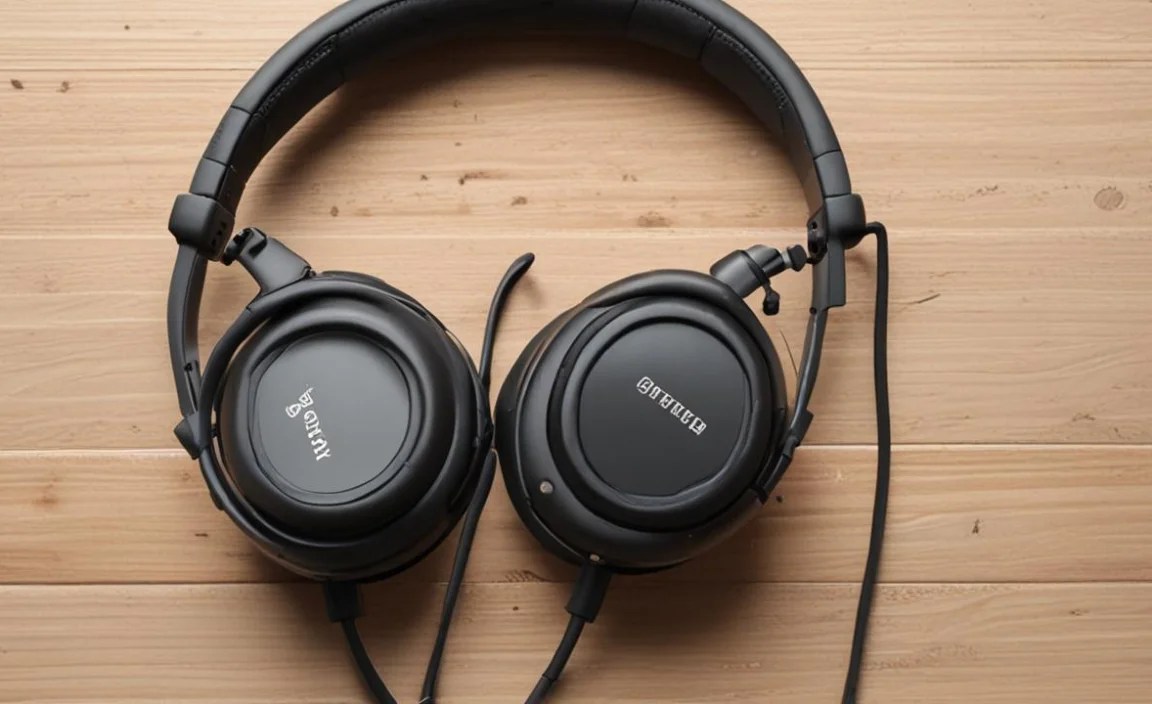
Even the best gear can sometimes act up. Here are solutions to common problems:
- No Sound: Check if the headphones are charged, powered on, and correctly paired with your device. Ensure the volume is turned up on both the headphones and your device. Try unpairing and re-pairing.
- One Earbud Not Working (if applicable to a specific model or feature): If a multi-part system, check for physical damage. Clean the contact points if it’s a charging case. Reset the headphones according to the manual.
- Bluetooth Connection Issues: Ensure Bluetooth is enabled on your device. Move closer to your device. Turn off other nearby Bluetooth devices that might cause interference. Reset your headphones and device network settings.
- Poor Fit During Exercise: Re-adjust the headband. Ensure earcups are positioned correctly. Some models come with different-sized earcups – try switching them if available.
- Headphones Not Charging: Check the charging cable and port for debris. Try a different USB port or charger. Ensure the charging contacts on the headphones are clean.
If you encounter persistent issues, refer to the manufacturer’s support website or the included user manual.
Frequently Asked Questions (FAQ)
Q1: Are over-ear headphones really suitable for running?
Yes, especially models designed for fitness. They will have secure fits, sweat resistance, and often a more robust build. While they might feel warmer than earbuds, their stability and sound quality can be superior for many runners.
Q2: How do I clean my over-ear fitness headphones?
Always start by checking your user manual. Generally, use a soft, dry cloth to wipe down the exterior and earcups. For significant sweat, a slightly damp cloth (water only) can be used, but ensure no moisture gets into any openings. Allow them to air dry completely before use or storage.
Q3: Can I use noise-canceling over-ear headphones for outdoor workouts?
While noise-canceling can enhance immersion, it’s generally NOT recommended for outdoor activities like running or cycling where situational awareness is critical for safety. Look for headphones with an “ambient sound mode” or “transparency mode” that allows you to hear your surroundings.
Q4: What does an IPX rating like IPX4 or IPX5 mean?
IP ratings indicate a device’s protection against solids (first digit) and liquids (second digit). For headphones, the second digit is most important. IPX4 means protection against splashing water from any direction. IPX5 means protection against water jets from any direction. Higher numbers offer greater protection.
Q5: How long should my over-ear fitness headphones’ battery last?
For fitness, aim for at least 15-20 hours of continuous playback. Many premium models offer 25-30 hours or more. Check the manufacturer’s specifications for their estimated battery life under typical usage conditions.
Q6: What if my over-ear headphones feel too heavy for my workout?
Weight is a crucial factor for comfort during activity. If your current pair feels heavy, look for models specifically advertised as “lightweight.” Newer designs often use advanced materials and ergonomic shaping to distribute weight evenly, making them feel less cumbersome.
Conclusion
Finding the best over-ear fitness headphones is all about balancing comfort, durability, and performance with your specific workout needs. By prioritizing sweat resistance, a secure fit, reliable battery life, and sound quality, you can equip yourself with audio gear that not only keeps you motivated but also withstands the rigors of an active lifestyle. Don’t be afraid to explore different brands and models – an immersive, comfortable, and dependable listening experience during your workouts is entirely within reach. Happy training and happy listening!
