
Quick Summary: Discover the best over-ear headphones for your Android phone. This guide breaks down key features like sound quality, comfort, and connectivity, helping you choose headphones that perfectly match your listening style and budget, ensuring a fantastic audio experience on the go.
Best Over-Ear Headphones for Android: Your Essential Guide

Hey there, fellow music lovers and podcast bingers! Edward Cavitt here from Headphone Horizon, your friendly guide to all things audio. If you’ve just snagged a new Android phone or are looking to upgrade your listening experience, you’ve come to the right place. Many of us rely on our phones for everything from our daily news briefings to our ultimate workout playlists.
And let’s be honest, when it comes to truly immersing ourselves in sound, a great pair of over-ear headphones is hard to beat. But with so many options out there, navigating the world of “best over ear headphones for Android phones” can feel a bit overwhelming. Fear not! I’m here to break down everything you need to know, making it simple and stress-free to find that perfect pair that will bring your audio to life.
Why Over-Ear Headphones for Your Android?

Over-ear headphones, also known as circumaural headphones, wrap completely around your ears. This design offers several distinct advantages, especially when paired with your Android device:
- Superior Sound Isolation: They create a physical barrier, naturally blocking out a good amount of ambient noise without you needing to crank up the volume to dangerous levels. This means you can enjoy your music with clarity even in noisy environments like a busy commute or an open-plan office.
- Enhanced Comfort: With plush earcups that rest on or around your ears, they distribute pressure more evenly, making them ideal for long listening sessions.
- Richer Bass and Deeper Soundstage: The larger drivers typically found in over-ear headphones often deliver a more impactful bass response and a wider, more immersive soundstage, making music feel more alive and detailed.
- Better Fit for All: Unlike in-ear models, over-ear headphones tend to offer a more universally comfortable and secure fit for a wider range of head shapes and sizes.
Understanding Key Features for Android Users
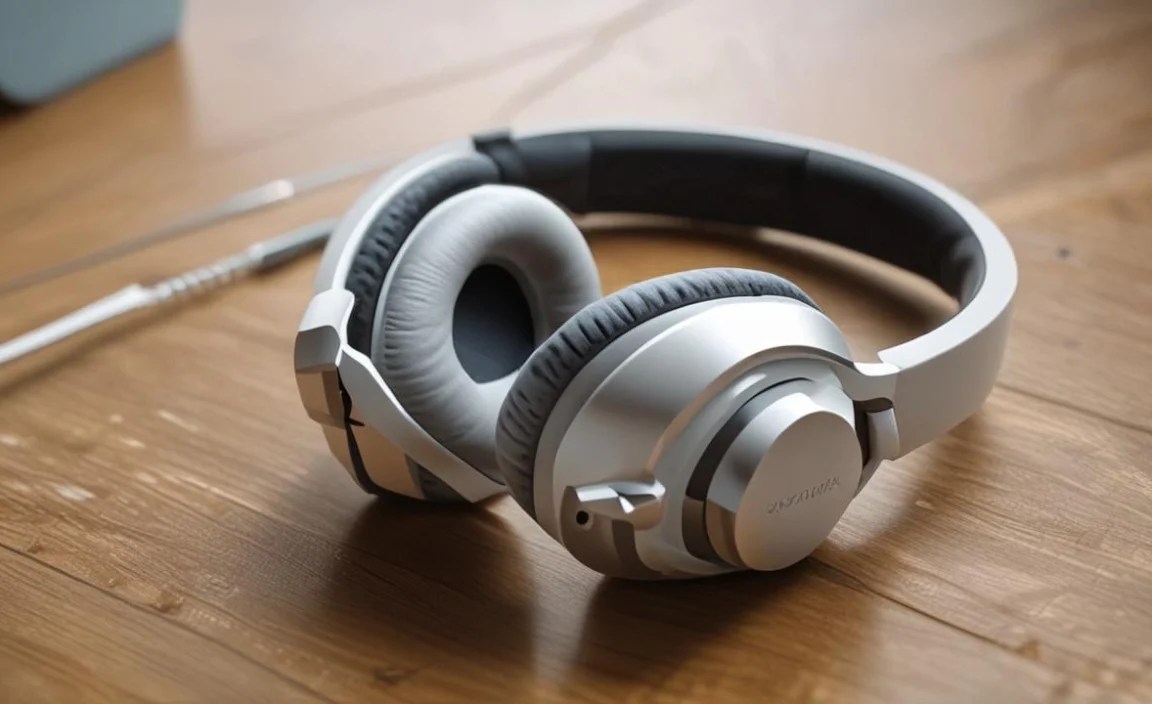
When choosing the best over-ear headphones for your Android phone, several features play a crucial role in your overall satisfaction. Let’s demystify them:
1. Connectivity: Wired vs. Wireless (Bluetooth)
This is often the first decision you’ll make. Both have their pros and cons:
- Wired Headphones:
- Pros: Generally offer the absolute best audio quality with no latency (delay), don’t require charging, and are typically more budget-friendly. Many Android phones still feature a 3.5mm headphone jack, but this is becoming less common.
- Cons: The wire can get tangled, limit your movement, and you might need an adapter if your phone lacks a headphone jack (USB-C to 3.5mm adapters are readily available and affordable).
- Wireless (Bluetooth) Headphones:
- Pros: Offer freedom of movement, eliminate cable clutter, and provide convenience. Modern Bluetooth codecs like aptX and LDAC (supported by many Android devices) can deliver near-CD quality audio wirelessly.
- Cons: Require charging, can have slight audio latency (though much improved with newer codecs), and the highest-quality wireless audio experiences can be more expensive.
Key Bluetooth Codecs to Look For:
- SBC (Subband Coding): The baseline Bluetooth audio codec. It’s compatible with all Bluetooth devices but offers the lowest audio quality.
- AAC (Advanced Audio Coding): Developed by Apple but widely supported. Offers better quality than SBC and is common on many headphones, especially those marketed towards mobile use.
- aptX (and its variants like aptX HD, aptX Adaptive): Developed by Qualcomm. These codecs are excellent for Android users, offering significantly better audio quality and lower latency than SBC. aptX HD is ideal for high-resolution audio, while aptX Adaptive can adjust bitrates in real-time for optimal connection stability and quality. Many Android phones and Bluetooth headphones support at least one aptX variant.
- LDAC: Developed by Sony. This is one of the highest-resolution Bluetooth audio codecs available, capable of transmitting audio at up to 990 kbps. If both your Android phone and headphones support LDAC, you’re in for a treat for audiophile-level wireless sound.
You can usually check your phone’s Bluetooth settings to see which codecs it supports. For detailed information on your specific device, exploring a resource like Android’s official Bluetooth audio documentation can be helpful.
2. Sound Quality
This is subjective to a degree, but there are general characteristics to consider:
- Balanced Sound: Good for a wide variety of music genres.
- Bass-Heavy: Ideal for genres like hip-hop, electronic music, and pop, where a strong low-end is desirable.
- Neutral or Accurate Sound: Favored by audiophiles and those who listen to classical, jazz, or spoken word, as it represents the audio as the artist intended.
- Drivers: Larger drivers (40mm and above) generally produce a fuller sound with better bass response and less distortion at higher volumes.
3. Comfort and Fit
Over-ear headphones should feel good, even after hours of wear. Look for:
- Earcup Material: Plush padding (memory foam is excellent) covered in soft leatherette, velour, or breathable fabric.
- Clamping Force: The pressure the headband exerts. Too tight, and they’ll be uncomfortable; too loose, and they’ll slide off.
- Weight: Lighter headphones are generally more comfortable for extended periods.
- Adjustability: A well-designed headband that allows for a good fit on various head sizes.
4. Noise Cancellation (ANC)
Active Noise Cancellation (ANC) uses microphones to detect ambient noise and generate opposing sound waves to cancel it out. This is a game-changer for commuters and frequent flyers.
- Types of ANC:
- Adaptive ANC: Adjusts noise cancellation levels based on your surroundings.
- Hybrid ANC: Uses both feed-forward and feed-back microphones for more effective noise cancellation.
- Transparency Mode (or Ambient Sound Mode): Allows you to hear your surroundings without taking off your headphones – perfect for quick conversations or staying aware of traffic.
5. Battery Life (for Wireless)
If you’re going the wireless route, battery life is crucial. Most good wireless over-ear headphones offer anywhere from 20 to 50+ hours on a single charge, often with ANC on.
6. Build Quality and Portability
Consider materials (metal, durable plastic) and whether the headphones fold for easier storage in a bag. Many come with carrying cases.
Top Picks: Best Over-Ear Headphones for Your Android Phone

Based on a combination of sound quality, comfort, features, and overall value for Android users, here are a few top recommendations across different categories. It’s important to note that “best” is subjective and depends on your personal preferences and budget.
Editor’s Choice: For the All-Arounder
Sony WH-1000XM5
Sony continues to dominate the premium noise-canceling headphone market, and the WH-1000XM5 models are a testament to that. They boast industry-leading ANC, exceptional sound quality with support for LDAC, and fantastic comfort.
- Connectivity: Bluetooth 5.2 with SBC, AAC, and LDAC support.
- Sound: Rich, detailed, with excellent bass but can be tuned via the Sony Headphones Connect app.
- Comfort: Lightweight design with soft, synthetic leather earcups.
- ANC: Arguably the best on the market, with adaptive ANC that adjusts to your environment.
- Battery: Up to 30 hours with ANC on, 40 hours with ANC off.
- Pros: Superb ANC, excellent sound, great app customization, long battery life.
- Cons: Premium price point, design is less foldable than previous models.
Best Value: For Excellent Performance on a Budget
Sennheiser HD 450BT
Sennheiser is renowned for its audio quality, and the HD 450BT offers a compelling package that balances performance and price. They deliver a clean, engaging sound with good clarity, and support for aptX Low Latency is a bonus for video watching.
- Connectivity: Bluetooth 5.0 with SBC, AAC, aptX, and aptX Low Latency support.
- Sound: Clear, balanced, with a pleasing warmth.
- Comfort: Generally comfortable with decent earcup padding.
- ANC: Effective ANC that significantly reduces ambient noise.
- Battery: Up to 30 hours with ANC on.
- Pros: Great sound for the price, good ANC, supports aptX Low Latency.
- Cons: Earcup material could be plusher for some users.
Best for Audiophiles (Wired Option):
Audio-Technica ATH-M50x
A perennial favorite among music producers and serious listeners, the ATH-M50x offers a detailed, energetic sound profile. While not specifically designed for Android, its 3.5mm jack and excellent audio reproduction make it a top choice for those who prioritize pure sound and don’t mind a wire.
- This is a wired headphone, perfect for those who want the absolute best sound quality without worrying about Bluetooth codecs or battery life.
- Comes with multiple detachable cables (straight and coiled) and easily replaceable earpads for long-term use.
- Its robust build quality ensures it can withstand daily use.
- For more on its reputation, check out reviews from audio industry publications.
Best for Fitness/Active Use:
Jabra Elite 85h
While Jabra is more known for earbuds, their Elite 85h over-ear headphones are surprisingly robust and offer excellent call quality, good ANC, and a secure fit that holds up well during workouts. They also have water resistance, which is a rarity in over-ear ANC headphones.
- Connectivity: Bluetooth 5.0 with SBC and AAC support.
- Sound: Clear and balanced, with adjustable EQ in the Jabra Sound+ app.
- Comfort: Lightweight and water-resistant fabric design.
- ANC: Effective ANC that can be customized. HearThrough mode is excellent for awareness.
- Battery: Up to 36 hours with ANC on.
- Pros: Water-resistant, excellent call quality, good battery life, secure fit.
- Cons: ANC isn’t quite as industry-leading as Sony’s, sound might be less exciting for some.
How to Connect Your Over-Ear Headphones to Your Android Phone

Connecting your headphones is usually straightforward. Here’s a step-by-step guide:
For Bluetooth Headphones:
- Charge Your Headphones: Ensure your wireless headphones have sufficient battery life.
- Put Headphones in Pairing Mode: This is usually done by pressing and holding a Bluetooth or power button until an LED indicator flashes blue or red, or you hear an audio cue like “pairing.” Consult your headphone’s manual for the exact method.
- On Your Android Phone:
- Go to Settings.
- Tap on Connected devices (or similar, like Connections).
- Tap on Pair new device (or Bluetooth).
- Select Your Headphones: Your phone will scan for available Bluetooth devices. Find your headphone’s name in the list and tap on it.
- Confirm Pairing: You might be asked to confirm a pairing code (usually 0000 or 1234, or simply a confirmation prompt). Once paired, you should see your headphones listed as connected.
- Verify Audio Output: Play some music or a video. You might need to select your headphones as the audio output source if you have multiple devices connected or have had issues.
For Wired Headphones:
- Identify the Port: Check your Android phone for a 3.5mm headphone jack. If it’s not there, you’ll need a USB-C to 3.5mm adapter (often included with newer phones, or available for purchase separately).
- Connect the Plug: Insert the 3.5mm plug from your headphones (or the adapter) firmly into the audio jack on your phone.
- Verify Audio Output: Your phone should automatically switch audio output to the connected headphones. Play some media to confirm.
Maintaining Your Over-Ear Headphones
Keeping your headphones in good condition ensures they last longer and continue to sound great. Here’s how:
Cleaning Your Headphones
- Earpads: For leather or leatherette earpads, use a slightly damp, soft cloth to wipe them down. Avoid harsh chemicals. For cloth or velour pads, a dry brush can remove dust, or you can use a slightly damp cloth, being careful not to oversaturate. Some earpads are removable and washable according to manufacturer instructions – always check your manual!
- Headband: Wipe with a soft, dry cloth.
- Exterior: Use a dry or slightly damp microfiber cloth to clean the plastic or metal parts.
- Grilles/Ports: A soft, dry brush (like a clean makeup brush or a soft toothbrush) or a can of compressed air can help remove dust from speaker grilles and ports. Be gentle!
Storage and Handling
- Use a Case: Whenever possible, store your headphones in their original case or a dedicated pouch. This protects them from dust, scratches, and accidental damage.
- Avoid Extreme Temperatures: Don’t leave your headphones in a hot car or direct sunlight, as extreme heat can damage the materials and electronics.
- Manage Cables (for wired): Avoid yanking on the cable. When storing, gently coil the cable rather than wrapping it tightly around the headphones, which can stress the internal wires. Wireless users should ensure they don’t excessively strain Bluetooth connections.
Battery Care (for Wireless)
To maximize battery lifespan:
- Avoid leaving them plugged in constantly after reaching 100% charge. Most modern devices have circuitry to prevent overcharging, but it’s good practice.
- If storing for a long period, aim for a charge level around 50-60%.
Troubleshooting Common Issues
Encountering a hiccup? Here are some common problems and simple fixes:
- No Sound:
- Wireless: Check volume on both the headphones and your Android device. Ensure they are connected and selected as audio output. Try disconnecting and reconnecting via Bluetooth.
- Wired: Ensure the plug is fully inserted. Test with another device or headphones to rule out a problem with your phone’s jack. Try a different cable or adapter.
- Bluetooth Connectivity Issues:
- Turn Bluetooth off and on again on your phone.
- Restart both your headphones and your Android device.
- “Forget” the headphones in your phone’s Bluetooth settings and re-pair them.
- Minimize interference by moving away from other wireless devices like microwaves or Wi-Fi routers.
- Poor Sound Quality (Wireless):
- Check which Bluetooth codec is being used. If your phone supports multiple (like aptX or LDAC), try switching to a higher-quality one in the Bluetooth settings (if available).
- Ensure you’re within the Bluetooth range (usually around 30 feet/10 meters).
- Try updating your headphones’ firmware via their companion app, if applicable.
- ANC Not Working Effectively:
- Ensure ANC is switched on.
- Check for any obstructions on the ANC microphones (small holes on the earcups). Clean gently if necessary.
- Some headphones have different ANC levels or modes; check your app settings.
