
Quick Summary: Choosing the best in-ear headphones for sports means prioritizing a secure fit, sweat resistance, and sound quality that keeps you motivated. This guide breaks down essential features, offers top picks, and provides tips to ensure your audio gear keeps pace with your toughest workouts.
Best In-Ear Headphones for Sport: Your Essential Gear Guide
Hey there, audiophiles and athletes! Edward Cavitt here from headphonehorizon. Getting into your workout groove without your favorite tunes can feel like running a marathon with no finish line. But let’s be honest, wrangling with tangled wires or earbuds that keep falling out mid-stride is just plain frustrating. That’s where the right pair of in-ear headphones for sport comes in. They’re not just about listening to music; they’re about enhancing your performance, keeping you focused, and making every squat, sprint, and stretch an enjoyable experience. In this guide, we’ll cut through the noise and help you find that perfect, snug-fitting, sweat-proof audio companion that’ll become your ultimate workout buddy. Let’s get moving!
Why Your Workout Needs the Right In-Ear Headphones

It’s more than just background music. The right headphones can be a game-changer for your fitness routine. They provide the crucial element of motivation, helping to push you through those tough moments. Beyond that, good sports headphones are designed to endure the rigors of physical activity. This means they need to stay put, handle sweat and maybe even rain, and deliver sound that’s clear and powerful enough to compete with the ambient noise of a gym or the outdoors.
Think about it: a loose earbud can mean stopping your set to readjust, breaking your concentration and momentum. Sweat damage can quickly turn an expensive piece of gear into a paperweight. And if the sound quality is poor, that energizing playlist might just become a distraction.
Key Features to Look for in Sports In-Ear Headphones

When you’re gearing up for your next sweat session, don’t just grab the first pair you see. Keep an eye out for these essential features that make a real difference for active users:
1. Secure and Comfortable Fit
This is non-negotiable. Your headphones need to stay in your ears, no matter how much you move. Look for:
- Wingtips or Ear Hooks: These are small silicone or rubber attachments that tuck into the curves of your ear, providing extra stability.
- Multiple Eartip Sizes: Different ear canals require different sizes. Most good sports headphones come with several small, medium, and large tips, often made of soft silicone or Comply™ foam, which adapts to your ear shape for a snug, personalized fit.
- Ergonomic Design: Some headphones are shaped to naturally nestle in your ear, reducing pressure points and improving stability.
2. Sweat and Water Resistance (IPX Rating)
Sweat is a given during exercise. Rain happens. Your headphones need to withstand moisture. This is usually denoted by an IPX (Ingress Protection) rating.
- IPX4: Protected against splashes of water from any direction. This is the minimum you should aim for.
- IPX5: Protected against low-pressure jets of water. Good for moderate sweat and light rain.
- IPX7: Can be submerged in water up to 1 meter for 30 minutes. This is the gold standard for serious athletes who might get caught in downpours or sweat profusely.
You can learn more about IPX ratings from the official International Electrotechnical Commission (IEC) website, which explains these standards in detail.
3. Durability and Build Quality
Sports headphones are often subjected to more wear and tear than everyday headphones. They should be built to last. Look for robust materials, reinforced cables (if wired), and designs that can handle being tossed into a gym bag.
4. Battery Life (for Wireless Models)
If you opt for wireless earbuds, battery life is crucial. Consider how long your typical workout sessions are and choose headphones that offer enough playtime between charges. Many modern sports earbuds offer 5-8 hours on a single charge, with charging cases providing multiple additional charges.
5. Sound Quality and Noise Isolation
While you need to be aware of your surroundings for safety (especially when running outdoors), you also want your music to sound good. Good noise isolation can help you immerse yourself in your workout. Some headphones offer adjustable levels of ambient sound awareness, which can be a great safety feature.
6. Connectivity (Bluetooth Version for Wireless)
For wireless headphones, a stable Bluetooth connection is key. Look for Bluetooth 5.0 or newer, as it generally offers better range, faster pairing, and improved power efficiency compared to older versions.
Wired vs. Wireless for Sports: A Quick Comparison
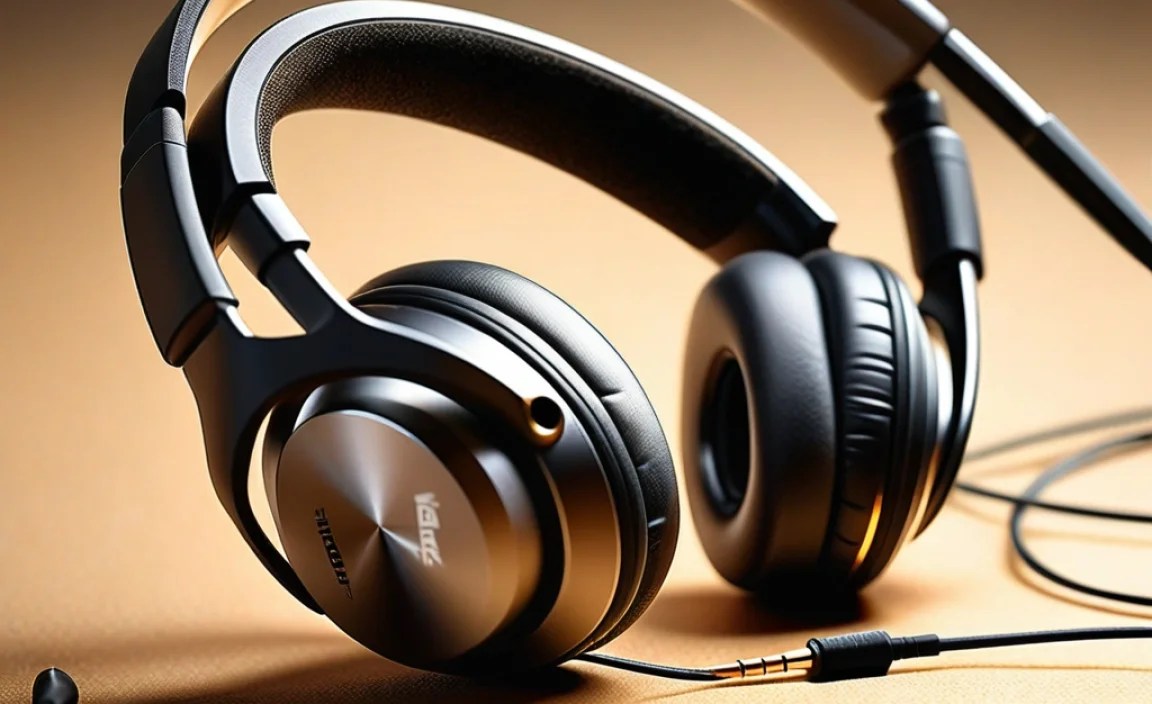
The choice between wired and wireless is a personal one, but each has its pros and cons for athletic performance.
Wired Headphones:
- Pros: Generally more affordable, no battery to worry about, often a direct connection to your device with no potential for dropouts or pairing issues.
- Cons: Cables can get tangled, snagged, or caught on equipment, which can be annoying and even dangerous.
Wireless Headphones (Bluetooth):
- Pros: Freedom of movement, no tangled wires, often more compact and discreet.
- Cons: Require charging, can sometimes have connection issues, generally more expensive.
For most athletes today, the freedom offered by wireless earbuds makes them the preferred choice. However, if budget is a major concern or you’ve had bad experiences with Bluetooth before, a good pair of wired sports headphones can still be a reliable option.
Top Picks: Best In-Ear Headphones for Sport in [Current Year]
![Top Picks: Best In-Ear Headphones for Sport in [Current Year]](https://i2.wp.com/headphonehorizon.com/wp-content/uploads/2026/03/top-picks-best-in-ear-headphones-for-sport-in-current-year.webp)
Finding the “best” is subjective and depends on your specific needs and budget. However, here are some highly-regarded options that consistently perform well for sports enthusiasts:
Category 1: Best All-Arounder
These headphones strike a great balance between features, performance, and price, making them a solid choice for most activities.
Example: Jabra Elite Active Series
Jabra has a reputation for building durable, well-featured sports earbuds. The Elite Active line is known for its excellent secure fit, good sound quality, and robust water/sweat resistance (often IP57 or higher). They also boast reliable Bluetooth connectivity and decent battery life.
| Feature | Jabra Elite Active Series (Typical) |
|---|---|
| Fit | Excellent with wingtips and multiple ear tips |
| Sweat/Water Resistance | IP57 or IP67 |
| Sound Quality | Good, customizable via app |
| Battery Life | 5-8 hours per charge, plus case |
| Connectivity | Stable Bluetooth |
Category 2: Best for Ultimate Secure Fit
If your primary concern is that your earbuds will never fall out, these are your go-to.
Example: Jaybird Vista 2
Jaybird has long been a favorite among runners and cyclists for their incredibly secure fit. The Vista 2 builds on that legacy with enhanced durability, great sound, and improved wind-noise reduction for calls when you’re on the move. They also offer excellent water and dust resistance.
- Special Note: Jaybird’s “Sport Fit” technology, using their unique wing and tip design, is legendary for keeping buds locked in place.
Category 3: Best Budget-Friendly Option
You don’t have to break the bank to get reliable sports earbuds.
Example: Anker Soundcore Sport X10
Anker’s Soundcore line offers excellent value. The Sport X10 features a unique rotating ear hook design that provides an exceptionally secure and comfortable fit, even during intense workouts. They are also IPX7 waterproof and deliver surprisingly good sound for their price point, with decent battery life.
| Feature | Anker Soundcore Sport X10 (Typical) |
|---|---|
| Fit | Very Secure with rotating ear hooks |
| Sweat/Water Resistance | IPX7 |
| Sound Quality | Good for the price, punchy bass |
| Battery Life | 8 hours per charge, plus case |
| Connectivity | Reliable Bluetooth |
Category 4: Best for Awareness (Open-Ear or Transparency Modes)
For outdoor activities where hearing your surroundings is crucial for safety, these options are fantastic.
Example: AfterShokz (now Shokz) OpenRun / OpenRun Pro
While not strictly “in-ear,” Shokz uses bone conduction technology to deliver sound through your cheekbones, leaving your ear canal open. This is the safest option for traffic safety and situational awareness. They are incredibly comfortable for long durations and offer good water resistance. Their sound quality is different from traditional earbuds but excellent for spoken word and motivating music at moderate volumes.
Why Bone Conduction? This technology is recognized by many safety organizations for its ability to enhance situational awareness during outdoor activities. The U.S. Department of Transportation often highlights the importance of auditory cues for road safety, a principle bone conduction headphones respect.
How to Get the Best Fit: A Step-by-Step Guide

Even the best headphones won’t perform if they don’t fit correctly. Follow these steps:
- Clean Your Ears: Before trying on any earbuds, ensure your ears are clean and dry. This helps ensure a good seal and better hygiene.
- Select the Right Eartips: Start with the medium-sized silicone tips. If they feel too loose or don’t create a good seal (you can test this by gently tapping the earbud, and if you can still hear your surroundings very clearly, the seal might not be good), try the larger size. If they feel too big, uncomfortable, or cause pain after a short while, downsize.
- Insert Correctly: Gently insert the earbud into your ear canal. For most standard in-ear designs, you’ll want to pull the top of your ear slightly upward and backward. This straightens the ear canal, allowing for easier insertion and a deeper, more secure fit.
- Add Wingtips/Ear Hooks (if applicable): If your headphones have wingtips or ear hooks, make sure they are positioned correctly. Wingtips should nestle into the conch of your ear, while ear hooks should loop comfortably over your ear. Adjust slightly until you feel a secure but not painful hold.
- Test the Fit: Gently tug on the cable (if wired) or the earbud itself. Try some light physical activity like jogging in place, shaking your head, or jumping. If any earbud feels like it’s loosening or might fall out, try a different eartip size or adjust the placement.
- Consider Foam Tips: If silicone tips aren’t cutting it, but you want a better seal and comfort, consider aftermarket foam ear tips (like those from Comply™). They expand to fill your ear canal and can provide a superior fit and passive noise isolation.
Maintaining Your Sports In-Ear Headphones
Keeping your gear in top shape ensures they last longer and perform better. Here’s a simple maintenance routine:
Cleaning Your Earbuds
Sweat and earwax can build up, affecting sound quality and hygiene. Here’s how to clean them:
- Eartips: Remove the eartips and gently wash them with mild soap and water. Rinse thoroughly and let them air dry completely before reattaching.
- Earbud Body: Wipe the exterior of the earbuds with a slightly damp, soft cloth. Avoid getting moisture into any openings. For stubborn grime, use a cotton swab lightly dampened with isopropyl alcohol.
- Charging Contacts (Wireless): If you have wireless earbuds, gently clean the charging contacts on both the earbuds and the charging case with a dry cotton swab or a pencil eraser. This ensures a good connection for charging.
Important: Never submerge your earbuds unless their IPX rating specifically allows for it (e.g., IPX7), and even then, follow the manufacturer’s instructions carefully.
Storing Your Headphones
When not in use, store your headphones properly to prevent damage:
- Use the Case: Most sports headphones come with a durable charging case or a carrying pouch. Use it! This protects them from dust, moisture, and physical damage.
- Avoid Extremes: Don’t leave them in a hot car or direct sunlight, as extreme heat can damage batteries and materials.
- Manage Cables (Wired): Avoid tightly winding cables. A loose wrap is better for preventing internal wire damage.
Battery Care (Wireless)
To maximize battery life for your wireless sports headphones:
- Avoid frequent full discharges.
- Don’t leave them on a charger indefinitely after they’re full, though most modern devices have safeguards against this.
- Store them in a cool, dry place if not used for extended periods.
Frequently Asked Questions (FAQ)
Q1: Are noise-cancelling headphones good for sports?
A: While active noise cancellation (ANC) can be great for focus, it’s often not ideal for outdoor sports due to safety concerns—you need to hear your surroundings. Many sports headphones use passive noise isolation (a good seal) or offer transparency modes that let ambient sound in, which are better for active use.
Q2: How can I prevent my earbuds from falling out during a run?
A: Ensure you’re using the correct eartip size to get a good seal, and that the earbud is inserted correctly. If your headphones have them, utilize wingtips or ear hooks. Trying aftermarket foam ear tips can also dramatically improve fit and keep them secure.
Q3: What does IPX7 mean for my sports headphones?
A: An IPX7 rating means the headphones can be submerged in up to 1 meter (about 3 feet) of water for up to 30 minutes without being damaged. This is excellent protection against heavy sweat and even accidental immersion in water.
Q4: How long should the battery on my wireless sports headphones last?
A: For sports, look for at least 5-6 hours of playback on a single charge. Many premium options offer 8 hours or more, with charging cases providing an additional 15-24 hours of total playtime. Your needs depend on your workout duration.
Q5: Can I use my regular headphones for sports?
A: You can, but it’s not recommended. Regular headphones may not fit securely, aren’t protected against sweat and water damage, and the cables can be a hazard when you’re exercising. Sports-specific headphones are designed to overcome these issues.
Q6: Are bone conduction headphones worth it for sports?
A: Yes, absolutely, especially for outdoor activities. They offer unparalleled safety by keeping your ears open to traffic and other environmental sounds. While the sound quality differs from traditional earbuds, they’re excellent for motivational music and podcasts during runs, cycling, or any activity where awareness is key.
Conclusion: Power Your Performance with the Right Audio Gear
Finding the best in-ear headphones for sport is about choosing a reliable partner for your active lifestyle. By focusing on a secure, comfortable fit, robust sweat and water resistance, and sound quality that motivates you, you can transform your workouts. Whether you’re a seasoned marathon runner, a weekend warrior in the gym, or just starting your fitness journey, the right audio gear is an essential piece of equipment. Use this guide to explore your options, prioritize what matters most for your training, and invest in a pair that will keep the beat going, rep after rep, mile after mile. Happy listening and happy training!
