
Looking for workout headphones that stay put? This guide dives into the best on-ear headphones for your fitness routine, focusing on a secure and comfortable fit. Discover what to look for, key features, and top picks to keep your music going without interruption during any exercise.
Getting your sweat on is so much better with the right soundtrack, right? But nobody wants to be constantly readjusting their headphones mid-squat or losing their rhythm because their earbuds are bouncing around. If you prefer the less intrusive feel of on-ear headphones but worry about them staying in place during your workouts, you’re in the right spot.
On-ear headphones can offer a great balance of comfort, sound quality, and situational awareness for exercises like running outdoors or cycling. The key, however, lies in finding a pair with an “essential fit”—one that’s snug enough to handle movement without causing discomfort or falling off. Let’s explore how to find that perfect, secure fit so you can focus on your performance.
Why On-Ear Headphones for Your Workout?

Before we dive into the specifics of fit, let’s briefly touch on why on-ear headphones might be your ideal workout companion. Unlike in-ear buds that seal your ear canal, or over-ear cans that can get hot and bulky, on-ear headphones rest on your ears. This placement can offer several advantages for fitness:
- Situational Awareness: They allow some ambient sound in, which is crucial for safety if you’re exercising in areas with traffic or other potential hazards.
- Comfort for Some: Many people find on-ear headphones more comfortable for longer listening sessions than in-ear buds, as they don’t need to be inserted into the ear canal.
- Less Ear Fatigue: For those sensitive to the pressure of earbuds, on-ear designs can be a lifesaver.
- Breathability: They generally offer more airflow around the ears compared to full over-ear headphones.
However, their potential drawback is that they can be more prone to slipping than their in-ear or over-ear counterparts if not designed with fitness in mind. That’s where the “essential fit” comes into play.
Understanding the “Essential Fit” for On-Ear Workout Headphones

When we talk about “essential fit” for on-ear headphones during a workout, we’re referring to a combination of factors that ensure they stay securely in place, feel comfortable through intense activity, and don’t get in the way of your movement. It’s not just about them feeling tight; it’s about smart design and material choices.
Key Components of an Essential Fit:
- Headband Stability: A well-designed headband is paramount. It should have enough clamping force to grip your head without causing pressure headaches, but not so much that it feels like a vise. Materials that offer some flexibility and cushioning are ideal.
- Ear Cup Angle and Contour: The ear cups themselves should naturally align with the shape of your ears and head. Some headphones feature swivel or pivot mechanisms that allow the ear cups to adjust to your unique head shape, providing a more customized and secure fit.
- Grip and Materials: The surfaces that come into contact with your head and ears (e.g., headband padding, ear cup cushions) should have some grip. Materials that are slightly rubberized or have a textured finish can prevent slippage, especially when you start to sweat.
- Weight Distribution: Lighter headphones are generally better for workouts as they exert less force due to gravity. Even weight distribution across the head also contributes to a more stable and comfortable experience.
- Secure but Open Design: For on-ear headphones, a design that cups your ear without completely enclosing it is often preferred for workouts. This helps maintain stability while also allowing for some crucial awareness of your surroundings.
Think of it like this: your headphones shouldn’t feel like they’re daring gravity to dislodge them with every jump or stride. They should feel like a natural extension of your focus, moving with you rather than against you.
Features to Look for in Workout-Ready On-Ear Headphones

Beyond the general concept of fit, a few specific features can make on-ear headphones truly shine during your fitness sessions. These are the things that elevate a standard pair of headphones into a piece of workout gear.
1. Durability and Sweat Resistance
Workouts are tough. Your headphones need to be tougher. Look for materials that can withstand the rigors of exercise and, most importantly, resist moisture. Sweat can degrade electronics and cause materials to break down over time, leading to a shorter lifespan and potential safety hazards.
- IP Rating: Check for an Ingress Protection (IP) rating. An IPX4 rating, for example, means the headphones are protected against splashes of water from any direction. Higher ratings offer even greater protection against dust and water. For fitness, at least IPX4 is highly recommended. You can find more about IP ratings on the International Electrotechnical Commission (IEC) website, a globally recognized standards body.
- Material Quality: Robust plastic composites and durable fabrics for the padding can make a big difference. Avoid headphones with materials that feel flimsy or are known to degrade quickly with moisture exposure.
2. Secure and Adjustable Headband
This is where the “essential fit” truly begins. A headband that can be adjusted allows you to dial in the perfect amount of pressure. Some headbands might also feature a non-slip inner lining, which adds a crucial layer of security.
- Adjustable Slider: Ensure the headband has a smooth, easy-to-use sliding mechanism for adjusting the size.
- Ergonomic Shape: A curved headband that sits comfortably on the crown of your head, rather than digging in, is key for long-term comfort and stability.
- Grippy Inner Band: Some models incorporate a silicone or rubberized strip on the inside of the headband to help it stay put.
3. Ear Cup Comfort and Stability
The ear cups are what make on-ear headphones “on-ear.” Their design and material are critical for comfort and keeping them from slipping.
- Contoured Shape: Ear cups that are not just flat but have a slight contour will fit the natural shape of your ears better, enhancing stability.
- Swivel and Pivot Action: Headphones with ear cups that can swivel or pivot allow them to lie flatter against your head and adapt to different angles, creating a more secure contact point.
- Cushioning Material: Look for ear cushions made from plush, yet sweat-resistant materials. Protein leather or synthetic leather can be good, but on plush fabric can also offer a good grip. Some might even have a slightly textured surface.
4. Wireless Convenience (Bluetooth)
For workouts, wires are a hassle. Bluetooth connectivity offers freedom of movement, preventing cables from snagging or restricting you. Ensure the Bluetooth connection is stable and offers a decent range so your music doesn’t cut out if your phone isn’t right next to you.
5. Battery Life
You don’t want your music to die halfway through your workout. Aim for headphones that offer at least 8-10 hours of playback on a single charge. Many modern workout headphones offer even more, which is always a bonus.
6. Controls and Ease of Use
Ideally, you’ll want easy-to-access buttons on the headphones themselves for controlling music playback, volume, and calls. This way, you don’t have to fumble with your phone while you’re in motion.
Step-by-Step Guide: Finding Your Perfect On-Ear Workout Headphones

Now that you know what to look for, let’s break down the process of finding and ensuring the essential fit for your on-ear workout headphones.
Step 1: Assess Your Workout Style and Needs
Before you even start looking at specific models, think about how you work out. Are you a runner, cyclist, weightlifter, or do you do a mix of activities?
- High-Impact Activities (Running, Jumping): Require the most secure fit. Look for features like a snug clamping force, grippy materials, and a well-designed headband.
- Moderate Activities (Gym, Brisk Walking): May tolerate a slightly less aggressive fit but still need to stay in place.
- Low-Impact Activities (Yoga, Stretching): Fit is less critical but comfort remains important.
Consider your environment too. If you exercise outdoors, safety features like situational awareness are paramount. If you’re in a loud gym, noise isolation might be a secondary, though less common, consideration for on-ear types.
Step 2: Research Reputable Brands and Models
Start by looking into brands known for their audio quality and, importantly, their sports or fitness-oriented headphone lines. Some brands consistently deliver on comfort and durability for active lifestyles.
Here are a few well-regarded companies that often have strong offerings in this space (this is not an exhaustive list, and specific models vary):
- Jabra
- Sennheiser
- Sony
- Bose (though often more over-ear focused, they may have on-ear options)
- Beats (by Dr. Dre)
When researching models, use keywords like “on-ear sports headphones,” “sweat-resistant headphones,” or “secure fit workout headphones.” Read reviews specifically mentioning fit during exercise.
Step 3: Prioritize Fit Features During Your Search
As you narrow down your choices, actively look for the fit features we discussed earlier:
- Check IP Ratings
- Look for Adjustable Headbands
- Examine Ear Cup Design (swivel, contour)
- Read about Material Grip
- Consider Weight
A table summing up desirable features can be helpful here:
Essential Features for On-Ear Workout Headphones
| Feature | Importance for Fit | What to Look For |
|---|---|---|
| Sweat/Water Resistance | High | IPX4 rating or higher. Durable materials. |
| Headband Design | Very High | Adjustable, comfortable clamping force, non-slip inner band. |
| Ear Cup Design | Very High | Contoured, swivel/pivot action, good cushioning, secure material. |
| Weight | Medium | Lighter is generally better for stability. |
| Connectivity | High (for freedom of movement) | Stable Bluetooth connection. |
| Battery Life | Medium (for uninterrupted workouts) | 8+ hours playback. |
Step 4: Try Before You Buy (If Possible)
The absolute best way to ensure an essential fit is to try the headphones on. If you’re shopping in a physical store, wear them for a few minutes. Mimic some movements you’d do during a workout.
- Gentle Head Turns: Do they slide?
- Slight Jogs in Place: How do they react?
- Tilting Your Head: Do they stay put?
Pay attention to any uncomfortable pressure points on your head or ears. If you’re buying online, check the return policy. Many online retailers offer generous return windows, allowing you to test the fit in your own environment.
Step 5: The “Sweat Test” and Adjustment Period
Once you have your headphones, it’s time for the real test: your workout! Start with moderate activity and gradually increase intensity.
- Initial Wear: Put them on and adjust the headband to a snug, but not painful, level.
- Begin Workout: Start with a warm-up. See how they feel as you begin to move.
- Increase Intensity: Perform your main exercises. Pay close attention to any slipping, shifting, or discomfort.
- Post-Workout Check: After your session, check the fit. Did they stay in place? Did any pressure points develop?
It might take a little fine-tuning. You might find that a slightly different headband adjustment or ear cup angle provides a more secure and comfortable fit. Don’t be afraid to experiment within the bounds of the headphones’ adjustability.
Step 6: Consider Aftermarket Accessories
If you’ve found a pair of on-ear headphones you love for their sound and other features, but the fit isn’t quite perfect, there are sometimes aftermarket solutions.
- Headband Pads: You can sometimes purchase extra padding or a different style of headband pad that might offer more grip or comfort.
- Ear Pad Covers: While less common for on-ear, specialized covers for ear pads might offer a slightly different texture or grip.
These are usually last resorts, but they can sometimes save a pair of headphones that are almost right.
Top On-Ear Headphones Known for Fitness-Friendly Fit (Examples)

While specific models change, some brands and designs consistently perform well for active users. These are examples of types of headphones you might find, rather than a definitive “best of” list, which requires current market research.
Example 1: The Sport-Tuned Lightweight On-Ear
These headphones are often designed with lighter materials, a flexible but firm headband, and often incorporate some rubberized elements for grip. They might have a more flattened ear cup profile to reduce bulk and movement.
- Pros: Very comfortable, lightweight, good situational awareness, often good sweat resistance.
- Cons: Might not offer the deepest bass, may require more frequent adjustment than extremely secure designs.
- Fit Focus: The combination of light weight, flexible headband, and grippy materials is key.
Example 2: The Adjustable Secure-Fit On-Ear
These models might lean slightly more towards a secure fit with a headband that has more robust adjustment options and perhaps a wider clamping force than casual on-ear headphones. The ear cups might have a design that cups the ear more effectively.
- Pros: Highly secure, good for high-impact activities, often good sound quality.
- Cons: Can sometimes feel a bit tighter, might be slightly heavier.
- Fit Focus: Strong headband clamping and ear cup contouring that hugs the ear.
Example 3: The Foldable/Compact On-Ear with Secure Band
Some fitness-oriented on-ear headphones are designed to fold for portability, but they incorporate a headband that maintains a firm hold. The ear cups might have a slight angle built-in for better contact.
- Pros: Convenient for transport, good balance of security and comfort.
- Cons: Folding mechanisms can sometimes be weak points for durability if not well-made.
- Fit Focus: A non-folding rigid headband structure that maintains consistent pressure, combined with secure ear pad grip.
It’s always a good idea to check reviews for specific models within these categories. Look for user comments about how well the headphones perform during running, workouts, or other strenuous activities.
Maintaining Your Workout Headphones for Longevity
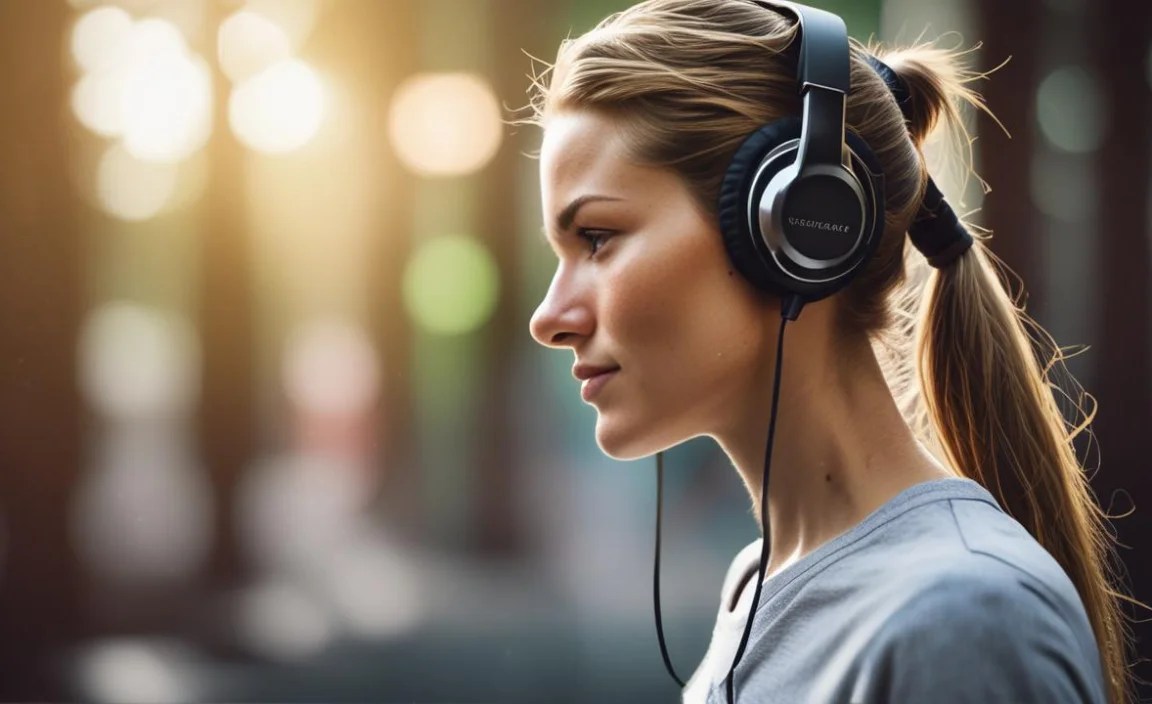
Keeping your headphones in top condition ensures they continue to provide that essential fit and great sound. Sweat, dust, and general wear and tear can impact performance.
Cleaning Steps:
- Wipe Down Ear Cups and Headband: After each workout, use a slightly damp, lint-free cloth to wipe down the ear cushions and headband. For tougher grime, use a mild, non-abrasive cleaner (like diluted soap) and a separate damp cloth, followed by a dry one. Be careful not to let moisture seep into the speaker grilles.
- Clean Exterior Surfaces: Wipe down the plastic or metal parts of the headphones with a dry or slightly damp cloth.
- Allow to Air Dry Completely: Before storing or using them again, ensure all parts are thoroughly dry.
Storage Tips:
- Avoid Extreme Temperatures: Don’t leave your headphones in a hot car or directly in sunlight for extended periods, as extreme heat can damage materials and electronics.
- Use a Protective Case: If your headphones came with a case, use it. This protects them from dust, scratches, and accidental impacts.
- Store in a Cool, Dry Place: A drawer or gym bag (in a case) is usually ideal.
Proper care can significantly extend the lifespan of your workout headphones and help maintain their secure fit.
