
Quick Summary: Discover the best in-ear headphones for your workouts! This guide breaks down essential features like secure fit, sweat resistance, and sound quality. Learn what to look for, helpful tips, and answers to common questions to keep your motivation high and your music flowing, no matter how intense your exercise gets.
Best In-Ear Headphones for Workout: Proven Essentials for Your Fitness Journey
Hey there, fitness fans and music lovers! Edward Cavitt here from Headphone Horizon. If you’re anything like me, your workout soundtrack is as crucial as your gym shoes. But finding the right in-ear headphones can feel like a marathon in itself. Sweaty ears, falling earbuds, tangled wires – sound familiar? You’re in the right place! Today, we’re cutting through the noise to help you find the best in-ear headphones that will stay put, sound amazing, and withstand even your toughest training sessions. Let’s get your fitness groove on!
Why the Right In-Ear Headphones Matter for Workouts

When you’re pushing your limits, the last thing you want to worry about is your headphones. The best in-ear headphones for workouts aren’t just about great sound; they’re about providing a seamless, distraction-free experience that enhances your performance and enjoyment. They need to be tough, comfortable, and reliable, like a good training partner. Think about it: loose earbuds can interrupt your flow, uncomfortable fits can cause pain, and water damage can end your listening session prematurely. Investing in the right pair means investing in your consistency and enjoyment.
Key Features to Look for in Workout In-Ear Headphones

Navigating the world of audio gear can be a bit daunting, but when it comes to workout buds, there are a few non-negotiable features. Let’s break down what makes a pair of in-ear headphones truly “workout-worthy.”
1. Secure and Comfortable Fit
This is paramount. If your earbuds don’t stay in, they’re useless. Look for headphones that come with multiple ear tip sizes (silicone, foam) and wingtips or ear hooks. These help create a snug seal that prevents them from falling out, even during high-impact activities like running or jumping.
- Ear Tips: Different materials offer varying levels of comfort and noise isolation. Silicone is common and easy to clean, while foam tips can provide a more secure, customized fit and better passive noise blocking.
- Wingtips/Ear Hooks: These are small attachments that help to anchor the earbuds in your ear, adding an extra layer of security.
- Ergonomic Design: Consider the shape and weight of the earbuds. Some are designed to nestle more comfortably in the curve of your ear.
2. Sweat and Water Resistance (IP Rating)
Your headphones will inevitably encounter sweat, and maybe even rain. Look for an IP (Ingress Protection) rating. This rating tells you how well the device is protected against solids (like dust) and liquids (like water). For workouts, an IPX4 rating is a good minimum, meaning it can withstand splashes from any direction. Higher ratings (IPX5, IPX7) offer even better protection against water jets or even submersion, which is great for intense sweaty sessions or if you might get caught in the rain.
Here’s a quick rundown of what common IP ratings mean for you:
| IP Rating | Protection Against | Workout Suitability |
|---|---|---|
| IPX4 | Splashing water from any direction | Good for moderate sweat and light splashes |
| IPX5 | Water jets from any direction | Excellent for heavy sweat and rain protection |
| IPX7 | Immersion in water up to 1 meter for 30 minutes | Superb for extreme conditions, including accidental drops in puddles or intense cleans |
3. Durability and Build Quality
Workout headphones are going to get tossed around in gym bags, dropped occasionally, and exposed to the elements. They need to be built to last. Check for robust materials, reinforced cables (if wired), and sturdy charging cases (for wireless models). Reading reviews about long-term durability can be very insightful here.
4. Wireless Connectivity (Bluetooth)
Tangled wires flapping around your face are the enemy of a good workout. Bluetooth connectivity is almost a given for modern workout headphones. Look for stable Bluetooth versions (like 5.0 or higher) for a reliable connection that won’t drop out mid-set. Multipoint connectivity, which allows you to connect to two devices simultaneously, can also be a handy feature if you switch between your phone and tablet or smartwatch.
5. Battery Life
You don’t want your music to die before your workout is over. Consider the battery life of the earbuds themselves and the charging case (for true wireless models). Aim for at least 5-6 hours of playback on a single charge for the earbuds, with a charging case that can provide at least 2-3 additional charges. Longer is always better if you’re a frequent user or tend to forget to charge.
6. Sound Quality
While not always the top priority for pure sport headphones, good sound quality can significantly boost your motivation. Look for a balanced sound profile that suits your music taste. Some people prefer a more bass-heavy sound for energetic tracks, while others like a clearer, more detailed sound for focus. Don’t underestimate the power of a good beat to get you moving!
7. Noise Isolation/Cancellation
This can be a double-edged sword.
Open-ear designs or ambient sound modes allow you to hear your surroundings, which is crucial for safety if you exercise outdoors (e.g., cycling, running on roads) as recommended by organizations like the National Highway Traffic Safety Administration.
On the other hand, active noise cancellation (ANC) can be great for shutting out gym distractions and immersing yourself in your music in a gym environment. Many workout headphones offer a balance, with transparency modes that let in ambient sound when needed. Decide what’s best for your typical workout environment.
Types of In-Ear Headphones for Workouts
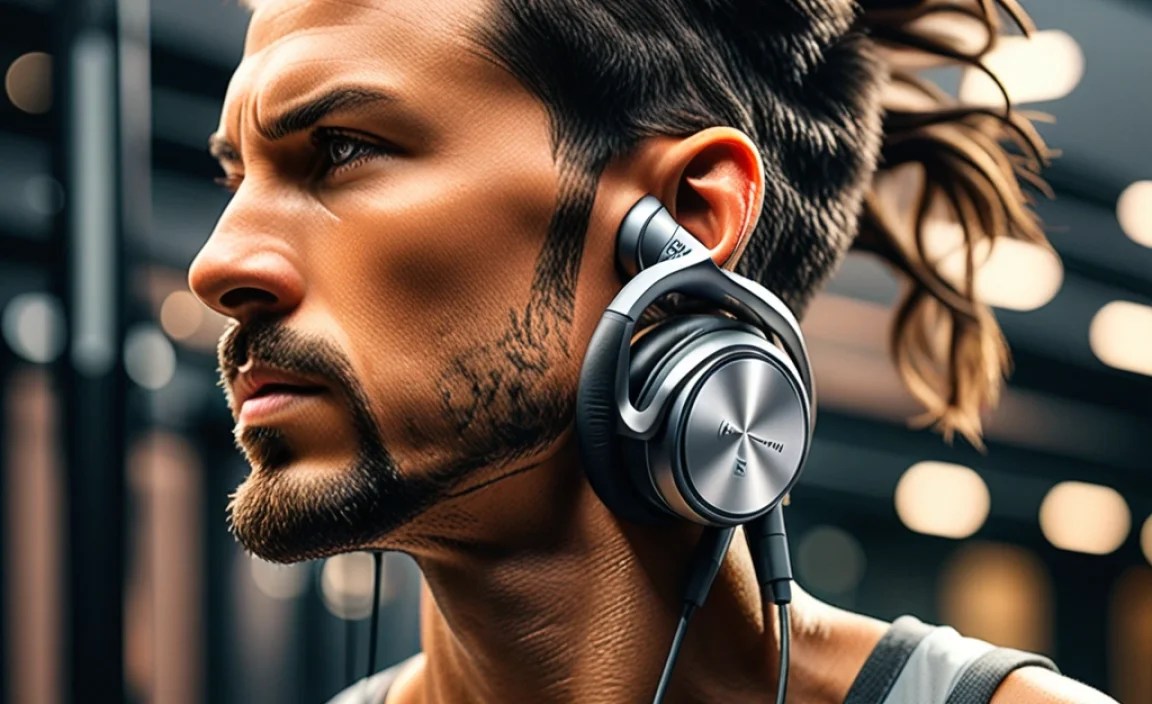
When you’re looking for the best in-ear headphones for workout, you’ll generally find them in a few main categories. Each has its own strengths for fitness:
True Wireless (TWS) Earbuds
These are completely wireless, with each earbud a separate unit. They’re popular for their freedom of movement and compact size.
- Pros: Ultimate freedom, no wires to manage, small and portable charging cases.
- Cons: Can be easier to lose, battery life per charge might be shorter than other types, dependent on charging case.
Wireless Neckband Earbuds
These feature two earbuds connected by a band that rests around your neck. Many have an in-line remote and mic.
- Pros: Less likely to lose than TWS, often good battery life, easy to take out and let hang without worrying about losing them.
- Cons: The neckband can sometimes be felt or shift during intense exercise, not as sleek as TWS.
Wired Earbuds
The classic option, with a wire connecting the earbuds and a plug for your device. While less common now with the rise of wireless, some still prefer them for simplicity and no battery concerns.
- Pros: No charging needed, often more affordable, no Bluetooth pairing to worry about.
- Cons: Wires can snag, restrict movement, and get tangled. Might not have the latest features like sweat resistance.
Getting the Best Fit: A Step-by-Step Guide
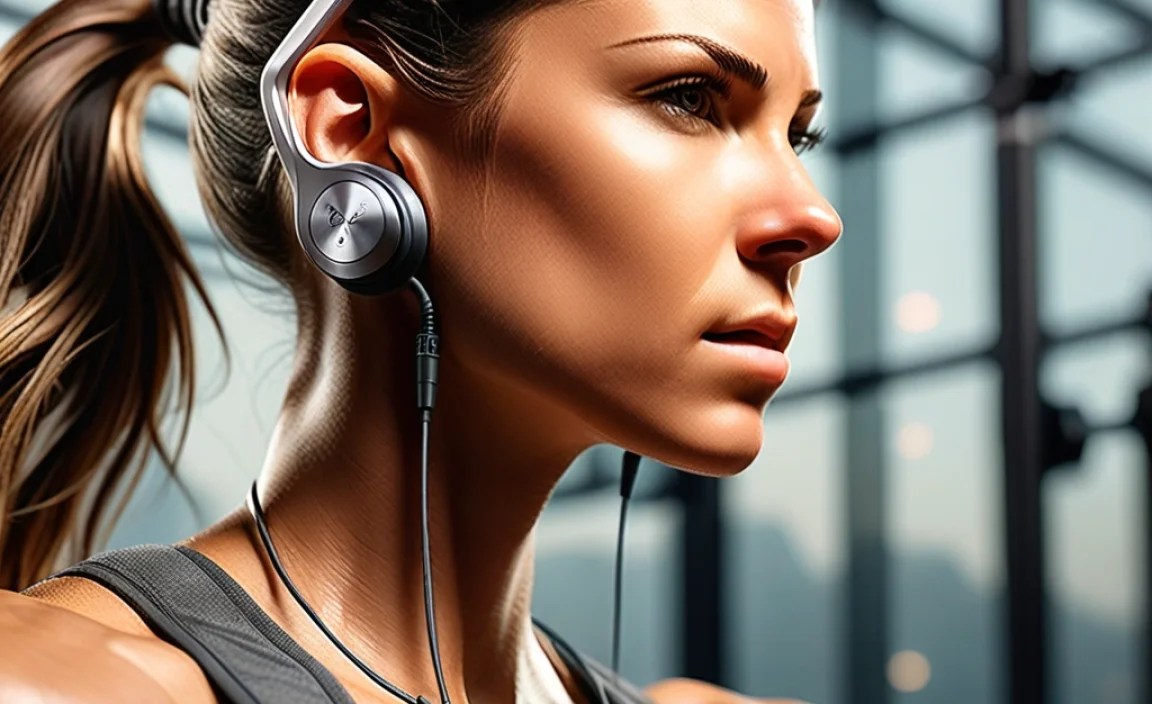
Even the best workout headphones won’t perform optimally if they don’t fit right. Here’s how to ensure a secure and comfortable fit:
- Clean Your Ears: A clean ear canal helps ear tips adhere better.
- Select the Right Ear Tips: Start with the medium-sized tips provided. Insert them gently into your ear canals and twist slightly until they feel snug and create a good seal. You should feel some passive noise isolation.
- Try Different Sizes: If the medium tips feel loose or fall out during movement, try the smaller tips. If they feel too tight or uncomfortable, try the larger ones. You might even need different sizes for each ear.
- Add Wingtips or Ear Hooks (If Applicable): If your headphones have these, attach the ones that feel most secure. Position the wingtip so it slightly tucks into the upper ridge of your ear. For ear hooks, ensure they curve comfortably around your ear.
- Perform a “Jiggle Test”: Gently shake your head side to side and up and down. Do the earbuds stay put?
- Do a Movement Test: Step in place, jog lightly, or do a few jumping jacks. If the earbuds loosen or fall out, you may need to try a different ear tip size or a different wingtip/hook configuration.
- Listen for Sound Quality: A proper seal is crucial for bass response and overall sound clarity. If the bass sounds weak or tinny, your seal might not be good enough.
Top Features to Prioritize Based on Your Workout
Not all workouts are created equal, and your headphone needs might vary depending on your activity.
- For Running/Cardio: Focus on a super secure fit (wingtips/ear hooks are a bonus), sweat resistance (IPX4 minimum), and potentially awareness of surroundings (check for transparency modes if running outdoors).
- For Gym Sessions (Weightlifting, Classes): A secure fit is still key, but you might prioritize noise isolation or ANC to drown out gym noise. Durability is important as you’ll be moving around equipment.
- For Water Sports (Swimming): You’ll need specialized waterproof headphones with an IPX7 rating or higher, designed specifically for submersion.
Bluetooth Connectivity Explained Simply
Bluetooth technology lets your headphones communicate wirelessly with your phone, smartwatch, or tablet. When choosing workout headphones, look for:
- Bluetooth Version: Newer versions like 5.0, 5.1, 5.2, or 5.3 generally offer better battery efficiency, a more stable connection over longer distances, and faster pairing.
- Codec Support: While not critical for beginners, codecs like SBC (standard), AAC (good for Apple devices), and aptX (good for Android devices) can affect sound quality. For workout headphones, the connection stability is usually more important.
- Multipoint Pairing: This lets your headphones connect to two devices at once. For example, you can be connected to your phone for music and your smartwatch for activity tracking simultaneously.
Battery Life: What To Expect and How to Maximize It
Most true wireless earbuds offer between 3-8 hours of playback on a single charge. The charging case typically provides an additional 2-4 full charges. So, if your earbuds offer 5 hours and come with a case that provides 3 more charges, you essentially have 20 hours of total listening time before needing to plug the case into a power source.
Tips for Maximizing Battery Life:
- Store your earbuds in their charging case when not in use.
- Avoid extreme temperatures, which can degrade battery performance over time.
- Turn off noise cancellation or ambient sound modes when not needed, as they consume more power.
- Keep your firmware updated, as manufacturers sometimes include battery optimizations in updates.
Maintenance and Care for Your Workout Headphones
To keep your workout companions in top condition, a little regular care goes a long way. Here’s how:
Cleaning Your Earbuds
After each workout, it’s good practice to wipe down your earbuds to remove sweat and debris.
- Remove Ear Tips: Gently detach the ear tips from the earbuds.
- Wipe the Earbuds: Use a clean, slightly damp (not wet!) microfiber cloth. For tougher grime, a little bit of isopropyl alcohol (70%) on the cloth can work wonders, but be careful not to get any into the speaker grilles or charging ports.
- Clean the Ear Tips: Wash them with mild soap and water. Ensure they are completely dry before reattaching them to the earbuds.
- Clean the Charging Case: Wipe the exterior and interior of the charging contacts with a dry cotton swab to ensure a good connection.
Storing Your Headphones
Always store your headphones in their charging case (if applicable) to protect them from dust, damage, and to ensure they’re charged for your next session.
Troubleshooting Common Issues
Even the best gear can have occasional hiccups. Here are a few common problems and how to fix them:
- One Earbud Not Working:
- Ensure both earbuds are properly seated in the charging case and have charged.
- Clean the charging contacts on the earbuds and inside the case.
- Try resetting the earbuds (check your manual for specific instructions, often involves holding down a button).
- Unpair and re-pair them with your device.
- Connection Issues:
- Make sure Bluetooth is enabled on your device.
- Move closer to your device.
- Turn Bluetooth off and on again on your device.
- Restart your device and the headphones.
- Forget the headphones in your device’s Bluetooth settings and re-pair them.
- Low Volume:
- Check the volume on both your device and the headphones (if they have independent volume controls).
- Ensure the ear tips are creating a good seal in your ears.
- Clean the ear tips and the speaker grilles.
Top In-Ear Headphones for Workouts (Examples to Consider)
While “best” is subjective and depends on your specific needs and budget, here are a few popular and well-regarded options that consistently perform well for workouts. These are great starting points for your research:
| Headphone Model | Key Features | Best For | Price Range (USD) |
|---|---|---|---|
| Beats Fit Pro | Secure wingtip design, ANC, Spatial Audio, IPX4, H1 chip compatibility | Running, Gym, Apple users | $$$ |
| Jaybird Vista 2 | Rugged durability, IP57 rating, secure fit, good battery life | Intense Workouts, All-around Athlete | $$$ |
| Jabra Elite Active 75t / 7 Active | Excellent fit, great durability, IP57 rating, good sound, ANC (on some models) | Gym, Running, Variety of Activities | $$ – $$$ |
| Anker Soundcore Sport X10 | Rotating ear hooks for secure fit, IPX7 rating, good value for money | Budget-conscious, Heavy Sweaters | $ – $$ |
| Bose Sport Earbuds | Comfortable and secure fit, good sound, IPX4 rating, designed for movement | Comfort-focused athletes, Running, Gym | $$$ |
Note: Prices are approximate and can vary based on sales and retailers. Always check the latest specifications.
Frequently Asked Questions (FAQ)
Q1: Do I really need special workout headphones?
While you can use any headphones for a workout, specialized ones are designed to withstand sweat, stay securely in place, and offer features like environmental awareness, which are crucial for safety and comfort during exercise. They are built to endure much more than standard earbuds.
Q2: What does IPX4 mean for my headphones?
An IPX4 rating means your headphones are protected against splashing water. This is generally sufficient for workouts where you’ll sweat a lot or if they might get a bit damp from rain. They won’t be damaged by sweat or light water spray.
Q3: How do I know if my in-ear headphones are secure enough?
A secure fit means they don’t loosen or fall out during your most vigorous movements. Look for headphones with multiple ear tip sizes and options like ear hooks or wingtips. The “jiggle test” and a short movement test are good ways to check.
Q4: Can I swim with my workout headphones?
Only if they are specifically designed for swimming and have a high waterproof rating, typically IPX7 or higher, and are advertised as submersible. Regular sweat-proof or water-resistant headphones (like IPX4 or IPX5) are not suitable for swimming.
