
Quick Summary: Discover the best eye masks with integrated headphones for a tranquil sleep experience. This guide helps you choose a comfortable, light-blocking mask with quality audio for ultimate relaxation, perfect for travelers and home use. Enjoy peaceful nights and wake up refreshed.
Your Guide to the Best Eye Mask with Headphones: Effortless Sleep Unlocked
Hello, fellow sound explorers and comfort seekers! Edward Cavitt here from headphonehorizon, ready to guide you through a topic that blends the best of audio technology with the blissful pursuit of a good night’s sleep. In our fast-paced world, finding true rest can feel like a luxury. But what if you could create your personal sanctuary, wherever you are, simply by combining darkness with your favorite soothing sounds? That’s where the magic of an eye mask with headphones comes in. It’s not just about blocking out light; it’s about crafting an immersive, calming environment designed to lull you into a deep, restorative slumber. Let’s dive into how these innovative gadgets can revolutionize your sleep!
Why Combine an Eye Mask and Headphones for Sleep?

It might sound like a novel idea, but the synergy between a good eye mask and quality audio is a powerful one for sleep enhancement. Think about it: light pollution can disrupt our natural sleep-wake cycle, known as the circadian rhythm. Even small amounts of light can signal to our brain that it’s time to be awake, interfering with melatonin production, the hormone crucial for sleep. An effective eye mask creates total darkness, signaling to your body that it’s time to wind down.
Pairing this with audio further enhances the experience. Whether you prefer calming nature sounds, guided meditations, white noise, or even audiobooks, listening through comfortable, integrated headphones can mask distracting external noises – from snoring partners to city traffic. This dual approach creates a powerful sensory shield, allowing you to drift off more easily and stay asleep longer.
According to the National Sleep Foundation, both controlling light exposure and managing noise are key pillars of good sleep hygiene. An eye mask with headphones directly addresses both these crucial elements, offering a convenient and effective solution for many sleep challenges.
What to Look for in the Best Eye Mask with Headphones

Choosing the right eye mask with headphones is about balancing comfort, functionality, and audio quality. Not all models are created equal, and what works for one person might not be ideal for another. Here are the key features to consider:
1. Comfort and Fit
This is paramount. An eye mask that’s too tight can cause headaches, and one that leaks light defeats its purpose. Look for:
- Adjustable Straps: Essential for a secure yet gentle fit for different head sizes.
- Soft, Breathable Materials: Cotton, silk, or memory foam are excellent choices. Avoid materials that can feel hot or cause irritation.
- Contoured Design: Eye cups that create space around your eyes prevent pressure on your eyelids and lashes, allowing for deeper REM sleep.
- Lightweight Construction: You don’t want to feel the device on your face.
2. Light Blocking Capabilities
The primary function of an eye mask is to block light. A great one will have:
- Deep Fit: Ensure the mask contours around your nose and cheeks to prevent light from seeping in.
- Complete Coverage: The mask should be large enough to cover your entire eye area without gaps.
- Dark, Opaque Fabric: No light should be able to penetrate the material itself.
3. Audio Quality and Features
Since headphones are integrated, sound quality is important. Consider:
- Sound Clarity: While audiophile quality might not be the goal, you want clear, pleasant sound for your chosen audio.
- Speaker Placement: The speakers should be positioned comfortably over your ears without causing pressure points.
- Connectivity: Most modern masks use Bluetooth for wireless convenience. Ensure it’s easy to pair with your devices.
- Volume Control: The ability to adjust volume directly on the mask can be very handy.
- Battery Life: For overnight use or travel, long battery life is essential. Look for models that last at least 8-10 hours on a single charge.
- Removable Speakers/Electronics: This is a big plus for washing the mask.
4. Washability
Hygiene is important, especially for something worn on your face nightly. Models with removable electronic components are much easier to clean and maintain.
Top Features to Consider in a Feature Comparison Table
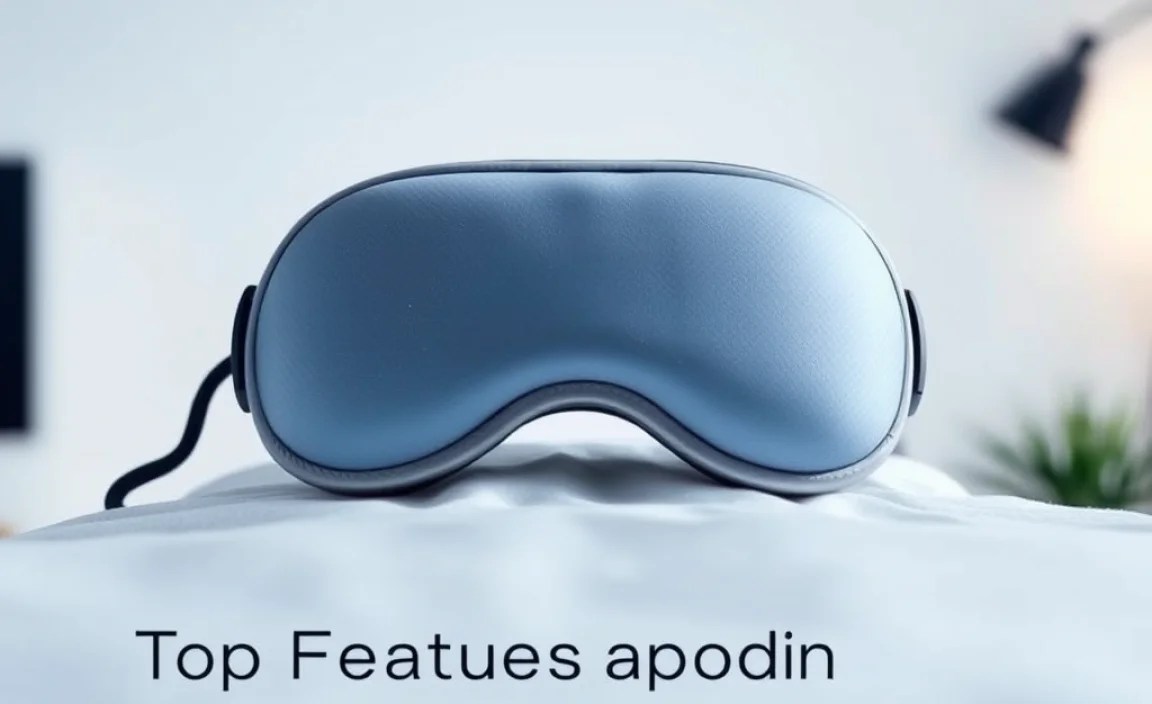
To help you visualize the differences, let’s look at some key features and how they might stack up across different types of eye masks with headphones:
| Feature | Basic Models | Mid-Range Models | Premium Models |
|---|---|---|---|
| Comfort | Standard padding, elastic strap | Contoured eye cups, softer materials, adjustable velcro | Memory foam, 3D molded design, adjustable buckle/velcro, breathable fabrics |
| Light Blocking | Adequate, may have minor gaps | Good coverage, minimal light leakage | Excellent, ergonomic design for maximum darkness |
| Audio Quality | Basic tones, functional | Clear sound, good for podcasts/meditation | Balanced sound, decent for music, good bass |
| Connectivity | Wired (rare), basic Bluetooth | Reliable Bluetooth 4.0/5.0 | Latest Bluetooth version, multiple device pairing |
| Battery Life | 4-6 hours | 8-12 hours | 10-20+ hours |
| Washability | Hand wash cover if possible | Removable speakers, machine washable cover | Fully detachable electronics, premium washable fabrics |
| Extra Features | None | Built-in mic, basic app support | Noise cancellation (rare in masks), advanced app control, sleep tracking integration |
How to Use Your Eye Mask with Headphones for Optimal Sleep

Using your new gadget is straightforward, but a few tips can elevate your sleep game:
Step 1: Prepare Your Sleep Environment
Even with an eye mask, aim for a generally dark and quiet room. Use blackout curtains if necessary. Turn off all unnecessary lights and screens.
Step 2: Charge Your Device
Ensure your eye mask with headphones is fully charged before you plan to sleep. Most devices come with a USB charging cable.
Step 3: Pair Your Headphones
Turn on the Bluetooth on your smartphone or tablet, and then activate the Bluetooth on your eye mask (usually by pressing and holding a button). Follow the on-screen prompts or refer to your manual to connect the devices. Most will announce when they are paired.
Step 4: Select Your Audio
Choose what helps you relax. Some popular options include:
- Meditation Apps: Headspace, Calm, Insight Timer offer guided sleep meditations.
- White, Pink, or Brown Noise: These can mask irregular sounds and create a consistent, soothing background. Many apps offer these, or you can find them on YouTube.
- Nature Sounds: Rain, ocean waves, or forest sounds are very popular for relaxation.
- Sleep Stories/Audiobooks: Gentle narration can be a great distraction from racing thoughts.
- Relaxing Music: Ambient music or classical pieces.
Step 5: Put on the Eye Mask
Gently place the eye mask over your eyes. Adjust the straps for a comfortable, snug fit that blocks out all light. Make sure the headphone speakers are positioned comfortably over your ears.
Step 6: Start Your Audio and Relax
Begin playing your chosen audio. Set a sleep timer on your app or device if you don’t want the audio to play all night. Close your eyes and focus on your breathing. Allow the combination of darkness and sound to guide you into sleep.
Step 7: Wake Up Gently
When you wake up, you can either slowly turn off your audio and remove the mask, or use your device’s alarm if you’ve set one. Many eye masks have a feature to gently fade the audio out after a set time, which can be a nice way to wake naturally.
Popular Types of Sleep-Enhancing Audio

The “audio” part of your eye mask can be a gateway to a world of relaxation. Here are some common and effective types:
- White Noise: This is a constant, steady sound that contains all audible frequencies at equal intensity. It’s excellent for masking sudden, disruptive noises. Think of the hum of a fan.
- Pink Noise: Similar to white noise but with a deeper, more soothing tone. It’s often described as sounding like rain or a steady waterfall. It may be more effective for some people than white noise as it reflects the natural sounds often found in environments conducive to sleep.
- Brown Noise: Even deeper than pink noise, it sounds like a low rumble or a strong waterfall. It’s preferred by some for its powerful masking abilities and calming effect.
- Binaural Beats: These are auditory illusions created by playing slightly different frequencies in each ear. When listened to with headphones, the brain perceives a third “beat” frequency, which proponents claim can induce specific brainwave states associated with relaxation and sleep.
- Ambient Soundscapes: These are recordings of natural environments like forests, beaches, or even crackling fireplaces. They offer a more varied and complex auditory experience than simple noise generators.
- Guided Meditations and Sleep Stories: These are spoken-word tracks designed to guide you through relaxation techniques or tell calming stories. They require focused listening and can be very effective for quieting a busy mind.
For those interested in the science of sound and its effects on the brain, research from institutions like Nature Scientific Reports has explored how different sound frequencies can influence brain activity and promote relaxation, offering a scientific basis for why these audio types are so effective.
Pros and Cons of Eye Masks with Headphones
Like any product, there are advantages and disadvantages to consider:
Pros:
- All-in-One Solution: Combines light blocking and audio into a single, convenient device.
- Enhanced Sleep Quality: Addresses both light and sound disturbance simultaneously.
- Portability: Ideal for travel, napping in offices, or dealing with noisy environments at home.
- Comfort: Many designs are specifically made for sleeping, offering soft materials and ergonomic shapes.
- Privacy: Listen to your chosen audio without disturbing a partner.
- Customizable Experience: Choose your own audio content for ultimate relaxation.
Cons:
- Bulkiness: Can be slightly bulkier than a standard eye mask.
- Heat: Some models might trap heat around the face, especially in warmer climates.
- Audio Quality: While improving, the audio quality may not match dedicated headphones for critical listening.
- Wired Options: Older or very basic models might use wires, which can be tangled.
- Washing Limitations: If electronics aren’t removable, cleaning can be difficult.
- Potential for Pressure: Ill-fitting masks with protruding speakers can cause discomfort.
Comparing Top Picks for the “Best Eye Mask with Headphones”
While specific models change frequently, here’s a general idea of what to expect from highly-rated options in the market, categorized by their strengths. Remember to check recent reviews for the latest technological updates and user feedback!
1. Best for Overall Comfort and Light Blocking:
Look for brands known for their 3D contoured eye masks. These often feature spacious eye cups that press on your face’s structure, not your eyeballs, providing excellent darkness and comfort. Materials like plush memory foam are common here. They usually have high-quality Bluetooth speakers that are flat and unobtrusive.
2. Best for Travel:
Compactness and durability are key. Masks that fold easily, come with a travel pouch, and have long battery life are ideal. Wireless connectivity and simple controls are also a priority for quick setup in various travel scenarios.
3. Best Value for Money:
These models often strike a good balance between features and price. You might find decent light blocking, reliable Bluetooth, and comfortable materials without the premium cost of top-tier options. Look for those with removable speakers for easier washing.
4. Best for Side Sleepers:
This is a crucial consideration! Side sleepers need masks with very low-profile, flexible speakers that don’t dig into their ears or head when lying on their side. Soft fabric and a secure, adjustable strap are also vital.
Tips for Maintaining Your Eye Mask with Headphones
To ensure your sleep companion lasts and remains hygienic, follow these tips:
- Read the Manual: Always check the manufacturer’s instructions for specific care and cleaning guidelines.
- Remove Electronics: If your mask has removable speakers and control modules, take them out before washing.
- Hand Wash or Gentle Cycle: Most fabric parts can be hand-washed with mild soap and cool water. If using a washing machine, place the mask in a mesh laundry bag and use a gentle cycle with cold water.
- Air Dry: Never put your eye mask or its electronic components in a dryer, as this can damage them. Air dry all parts completely before reassembling.
- Store Properly: When not in use, store your eye mask in a clean, dry place, ideally in its original packaging or a protective pouch.
- Charge Regularly: To maintain battery health, charge the device periodically, even if you aren’t using it frequently.
Frequently Asked Questions (FAQ)
Q1: Can an eye mask with headphones really help me sleep better?
Yes, absolutely! By effectively blocking out distracting light and allowing you to listen to calming audio, they create an ideal environment for your brain to relax and prepare for sleep. This dual action can be very effective for overcoming common sleep disturbances.
Q2: Are the speakers in eye masks comfortable for side sleepers?
Many modern eye masks with headphones are designed with side sleepers in mind. Look for models with ultra-thin, flat speakers that are integrated into the fabric and positioned to avoid putting pressure on your ears when you lie on your side. Some of the best options for side sleepers feature “ear pockets” or very flexible speaker designs.
Q3: How do I connect my eye mask headphones to my phone?
Most eye masks with headphones use Bluetooth. You’ll typically turn on the Bluetooth on your phone, then activate the Bluetooth on the eye mask (usually by pressing and holding a button). Your phone should then detect the eye mask as a discoverable device, and you can select it to pair. Refer to your specific product manual for exact instructions.
Q4: Will the battery last all night?
Most quality eye masks with headphones are designed to last between 8 to 10 hours or more on a single charge, which is sufficient for a full night’s sleep. However, battery life can vary by model and usage (e.g., volume levels). It’s a good idea to check the manufacturer’s specifications for the advertised battery life and always ensure it’s fully charged before bedtime.
Q5: Can I wash my eye mask with headphones?
Yes, but only if the electronic components (speakers and control module) are removable. Most reputable brands offer this feature. Once removed, the fabric portion of the mask can usually be hand-washed or machine-washed on a gentle cycle. Always air dry completely before reinserting the electronics.
Q6: What kind of audio content is best to listen to?
The “best” audio is highly personal, but popular choices for sleep include white noise, pink noise, brown noise, nature sounds (rain, ocean waves), calming ambient music, guided meditations, and sleep stories. Experiment to find what helps you relax and quiet your mind the most.
Q7: Are there any health concerns with using these devices?
Generally, no. When used as intended, they are safe. It’s important to use moderate volume levels to protect your hearing. Some people might find the pressure of the mask or the presence of speakers slightly uncomfortable initially, but this often diminishes with regular use and finding the right fit. Ensure the materials are hypoallergenic if you have sensitive skin.
