
Quick Summary: Discover the best foldable noise-cancelling headphones for immersive sound and portability. This beginner’s guide explains key features, how to choose the right pair for travel or daily commutes, and offers straightforward tips for a peaceful listening experience on the go. Make informed decisions with easy-to-understand advice.
Best Foldable Noise Cancelling Headphones: Your Essential Guide

Hello there, fellow audio adventurers! Edward Cavitt here from headphonehorizon, your friendly navigator through the wonderful world of sound. If you’re like me, there’s nothing quite like getting lost in your music, a captivating podcast, or the quiet serenity of your own thoughts – especially when the world around you is buzzing with noise. But what if you could take that peaceful bubble with you, anywhere, anytime? That’s where the magic of foldable noise-cancelling headphones comes in!
They’re like a portable sanctuary for your ears, combining incredible sound quality with the power to silence distractions. Whether you’re a frequent flyer, a daily commuter, or simply someone who craves a moment of calm in a busy environment, understanding these gadgets is key. This guide is designed to break down all the essentials, making it super simple for you to find your perfect audio companion.
Why Foldable Noise-Cancelling Headphones?

Let’s start with the “why.” Noise-cancelling technology, often called Active Noise Cancellation (ANC), is a true game-changer. It works by using tiny microphones to detect ambient sounds and then producing an opposite sound wave to cancel them out. Think of it as an advanced form of soundproofing for your ears. This is fantastic for noisy environments like airplanes, trains, busy offices, or even just a bustling city street. You can finally hear your audio clearly without cranking up the volume, which is better for your hearing health.
Now, add “foldable” into the mix. This feature is all about convenience and portability. Headphones that fold up neatly can slip into a backpack, a purse, or a briefcase with ease. This makes them ideal for anyone on the move. No more lugging around bulky headphones that are awkward to store! They’re designed to be compact without sacrificing sound quality or the crucial noise-cancelling capability. It’s the perfect marriage of performance and practicality.
Key Features to Look For

When you’re on the hunt for the best foldable noise-cancelling headphones, several features can make a big difference in your overall satisfaction. Let’s break down what to keep an eye out for:
Active Noise Cancellation (ANC) Quality
This is the star of the show! Not all ANC is created equal. Some headphones offer a basic level of noise reduction, while others can create an almost eerie silence. Look for headphones that allow you to adjust the ANC levels, as this can be useful. For instance, you might want strong ANC on a plane but a lighter touch in a coffee shop so you can still hear announcements.
A good indicator of ANC quality can be found in reviews that specifically test how well headphones perform against different types of noise (e.g., low-frequency rumbling like airplane engines versus higher-pitched chatter).
Comfort and Fit
You’ll be wearing these for extended periods, so comfort is paramount. Consider these points:
- Earcup Material: Soft, plush earcups made from memory foam or high-quality protein leather are usually the most comfortable.
- Headband Cushioning: A well-padded headband distributes weight evenly and prevents pressure points.
- Clamping Force: The headphones should feel secure but not uncomfortably tight.
- Weight: Lighter headphones are generally more comfortable for long listening sessions.
Sound Quality
Noise cancellation is great, but it shouldn’t come at the expense of how your music sounds! For the best experience, listen for:
- Balanced Audio: Clear highs, well-defined mids, and a present, punchy bass without being overwhelming.
- Customizable EQ: Some headphones allow you to tweak the sound profile via an app, catering to your personal preferences.
- High-Resolution Support: If you’re an audiophile, you might look for support for codecs like LDAC or aptX HD, though this is less common in mainstream foldable ANC headphones.
Battery Life
Nothing is worse than your headphones dying mid-flight. Pay attention to the rated battery life, especially with ANC turned on. Many top-tier models offer 20-30 hours or more on a single charge. Fast charging capabilities, where a few minutes of charging can give you hours of playback, are also a huge bonus.
Portability and Build Quality
Since we’re focusing on foldable headphones, how they fold is important. Do they fold flat? Do they swivel? Is there a sturdy carrying case included? The build materials should feel durable, capable of withstanding the rigors of travel without feeling flimsy.
Connectivity
Most modern headphones use Bluetooth. Look for the latest Bluetooth version (e.g., Bluetooth 5.0 or higher) for a more stable connection and better power efficiency. Multipoint pairing, which allows you to connect to two devices simultaneously (like your phone and laptop), is incredibly useful for multitasking.
“So, Which Ones Are The Best?” – Top Picks for Foldable ANC Headphones

Choosing the “best” is subjective, as it depends on your budget and specific needs. However, a few models consistently impress users and experts alike. Here are some of the top contenders you’ll often see recommended, covering a range of priorities:
| Headphone Model | Key Strengths | Best For | Approx. Price |
|---|---|---|---|
| Sony WH-1000XM5 | Industry-leading ANC, excellent sound, comfortable, multipoint connectivity. Folds flat but not inward. | Frequent travelers, office workers seeking ultimate silence. | $$$ |
| Bose QuietComfort Ultra Headphones | Exceptional ANC, immersive spatial audio, very comfortable, premium feel. | Audiophiles, long-haul travelers who prioritize comfort and top-tier ANC. | $$$ |
| Sennheiser Momentum 4 Wireless | Superb sound quality, long battery life (up to 60 hours), comfortable. Folds flat. | Music lovers, those who need long playback without frequent charging. | $$ |
| Bowers & Wilkins Px7 S2e | Sophisticated design, rich sound, good ANC, comfortable for many. Folds flat. | Style-conscious users, those who appreciate refined audio. | $$$ |
| Anker Soundcore Space Q45 | Impressive ANC for the price, long battery life, good value. Folds inward and flat. | Budget-conscious buyers, students, everyday commuters. | $ |
Note: Prices are approximate and can vary based on retailer and sales.
How to Choose Your Perfect Pair: A Step-by-Step Approach

Feeling a bit overwhelmed by the options? Don’t worry! Let’s walk through how to narrow down your choices and pick the foldable noise-cancelling headphones that are just right for you.
Step 1: Define Your Primary Use Case
Think about where and how you’ll use your headphones most often. This is the most crucial step!
- Frequent Flyers: Prioritize the absolute best ANC, comfort for long sessions, and a good carrying case.
- Daily Commuters: Look for a balance of ANC, portability, battery life, and durability. Being able to hear announcements at a lower ANC level might be important.
- Office Workers/Students: ANC to block out distractions, comfort for all-day wear, and potentially a good microphone for calls.
- Casual Listeners: Sound quality and comfort might be your top priorities, with ANC being a nice-to-have bonus.
Step 2: Set Your Budget
Foldable noise-cancelling headphones come in a wide price range. While the premium models offer the best performance, there are excellent mid-range and budget-friendly options available that can still deliver a fantastic experience. Decide how much you’re comfortable spending before you get too attached to features you can’t afford.
Step 3: Read Reviews & Compare Specifications
Once you have a shortlist based on use and budget, dive into detailed reviews. Look for:
- Real-world ANC performance: How do they handle different types of noise?
- Comfort tests: Are they good for long wear?
- Sound quality descriptions: Does the audio profile match what you like?
- Battery life claims vs. reality
- Build quality and folding mechanism
Comparing specifications side-by-side can also highlight key differences. For example, how does the impedance (a measure of electrical resistance) or driver size impact sound? For beginners, don’t get too bogged down in super technical specs; focus on how reviewers describe the listening experience.
Step 4: Consider Any Special Features
Do you need:
- Multipoint Bluetooth? To connect to your phone and laptop simultaneously.
- Companion App? For EQ adjustments, ANC control, or firmware updates.
- Voice Assistant Integration? (e.g., Alexa, Google Assistant)
- Transparency Mode? To let in ambient sound when you need to hear your surroundings without taking off the headphones.
- Touch Controls? For easy playback and call management.
These extras can significantly enhance your user experience.
Step 5: Try Before You Buy (If Possible)
The best way to know if headphones are comfortable and sound good to you is to try them on. If you can, visit an electronics store and see how they feel on your head and ears. Even a few minutes can tell you a lot about comfort and how secure they are.
Understanding Noise Cancellation: More Than Just Quiet

Active Noise Cancellation (ANC) is a marvel of modern technology. It works by employing microphones on the outside of the earcup to pick up ambient sounds. A processing chip then generates an anti-noise sound wave that’s the mirror image of the incoming noise. When these two waves meet, they effectively cancel each other out, much like constructive and destructive interference in physics. This is particularly effective against constant, low-frequency sounds like engine hums and air conditioning units.
However, it’s important to note that ANC is less effective against sudden, sharp noises (like a baby crying or a door slamming) or voices. For those situations, the passive noise isolation provided by the physical seal of the earcups also plays a crucial role. A good pair of headphones will combine both effective ANC and good passive isolation for the best all-around quiet experience.
Types of ANC:
- Adaptive ANC: Adjusts the level of noise cancellation automatically based on your environment.
- Adjustable ANC: Allows you to manually select ANC levels (e.g., high, medium, low) or turn it off completely.
- Transparency Mode (or Ambient Aware): This isn’t noise cancellation, but the opposite. It uses the microphones to pipe in external sounds, so you can hear conversations or announcements without removing your headphones.
Foldable Design: Practicality Meets Portability
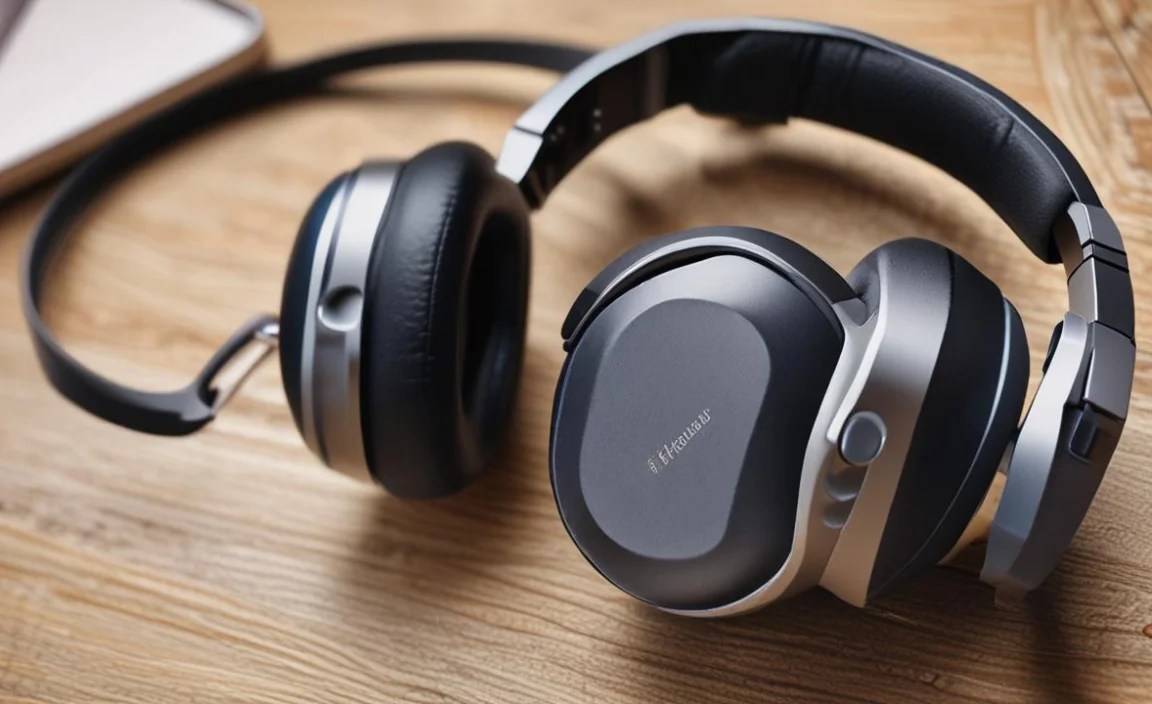
The “foldable” aspect is what makes these headphones so attractive to people on the go. But what does that actually mean for you?
- How They Fold:
- Swivel & Fold Flat: Earcups rotate to lie flat. Most common and efficient for slim cases.
- Fold Inward: Earcups swivel and then fold towards or under the headband, often making them more compact.
- Carrying Case: A good hard-shell case is essential for protecting your investment during travel. It prevents scratches and buttons from being accidentally pressed.
- Durability: The hinges and folding mechanisms are points of potential wear. Look for designs that feel robust and have good build quality in these areas.
For many, the ability to pack their headphones away neatly into a compact case that fits easily into a carry-on bag or backpack is the primary driver for choosing a foldable design.
Essential Accessories and Maintenance
To get the most out of your foldable noise-cancelling headphones and keep them in top condition, consider these:
Accessories:
- Carrying Case: Usually included, but a good quality one is a lifesaver.
- Audio Cables: Some ANC headphones can be used passively with a 3.5mm audio cable if the battery dies, or for wired listening to save battery. Ensure it’s compatible if you need one.
- USB-C Charging Cable: Standard for most modern headphones.
- Airplane Adapter: Useful for older airplane entertainment systems that have dual-pronged audio jacks.
Maintenance:
- Cleaning Earcups: Gently wipe them with a slightly damp, soft cloth. Avoid harsh chemicals or excessive moisture. If they’re removable protein leather, you can often clean them with specialized headphone cleaning wipes.
- Cleaning the Headband: Similar to earcups, use a soft, damp cloth.
- Keeping Grilles Clean: The small grilles over the speakers and microphones can accumulate dust. Use a very soft, dry brush (like a clean makeup brush or a toothbrush on a low setting) to gently dislodge debris.
- Storage: Always store them in their case when not in use, especially during travel. This protects the hinges and prevents damage.
- Battery Care: Avoid extreme temperatures. For long-term storage, charge the battery to around 50-60% rather than fully charging or letting it drain completely. This is standard advice for prolonging lithium-ion battery life.
Taking these simple steps can ensure your headphones sound great and last for a long time. Remembering to listen at safe volumes is also crucial for long-term hearing health.
Frequently Asked Questions (FAQ)
Q1: Will noise-cancelling work if my headphones are not connected to Bluetooth or my device?
A: Generally, no. Active Noise Cancellation (ANC) requires power to run the microphones and circuitry that create the anti-noise sound. So, if your headphones aren’t charged and powered on, the ANC feature won’t work. However, many ANC headphones can still function as regular headphones for listening to audio via a wired connection (if supported) or in passive mode, which means they’ll block some noise just by their physical seal.
Q2: How do I know if a headphone’s ANC is good enough for airplane travel?
A: For airplane travel, you’ll want headphones specifically praised for their ability to reduce low-frequency, constant hums. Reviews often mention how well models perform against engine noise. High-end models from brands like Sony and Bose are widely considered top-tier for this purpose. Look for terms like “excellent ANC,” “blocks engine noise effectively,” or “ideal for flights” in reviews.
Q3: Are foldable headphones less durable than non-foldable ones?
A: Not necessarily. While the folding mechanism is an extra point of potential wear, reputable manufacturers design these hinges and joints to be robust. High-quality materials and good build construction are more indicators of durability than whether they fold or not. Always check reviews for comments on the build quality of the hinges and swivel points.
Q4: Can I use my noise-cancelling headphones for making phone calls?
A: Yes, most modern foldable noise-cancelling headphones include built-in microphones and are designed for clear voice calls. Some models even use multiple microphones and AI processing to isolate your voice from background noise, enhancing call clarity for both you and the person you’re speaking with.
Q5: How long does the battery typically last on foldable noise-cancelling headphones?
A: Battery life varies, but on average, you can expect between 20 to 30 hours of playback with ANC enabled for most premium models. Some, like the Sennheiser Momentum 4, can offer significantly longer, up to 60 hours. Always check the manufacturer’s specifications, as battery life is often quoted with ANC on and at moderate volume levels.
Q6: What is “Transparency Mode” or “Ambient Sound Mode”?
A: Transparency Mode is the opposite of noise cancellation. It uses the external microphones to pick up ambient sounds and play them through your headphones. This is incredibly useful for situational awareness – allowing you to hear announcements, traffic, or a colleague speaking to you.
