
Quick Summary: Discover top gamer headphones with mics designed for clear communication and immersive sound. This guide breaks down essential features, helps you choose based on your needs, and offers tips for the best gaming audio experience, ensuring you stay connected and in the game.
Hey everyone, Edward here from Headphone Horizon! Diving into the world of PC gaming, console adventures, or maybe just coordinating with your squad on a mobile game?
Having a great headset with a clear microphone isn’t just a luxury; it’s essential for truly connecting with your teammates, hearing every crucial footstep, and enjoying the full audio landscape of your favorite games. But with so many options out there, picking the “best gamer headphones with mic” can feel a bit overwhelming. Don’t worry, we’re going to break it down together, making it super simple to find the perfect fit for your setup and your budget. Get ready to level up your audio game!
Why Your Gaming Audio Matters: Beyond Just Listening

In the fast-paced world of gaming, sound is more than just background noise; it’s a critical part of the experience. The best gamer headphones with mic offer a dual benefit: they immerse you in rich, detailed game audio while ensuring your voice is heard loud and clear by your teammates.
Imagine being able to pinpoint an enemy’s location solely by the subtle sound of their footsteps or clearly coordinating complex strategies without repeating yourself. That’s the power of good gaming audio. It enhances your reaction time, deepens your immersion, and can even be the deciding factor in a close match. Plus, a good mic makes online interactions smoother and more enjoyable for everyone involved.
Key Features to Look for in Gamer Headphones

When you’re hunting for the “best gamer headphones with mic,” a few key features will make the biggest difference. Let’s break them down so you know exactly what to keep an eye on.
Audio Quality: Sound That Puts You in the Game
This is paramount. You want headphones that deliver crisp highs, clear mids, and a solid bass response without distortion. For gaming, this translates to:
- Soundstage: This refers to how “wide” the sound feels. A wider soundstage helps you pinpoint where sounds are coming from in-game, giving you a tactical advantage.
- Imaging: This is your ability to precisely locate sound sources within that soundstage. Good imaging means you can tell if a shot came from your left, your right, a bit ahead, or behind.
- Driver Size and Type: Larger drivers (often 40mm or 50mm) generally produce richer sound. Neodymium magnets are also common and contribute to strong audio output.
Microphone Quality: Your Voice, Amplified
Your teammates need to hear you, and they need to hear you clearly. Look for microphones that offer:
- Clarity: No one wants to strain to understand what you’re saying. A good mic will sound natural and distinct.
- Noise Cancellation: This is huge. It helps filter out background noise like keyboard clicks, fan hum, or even ambient room noise, so only your voice comes through. Some mics are detachable, offering flexibility.
- Adjustability: A flexible boom mic allows you to position it perfectly in front of your mouth for optimal pickup.
Comfort and Durability: For Those Long Gaming Sessions
Gaming marathons require comfort. The best gamer headphones with mic will feel good even after hours of play. Consider:
- Earcups: Look for plush, breathable materials like memory foam, often covered in PU leather or fabric. The size and depth of the cups also matter for a good seal and preventing ear fatigue.
- Headband: A well-padded and adjustable headband distributes weight evenly. A metal frame often signifies better durability than an all-plastic build.
- Weight: Lighter is generally better for extended wear, but don’t sacrifice build quality entirely.
Connectivity: Plug and Play or Wireless Freedom?
How you connect your headphones is a significant factor:
- Wired: Typically offers the best audio quality and is cost-effective. Common connectors include 3.5mm audio jacks (often combined for mic/headset) or USB. USB can provide digital audio and sometimes power for features like RGB lighting.
- Wireless: Offers freedom of movement. Look for low-latency wireless technologies (like 2.4 GHz dongles) to avoid audio delay, which is crucial in gaming. Bluetooth can sometimes have noticeable latency, so it’s often better for music or general use unless specifically designed for gaming.
Platform Compatibility: Will It Work With Your Rig?
Ensure your chosen headset is compatible with your gaming platform. Most modern gaming headsets are designed to work with PC, PlayStation, and Xbox, but check the specifics:
- PC: Generally supports USB and 3.5mm jacks. Many come with splitters for separate headphone and microphone ports.
- PlayStation (PS4/PS5): Primarily uses 3.5mm jacks on the controller or USB ports. Check specific model compatibility.
- Xbox (One/Series X/S): Also uses 3.5mm jacks on controllers or USB ports. Some older Xbox controllers might require an adapter.
- Nintendo Switch: Supports 3.5mm jacks. Wireless connectivity might be limited depending on the headset and the Switch model.
Top Picks for the Best Gamer Headphones With Mic (For Various Budgets)

Finding the perfect blend of features and price can be tricky. Here are a few categories to consider, highlighting some excellent options that consistently rank well. These are not exhaustive lists but great starting points for identifying the “best gamer headphones with mic” for your needs.
Budget-Friendly Champions (Under $75)
You don’t need to break the bank for a solid gaming audio experience. These options offer great value:
| Headset Name | Key Features | Pros | Cons |
|---|---|---|---|
| Razer BlackShark V2 X | 50mm drivers, memory foam earcups, cardioid mic, 3.5mm jack | Excellent audio clarity for price, comfortable, robust build | Mic not detachable, no built-in EQ customization |
| HyperX Cloud Stinger Core | 50mm drivers, swiveling mute mic, comfortable fit, 3.5mm jack | Very comfortable, good directional sound, easy to use | Mic quality is decent but not exceptional, can feel a bit plasticky |
Mid-Range Marvels ($75 – $150)
Stepping up in this range often brings better build materials, more refined audio tuning, and enhanced microphone performance.
| Headset Name | Key Features | Pros | Cons |
|---|---|---|---|
| SteelSeries Arctis 3 / 5 / 7 (depending on sales) | Comfortable ski-goggle headband, ClearCast mic, DTS Headphone:X v2.0 (on 5 & 7), low-latency wireless (on 7) | Extremely comfortable for long wear, great mic, versatile connectivity | Audio can be a bit bass-heavy out of the box (can be tweaked), wireless versions can be pricier |
| Logitech G Pro X | Blue VO!CE microphone technology, memory foam earpads, 50mm G-ளுdriver, USB sound card | Exceptional microphone clarity with software tuning, premium build, comfortable | Can be on the higher end of this price range, software required for full mic benefits |
Premium Performance ($150+)
For true audiophiles and competitive gamers, these headsets offer the best in sound quality, comfort, and advanced features.
| Headset Name | Key Features | Pros | Cons |
|---|---|---|---|
| Astro A50 Wireless + Base Station | Lag-free wireless, Dolby Audio, flip-to-mute mic, premium materials, swappable battery (on some models) | Superb wireless performance and audio, very comfortable, robust build, great for console and PC | Very expensive, may be overkill for casual gamers |
| Beyerdynamic DT 770 PRO (with an external mic) | Legendary studio sound, 250-ohm impedance (requires amp for some systems), velour earpads. | Unparalleled sound fidelity and detail, incredibly comfortable, built like a tank. | Requires a separate, quality microphone (adds cost and complexity), not specifically designed “for gaming” but offers superior audio for those who prioritize accuracy. |
Note on Beyerdynamic DT 770 PRO:
While not a traditional “gaming headset,” the Beyerdynamic DT 770 PRO is often recommended by audiophiles and serious gamers alike for its incredible sound reproduction. It offers superior accuracy and detail that can significantly enhance the gaming experience by revealing subtle audio cues. However, it lacks an integrated microphone. To use it for gaming communication, you’ll need to pair it with a separate microphone, such as a ModMic or a desk USB microphone. This setup offers phenomenal audio but comes with a higher cost and more setup complexity. The 250-ohm version might also require a headphone amplifier for optimal volume and performance, especially with some PCs or consoles. For more on audio impedance and amplifiers, you can check out resources like Audio Solace’s explanation on impedance.
Step-by-Step Guide: Choosing Your Perfect Gaming Headset
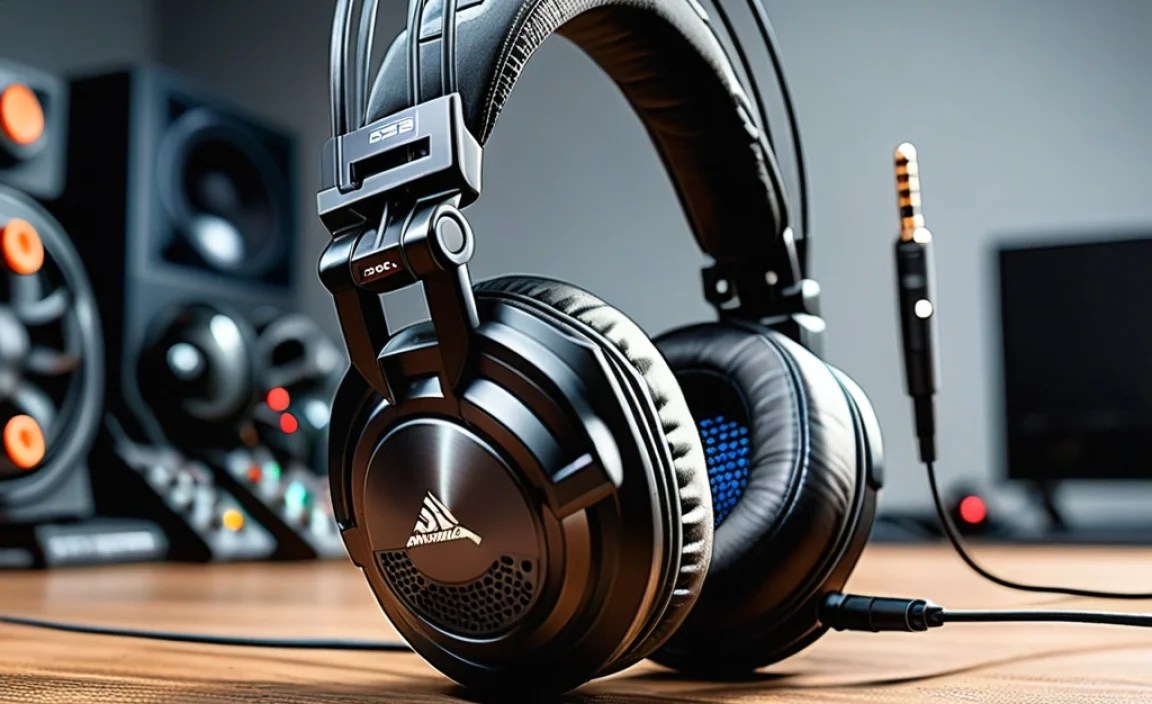
Ready to make a decision? Follow these steps to narrow down your options and find the best gamer headphones with mic for you.
Step 1: Define Your Budget
This is the first and most crucial step. Knowing how much you’re willing to spend will immediately narrow the field. Remember, the “best” headset isn’t always the most expensive; it’s the one that best fits your needs within your budget. Prices can fluctuate, so always check for deals!
Step 2: Identify Your Primary Gaming Platform(s)
Will you be gaming exclusively on PC, or do you switch between PC and console? Wireless headsets often connect via USB dongles, which are usually handled perfectly by PCs but can be finicky with consoles. 3.5mm jacks are the most universal, offering great compatibility across most platforms. Ensure any headset you consider explicitly states compatibility with your main gaming devices.
Step 3: Wired or Wireless? Your Preference Matters
This is a personal choice. Wired headsets offer plug-and-play simplicity and often better audio quality for the price, with no concerns about battery life or latency. Wireless headsets provide the ultimate freedom. If you go wireless, prioritize headsets with low-latency 2.4 GHz connections for a seamless gaming experience. Bluetooth is generally not recommended for competitive gaming due to potential delay.
Step 4: Consider Your Gaming Style
Are you a competitive FPS player who needs to hear every tiny footstep and dialogue cue? Or are you
