
Quick Summary: Discover top over-the-head headphones for immersive sound and comfort. This guide breaks down key features, types, and buying tips, helping beginners choose the perfect pair for music, calls, or gaming without the tech overwhelm. Find your ideal headphones easily.
Best Over The Head Headphones: Your Essential Beginner’s Guide

Welcome to Headphone Horizon! If you’re diving into the wonderful world of audio and looking for that perfect pair of headphones to truly immerse yourself, you’ve come to the right place. Over-the-head headphones, often called “circumaural” or “supra-aural” headphones, wrap around your ears, offering a comfortable fit and often delivering remarkable sound quality.
Whether you’re a budding audiophile, a dedicated gamer, a busy student, or just someone who loves to unwind with music, choosing the right pair can feel a bit daunting with so many options. But don’t worry! I’m here to simplify everything. Together, we’ll explore what makes a great pair, what features to look for, and how to find the best over the head headphones for your specific needs and budget, all explained in a way that’s easy to understand.
Why Choose Over The Head Headphones?

Over-the-head headphones offer a fantastic listening experience for a variety of reasons. Their design naturally isolates you from ambient noise, creating a more personal soundstage. This is especially beneficial for enjoying subtle details in music or for concentrating on important calls and podcasts.
The earcups also tend to be larger and softer, distributing pressure more evenly for extended comfort during long listening sessions. Plus, many models boast impressive audio fidelity, delivering rich bass, clear mids, and crisp highs that can truly elevate your listening. They’re a popular choice for home use, office environments, and even for travel, offering a blend of comfort, immersion, and sound quality that’s hard to beat.
Understanding the Basics: Open-Back vs. Closed-Back
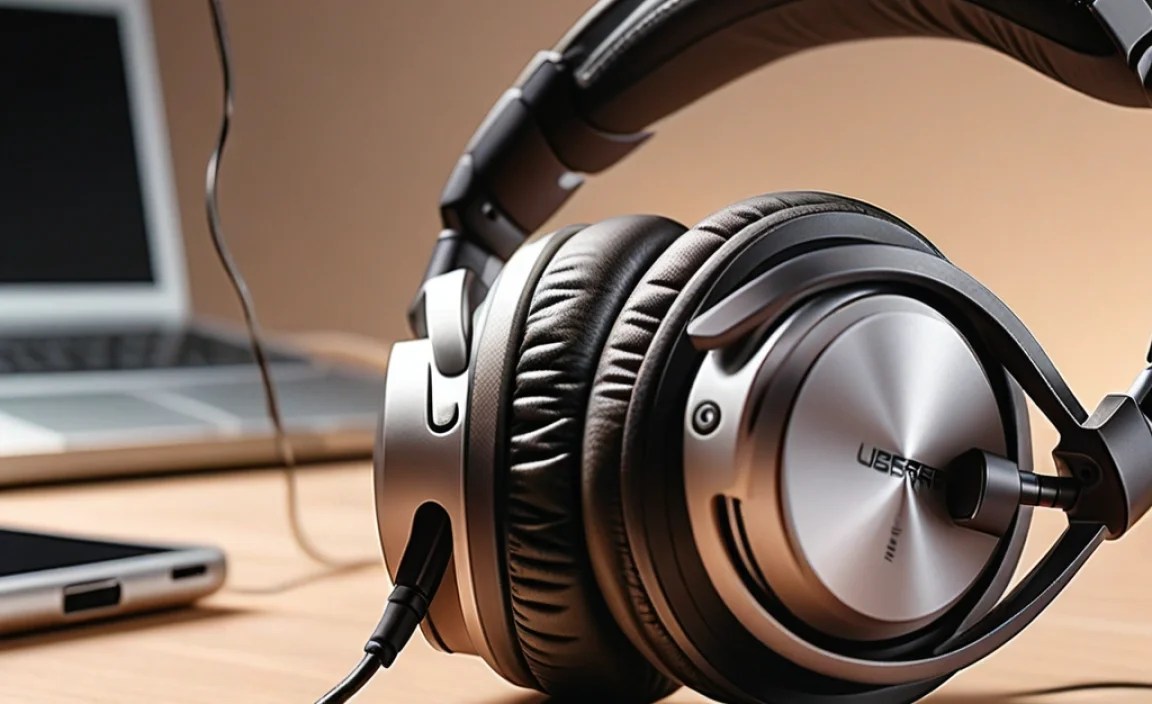
The first major decision you’ll make is whether to go for open-back or closed-back headphones. This design choice significantly impacts sound and isolation. Let’s break it down:
Closed-Back Headphones
Closed-back headphones have earcups with a solid, sealed design. This means sound is contained within the earcups, preventing it from leaking out and minimizing outside noise from entering. This design is great for:
- Isolation: Perfect for noisy environments like public transport, bustling offices, or shared living spaces where you don’t want to disturb others or be disturbed.
- Bass Response: The sealed nature often allows for a more pronounced and impactful bass response, which many listeners enjoy.
- Privacy: Your music stays private, and others can’t hear what you’re listening to.
However, the trade-off can be a slightly less “airy” or natural soundstage compared to open-back models. You might also experience a bit more heat build-up around your ears over long periods.
Open-Back Headphones
Open-back headphones, on the other hand, have earcups that are vented or perforated. This allows air and sound to pass through. They are ideal for:
- Natural Soundstage: They often provide a wider, more open, and natural sound, similar to listening to speakers in a room. This can be fantastic for critical listening and for a more immersive, less fatiguing experience.
- Comfort: They tend to be more breathable, keeping your ears cooler during long listening sessions.
- Less Pressure: The sound can feel less “in your head” and more like it’s around you.
The downside? They offer very little noise isolation. Sound leaks out freely, meaning people around you will hear your music, and you’ll be more susceptible to external noise. These are best suited for quiet environments like your home or a private office.
Key Features to Consider When Buying
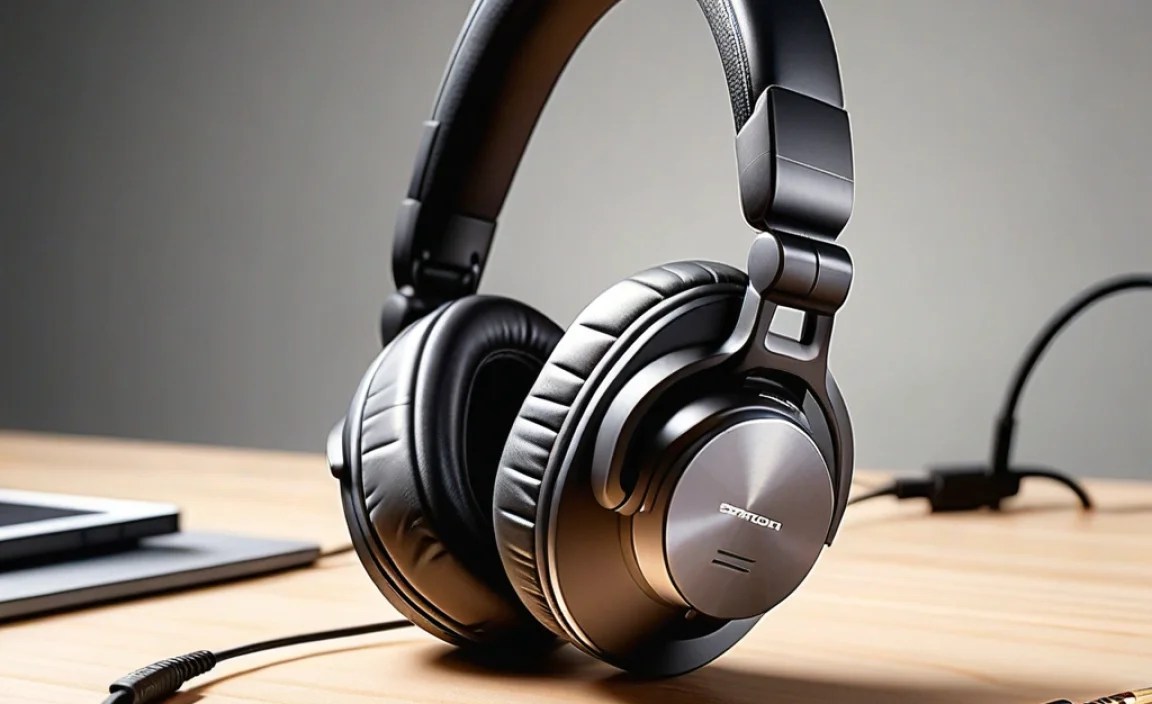
Beyond the open vs. closed-back distinction, several other features will influence your choice. Understanding these will help you zero in on the perfect pair:
1. Comfort and Fit
You’ll be wearing these headphones, possibly for hours, so comfort is king! Look for:
- Earcup Material: Plush leatherette or velour earcups are generally softer and more comfortable for extended wear.
- Headband Padding: A well-padded headband distributes weight evenly and prevents pressure points on your head.
- Adjustability: Ensure the headband has a good range of adjustment to fit your head size and shape securely but comfortably.
- Weight: Lighter headphones are generally more comfortable for long listening sessions.
2. Sound Quality
This is, of course, subjective, but here’s what to generally look for:
- Sound Signature: Do you prefer a neutral, balanced sound, or do you like boosted bass? Some headphones are tuned for specific genres, like electronic music (more bass) or classical (more detailed mids and highs).
- Driver Size: Larger drivers (the speaker component inside the earcup) often correlate with better bass response and overall volume, though quality of design is more important than sheer size.
- Frequency Response: This indicates the range of sounds a headphone can reproduce. While specs can be misleading, a wider range (e.g., 20Hz – 20kHz) is generally good.
3. Durability and Build Quality
You want headphones that will last. Check for:
- Materials: Metal components in the headband or yokes often indicate better durability than all-plastic constructions.
- Cable: Detachable cables are a huge plus as they can be easily replaced if damaged. Braided or thicker cables tend to be more robust.
- Hinge Points: Look for sturdy hinges where the earcups connect to the headband.
4. Connectivity
How will you be connecting your headphones?
- Wired: Offers the purest audio signal and no need for charging. Common connectors include 3.5mm (standard headphone jack) and 6.35mm (larger studio jack).
- Wireless (Bluetooth): Offers freedom of movement. Look for the latest Bluetooth versions (e.g., Bluetooth 5.0 or higher) for better stability and battery life. Codecs like aptX or LDAC can further improve wireless audio quality on compatible devices.
- Detachable Cables: As mentioned, this adds versatility and longevity.
5. Extra Features
Depending on your needs, you might want to consider:
- Active Noise Cancellation (ANC): Great for blocking out ambient sound electronically, excellent for travel and noisy commutes.
- Microphone: Essential if you plan to use your headphones for calls, online meetings, or gaming. Check for microphone quality and placement.
- In-line Controls: Buttons on the cable or earcup for volume, playback, and calls.
- App Support: Some headphones come with companion apps that allow EQ customization, firmware updates, and ANC level adjustments.
Top Over The Head Headphone Recommendations for Beginners

To give you a starting point, here are a few categories and popular beginner-friendly options. These are chosen for their balance of performance, comfort, and value. Prices can vary, so always check current listings!
For Immersive Music Listening (Closed-Back)
These are great all-rounders for enjoying your music with good isolation and satisfying sound.
1. Audio-Technica ATH-M40x
Often considered a benchmark for its price, the ATH-M40x offers a relatively flat, accurate sound profile that’s great for appreciating the nuances in your music. They are also quite durable.
- Pros: Accurate sound, good build, comfortable for the price, detachable cables.
- Cons: Can be a bit tight initially, soundstage isn’t huge.
2. Sennheiser HD 450BT
If you’re looking for a wireless option with decent noise cancellation and a solid, balanced sound, these are a fantastic choice. They offer good battery life and are very comfortable for everyday use.
- Pros: Wireless convenience, effective ANC, comfortable, good battery life, app support for EQ.
- Cons: ANC isn’t top-tier compared to premium models, sound can be slightly bass-emphasized for some.
For a Wide, Natural Soundstage (Open-Back)
For those who primarily listen in quiet environments and want to experience music as if they were in the studio.
1. Philips SHP9500
These are legendary for their incredible value in the open-back world. They deliver an exceptionally wide and open soundstage with a pleasing, balanced tonality for their price point. They are also very lightweight and comfortable.
- Pros: Amazing soundstage for the price, very comfortable, lightweight, good for gaming and music.
- Cons: Build is mostly plastic, minimal bass impact for some, not portable due to open design.
2. Grado SR80x (Prestige Series)
Grado is known for its bright, engaging, and lively sound. The SR80x is a fantastic entry point into their open-back lineup, offering an energetic listening experience that makes music feel alive. Plus, their quirky design is iconic!
- Pros: Exciting and detailed sound, very engaging listen, comfortable foam ear pads, made in Brooklyn, USA.
- Cons: Sound leaks significantly, bass is not emphasized, build is simple and retro.
For Gaming and Calls
These often prioritize clear communication and immersive spatial audio.
1. HyperX Cloud Alpha / Cloud II
The HyperX Cloud series is consistently praised for its comfort, solid build quality, and excellent sound for gaming, as well as its clear microphone. They strike a great balance for PC and console gamers.
- Pros: Super comfortable, durable build, excellent microphone, great for gaming soundscapes, good value.
- Cons: Can be a bit bulky, wired-only for most models.
2. SteelSeries Arctis Nova 1
SteelSeries aims for a more refined look and feel with their Arctis line. The Nova 1 offers a comfortable fit, a retractable microphone that tucks away neatly, and a balanced sound profile suitable for both gaming and general use. It’s a versatile option for PC, consoles, and mobile.
- Pros: Lightweight and comfortable, clear retractable mic, versatile connectivity (3.5mm), good for long gaming sessions.
- Cons: Sound might not be as detailed as audiophile-focused headphones, build is primarily plastic.
How to Choose Your Perfect Pair: A Step-by-Step Approach
Let’s walk through a simple process to help you pinpoint your ideal over-the-head headphones:
Step 1: Define Your Primary Use Case
Start by asking yourself: What will I use these headphones for most often?
- Pure Music Enjoyment: If you love diving deep into albums, focus on sound quality and perhaps consider open-backs for a spacious sound.
- Commuting/Travel: Noise Cancellation (ANC) and isolation are key here. Closed-back is a must.
- Gaming: Look for good directional audio, a clear microphone, and long-wearing comfort. Many gaming headsets are closed-back for better immersion.
- Work/Study: Comfort for long periods, good microphone for calls, and decent isolation (maybe ANC) are important.
- Mixed Use: If you do a bit of everything, look for a versatile pair that leans towards your most frequent activity.
Step 2: Determine Your Environment
Where will you be listening?
- Quiet Home/Office: Open-back headphones are a strong contender, offering a more natural sound.
- Noisy Office/Commute: Closed-back headphones with Active Noise Cancellation (ANC) will be your best friend.
- Shared Living Space: Closed-back headphones are essential to avoid bothering others.
Step 3: Set Your Budget
Headphones range from $20 to $2000+. For beginners, a good starting point for quality wired headphones is often between $50 and $150. Wireless models with ANC might start around $100-$200. Decide how much you’re comfortable spending, and focus on the best options within that range.
Step 4: Consider Wired vs. Wireless
- Wired: Generally offers superior sound quality for the price, no batteries to worry about, and no connection dropouts. Ideal for home listening or studio use.
- Wireless (Bluetooth): Offers ultimate freedom and convenience. Perfect for mobile use, commuting, or just moving around your house without a tether.
Step 5: Read Reviews and Compare Models
Once you have a few criteria in mind, start researching! Look for reviews from reputable audio sites and user feedback. Pay attention to comments on comfort, sound, and durability for the specific models you’re considering. Sites like Rtings.com offer in-depth, objective testing for many headphones.
Step 6: Try Before You Buy (If Possible)
If you have a local electronics store that allows you to demo headphones, take advantage of it! Even a few minutes of listening can tell you a lot about comfort and sound preference.
Table: Open-Back vs. Closed-Back – Key Differences
Here’s a quick comparison chart to highlight the main differences:
| Feature | Open-Back Headphones | Closed-Back Headphones |
|---|---|---|
| Sound Leakage | High (others will hear your music) | Low (music is contained) |
| Ambient Noise Isolation | Poor (you’ll hear your surroundings) | Good to Excellent (blocks out external noise) |
| Soundstage | Wide, Open, Natural | More Intimate, Focused |
| Bass Response | Generally Lighter, More Natural | Can be Deeper, Punchier |
| Best Use Case | Quiet environments, critical listening, natural sound preference | Noisy environments, travel, privacy, strong bass preference |
| Comfort (Airflow) | More breathable, cooler | Can get warmer, less airflow |
Tips for Getting the Best Sound From Your Headphones
Once you’ve got your new headphones, here are a few tips to ensure you’re enjoying them to their fullest:
- Proper Fit: Make sure the earcups create a good seal around your ears (for closed-back) or sit comfortably. Adjust the headband for optimal comfort and sound delivery.
- Source Matters: The quality of your audio source (phone, computer, amplifier) impacts the sound. While most modern devices can drive headphones, using a higher-quality audio file (like FLAC or WAV) or a Digital-to-Analog Converter (DAC) can make a difference, especially with higher-end headphones.
- Experiment with EQ: If your headphones support it (often via an app or your device’s settings), try adjusting the Equalizer (EQ) to suit your taste or the music genre. Small adjustments can make a big impact.
- Listen at Reasonable Volumes: Prolonged exposure to loud music can damage your hearing. According to the National Institute on Deafness and Other Communication Disorders (NIDCD), it’s recommended to listen at 60% of maximum volume for no more than 60 minutes to prevent hearing damage.
- Break Them In: Some headphones, especially higher-end ones, can sound even better after a “burn-in” period of 50-100 hours of listening. This is where the driver materials can loosen up a bit.
Basic Headphone Maintenance for Longevity
Taking good care of your headphones will ensure they sound great and last longer. Here’s how:
- Cleaning Earcups: Gently wipe down earcups with a slightly damp, soft cloth. For leatherette, a mild soap and water solution can be used carefully. For velour, a soft brush or gentle vacuuming can work. Always ensure they are completely dry before use.
- Cable Care: Avoid tightly winding or kinking the cable. Store them loosely. If the cable is detachable, unplug it when not in use to prevent accidental tugs.
- Storage: Use the included case or a pouch to protect your headphones from dust, scratches, and
