
Quick Summary: Upgrading your headphone cable can enhance sound quality, durability, and comfort. This guide covers essential cable types, what to look for when buying, and how to choose the best headphone cables for your audio setup and listening preferences, making it easy even for beginners.
Beyond the Basics: Unveiling the Best Headphone Cables for Your Sound

Hey audio explorers, Edward Cavitt over here at Headphone Horizon! You know, we spend a lot of time talking about the amazing drivers, cozy earcups, and sleek designs of our favorite headphones. But what about the unsung hero that connects it all? That’s right, we’re diving deep into the world of headphone cables.
Often overlooked, a quality cable can be the secret sauce to unlocking clearer, richer sound and a more comfortable listening experience. Whether you’re a seasoned audiophile or just starting your journey, understanding the impact of the best headphone cables can make a surprising difference. Let’s demystify this often-confusing topic and equip you with the knowledge to make smart choices for your audio gear!
Why Bother With Headphone Cables? It’s More Than Just a Wire!

It’s easy to think, “It’s just a wire, right?” While that’s technically true, the “wire” itself can have a significant impact on your audio experience. Think of it like a water pipe: a narrow, kinked pipe won’t deliver water as efficiently as a wide, smooth one. Similarly, a poor-quality headphone cable can introduce unwanted noise, reduce clarity, and even affect the overall sound signature of your headphones.
Here’s a quick rundown of why investing in good headphone cables is worthwhile:
- Sound Quality: Better materials and construction can lead to more accurate signal transmission, resulting in clearer highs, more defined mids, and tighter bass.
- Durability: Stock cables can be flimsy and prone to damage. Upgraded cables are often built with tougher materials and reinforced connectors, offering a longer lifespan.
- Comfort and Convenience: Longer, lighter, or specially designed cables can improve your listening experience by giving you more freedom to move or by reducing microphonic noise (that rustling sound when the cable rubs against your clothes).
- Aesthetics: Let’s be honest, a cool-looking cable can also add a touch of personal style to your setup.
- Compatibility: Sometimes, you just need a different connector type for your specific audio source (like a balanced connection for a high-end amplifier).
Understanding Headphone Cable Anatomy: What Makes a Difference?
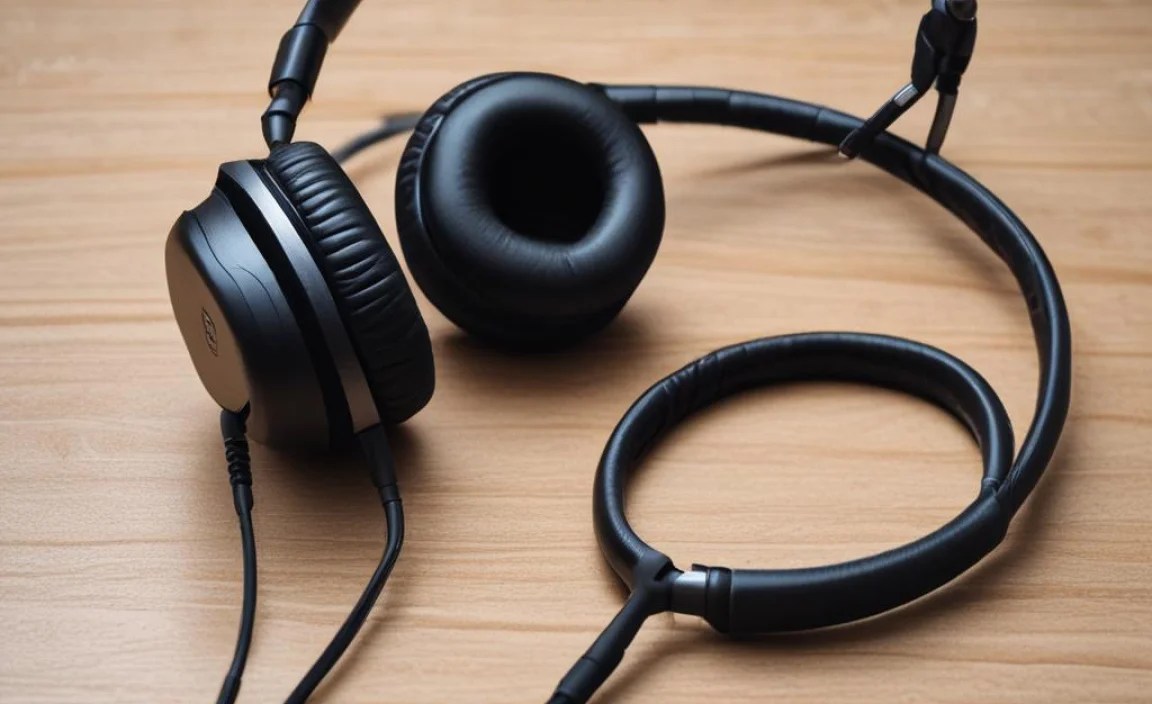
Before we jump into picking the best headphone cables, let’s quickly break down what goes into a cable. Understanding these components will help you make informed decisions.
1. Conductors: The Heart of the Signal
This is the actual material carrying the audio signal. The most common materials are:
- Copper: The go-to for most cables.
- Oxygen-Free Copper (OFC): This is highly purified copper with very little oxygen. It offers good conductivity and is a standard in many quality audio cables. It’s a great choice for most listeners.
- Silver-Plated Copper (SPC): Copper wires coated with a thin layer of silver. The silver coating can sometimes enhance high-frequency response, leading to a brighter, more detailed sound for some.
- Silver: Pure silver is an excellent conductor, even better than copper. Cables made with silver conductors can offer exceptional clarity and detail, but they also come with a premium price tag and can sometimes sound too bright for some listeners.
- Litz Wire: Instead of a single solid wire, Litz cables use many fine, individually insulated strands woven together. This technique helps to reduce skin effect (where AC signals tend to travel on the surface of a conductor) and proximity effect, especially at higher frequencies. This can result in a cleaner, more detailed sound.
2. Insulation: Protecting the Signal
Insulation material prevents interference and keeps the conductors from shorting out. Common types include:
- PVC (Polyvinyl Chloride): Very common, durable, and affordable. Can sometimes be a bit stiff, especially in cold weather.
- TPE (Thermoplastic Elastomer): More flexible and less prone to kinking than PVC. It’s also often softer to the touch.
- Braided Sleeving: This is an outer layer of protection, often made of nylon or other synthetic fibers. It looks great, feels premium, and adds significant durability.
3. Connectors: The Tangible Link
These are the plugs that go into your headphones and your audio source. The most common types are:
- 3.5mm (1/8″): The standard stereo mini-jack found on most smartphones, laptops, and portable players. They are usually “unbalanced.”
- 6.35mm (1/4″): A larger, more robust version of the 3.5mm jack, typically found on home audio equipment like amplifiers and stereo receivers.
- XLR: A professional standard connector, usually found on high-end headphones that support “balanced” connections. Balanced cables use three conductors (plus ground) per channel to cancel out noise.
- 2.5mm / 4.4mm Pentaconn: Newer connectors increasingly found on high-end headphones and DAPs (Digital Audio Players) for balanced connections.
Connectors can be plated with materials like gold or rhodium, which resist corrosion and ensure good conductivity. While the plating material is less critical than the conductor material, quality construction and a secure fit are paramount.
Types of Headphone Cables and When to Use Them

Not all cables are created equal, and the “best” cable for you depends heavily on your headphones and your listening setup. Here’s a breakdown of common cable types:
1. Standard Unbalanced Cables
These are the most common cables and are typically what come bundled with your headphones. They use a 3.5mm or 6.35mm plug and transmit audio signals and ground. Most headphones and source devices (like your phone or computer) use unbalanced connections.
- Pros: Widely compatible, affordable, readily available.
- Cons: More susceptible to noise interference, signal degradation over very long lengths.
- Best For: Everyday listening with most headphones, portable devices, computers.
2. Balanced Cables
Balanced cables are designed to significantly reduce noise. They use connectors like XLR or 4.4mm Pentaconn and split the audio signal into two identical signals that are 180 degrees out of phase. Any noise picked up by the cable is also split, but when it reaches the amplifier, the phase is inverted again, canceling out the noise. This is particularly beneficial for sensitive headphones, high-impedance headphones, or in noisy environments. You’ll need a source device with a balanced output (like a dedicated headphone amplifier or balanced DAC) to take advantage of this.
- Pros: Superior noise rejection, potentially improved clarity and dynamics, allows for higher voltage output from amplifiers, enabling better control of demanding headphones.
- Cons: Requires a balanced-capable source, cables and source components are typically more expensive.
- Best For: High-fidelity listening at home, driving hard-to-drive headphones, audiophiles seeking the cleanest possible signal.
3. Detachable vs. Non-Detachable Cables
Many modern headphones, especially audiophile-grade ones, feature detachable cables.
- Detachable:
- Pros: Easy to replace if damaged, allows for upgrades (e.g., switching to a balanced cable or one with a different connector), improves portability and storage.
- Cons: The connection points can sometimes be a weak spot if not well-designed.
- Non-Detachable:
- Pros: Typically simpler, no potential for loose connections at the headphone end.
- Cons: If the cable fails, the whole headphone might need repair or replacement, no upgrade path.
When shopping for the best headphone cables, prioritize detachable ones if you’re looking for flexibility and upgrade potential.
4. Single-Ended vs. Single-Core vs. Multi-Core Cables
This refers to the internal wiring structure.
- Single-Ended: Standard wiring, where each channel (left, right, ground) is a single path.
- Single-Core: Refers to the conductor material being a single, thicker strand.
- Multi-Core (often Litz): As mentioned before, this uses multiple fine, insulated strands. This is often found in higher-end cables and can contribute to better signal integrity.
Choosing the Best Headphone Cables: A Step-by-Step Guide

Ready to pick out a new cable? Follow these steps for a smooth selection process:
Step 1: Identify Your Headphone’s Connector Type
This is the most critical first step. Look at the end of your current headphone cable that plugs into the headphones themselves. Common types include:
- 3.5mm jack (straight or angled)
- 2-pin connectors (usually recessed into the earcups) – very common on IEMs (In-Ear Monitors) and many portable headphones.
- MMCX connectors (swiveling connector, also common on IEMs and some portables)
- Proprietary connectors (less common now, but some brands use their own unique plugs).
Consult your headphone’s manual or the manufacturer’s website if you’re unsure. Using the wrong connector will simply not fit.
Step 2: Determine Your Audio Source’s Output
Now, look at the end of the cable that plugs into your music player, amplifier, or computer. What kind of jack does it have?
- 3.5mm (stereo): For most standard headphone jacks.
- 6.35mm (stereo): Often found on home audio gear. Many 3.5mm cables come with a 6.35mm adapter.
- XLR (balanced): If you have a dedicated amplifier or DAC with balanced outputs.
- 4.4mm Pentaconn / 2.5mm balanced: Increasingly common on high-end DAPs and amplifiers.
If you’re unsure, check the specifications of your audio source device.
Step 3: Consider Your Listening Environment and Needs
- At Home (Desk Setup): You might want a longer cable for freedom of movement, or a thicker, well-shielded cable to minimize interference from other electronics. A balanced cable might be an option if you have a balanced amp.
- On the Go (Portable): A shorter, more manageable cable that is less prone to tangling and snagging is ideal. Durability is key here. A cable with a robust strain relief on the plug is a good idea.
- For Critical Listening: Materials like Litz wire, silver plating, or pure silver conductors might be worth exploring for potentially enhanced detail and clarity.
Step 4: Assess Your Budget
Headphone cables range in price from very affordable replacements to exceedingly expensive audiophile upgrades.
- Budget (< $50): You can find good quality replacement cables made from OFC copper with durable PVC or TPE jackets. These are excellent for simply replacing a broken cable or getting a slightly better build than stock.
- Mid-Range ($50 – $150): This is where you start seeing better conductor materials (like SPC or higher-grade OFC, sometimes Litz wire), more comfortable sleeving (braided nylon), and improved connector quality.
- High-End ($150+): Premium materials like pure silver, exotic Litz configurations, advanced insulation, and very robust connector designs are the norm. Sound quality differences here are often subtle and subjective, but the build quality and technical execution are typically superb.
Remember, for most everyday listeners, a mid-range cable offers the best balance of performance, durability, and value. You don’t always need the most expensive option to hear a difference.
Step 5: Read Reviews and Consult Resources
Once you have an idea of what you’re looking for, do some research! Read reviews from other users and reputable audio websites. Websites like Rtings.com’s headphone section or audiophile forums can provide valuable insights into how specific cables perform with different headphones. Look for reviews that discuss sound characteristics, build quality, and long-term reliability.
Popular Cable Brands and What They Offer
There are many excellent manufacturers producing high-quality headphone cables. Here are a few well-regarded brands often recommended for their reliability and performance:
| Brand | Typical Offerings & Strengths | Price Range (Approx.) |
|---|---|---|
| Hart Audio Cable | Modular system, excellent build quality, wide variety of connector options, often uses high-quality copper and Litz wire. | $70 – $200+ |
| Meze Audio | Often includes high-quality braided OFC cables with their headphones, known for excellent durability and clean aesthetics. | Included with headphones; replacements vary. |
| Periapt Pro | Focuses on durable, well-built cables with good value across different price points. Offers various connector options. | $50 – $150 |
| Sennheiser | Offers official replacement cables for their popular models. Generally good, durable cables designed specifically for Sennheiser headphones. | $30 – $100+ |
| Audeze | Provides high-quality OFC and sometimes silver-plated cables for their planar magnetic headphones, often with robust connectors. | $50 – $150+ |
This is just a small sample, and many other excellent brands exist, such as Effect Audio, Norne, DHC, and countless others in the custom cable space. Always check compatibility with your specific headphone model!
Troubleshooting Common Cable Issues
Even the best headphone cables can encounter problems. Here’s how to deal with them:
- No Sound or Intermittent Sound:
- Check Connections: Ensure the cable is fully seated in both the headphone earcup and your audio source. Try unplugging and replugging both ends.
- Test with Another Cable: If possible, try a different cable. If the sound works with another cable, the issue is likely with your original cable.
- Inspect for Damage: Look for kinks, cuts, or fraying on the cable, especially near the connectors. A damaged conductor can break the signal path.
- Clean Connectors: Gently clean the metal contacts on the plugs with a lint-free cloth or a cotton swab lightly dampened with isopropyl alcohol (ensure it’s completely dry before plugging back in).
- Static or Crackling Noise:
- Loose Connection: Similar to the above, a poor connection can cause noise.
