
Quick Summary: Discover how to create your personalized “Headphone Gym” for effortless, immersive sound. This guide explains how to set up and maintain your listening space and gear, ensuring optimal audio quality and comfort for your daily dose of motivation or relaxation.
Hey there, audio adventurers! Edward Cavitt here from Headphone Horizon, and I’m thrilled you’ve stopped by. We all love our headphones, right? They’re our personal concert halls, our quiet spaces in a noisy world, and the perfect companions for everything from intense workouts to lazy Sunday afternoons. But have you ever thought about creating a dedicated space, a sort of “Headphone Gym,” designed specifically to make your listening experience as effortless and enjoyable as possible? It’s not about fancy equipment or complicated setups; it’s about creating a harmonious environment where your headphones can truly shine. Let’s dive in and explore how to build your very own haven for exceptional sound.
What Exactly is a “Headphone Gym”?

Think of your “Headphone Gym” as your personal sanctuary for sound. It’s not a physical location you need to rent or build from scratch! Instead, it’s a thoughtfully curated setup designed to optimize your listening experience. This means considering everything from the comfort of your seating, the quietness of your surroundings, to the cleanliness and proper storage of your headphones. The goal is simple: to remove distractions and ensure that every note, every lyric, and every beat is delivered to your ears with clarity and impact. It’s about making your headphone sessions feel less like a chore and more like a delightful escape. Whether you’re crushing your workout playlist or unwinding with a podcast, your Headphone Gym ensures that “effortless sound” is always within reach.
Why You Need Your Own Headphone Gym

In our busy lives, distractions are everywhere. Your favorite song can be ruined by background noise, and uncomfortable listening positions can lead to fatigue. A dedicated Headphone Gym tackles these issues head-on:
- Enhanced Audio Immersion: By minimizing external noise, you can truly get lost in the music.
- Improved Comfort: Designing your space for long listening sessions means no more neck strain or ear discomfort.
- Longevity of Your Gear: Proper storage and maintenance extend the life of your beloved headphones.
- Focus and Relaxation: A dedicated space helps your brain switch gears, boosting productivity or aiding relaxation.
- Consistent Quality: You’ll enjoy the same great sound quality every time, without external variables interfering.
Building Your Headphone Gym: The Essential Components
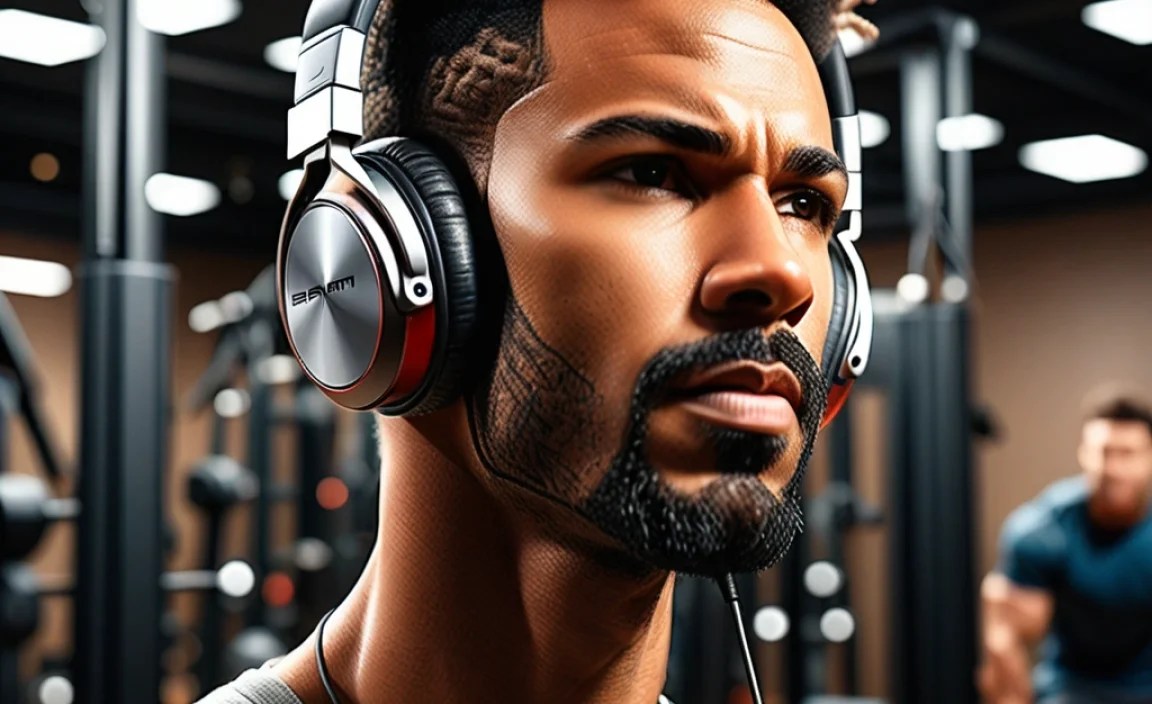
Setting up your Headphone Gym is a straightforward process. It’s about creating a comfortable, quiet, and organized environment. Let’s break down the key elements:
1. The Listening Station: Comfort is King
Your main point of interaction with your headphones is where you sit or stand. This needs to be a place where you can relax and focus. Consider:
- Your Chair/Seating: Choose a comfortable chair that supports good posture. Whether it’s an ergonomic office chair, a plush armchair, or even a comfortable spot on your couch, make sure it allows you to sit or recline for extended periods without discomfort.
- Desk or Surface: If you’re using a desk, ensure it’s at a comfortable height. You want easy access to your audio source (phone, computer, amplifier) without straining. Keep the surface clear to avoid distractions.
- Lighting: Opt for soft, adjustable lighting. Harsh lights can be distracting and cause eye strain during long listening sessions. Smart bulbs or lamps with dimmers are excellent choices.
2. Noise Management: Creating Your Sound Sanctuary
This is crucial for an “effortless sound” experience. The less outside noise, the better your headphones can perform.
- Active Noise Cancellation (ANC): While your headphones might have this feature, consider your environment too.
- Passive Noise Isolation: Sealing your listening space can significantly help. Close doors and windows.
- Soundproofing (Optional): For dedicated spaces, consider acoustic panels or thick curtains. These absorb sound, reducing echoes and external noise bleed. You can find affordable DIY solutions online, or even repurpose thick blankets in a pinch. For those serious about acoustics, research basic soundproofing principles. The CNET guide to soundproofing offers some great starting points.
- White Noise/Ambient Sounds: Sometimes, a subtle level of ambient noise can mask more intrusive sounds and create a more calming atmosphere. Consider a small white noise machine or an app with nature sounds if complete silence feels too stark.
3. Gear Placement and Organization: Keeping Things Tidy
A cluttered space leads to a cluttered mind and can even damage your gear. Proper organization is key to effortless use.
- Headphone Stand: A dedicated stand keeps your headphones off surfaces, preventing damage to the earcups or headband. It also makes them easily accessible. There are various types, from simple desk stands to more elaborate ones with built-in cable management.
- Cable Management: Tangled cables are not only unsightly but can also be a tripping hazard and put strain on ports. Use Velcro straps, cable clips, or a dedicated cable organizer to keep them neat. If you use wireless headphones, ensure a charging station is readily available.
- Storage: When not in use, your headphones should be stored safely. A headphone case is ideal, especially for travel or if you have pets or small children. For desk storage, a stand is usually sufficient.
- Source Device Placement: Keep your music player, phone, or computer within easy reach but not so close that it creates clutter. Ensure it’s stable and won’t be accidentally knocked over.
4. Your Audio Source and Setup: Delivering the Sound
The quality of the sound you get depends heavily on the source and how it connects to your headphones.
- Device Choice: Whether it’s your smartphone, tablet, laptop, or a dedicated digital audio player (DAP), ensure it’s in good working order. For better sound quality from computers, consider using their onboard audio or a dedicated USB DAC (Digital-to-Analog Converter).
- Wired vs. Wireless:
- Wired Headphones: Require a steady connection. Ensure your headphone jack is clean and free of debris. If you’re experiencing crackling, the jack might need cleaning.
- Wireless Headphones: Rely on Bluetooth or other wireless tech. Ensure a stable connection and that your devices are paired correctly. Keep firmware updated for optimal performance.
- DACs and Amplifiers: For audiophiles, a DAC and amplifier can significantly improve sound quality by providing a cleaner audio signal than many built-in sources. However, for most casual listeners, a good pair of headphones straight from a modern smartphone or computer will sound great.
5. Maintenance Checklist: Keeping Your Gear in Top Shape
Regular care ensures your headphones sound their best and last longer. This is a vital part of the “effortless sound” philosophy – by doing a little, you avoid big problems!
Here’s a simple maintenance checklist:
| Task | Frequency | Notes |
|---|---|---|
| Clean Earcups & Headband | Weekly | Use a soft, dry cloth. For stubborn marks, slightly dampen the cloth with water or a mild, non-abrasive cleaner. Avoid getting moisture into the drivers. |
| Clean Ear Pads (if removable) | Monthly | See your headphone manual. Some pads can be wiped, others might be hand-washable. Ensure they are completely dry before reattaching. |
| Inspect Cables & Connectors | Monthly | Look for kinks, fraying, or damage. Ensure plugs are clean and free of lint. |
| Clean Drivers (Mesh Grilles) | Bi-Annually | Use a soft brush or compressed air (held at a distance) to gently remove dust. Never poke anything into the driver. |
| Store Properly | After each use | On a stand or in a case to prevent dust and physical damage. |
Tools You Might Need for Maintenance:
- Soft, lint-free microfiber cloths
- Small, soft-bristle brush (like a makeup brush or paintbrush)
- Compressed air can (use with caution and at a distance)
- Mild soap or specialized headphone cleaning solution (use sparingly and follow device instructions)
- Cotton swabs (for detailed cleaning of connectors)
Always refer to your headphone manufacturer’s specific care instructions. You can usually find these on their website or in the user manual. For example, Sony provides detailed cleaning advice for their products, which can be a good general reference.
Optimizing Your Headphone Gym Layout

Think about workflow and ergonomics. How can you make your listening as seamless as possible?
- Zone Your Space: Designate your primary listening spot. This is where your comfortable chair and any essential equipment will reside.
- Proximity is Key: Keep your audio source (phone, player, computer) and any volume controls within easy reach.
- Cable Routing: Manage cables so they don’t hang where they can be pulled or tripped over. Run them along the edge of your desk or behind furniture using clips or ties.
- Visual Appeal: While not strictly about sound, an aesthetically pleasing space can enhance your overall enjoyment. Arrange things in a way that feels calm and organized.
Troubleshooting Common Listening Issues in Your “Gym”
Even in your perfectly curated space, you might encounter minor issues. Here are some common problems and their solutions:
- Crackling or Popping Sound:
- Check your cable connection at both the headphones and the source device.
- Inspect the cable for damage.
- Clean the headphone jack and the device’s audio port. A small amount of compressed air or a gentle clean with a dry cotton swab can help.
- If using Bluetooth, ensure a strong signal, minimal interference, and try re-pairing the headphones.
- One Earbud/Headphone Not Working:
- Perform a simple balance check: play audio from a known good source with different headphones. If all sound good except yours, the issue is likely with the headphones.
- Check the connection and cable integrity.
- Try them with a different device to isolate the problem.
- If wireless, ensure both earbuds are fully charged and properly paired. Reset them according to the manufacturer’s instructions.
- Low Volume:
- Check the volume levels on both your device and the headphones (if they have physical controls).
- Ensure you haven’t accidentally set a low volume limit on your device.
- Clean the audio jack/ports.
- Discomfort During Long Sessions:
- Adjust your seating position for better posture.
- Ensure your headphones aren’t clamping too tightly. Some headphones have adjustable headbands, or you can gently bend them to a more comfortable fit.
- Take short breaks. Even 60 seconds away can refresh your ears and mind.
- Check if your earcups are clean and if the pads are worn out and need replacing.
Headphones for Every Kind of Gym Session & Beyond
The “best” headphones for your Headphone Gym depend on what you’re doing and your personal preferences. Here’s a quick look at categories:
| Type of Listening | Recommended Headphone Features | Example Brands/Considerations |
|---|---|---|
| Intense Workouts | Sweat resistance (IPX rating), secure fit (ear hooks, fins), portability (true wireless), good bass response. | Beats by Dr. Dre, Jabra Elite Active, Jaybird. Look for IPX4 or higher. |
| Relaxation / Critical Listening | Comfortable earcups, neutral sound signature, open-back design (for wider soundstage if in a quiet space), high-fidelity sound. | Sennheiser HD 600/650, Beyerdynamic DT series, Audio-Technica ATH-M50x. |
| Commuting / Travel | Active Noise Cancellation (ANC), portability, good battery life, durability. | Sony WH-1000XM series, Bose QuietComfort series, Apple AirPods Pro. |
| Gaming / Podcasts | Clear voice reproduction, comfortable for long wear, good spatial awareness (for gaming). | HyperX Cloud series, SteelSeries Arctis, Logitech G PRO X. |
Remember the joy of owning your headphones! Taking them for a “walk” outside your gym is also a great way to enjoy them, but always keep their limitations in mind, especially regarding environmental noise and sweat.
Frequently Asked Questions (FAQ)
Q1: How much should I spend on headphones for my Headphone Gym?
For beginners, a solid pair can be found for $50-$150. As you explore your audio preferences, you might invest more. The key is choosing headphones that fit comfortably and sound pleasing to you, rather than chasing the most expensive option.
Q2: Do I need to buy special cleaning supplies?
Not usually! For most headphones, a soft, dry microfiber cloth is all you need for daily care. For deeper cleaning, a slightly damp cloth with water is often sufficient. Always check your manual and avoid harsh chemicals or excessive moisture near the drivers.
