
Discover the best headphone translators—your pocket-sized multilingual companions. These devices break down language barriers instantly, making travel, business, and connecting with others easier than ever. Learn how to choose the right one for seamless communication.
The Best Headphone Translator: Your Genius Device for Breaking Down Language Barriers

Ever found yourself in a new country, wishing you could chat with locals without fumbling for a phrasebook? Or perhaps you’ve struggled to connect with international colleagues or friends? The world is a beautifully diverse place, filled with incredible languages and cultures.
Navigating these differences can sometimes feel a bit daunting, especially when communication is key. But what if there was a way to bridge those linguistic gaps instantly, right from your ears?
Enter the headphone translator – a truly genius device that’s revolutionizing how we interact globally. These aren’t just headphones; they’re your personal interpreter, making every conversation clearer, smoother, and more enjoyable. Let’s dive into what makes them so special and how to find the perfect one for you.
Understanding the Magic of Headphone Translators

At its core, a headphone translator is a device designed to interpret spoken language in real-time, delivering the translation directly to your ear. Think of it as having a live interpreter with you at all times, ready to help you understand and be understood.
These devices leverage advanced speech recognition and artificial intelligence (AI) to process spoken words, translate them, and then play the translated audio through the headphone speaker. For the person you’re speaking with, many models also feature outward-facing speakers or can transmit your spoken words as translated audio through a connected app on your smartphone.
The technology behind these translators has come a long way. Early attempts at translation were often clunky and inaccurate. However, with the rapid advancements in AI, natural language processing (NLP), and cloud computing, modern headphone translators are incredibly sophisticated. They can handle multiple languages, understand nuances in speech, and provide translations that are surprisingly accurate and quick. This makes them invaluable tools for:
- Travel: Order food, ask for directions, and engage with locals with confidence.
- Business: Conduct international meetings, build relationships with overseas clients, and participate in global conferences.
- Education: Students studying abroad or engaging with international research can benefit immensely.
- Connecting with loved ones: Overcome language barriers with family members or friends who speak different languages.
- Daily life: Even in multicultural cities, these devices can help with everyday interactions.
How Do Headphone Translators Work? A Step-by-Step Look
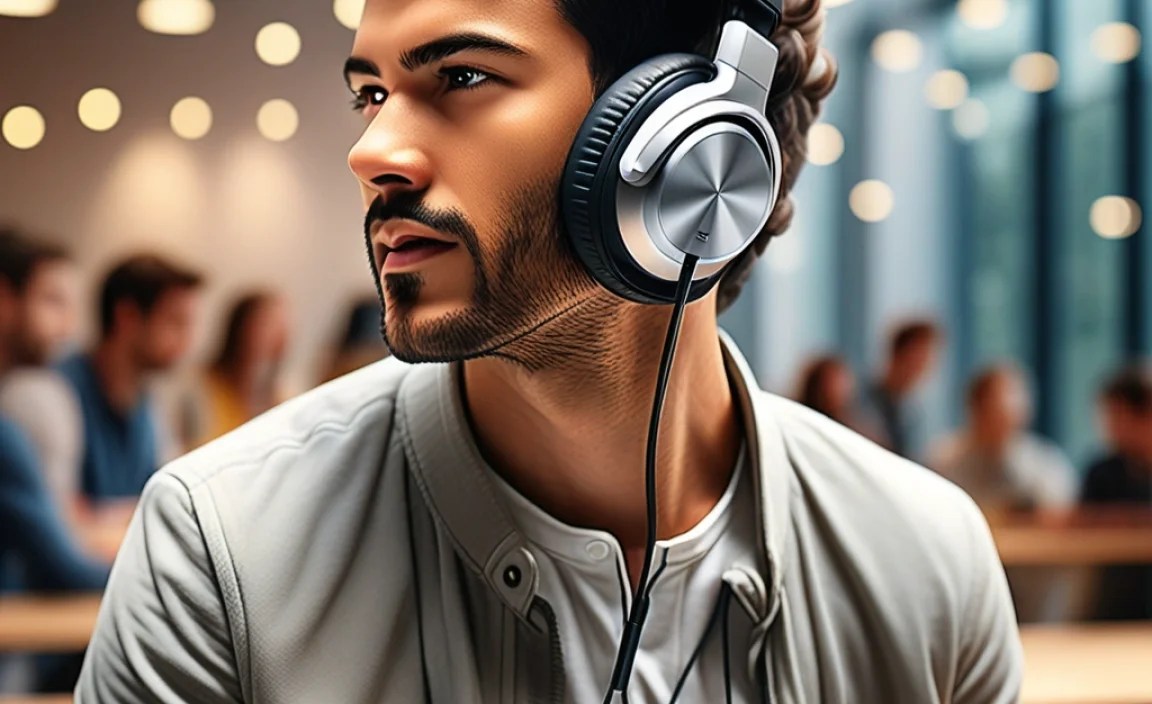
The process might seem like magic, but it’s a series of sophisticated technological steps:
- Speech Capture: When someone speaks, the built-in microphone on the headphone translator captures their voice. High-quality microphones are crucial here to ensure clarity, even in noisy environments.
- Speech-to-Text Conversion: The captured audio is then processed by speech recognition software. This software converts the spoken words into written text. This is where AI plays a huge role, as it needs to recognize different accents, intonations, and speech patterns.
- AI-Powered Translation: The transcribed text is sent (often via Bluetooth to a connected smartphone app) to a powerful AI translation engine. This engine analyzes the text and then translates it into the target language you’ve selected. These engines are trained on vast datasets of language, allowing them to handle complex grammar and vocabulary. You can learn more about how AI handles language at sites like The National Library of Medicine’s AI page.
- Text-to-Speech Synthesis: Once translated, the text is converted back into spoken words using text-to-speech (TTS) technology. This synthesized voice is then played directly into your ear through the headphone speaker.
- Outward Communication (Optional): For two-way conversations, your spoken words are also captured by the microphone, converted to text, translated by the AI, and then either spoken aloud by the device or sent to your smartphone to be displayed or read aloud.
The speed of this entire process is what makes these devices so revolutionary. A good headphone translator can perform these steps in mere seconds, allowing for a nearly seamless conversation flow.
Choosing the Best Headphone Translator for You

With several options on the market, picking the “best” headphone translator depends on your specific needs and budget. Here are key factors to consider:
1. Language Support: How Many Languages Does It Cover?
This is paramount. If you travel extensively to specific regions, ensure the device supports the languages you’ll encounter most frequently. Some devices offer dozens of languages, while others might focus on a core set.
2. Translation Accuracy and Speed: The Real-World Test
No translator is perfect, but some are significantly better than others. Look for reviews that highlight accuracy in different contexts (e.g., quiet rooms vs. noisy streets). The speed of translation is also critical for natural conversation. Real-time translation should feel almost immediate.
3. Connectivity: Online vs. Offline Translation
- Online Translation: Requires a stable internet connection (via Wi-Fi or your smartphone’s data). These generally offer the most accurate and up-to-date translations due to access to vast cloud-based AI engines.
- Offline Translation: Some devices offer downloadable language packs for offline use. This is invaluable when traveling to areas with poor internet connectivity, though accuracy might be slightly lower compared to online modes.
4. Ease of Use: Simplicity is Key
The interface should be intuitive. Can you easily switch languages? Is the accompanying app user-friendly? Headphones should also be comfortable for long periods of wear.
5. Battery Life: Power Through Your Day
Especially for travelers, long battery life is essential. Check the manufacturer’s specifications for continuous translation time and standby time. Some devices offer quick charging capabilities.
6. Microphone Quality: Capturing Every Word
Good noise-cancellation for the microphone can make a huge difference, especially in bustling environments. This ensures your voice and the other person’s voice are captured as clearly as possible.
7. Two-Way Communication Features: Enabling Real Conversation
Does the device simply translate for you, or does it facilitate a back-and-forth conversation? Look for features where your translation can be spoken aloud for the other person to hear or displayed on a screen.
8. Price: Finding the Right Value
Headphone translators range in price. Determine your budget and what features are most important to you. Often, a slightly higher price point brings significantly better accuracy and more features.
Top Headphone Translator Models to Consider
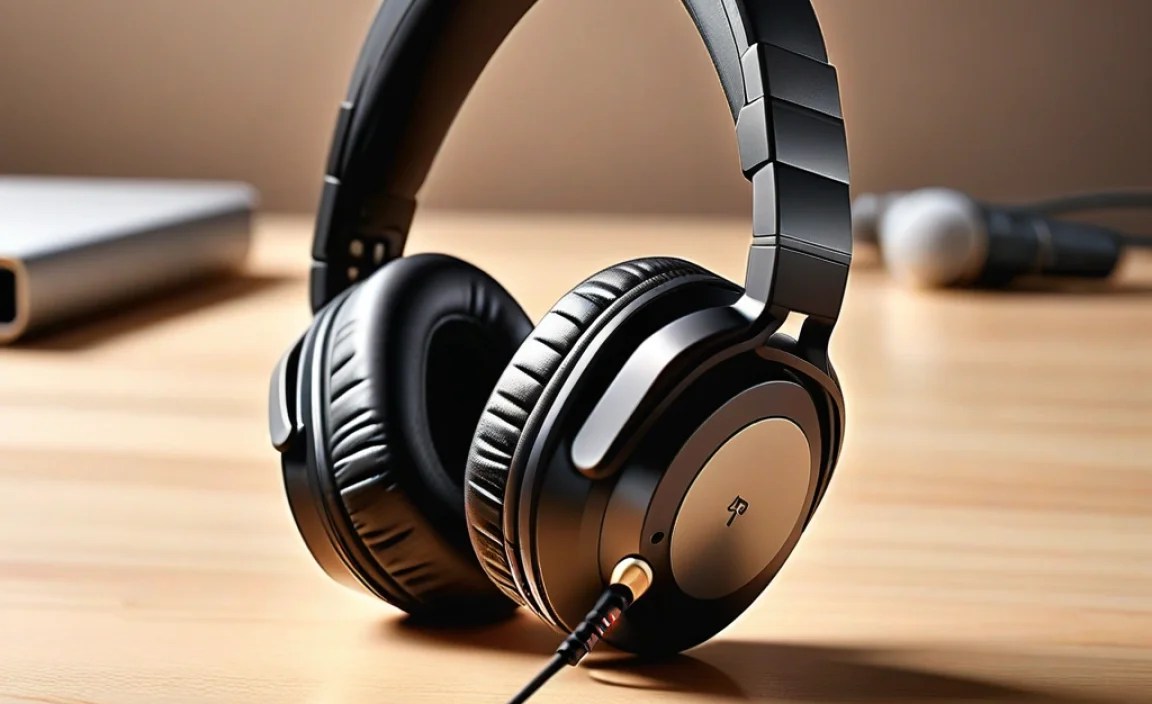
While the market is dynamic, here are some types of devices and features that represent the best in headphone translation technology:
1. Dedicated Real-Time Translation Earbuds
These are designed specifically for translation, often featuring advanced microphones and AI processing. They typically connect to a smartphone app for language selection and advanced settings.
2. Smart Earbuds with Translation Functionality
Many true wireless earbuds are now incorporating translation features. While primarily for audio, they can offer a convenient translation solution as part of a multi-purpose device.
3. Traditional Headphones with Translation Modes
Some over-ear or on-ear headphones might offer translation as a feature, often integrated with a companion app. These can offer superior comfort for extended use.
Key Features to Look For in Top Models:
- Support for 40+ languages (with more being added regularly).
- High accuracy rates (often cited in product descriptions or independent reviews).
- Low latency (minimal delay between speaking and translation).
- Both online and offline translation capabilities.
- Clear, natural-sounding translated voice output.
- Good noise cancellation for microphones.
- Intuitive companion app.
- Comfortable and ergonomic design.
Pros and Cons of Using a Headphone Translator
Like any technology, headphone translators come with their strengths and weaknesses:
Pros:
- Effortless Communication: Breaks down language barriers instantly for smoother interactions.
- Increased Confidence: Empowers users to explore and engage in new environments without fear of miscommunication.
- Portability: Compact and easy to carry, often fitting into a pocket or small bag.
- Real-Time Feedback: Provides immediate understanding and allows for natural conversation flow.
- Versatility: Useful for travel, business, education, and personal relationships.
- Constant Improvement: AI technology is continuously learning and improving translation accuracy.
Cons:
- Requires Internet (Often): Many rely on online connectivity, which can be an issue in remote areas.
- Accuracy Limitations: While good, translations aren’t always perfect, especially with slang, idioms, or complex technical jargon.
- Background Noise Interference: Very noisy environments can still affect microphone clarity and translation quality.
- Battery Dependency: Can run out of power, rendering them useless until recharged.
- Potential for Misinterpretation: Over-reliance without context can sometimes lead to humorous or awkward situations.
- Ethical Considerations: It’s always courteous to inform someone you’re using a translation device.
How to Get the Most Out of Your Headphone Translator
To ensure your headphone translator is a truly genius device, follow these tips:
- Speak Clearly and at a Moderate Pace: Avoid mumbling or speaking too quickly. Articulate your words for the best recognition.
- Face the Person You’re Speaking With: This helps the microphone in your device capture their voice more effectively and allows them to see your reactions.
- Use it in Moderately Quiet Environments When Possible: While noise cancellation helps, extremely loud places will always be a challenge.
- Understand Context is King: Remember that AI translation lacks human nuance. Use common sense and observe body language to help interpret the overall meaning.
- Keep Your Device and App Updated: Manufacturers regularly release updates to improve language databases, accuracy, and functionality.
- Practice with Different Languages: Get a feel for how the device handles various linguistic structures and accents.
- Inform Your Conversation Partner: Politely let the person know you’re using a translation device. Most people are understanding and appreciative of the effort.
- Have a Backup: For critical situations, consider having a backup method like a phrasebook or a translation app on your phone.
Example Scenarios: Headphone Translators in Action
Let’s imagine a few ways these devices can transform your everyday experiences:
Scenario 1: The Solo Traveler Navigating a Bustling Market
You’re in a vibrant Moroccan souk, wanting to buy some spices. You point to a jar and ask the vendor, “How much is this?” Your headphone translator picks it up, translates it to Arabic, and the vendor hears, “Bish hadha?” (بِش هَذَا؟). The vendor replies in Arabic, and your translator instantly converts it to English in your ear: “Ten dirhams.” You can then respond, “That’s a bit expensive, can you do eight?” which is translated back for the vendor. A smooth transaction, made possible by your translation earbuds.
Scenario 2: The Business Professional in an International Video Conference
A crucial meeting with a Japanese client is underway. Your colleague from Tokyo is presenting. Your headphone translator, connected to your laptop or phone via Bluetooth, processes her Japanese dialogue. Within seconds, you hear a clear English translation of her points in your headphones, allowing you to follow along and contribute effectively without missing a beat. Later, when you speak, your voice is translated into Japanese for the client to understand. This ensures clear communication and fosters stronger business relationships.
Scenario 3: The Foodie Exploring a Foreign City
You’ve discovered a hidden gem of a restaurant in Italy, but the menu is entirely in Italian. You ask your waiter for a recommendation. Your translator processes his Italian response: “The lasagna is a house specialty, it’s very popular.” You can then ask about ingredients or dietary restrictions with confidence, leading to a delightful culinary experience. Understanding the local cuisine just became much easier.
Frequently Asked Questions About Headphone Translators
Q1: Are headphone translators accurate enough for important conversations?
For most common conversations, they are remarkably accurate. However, for highly nuanced, technical, or sensitive discussions, human interpreters are still recommended. Accuracy depends heavily on the device’s technology, the languages, and the environment. Always use them with a bit of contextual awareness.
Q2: Can I use a headphone translator without an internet connection?
Some devices offer offline translation capabilities, usually for a limited set of languages. These typically require downloading language packs beforehand. Many models, however, rely on an internet connection for their most accurate and extensive language support.
Q3: How do I choose between earbuds and over-ear headphone translators?
Earbuds (like true wireless earbuds) are more discreet, portable, and often have better microphone placement for capturing nearby speech. Over-ear headphones can offer superior comfort for long wear, better passive noise isolation, and potentially better battery life. Consider your primary use case: travel and on-the-go convenience (earbuds) vs. extended sessions like international conferences or study (over-ear).
Q4: Will the translated voice sound robotic?
Modern text-to-speech technology is very advanced. While a slight synthetic quality might be present, most high-end translators produce voices that are clear, understandable, and sound quite natural, far from the rigid robots of the past.
Q5: What is the typical battery life of a headphone translator?
This varies greatly by model. Many true wireless earbuds offer 3-6 hours of continuous translation on a single charge, with charging cases providing multiple extra charges. Over-ear models might offer longer single-charge times, from 8-20 hours or more. Always check the manufacturer’s specifications for your specific needs.
Q6: Can I use my existing Bluetooth headphones for translation?
Generally, no. Standard Bluetooth headphones are designed for audio playback from your device. While some smart earbuds have integrated translation features in their companion apps, basic headphones lack the necessary microphones, processing power, and software to perform real-time speech translation on their own.
Q7: Is it rude to use a translator when talking to someone?
It’s best practice to be transparent. Most people are understanding or even impressed by the effort to communicate across language barriers. A simple and polite acknowledgement, like “I’m using a translation device to help us communicate,” usually goes a long way.
Conclusion: Your Gateway to a Connected World
In a world that’s more interconnected than ever, the ability to communicate freely is no longer a luxury – it’s becoming a necessity. The best headphone translator is more than just a gadget; it’s a powerful tool that empowers you to explore, connect, and understand.
Whether you’re a globetrotting adventurer, a business professional expanding your reach, or simply someone looking to foster deeper connections with people from different backgrounds, these devices offer a seamless solution.
By understanding what to look for and how to use them effectively, you can unlock a world of possibilities and break down those linguistic barriers with confidence and ease. Embrace the future of communication, and let your genius headphone translator be your guide to a truly global conversation.
