
Quick Summary: Discover the best headphones under $250 for incredible sound without breaking the bank. This guide helps beginners choose from top-rated options, focusing on key features like comfort, sound quality, and durability, ensuring you find your perfect audio companion.
Best Headphones Under $250: Your Essential Selection Guide
Hey audio adventurers! Edward Cavitt here from Headphone Horizon. Ever feel like diving into the world of good sound means spending a fortune? It doesn’t have to! Finding fantastic headphones under $250 is totally achievable. Think of headphones as your personal concert hall or quiet escape pod. Whether you’re commuting, working, or just chilling with your favorite tunes, the right pair can make a world of difference. This guide is your friendly starting point to navigating the options and picking a set that will make your ears sing. We’ll cut through the jargon and focus on what truly matters for everyday listening bliss.
Why the $250 Sweet Spot?
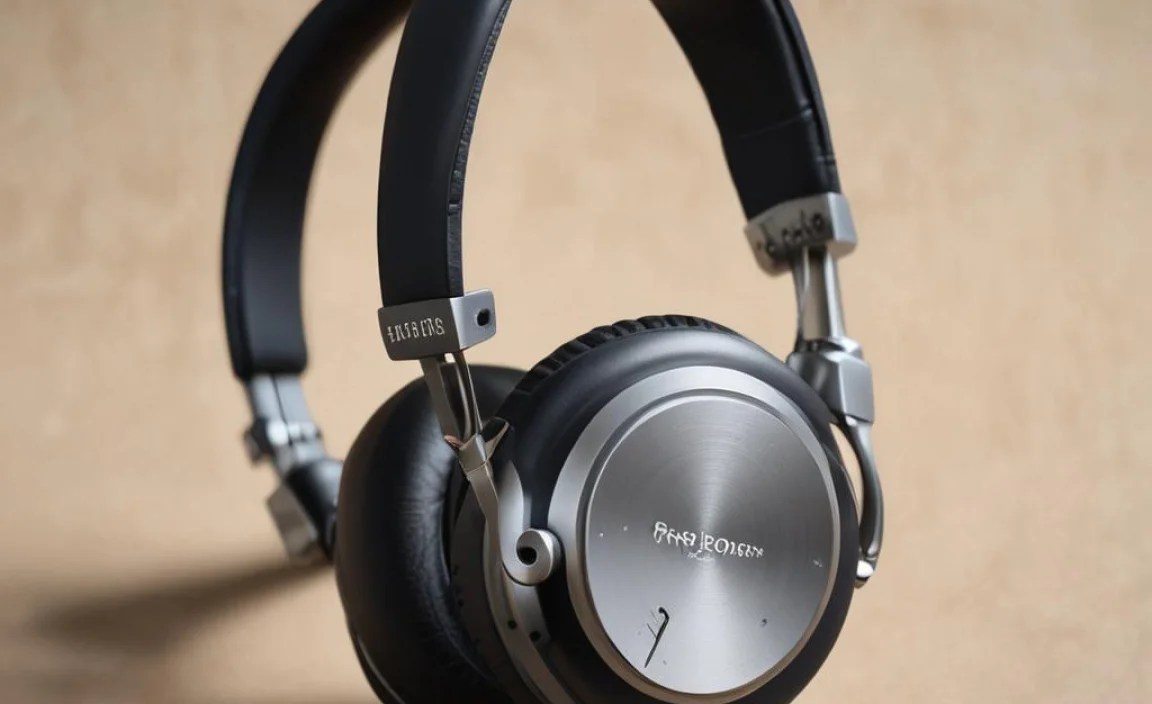
The under-$250 price range is a sweet spot for a reason. It’s where performance really starts to shine without venturing into premium, often unnecessary, territory for most listeners. You can find headphones that offer:
- Excellent sound clarity and balance.
- Comfortable designs for long listening sessions.
- Durable build quality that lasts.
- Advanced features like active noise cancellation (ANC) on some models.
- Reputable brand names known for quality.
Moving beyond this price point often involves diminishing returns – you might pay significantly more for a small improvement that only the most discerning ears can detect. For the average music lover, student, or professional, sub-$250 headphones offer the best bang for your buck.
Understanding Headphone Types: What’s Right for You?

Before we dive into specific models, let’s quickly touch on the basic types of headphones. Knowing these will help you understand why certain headphones are suited for different situations.
Over-Ear Headphones
These are the ones that fully enclose your ears. They generally offer the most comfortable fit for extended wear and often provide the best passive noise isolation and sound quality. They come in two main styles:
- Open-Back: These have earcups that are open to the air. This allows for a wider, more natural soundstage (the sense of space and instrument separation), making them great for home listening where minimizing sound leakage isn’t a concern. However, they don’t block out external noise and sound leaks out, so they’re not ideal for commuting or noisy environments.
- Closed-Back: These have solid earcups that seal around your ears. They are excellent at blocking out external noise and prevent sound from leaking out, making them perfect for use in public spaces, offices, or anywhere you need to focus on your audio.
On-Ear Headphones
These rest directly on your ears, rather than enclosing them. They are typically more compact than over-ear models but can sometimes become uncomfortable after long listening periods due to pressure on the ears. They offer a moderate level of noise isolation.
In-Ear Monitors (IEMs) / Earbuds
These fit inside your ear canal, creating a seal. They are incredibly portable and excellent for active lifestyles and commuting. A good seal provides great passive noise isolation. True wireless earbuds, which have no cords at all, are a popular subset of this category.
Key Features to Consider Under $250

When you’re shopping, keep these crucial features in mind. They’ll help you make a decision that aligns with your needs:
Sound Quality
This is, of course, paramount. Look for descriptions that mention balanced sound, clear mids, crisp highs, and satisfying bass. Some headphones are tuned for a “flat” response (ideal for critical listening and mixing), while others have a V-shaped profile (boosted bass and treble) for a more exciting, consumer-friendly sound. For most listeners, a balanced sound with a touch of pleasing bass is the sweet spot.
Comfort and Fit
You’ll be wearing these for hours, so comfort is king! Consider the weight, the padding on the earcups or headband, and how securely they fit without feeling like a vice. For over-ear headphones, look for plush earcups made of memory foam or protein leather. For in-ear models, ensure they come with multiple ear tip sizes (silicone or foam) to achieve a good seal and comfortable fit.
Durability and Build Quality
Headphones are an investment. Check reviews for comments on the materials used (metal vs. plastic), the sturdiness of the hinges (if applicable), and the quality of the cable (if wired). A well-built pair will withstand daily wear and tear.
Connectivity (Wired vs. Wireless)
- Wired: Generally offer the best sound quality for the price and don’t require charging. However, they can be tethering.
- Wireless (Bluetooth): Offer freedom of movement. Look for Bluetooth 5.0 or higher for better stability and battery efficiency. Consider codecs like aptX or LDAC if you have a compatible device and prioritize wireless audio quality.
Active Noise Cancellation (ANC)
ANC uses microphones to detect and cancel out ambient noise, creating a quieter listening environment. It’s fantastic for travel or noisy offices. While the very best ANC is usually found in more expensive models, many headphones under $250 offer surprisingly effective noise-canceling capabilities.
Battery Life (for Wireless)
If you opt for wireless, battery life is crucial. Aim for at least 20-30 hours of playback for over-ear headphones. For true wireless earbuds, look for models that offer multiple charges via their case, totaling 20+ hours. Fast charging is also a great convenience.
Top Picks: Best Headphones Under $250 (Our Selections)

Navigating the market can be overwhelming, so we’ve curated a list of excellent contenders that consistently receive praise for their performance, comfort, and value under the $250 mark. These are not ranked in strict order but are all stellar choices.
1. Sennheiser HD 560S (Open-Back, Wired)
For the Detail-Oriented Listener: If pristine audio clarity and an expansive soundstage are your top priorities, the Sennheiser HD 560S are a fantastic choice. While they are open-back (meaning sound leaks out and ambient noise comes in), their accuracy makes them wonderful for home listening, critical evaluation of music, or gaming where positional audio is key. They offer a very natural and detailed sound profile that audiophiles appreciate.
- Pros: Exceptional detail and clarity, wide soundstage, comfortable for long sessions, relatively low impedance (easy to drive with most devices).
- Cons: Open-back design is not suitable for noisy environments or public use, no Bluetooth.
2. Sony WH-CH720N (Over-Ear, Wireless, ANC)
The All-Rounder Champion: Sony is a king in the ANC headphone space, and the WH-CH720N brings much of that experience to a more affordable package. They are incredibly lightweight and comfortable, offer very good active noise cancellation for their price, and deliver a pleasant, consumer-friendly sound signature with punchy bass. Battery life is also excellent.
- Pros: Excellent ANC for the price, very comfortable and lightweight, great battery life, good sound quality with enjoyable bass, multipoint connection.
- Cons: Build quality is primarily plastic, ANC not as powerful as premium Sony models.
3. Audio-Technica ATH-M50x (Closed-Back, Wired)
The Studio Standard (for the People): The ATH-M50x is a legendary headphone, often found in studios but also a favorite for everyday listening due to its robust build and engaging sound. They offer a punchy, dynamic sound with good isolation. They come with three detachable cables (straight, coiled, short straight) and a carrying pouch, adding to their versatility.
- Pros: Durable construction, excellent isolation, powerful and engaging sound, versatile with detachable cables, good value.
- Cons: Sound can be a bit bass-heavy for some purists, clamping force can be tight for some initially, no wireless option.
4. Anker Soundcore Space Q45 (Over-Ear, Wireless, ANC)
Best Value ANC: Anker’s Soundcore line consistently punches above its weight, and the Space Q45 are a prime example. They offer impressive adaptive ANC, a long battery life, and customizable sound via an app. The sound is generally pleasing, and they’re built well enough for the price. They often dip below $150, making them incredible value.
- Pros: Strong ANC performance, excellent battery life, customizable EQ via app, comfortable design, support for LDAC codec.
- Cons: ANC can sometimes introduce a slight hiss, less premium feel than higher-end models.
5. Shure AONIC 3 (In-Ear, Wired)
Compact Clarity: If you prefer the portability and isolation of in-ear headphones and value detailed, accurate sound, the Shure AONIC 3 are a superb option. Shure is renowned for its professional audio gear, and these IEMs bring that expertise to a consumer level. They offer a balanced, natural sound that’s perfect for appreciating musical nuances, and their secure fit provides excellent passive noise isolation.
- Pros: Highly accurate and balanced sound, excellent passive noise isolation, comfortable and secure fit with multiple eartips, durable build.
- Cons: Wired only, sound signature might be too neutral for those wanting heavy bass emphasis, can be pricier at the upper end of the $250 range.
Here’s a quick comparison table for these top contenders:
| Headphone Model | Type | Primary Use Case | Key Feature | Approximate Price Range (USD) |
|---|---|---|---|---|
| Sennheiser HD 560S | Open-Back, Wired | Home Listening, Critical/Gaming Audio | Exceptional Clarity & Soundstage | $150 – $200 |
| Sony WH-CH720N | Over-Ear, Wireless, ANC | Commuting, Travel, General Use | Lightweight Comfort & Good ANC | $150 – $200 |
| Audio-Technica ATH-M50x | Closed-Back, Wired | Studio Monitoring, Everyday Enthusiast | Robust Build & Dynamic Sound | $130 – $170 |
| Anker Soundcore Space Q45 | Over-Ear, Wireless, ANC | Budget ANC, Travel, Daily Commutes | Best Value ANC Performance | $120 – $150 |
| Shure AONIC 3 | In-Ear Monitors (IEMs), Wired | Commuting, Travel, Accurate Audio | Detailed & Balanced IEM Sound | $150 – $200 |
How to Choose Your Perfect Pair: A Step-by-Step Approach
Ready to make a decision? Follow these simple steps:
Step 1: Identify Your Primary Listening Environment
Where will you use your headphones the most?
- At home, in a quiet room: Open-back headphones can be a great option for the best soundstage.
- Commuting, in the office, or on a plane: Closed-back headphones or those with good Active Noise Cancellation (ANC) are ideal.
- For workouts or on the go: In-ear headphones (IEMs) or true wireless earbuds offer portability and a secure fit.
Step 2: Decide Between Wired and Wireless
- Wired: If you prioritize the absolute best sound quality for your money and don’t mind being tethered, go wired. They also never run out of battery!
- Wireless: If freedom of movement is important for your lifestyle, Bluetooth headphones are the way to go. Just be mindful of battery life.
Step 3: Consider Your Preferred Sound Signature
Do you like your bass to thump, or do you prefer a more neutral, “natural” sound?
- Bass-heavy: Look for headphones often described as having a “V-shaped” or “fun” sound.
- Neutral/Balanced: Ideal for purists, these aim to reproduce sound as the artist intended without exaggeration.
- Detailed/Analytical: These highlight every nuance, great for spotting details in music or sound effects.
If you’re unsure, a balanced sound is usually a safe bet.
Step 4: Read Reviews (and Trust Reputable Sources!)
Once you’ve narrowed down your choices, dive into reviews. Look for common themes regarding sound quality, comfort, durability, and battery (if wireless). Trusted audio review sites and user feedback on retail platforms can be very insightful. For example, sites like Rtings.com offer in-depth, objective testing and comparisons.
Step 5: Check for Comfort and Fit Features
If possible, try to feel the headphones in person. If not, pay close attention to reviews that discuss comfort for extended wear, the clamping force, and the softness of the earcups or ear tips. For IEMs, the inclusion of multiple ear tip sizes is a strong indicator of comfort focus.
Essential Maintenance for Longevity
Treating your headphones well ensures they sound great and last longer. Here are some simple tips:
Cleaning Your Headphones
- Earpads/Earcups: For fabric earpads, use a slightly damp cloth with mild soap and water. For leather or pleather, use a cleaner specifically designed for them, or a slightly damp cloth. Ensure they are completely dry before use.
- Ear Tips (IEMs): These are crucial for hygiene and sound. Remove them and wash gently with warm water and mild soap. Let them air dry completely.
- Headband: Wipe with a dry or slightly damp cloth.
- Grilles/Drivers: Be very careful here. Use a dry, soft brush (like a clean makeup brush or toothbrush) to gently dust the grilles. Never use liquids directly on or near the drivers.
Cable Care (for Wired Headphones)
- Avoid tightly coiling or sharply bending the cable, as this can damage the internal wires.
- When storing, gently loop the cable loosely.
- If the cable becomes tangled, carefully untangle it rather than yanking.
Storage
Always store your headphones in a safe place when not in use. A carrying case or the original box is ideal. Avoid leaving them exposed to extreme temperatures, direct sunlight, or moisture.
Frequently Asked Questions (FAQ)
Q1: Are open-back headphones bad for public use?
Yes, typically open-back headphones are not suitable for public use. They leak sound outwards, meaning others can hear what you’re listening to, and they also don’t block out external noise very well. They are best enjoyed in quiet environments where you can appreciate their wide soundstage without disturbing others or being disturbed.
Q2: What does “ANC” stand for and why is it useful?
ANC stands for Active Noise Cancellation. It’s a technology that uses microphones to detect ambient noise and then generates opposing sound waves to cancel it out. This is incredibly useful for creating a quieter listening experience in noisy environments like airplanes, trains, or busy offices, allowing you to enjoy your audio at lower, safer volumes.
Q3: How important are Bluetooth codecs like aptX and LDAC?
Bluetooth codecs determine how audio data is transmitted wirelessly. Standard codecs like SBC are good for basic listening, but codecs like aptX, aptX HD, and LDAC can offer higher fidelity sound, closer to what you’d get from a wired connection, provided both your headphones and your audio source device support them. For a beginner, don’t get too hung up on them; focus on overall headphone performance, but if your devices support LDAC or aptX HD, it’s a nice bonus.
Q4: Can I use headphones designed for home listening for workouts?
Generally, no. Headphones designed for home listening, especially open-back models, are not built to withstand sweat, moisture, or the vigorous movement involved in workouts. They can also be easily damaged. For exercise, look for sport-specific earbuds or headphones that are sweat-resistant and offer a secure fit.
Q5: Do I need a special amplifier for headphones under $250?
For most headphones in the under-$2
