
Quick Summary: Discovering the best headphones for autistic adults means prioritizing noise reduction and comfortable fits. Look for models with excellent active noise cancellation (ANC) and passive isolation, cushioned earcups, and adjustable headbands. These headphones offer a sanctuary of quiet, helping to manage sensory overload and enhance focus in noisy environments.
Best Headphones for Autistic Adults: Finding Your Essential Quiet

Navigating the world can sometimes feel overwhelming, especially if you’re an autistic adult often experiencing sensory overload from a cacophony of sounds. Finding a personal oasis of calm is crucial for well-being, focus, and simply enjoying your surroundings. Headphones aren’t just for listening to music; for many, they are essential tools for managing auditory sensitivities. This guide is designed to help you find the best headphones that act as your personal shield against overwhelming noise, offering you the essential quiet you need to thrive.
Why Headphones Are Crucial for Autistic Adults

Autism Spectrum Disorder (ASD) can significantly impact how individuals process sensory information, particularly sound. For many autistic adults, everyday sounds that others might tune out can be intensely distracting, overwhelming, or even painful. This hypersensitivity, known as auditory defensiveness, can lead to:
- Sensory Overload: A feeling of being overwhelmed by sensory input, leading to anxiety, distress, and difficulty functioning.
- Difficulty Concentrating: Inability to focus on tasks, conversations, or learning due to constant auditory distractions.
- Social Challenges: Avoiding social situations or public places due to the unpredictable and often loud sensory environment.
- Fatigue: The constant effort to filter or cope with excessive noise can be exhausting.
The right pair of headphones can act as a powerful tool to mitigate these challenges. They create a controllable auditory environment, allowing individuals to reduce the intensity of external sounds, focus better, and feel more comfortable in a variety of settings, from busy cafes to noisy offices or public transport. It’s about reclaiming control over your sensory experience.
Key Features to Look for in Headphones

When searching for the best headphones for autistic adults, certain features rise to the top. These aren’t just about sound quality for music; they’re about creating a barrier and providing comfort.
1. Active Noise Cancellation (ANC)
Active Noise Cancellation is a game-changer for sensory management. ANC technology works by using microphones to detect ambient noise and then generating an opposite sound wave to cancel it out. This is incredibly effective at reducing low-frequency, constant noises like airplane engines, air conditioning hums, or general crowd murmur. For autistic adults, ANC can provide a significant level of quiet and peace.
2. Passive Noise Isolation
While ANC tackles ambient noise electronically, passive noise isolation is achieved through the physical design of the headphones. This means a good seal around your ears from well-fitting earcup materials like memory foam and a snug, but comfortable, clamping force from the headband. Over-ear (circumaural) headphones generally offer better passive isolation than on-ear or in-ear models. Even if ANC isn’t enabled, effective passive isolation can dampen many distracting sounds.
3. Comfort and Fit
This is paramount. Headphones worn for extended periods must be comfortable. Look for:
- Pillow-soft earcups: Made from plush materials like memory foam or velour that are gentle on the skin and create a good seal.
- Adjustable headband: To ensure a secure but not overly tight fit.
- Lightweight design: Heavy headphones can cause discomfort and pressure.
- Breathable materials: To prevent overheating during long wear.
4. Sound Quality (Optional, but a Bonus)
While the primary goal might be quiet, good sound quality is still a benefit. If you prefer to listen to music, podcasts, or white noise to further block out distractions, then the audio fidelity matters. However, for many, the ability to simply create silence is the priority.
5. Durability and Portability
Headphones are an investment. They should be built to last and easy to carry if you plan to use them on the go. A good carrying case can be a valuable addition.
6. Wireless vs. Wired
Wireless headphones offer freedom from tangled cords, which can be a significant advantage for some. However, ensure they have good battery life. Wired headphones are reliable and don’t require charging, but the cable can sometimes be a nuisance or even a sensory snag. Many modern ANC headphones offer the best of both worlds with excellent wireless performance and an optional audio cable.
Types of Headphones and Their Suitability

Understanding the different headphone types can help narrow down your choices.
Over-Ear Headphones (Circumaural)
These completely enclose your ears. They generally provide the best passive noise isolation and are often the most comfortable for long-term wear due to larger earcups. Many high-quality ANC headphones fall into this category. They can sometimes feel bulky, but their superior noise-blocking capabilities make them a top contender.
On-Ear Headphones (Supra-aural)
These rest directly on the ears. They are typically lighter and more compact than over-ear models but offer less passive noise isolation because they don’t create a full seal. The pressure directly on the ear can also be uncomfortable for some individuals over time.
In-Ear Headphones (Earbuds and IEMs)
These fit inside the ear canal. When they fit well, they can offer excellent passive noise isolation. True wireless earbuds are incredibly portable. However, the sensation of something being inside the ear canal can be uncomfortable or even irritating for some autistic individuals. The smaller size also means less space for robust ANC technology and battery life compared to over-ear models.
Recommendations for Specific Needs
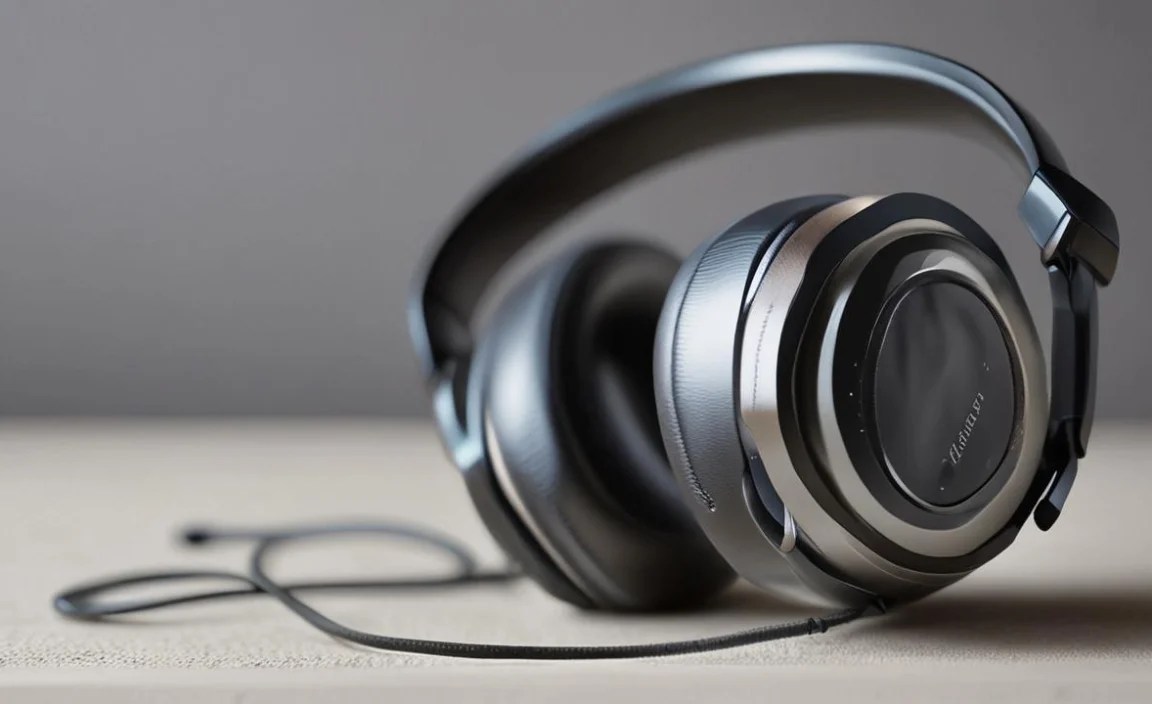
Here are some categories and specific features that cater to the needs of autistic adults:
For Maximum Quiet: Top-Tier ANC
If your primary concern is blocking out as much noise as possible, investing in headphones with industry-leading Active Noise Cancellation is your best bet. These models are designed to silence the world around you.
Key Features to Prioritize:
- Superior ANC performance: Look for reviews that specifically test ANC in various environments (low hums, mid-frequency voices, traffic).
- Comfortable, isolating earcups: Thick, plush padding is essential.
- Good fit: The headband should have enough adjustability.
Examples of Headphones Known for Excellent ANC:
- Sony WH-1000XM series (e.g., WH-1000XM5)
- Bose QuietComfort series (e.g., QuietComfort Ultra Headphones)
- Sennheiser Momentum 4 Wireless
For Comfort and Long Wear: Plush and Lightweight
If you plan to wear headphones for extended periods, comfort is king. Look for models designed with ultra-soft materials and a lightweight build.
Key Features to Prioritize:
- Memory foam earcups: These mold to the shape of your head.
- Velour or vegan leather earpads: Often feel softer and more breathable than standard leatherette.
- Lightweight construction: Reduces pressure points.
- Ergonomic design: Distributes weight evenly.
Examples of Headphones Known for Comfort:
- Bose QuietComfort series (historically renowned for comfort)
- Sennheiser HD 599 (open-back, but very comfortable if isolation isn’t the absolute top priority, though not ideal for blocking noise) – Consider closed-back alternatives if isolation is key.
- Beyerdynamic DT 770 PRO (often praised for comfort and build, available in different impedance levels and earpad types. Excellent passive isolation.)
For Minimalist & Discreet Use: Compact & Effective
If you need something less bulky, or if over-ear headphones feel too overwhelming, a good pair of noise-reducing earbuds or a more compact on-ear headphone could be an option, provided they offer sufficient blocking power.
Key Features to Prioritize:
- Excellent passive seal: Crucial for earbuds that lack powerful ANC. Multiple ear tip sizes are a must.
- Lightweight and secure fit: So they don’t feel obtrusive.
- Decent ANC (if available): Though often less powerful than over-ear models.
Examples:
- Apple AirPods Pro (good ANC for their size, comfortable fit for many)
- Sony WF-1000XM series (e.g., WF-1000XM5) (arguably the best ANC in the true wireless earbud category)
- Bose QuietComfort Earbuds II
For Sensory Input Control: Customizable Sound
Some individuals find that a complete lack of sound can be unsettling. Others prefer to replace ambient noise with calming sounds like white noise, nature sounds, or specific music. Headphones that allow you to:
- Easily adjust ANC levels.
- Enable a “transparency” or “ambient awareness” mode to let some important sounds through without removing headphones.
- Connect to music or sound apps with good audio quality.
These features offer more control over your auditory environment.
Noise Cancelling vs. Noise Reducing Headphones: What’s the Difference?

It’s important to distinguish between different types of “noise blocking” headphones:
Active Noise Cancelling (ANC) Headphones:
- Use microphones and electronics to neutralize ambient sound, especially consistent low-frequency noises.
- Most effective against drones (engines, fans, traffic).
- Less effective against sudden, sharp, or high-frequency noises (voices, alarms) but still dampen them.
- Require battery power to function.
Noise Isolating Headphones:
- Block out sound purely through their physical design – a good seal around the ears (over-ear) or inside the ear canal (in-ear).
- Effective against a broader range of frequencies, including voices and higher-pitched sounds, depending on the seal.
- Do not require batteries.
- The quality of isolation depends heavily on the fit and materials.
| Feature | Active Noise Cancelling (ANC) | Noise Isolating |
|---|---|---|
| Mechanism | Electronic cancellation of sound waves | Physical barrier to sound |
| Best For | Constant, low-frequency noises (engines, hums) | Sudden, sharp, and a wide range of frequencies (voices, clatter) |
| Examples | Sony WH-1000XM series, Bose QC series | Well-fitting in-ear monitors (IEMs), over-ear headphones with thick pads and good clamping force. |
| Power Requirement | Requires battery | Does not require battery |
For autistic adults, a combination of both ANC and excellent passive noise isolation in a comfortable over-ear design typically offers the most comprehensive solution for managing sensory overload.
Testing Headphones: What to Do Before You Buy

If at all possible, try before you buy. This is especially important for comfort and fit.
- Visit a Store: Go to an electronics store or a dedicated audio shop. Many have demo units available.
- Check the Fit: Put the headphones on. How do the earcups feel against your ears and head? Is the headband comfortable, or is it too tight/loose? Can you adjust it easily?
- Assess Earcups: Do they cover your ears completely (over-ear)? Do they press too hard (on-ear)? Do they create good seal?
- Test the Clamping Force: Gently try to dislodge the headphones. They should stay put without feeling like they’re squeezing your head.
- Simulate Noise (If Possible): Some stores have slightly noisy environments. If you can, walk around a bit. If they have a quiet room, see how much ambient noise is blocked even before ANC is on.
- Try ANC in a Quiet Space First: If you can turn on ANC in a quiet demo area, do so. Notice how it affects background sounds.
- Consider Return Policies: If buying online, check the return policy carefully. Many reputable online retailers offer a generous window for returns if the headphones aren’t a good fit for your needs.
If in-person testing isn’t feasible, lean on detailed reviews from reputable sources and understand the return process.
Beyond the Specs: Other Considerations
Material Sensitivity: Some individuals are sensitive to certain materials. The texture and feel of earpad materials (leather, vegan leather, velour) can make a difference. If possible, feel the materials or look for descriptions that highlight their softness and breathability.
Appearance: While functionality is key, some may prefer a more discreet or stylish look. Many brands offer headphones in various colors.
Connectivity: Bluetooth is convenient, but ensure it’s a stable connection. Some headphones allow you to connect to multiple devices simultaneously, which can be useful.
Battery Life: If you plan to use them for long periods away from a charger, look for at least 20-30 hours of battery life with ANC on.
Ease of Use: Buttons and controls should be intuitive and easy to find and operate without looking. Some people prefer physical buttons, while others are comfortable with touch controls.
Integrating Headphones into Daily Life
Once you find the right pair, integrating them into your routine can be a gradual process that brings significant benefits:
- Start Small: Begin by wearing them for short periods in less overwhelming environments (e.g., at home while doing a quiet activity).
- Use Them for Focus: Wear them while working, studying, or engaging in hobbies to minimize distractions.
- Public Transport Sanctuary: They can transform commutes into more manageable experiences.
- Noise-Free Breaks: Use them even without music playing to enjoy moments of quiet, especially in busy public spaces.
- Communicate Your Needs: If comfortable, explain to friends, family, or colleagues that your headphones help you manage sensory input.
Remember that the goal is empowerment and comfort, not necessarily complete isolation. Some people use headphones with calming ambient sounds or white noise, which can be more effective for some than complete silence. Resources like the Autism Speaks website offer further insights into sensory processing and coping strategies.
Frequently Asked Questions (FAQ)
Q1: Are noise-cancelling headphones safe to wear all the time?
For ambient noise reduction, yes, they are generally safe. However, it is important to remain aware of your surroundings, especially when crossing streets or in situations where auditory cues are vital for safety. Many ANC headphones have a “transparency” mode that allows important external sounds to be heard, which can mitigate this concern. It’s also good practice to give your ears a break periodically.
Q2: Can noise-cancelling headphones make sensory overload worse?
Typically, they are designed to reduce sensory overload. However, for a small percentage of individuals, the pressure sensation, the feeling of being completely cut off, or the distinct “hiss” some older ANC models produced might be uncomfortable. Trying different models and settings, or opting for noise-isolating headphones if ANC is the issue, can help.
Q3: What’s better for autistic adults: noise-cancelling or noise-isolating headphones?
Often, the best solution is a combination of both. High-quality over-ear headphones with effective Active Noise Cancellation (ANC) and excellent passive noise isolation offer the most comprehensive sound blocking. If ANC is uncomfortable or too expensive, well-fitting noise-isolating headphones (like good earbuds or over-ear models with plush padding) can still provide significant relief.
Q4: Do I need to play music or white noise for noise-cancelling headphones to work?
No. Active Noise Cancellation works independently of playing any audio. It actively counteracts ambient sounds. However, playing music or white noise can be an effective strategy for some autistic adults to further manage sensory input by providing a predictable, calming soundscape or masking unwanted noises.
Q5: How much should I expect to spend on good headphones for sensory needs?
You can find decent noise-isolating earbuds for under $100. However, for top-tier Active Noise Cancellation and superior comfort, expect to invest between $200 and $400. The benefits in managing sensory overload can make this a worthwhile investment for many.
