
Quick Summary: Finding the best headphones for basketball means prioritizing a secure, comfortable fit that stays put during intense activity. This guide helps you choose headphones with features like ear hooks, water resistance, and good battery life, ensuring your music keeps pace with your game without interruption.
Score Big with the Best Headphones for Basketball: Proven Fit for Any Court

Hoops and hip-hop, dribbling and dynamic playlists – they go hand in hand for many athletes. But let’s be honest, trying to jam to your favorite tunes while sprinting down the court, making sharp cuts, or hitting jump shots can quickly turn into a frustrating battle with falling earbuds or bulky headphones. The good news? You don’t have to sacrifice your soundtrack for your game. The key lies in finding the best headphones for basketball that offer a “proven fit” – meaning they’re designed to stay securely in place, no matter how much you move. Forget constant adjustments; let’s explore how to pick the perfect pair so you can focus on sinking that three-pointer.
Why a “Proven Fit” is Crucial for Basketball Headphones
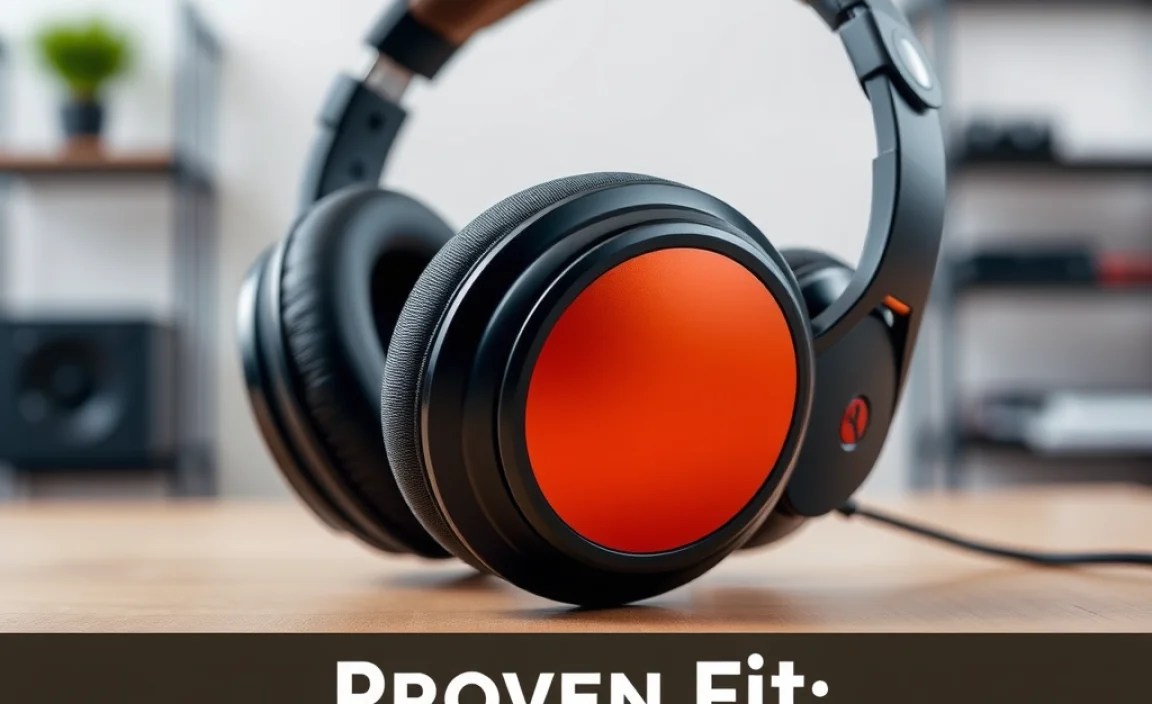
When you’re on the basketball court, your headphones are more than just audio devices; they’re a vital part of your training or game-day experience. A secure fit isn’t just about comfort; it’s about functionality and safety. Constantly having to readjust your headphones is a major distraction, breaking your concentration and rhythm. Imagine missing a key play because your earbuds popped out! Furthermore, headphones that fit poorly can be prone to damage if they fall onto the hard court. For basketball, we need headphones that are engineered to withstand movement, sweat, and the occasional bump, all while staying comfortably in your ears.
Key Features to Look for in Basketball Headphones
To nail that “proven fit” and ensure your headphones can handle the demands of the court, keep an eye out for these essential features:
- Secure Fit Mechanisms: This is the most critical aspect. Look for features like ear hooks, wingtips, or snug in-ear designs that lock them into place.
- Sweat and Water Resistance: Basketball makes you sweat! Headphones with an IPX rating (like IPX4 or higher) will protect against moisture damage.
- Comfort and Lightweight Design: Even with a secure fit, they need to be comfortable for extended wear. Lightweight materials prevent fatigue.
- Good Battery Life: Long practices or game sessions require headphones that can keep up. Aim for at least 6-8 hours of playtime.
- Durable Build Quality: They should be able to withstand being tossed in a gym bag or the occasional accidental drop.
- Audio Quality: While fit is paramount, you still want to enjoy your music or podcasts with clear sound.
- Connectivity: Reliable Bluetooth connectivity ensures your music doesn’t cut out.
Step-by-Step Guide: Finding Your Perfect Basketball Headphones
Step 1: Assess Your Personal Fit Needs

Before diving into specific models, take a moment to think about your ears. Do you have smaller ear canals? Do earbuds often fall out? Or do you prefer something that sits over your ear? Understanding your own ear shape and how headphones typically fit you is the first step towards finding a solution that works.
Considerations for Different Ear Shapes:
- For those with smaller ears: Look for earbuds with multiple ear tip sizes included, and consider models with smaller profiles or flexible wingtips.
- For those who experience slippage: Ear hook designs are your best friend. They wrap around the ear to provide extra stability.
- For those who dislike in-ear designs: On-ear or neckband style headphones might be a better fit, though they can sometimes be bulkier.
Step 2: Prioritize Secure Fit Mechanisms
This is where we zero in on the “proven fit.” For active sports like basketball, certain designs are inherently more secure than others. Let’s break down the most effective types:
Types of Secure Fit Headphones:
- Ear Hook Headphones: These are arguably the kings of staying put. The ear hook loops over and around your ear, creating a physical barrier that prevents the earbud from dislodging. They are excellent for high-impact activities.
- Wingtips/Ear Fins: Some earbuds come with small, flexible silicone fins that nestle into the natural curves of your ear. This provides a secondary point of contact, enhancing stability without the full ear hook.
- Secure In-Ear Buds with Multiple Tip Sizes: Even without hooks or wings, some earbuds are designed to create such a good seal within the ear canal that they remain stable. Crucially, these come with a variety of silicone or foam ear tip sizes (S, M, L, XL) to ensure you can find a snug, deep fit that prevents them from easily falling out.
- Neckband Headphones: While the earbuds themselves might not have extra securing features, the neckband keeps them from falling completely if one does slip out. The band rests on your neck, and the wire leading to the earbuds creates a somewhat more stable system than completely true wireless earbuds for some users.
Step 3: Check for Sweat and Water Resistance (IPX Rating)
Basketball is a sweaty sport. Your headphones need to be able to handle it. Look for an IPX rating (Ingress Protection) on the product specifications. This rating tells you how well a device is protected against solids (like dust) and liquids (like water).
For basketball, a minimum of IPX4 is recommended. This means the headphones are protected against splashed water from any direction.
Understanding IPX Ratings:
| IPX Rating | Protection Against | Suitability for Basketball |
|---|---|---|
| IPX1 | Vertical water drops | Not recommended (minimal protection) |
| IPX2 | Water drops when tilted up to 15° | Not recommended (minimal protection) |
| IPX3 | Water spray (up to 60° from vertical) | Okay for very light sweat, but not ideal |
| IPX4 | Splashing water from any direction | Recommended minimum (handles sweat well) |
| IPX5 | Water jets (low pressure) | Excellent (handles heavy sweat and light rain) |
| IPX7 | Immersion up to 1 meter for 30 minutes | Overkill for basketball, but highly durable |
Step 4: Consider Comfort and Lightweight Design
Even the most secure headphones will be a pain if they’re heavy or create pressure points. For basketball, you want headphones that feel almost unnoticeable. This means looking for models made from light plastics or silicones, and designs that distribute pressure evenly.
Tips for Comfort:
- Look for soft, flexible ear tips (silicone or foam). Foam tips often conform better and can create a more secure seal.
- If choosing ear hooks, ensure they are not too rigid. Some are made of bendable material for a custom fit.
- Read reviews that specifically mention comfort during exercise.
Step 5: Evaluate Battery Life and Charging
Basketball practices can be long, and you don’t want your music cutting out mid-game. Aim for headphones that offer at least 6-8 hours of continuous playback on a single charge.
Battery Considerations:
- Playback Time: Factor in the total time you’ll likely use them in one go.
- Charging Case (for True Wireless): A portable charging case can extend your listening time significantly. Look for cases that can provide at least 2-3 full recharges.
- Quick Charge: Some headphones offer a quick charge feature, giving you an hour or two of playback from just a few minutes of charging – a lifesaver when you’re in a hurry.
Step 6: Don’t Forget Audio Quality and Connectivity
While staying in place is the top priority, you still want your tunes to sound great and your connection to be reliable. Good audio quality can be motivating, and a stable Bluetooth connection prevents frustrating dropouts.
Tips for Audio and Connectivity:
- Look for Bluetooth 5.0 or higher for the most stable connection.
- Read reviews comparing audio profiles. Some prefer a more bass-heavy sound for workouts, while others like balanced audio.
- Consider the microphone quality if you plan on taking calls during your breaks.
Top Recommendations for Basketball Headphones (Proven Fit Focus)
Based on the criteria above, here are a few categories and examples of headphones that tend to perform exceptionally well for basketball players seeking a secure fit. Remember, availability and specific models can change, so always check the latest reviews and features.
1. True Wireless Earbuds with Ear Hooks/Wingtips
These offer the ultimate freedom of movement. The added ear hooks or wingtips are crucial for a proven fit.
Popular Examples in this Category:
- Jaybird Vista 2: Known for their secure, comfortable fit with wingtips, excellent durability, and good IPX5 water resistance. They offer decent battery life and solid sound for sports.
- Anker Soundcore Sport X10: These feature rotating ear hooks that provide an incredibly secure fit for nearly any ear shape. They boast impressive IPX7 water resistance and good battery life at a very competitive price point.
- Beats Powerbeats Pro: A classic choice for athletes. The iconic ear hooks ensure a rock-solid fit, they have excellent IPX4 water resistance, and offer great sound with seamless Apple integration. Battery life is also solid.
2. Neckband Wireless Earphones
For those who prefer the security of a band around their neck, these can be a great option. The earbuds might have wingtips, but the band is the primary security feature.
Popular Examples in this Category:
- Bose SoundSport Wireless (if still available / similar models): Bose is known for comfort and stability in their sport lines. While often a bit pricier, they usually offer good sweat resistance and dependable sound.
- Sony WI-SP510 (if still available / similar models): These often come with a light, flexible neckband and wingtips for a secure in-ear fit. They generally offer good battery life and IPX4 rating.
3. Sports-Focused In-Ear Headphones (without hooks)
If you don’t like ear hooks but need a secure fit, opt for true wireless earbuds that come with a generous assortment of ear tip sizes and often include stabilizing wingtips.
