
Best Headphones With Bass: Stunning Sound for Every Listener
Quick Summary: Discover headphones that deliver powerful, rich bass without sacrificing clarity. This guide helps beginners find the perfect pair for an immersive listening experience, covering top picks, key features to look for, and simple tips for enjoying stunning sound quality.
Welcome to Headphone Horizon, where we break down the world of audio so you can hear the difference! Today, we’re diving deep into a topic many music lovers crave: headphones that deliver that satisfying, thumping bass. Whether you’re a basshead who loves feeling the rhythm or just appreciate a fuller, more dynamic sound, finding the right pair can transform your listening experience. We know the sheer number of options out there can be overwhelming, but don’t worry! We’re here to demystify what makes headphones great for bass and guide you to your perfect match. Get ready to experience your favorite tracks like never before, with bass that’s both powerful and precise.
Why Bass Matters in Headphones

Bass is the foundation of most modern music. It provides the rhythm, the depth, and the emotional weight that makes songs feel alive. For many, headphones that can reproduce bass accurately and with impact offer a more engaging and enjoyable listening experience. It’s not just about loudness; it’s about the quality of the bass – its tightness, its extension (how low it can go), and how well it integrates with the rest of the audio spectrum. Good bass can make you feel the beat in your chest, adding a physical dimension to your music, podcasts, or even movies.
What to Look for in Bass-Heavy Headphones

When shopping for headphones that excel in bass, several key features stand out. It’s about more than just checking a box; understanding these elements empowers you to make an informed choice. Here’s what to keep an eye out for:
1. Driver Size and Type
The drivers are the speakers inside your headphones. Larger drivers often have the potential to produce deeper and more powerful bass. While size isn’t everything, it’s a significant factor. Different driver types also play a role:
- Dynamic Drivers: The most common type, generally good at producing a strong bass response due to their ability to move a lot of air.
- Planar Magnetic Drivers: Known for their speed and detail, many planar headphones can also deliver incredibly articulate and powerful bass, though they are often more expensive.
- Balanced Armature Drivers: While often praised for mids and treble, some multi-driver balanced armature setups can be tuned to offer impressive bass, but it’s less common as a primary focus.
2. Frequency Response
This tells you the range of sound frequencies a headphone can reproduce. For bass, you’ll want to look for headphones with a lower extended frequency response. A good range for bass emphasis would show strong output in the 20 Hz to 100 Hz range. While the human ear can typically hear down to about 20 Hz, headphones that can reproduce these lower frequencies provide that sub-bass rumble that’s so satisfying. You can often find this information in the product specifications.
3. Impedance and Sensitivity
These specs are more technical but can influence bass output:
- Impedance (Ohms): Higher impedance headphones often require a more powerful amplifier to drive them properly, which can lead to better bass control and impact. Lower impedance headphones are generally easier to drive but might not offer the same dynamic bass punch with all devices.
- Sensitivity (dB/mW): Higher sensitivity headphones require less power to produce a certain volume level. This is more about overall loudness than bass quality, but pairing high sensitivity with a strong driver can result in impactful bass even from portable devices.
4. Acoustic Design and Enclosure
The way headphones are built significantly impacts bass performance:
- Closed-Back Headphones: These typically offer better bass isolation and can produce a more enclosed, powerful bass response because the sound is contained. They are excellent for blocking out external noise, which helps you focus on the bass.
- Open-Back Headphones: While often prized for soundstage and detail, some open-backs can surprisingly deliver nuanced bass, though it might feel less impactful or “in your face” compared to closed-back models.
- Porting/Venting: Some headphones use vents or ports to enhance bass response by allowing air to move more freely, which can create a deeper, more resonant bass.
5. Tuning and EQ Settings
Even headphones not explicitly marketed as “bass-heavy” can be tuned through equalization (EQ). Many headphones come with companion apps that allow you to adjust bass levels. If you’re open to a bit of customization, this is a powerful tool. However, if you want great bass right out of the box, look for models known for their naturally warm or bass-forward sound profiles.
Top Picks for Headphones with Bass
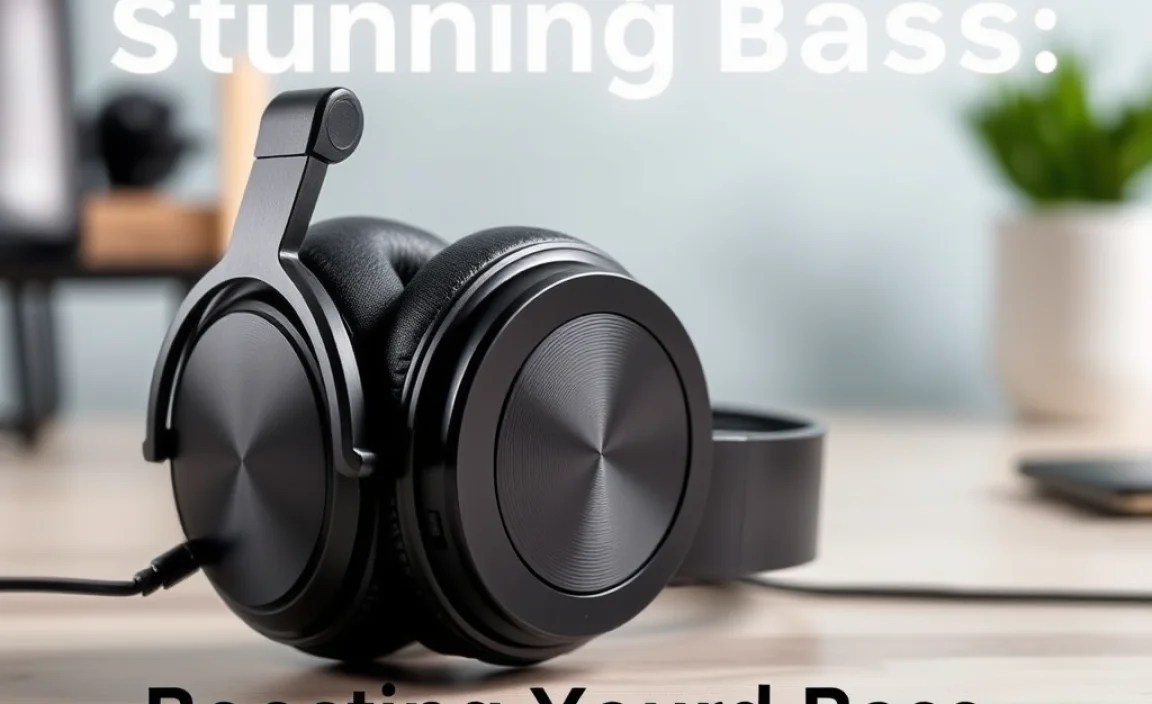
Finding the “best” is subjective and depends on your budget and specific needs. However, here are some widely recommended headphones known for their stellar bass performance, catering to different preferences and price points.
For the Budget-Conscious Bass Lover
If you want great bass without breaking the bank, start here. These options offer a fantastic bang for your buck.
1. Audio-Technica ATH-M50x / ATH-M40x
The ATH-M50x is legendary for its V-shaped sound signature, meaning it emphasizes bass and treble. This makes for a very exciting listening experience, especially for genres with strong beats. The bass is punchy, deep, and controlled. The ATH-M40x offers a more balanced sound but still retains a satisfying bass presence. Both are excellent studio-monitor style headphones with a durable build.
- Pros: Excellent bass impact, durable construction, comfortable for long sessions, detachable cables, great value.
- Cons: V-shape tuning might not be for purists, can be a bit bulky for commuting.
2. Skullcandy Crusher Evo / Crusher ANC
Skullcandy is synonymous with bass, and the Crusher line takes it to another level. The Crusher Evo features a “Skullcandy-exclusive” audio technology called Sensory Bass, which allows you to physically adjust the bass level to an almost tactile degree. It’s an immersive experience that some users absolutely love. The Crusher ANC adds active noise cancellation to the mix. These headphones are fun and energetic.
- Pros: Extremely powerful and adjustable bass, fun sound profile, good battery life, comfortable.
- Cons: Bass can sometimes overpower other frequencies, build quality is good but not premium.
For Audiophiles Seeking Balanced Bass
These headphones offer a more refined and balanced bass response, where impact meets detail and clarity. The bass is present and powerful but doesn’t drown out the mids and highs.
3. Sennheiser HD 660 S
While Sennheiser is often associated with neutral and detailed sound, the HD 660 S offers a slightly warmer signature with a more pronounced and well-controlled bass response compared to its predecessors. The bass is deep, textured, and integrates beautifully with the rest of the frequencies, providing a natural, engaging sound.
- Pros: Superb balance between bass impact and overall clarity, natural and engaging sound, comfortable for extended listening, excellent build quality.
- Cons: Open-back design means sound isolation is minimal, requires a decent source to perform at its best.
4. Sony WH-1000XM5 (or XM4)
The Sony WH-1000XM series is renowned for its top-tier active noise cancellation (ANC), but they also deliver a fantastic audio experience with a strong, yet refined bass. The bass is punchy and deep, and with Sony’s Headphones Connect app, you can easily adjust EQ settings to emphasize it further or dial it back. The XM4 remains a great option if you can find it at a discount.
- Pros: Industry-leading ANC, excellent sound quality with customizable bass profiles, comfortable, long battery life, feature-rich app.
- Cons: Premium price point, non-replaceable battery.
For Gaming and Immersive Entertainment
If you’re looking for headphones that make explosions boom and soundtracks rumble, these are for you.
5. Beyerdynamic DT 770 PRO (80 Ohm version)
The DT 770 PRO is a staple for many audio professionals, and the 80 Ohm version is particularly favored for its robust bass. It’s very well-defined, offering impact without being muddy. The closed-back design ensures good isolation, making it ideal for gaming and immersive listening where you want to feel every sound.
- Pros: Powerful and detailed bass, excellent comfort and build quality, great sound isolation.
- Cons: Can be a bit bass-heavy for some music genres, coiled cable is long and might not be ideal for all users.
6. Audeze LCD-X (or Mobius for Gaming/Wireless)
Audeze is known for its planar magnetic headphones, which deliver incredibly fast, detailed, and powerful bass. The LCD-X is a high-end planar headphone where the bass is both physically impactful and exquisitely detailed. For a more gaming-focused and wireless option, their Mobius headphones offer immersive 3D audio and excellent bass response with uncanny positional accuracy.
- Pros: Unmatched bass clarity and impact with planar magnetic drivers, detailed sound, great for critical listening and gaming.
- Cons: Very expensive (LCD-X), Mobius is geared more towards feature-rich gaming than pure audiophile listening.
Features Comparison Table
Here’s a quick look at some of the highlighted headphones and their key bass-related features.
| Headphone Model | Driver Type | Bass Emphasis | Key Feature | Typical Price Range |
|---|---|---|---|---|
| Audio-Technica ATH-M50x | Dynamic | High (Punchy, Deep) | Excellent Value, Durable | $150 – $200 |
| Skullcandy Crusher Evo | Dynamic | Very High (Adjustable/Tactile) | Sensory Bass Feature | $100 – $150 |
| Sennheiser HD 660 S | Dynamic | Moderate-High (Refined, Textured) | Balanced Audiophile Sound | $350 – $500 |
| Sony WH-1000XM5 | Dynamic | Moderate-High (Punchy, Customizable) | Industry-Leading ANC | $300 – $400 |
| Beyerdynamic DT 770 PRO (80 Ohm) | Dynamic | High (Defined, Impactful) | Studio Classic, Great Isolation | $150 – $200 |
| Audeze LCD-X | Planar Magnetic | Very High (Detailed, Fast) | High-End Planar Bass | $1200+ |
Boosting Your Bass Experience
Once you have a great pair of headphones with satisfying bass, there are a few things you can do to enhance your listening.
1. Adjusting EQ Settings
As mentioned, many modern headphones come with companion apps that include EQ presets or manual controls. Don’t be afraid to experiment! Start by slightly boosting the lower frequencies (around 60-250 Hz) and listen for changes. You can also explore EQ settings within your music player or streaming service. Remember, the goal is to enhance, not to distort. Check out resources like RTINGS.com’s guide on headphone bass response for technical insights into how different headphones measure.
2. Finding the Right Fit
For both over-ear and in-ear headphones, a good seal is crucial for bass. If you’re using earbuds, try different sizes of ear tips until you find ones that create a snug fit in your ear canal. For over-ear headphones, ensure the earcups create a good seal around your ears. Poor seal means bass frequencies can leak out, making them sound weaker.
3. Choosing the Right Music
Some genres naturally showcase bass better than others. Hip-hop, EDM, bass-heavy electronic music, dubstep, reggae, and even some rock genres are fantastic for experiencing the full power of your bass-capable headphones. Listen to tracks you know well and see how your new headphones handle them.
4. Using Dedicated Amplifiers (Optional)
For higher-impedance headphones or to get the absolute best performance, a dedicated headphone amplifier can provide cleaner power and better control over the drivers, potentially leading to even tighter and more impactful bass. This is generally for more advanced users but worth knowing about.
Common Questions About Bass Headphones (FAQ)
Let’s tackle some frequently asked questions to help clear up any remaining doubts.
Q1: Will headphones with good bass sound bad for vocals or treble?
A: Not necessarily! The best headphones with bass achieve a balance. While some budget or bass-focused headphones might let bass overpower other sounds (a “muddy” sound), premium and well-tuned headphones deliver punchy bass alongside clear mids and crisp highs. Look for reviews that mention “balanced bass” or “controlled bass.”
Q2: I feel like there’s no bass when I wear my headphones. What could be wrong?
A: This is often due to a poor seal, especially with earbuds. Make sure you’re using the correct size ear tips and that they are seated firmly in your ear canal. For over-ear headphones, ensure the earcups are making good contact around your ears. Also, check your device’s volume and EQ settings; sometimes, a specific track’s mix might also have less bass.
Q3: Can I add more bass to my current headphones if they don’t have enough?
A: Yes, often! If your headphones have a companion app, check for EQ settings to boost bass frequencies. You can also adjust EQ on your smartphone, computer, or music player. For wired headphones, a separate EQ app or software can be used. However, there’s a limit to how much bass you can enhance without distortion if the headphone drivers aren’t designed for it.
Q4: Are open-back headphones bad for bass?
A: Generally, open-back headphones tend to have less noticeable bass impact compared to closed-back designs because sound can escape. However, some high-end open-back models, particularly planar magnetic ones, can produce incredibly detailed and deep bass. They offer a different kind of bass experience, often described as more natural and less “boomy.”
Q5: How can I tell if a headphone has “good” bass just by looking at the specs?
A: It’s tricky to judge bass quality solely from specs. While a lower frequency response (e.g., down to 15 Hz) might indicate potential for deep bass, it doesn’t guarantee good quality. Driver size and type (dynamic drivers are often good for bass) offer clues. Ultimately, reading professional reviews that focus on sound signature and listening impressions is the most reliable method.
Q6: Is a bass boost feature harmful to my headphones?
A: Modest bass boosts, especially those offered through reputable headphone apps or EQs, are generally safe. They’re designed to work within the headphones’ capabilities. However, extreme EQ boosts, especially at very high volumes, could potentially stress the drivers over the long term, leading to distortion or even damage. Use such features judiciously.
Maintaining Your Bass-Loving Gear
To keep your headphones sounding their best, especially that powerful bass, a little regular maintenance goes a long way.
Cleaning Your Headphones
Dirt and earwax can accumulate on ear tips and drivers, affecting sound quality and in-ear seal, which is crucial for bass.
For earbuds:
- Gently remove the ear tips.
- Use a dry, soft cloth to wipe down the earbud body.
- For stubborn grime, use a slightly damp (not wet!) cloth, ensuring no moisture gets into driver openings.
- Clean ear tips separately with mild soap and water, and let them dry completely before reattaching.
For over-ear headphones:
- Wipe the earcups and headband with a dry, soft cloth.
- If earcups are removable (common on many models), clean them according to the manufacturer’s instructions. Some can be wiped with a damp cloth, while others might require specific cleaning solutions
