
Quick Summary: Riding doesn’t mean sacrificing your soundtrack. Discover the top headphones engineered for cyclists, prioritizing safety, comfort, and superior audio. We’ll guide you through features like open-ear designs, secure fits, and weather resistance so you can enjoy your ride with effortless sound, safely.
Best Headphones For Bikers: Effortless Sound on Every Ride

Hey there, fellow audio adventurers and cycling enthusiasts! Edward Cavitt here, your go-to guide for all things headphones here at Headphone Horizon. For many of us, a bike ride isn’t complete without a killer soundtrack to fuel our momentum or just make the journey more enjoyable. But finding headphones that can keep up with the wind, vibrations, and the need to stay aware of your surroundings can be a real challenge. That’s where we come in. This guide is all about helping you find the best headphones for bikers, ensuring you get that immersive audio experience without compromising your safety or comfort. Let’s ditch the tangled wires and annoying earbud falls, and dive into the world of cycling-friendly sound!
Why Your Standard Earbuds Aren’t Cutting It for Cycling

Before we zoom into the best options, let’s chat about why your everyday earbuds or bulky over-ear headphones might not be the ideal companions for your two-wheeled adventures. When you’re out on your bike, you’re not just passively listening; you’re actively navigating your environment. This means you need to hear ambient sounds – car engines, approaching bicycles, pedestrian chatter, and crucial warning signals. Traditional earbuds, especially those that create a tight seal, can block out too much of this essential auditory information, creating a safety hazard. On the flip side, over-ear headphones are often too cumbersome, prone to slipping off with head movements, and can feel incredibly hot and uncomfortable under a helmet and with exertion. The best headphones for bikers are designed with these specific challenges in mind, offering a balance of sound quality, awareness, and secure wear.
Key Features to Look For in Cycling Headphones

When you’re scanning the market for the perfect pair of headphones for your rides, keep these crucial features at the forefront of your mind. They’re designed to enhance your experience and, more importantly, keep you safe.
1. Open-Ear Design (Bone Conduction & Air Conduction)
This is perhaps the most significant differentiator for biker-friendly headphones. Instead of blocking your ear canal, these designs leave it open, allowing you to hear your surroundings clearly.
- Bone Conduction: These headphones rest on your cheekbones, transmitting sound vibrations directly to your inner ear. Your ear canal remains completely unobstructed, allowing you to hear traffic, conversations, and other environmental cues.
- Air Conduction (Open-Fit Earbuds): These are like earbuds that don’t go into your ear canal. They sit just outside, directing sound waves towards your ear while leaving your ear canal open. They offer a more traditional headphone sound delivery concept but with the crucial open-ear benefit.
2. Secure and Comfortable Fit
Nothing is more distracting and potentially dangerous than headphones that keep falling out. For biking, a secure fit is non-negotiable. Look for designs that:
- Are lightweight.
- Feature ear hooks or fin-like structures that nestle comfortably but firmly in your ear.
- Are designed to be worn under or with a helmet without causing pressure points or slipping.
- Have a flexible neckband or are truly wireless to avoid snagging.
3. Durability and Weather Resistance
Mother Nature doesn’t always cooperate. Your headphones need to handle sweat, and potentially rain or splashes. Look for:
- IPX Rating: An IPX rating (like IPX4, IPX5, or IPX7) indicates the level of water and dust resistance. Higher numbers mean better protection. IPX4 is generally good for sweat and light splashes.
- Robust Construction: Materials that can withstand minor impacts or being tossed into a cycling bag.
4. Battery Life
Long rides demand long battery life. You don’t want your music cutting out halfway through a scenic route. Aim for headphones that offer at least 6-8 hours of playback on a single charge. Many premium options can extend well beyond this.
5. Connectivity and Controls
Bluetooth: Ensure reliable Bluetooth connectivity (version 5.0 or higher is recommended for stability and efficiency).
Easy Controls: Buttons or touch controls should be easy to locate and operate, even with gloves on or while moving, so you can adjust volume, skip tracks, or answer calls without fumbling.
6. Sound Quality (Balanced for Safety)
While you want great audio, the “best” sound for biking isn’t necessarily the deepest bass or highest treble. It’s about clarity and a balanced profile that allows you to hear your music without drowning out important environmental sounds. Open-ear designs inherently offer a different soundstage, which is part of their safety advantage.
Top Styles of Headphones for Bikers

Let’s break down the most common and effective styles of headphones you’ll find tailored for cyclists. Each has its own advantages, and the best choice often comes down to personal preference and specific riding needs.
1. Bone Conduction Headphones
These are incredibly popular for a reason. They offer unparalleled situational awareness, making them a top contender for safety-conscious riders.
How They Work: Instead of delivering sound waves through the air directly into your ear canal, bone conduction headphones use small transducers that rest on your cheekbones. These transducers vibrate, sending sound signals through your bones to your cochlea (the inner ear). Your eardrums remain uncovered, allowing you to hear everything around you.
Pros:
- Excellent situational awareness – you can hear traffic, other cyclists, and your own breathing.
- Comfortable for long rides and doesn’t interfere with helmets.
- No ear irritation or blockage.
- Great for people who find earbuds uncomfortable.
Cons:
- Sound quality might not be as rich or immersive as traditional headphones, particularly in bass response.
- Can sometimes cause a slight vibration sensation, especially at high volumes.
- Can leak sound at higher volumes, potentially disturbing others nearby if you’re in a quiet area.
Best for: Road cyclists, commuters, and anyone prioritizing maximum awareness and comfort. Many audiophiles have come to appreciate the clarity and unique listening experience bone conduction offers, especially for podcasts and spoken-word audio.
2. Open-Ear Earbuds (Air Conduction)
These bridge the gap between traditional earbuds and bone conduction, offering a more familiar audio experience while keeping your ears open.
How They Work: These earbuds are designed to sit outside your ear canal, directing sound waves towards your ear without creating a seal. They often have a small, angled nozzle or a directional speaker that aims sound inwards. While they don’t block your ear canal, they still allow a significant amount of ambient sound to pass through.
Pros:
- Good balance between sound quality and situational awareness.
- More traditional music listening experience than bone conduction.
- Generally lightweight and comfortable, often with secure ear hooks or fins.
- Can be less prone to vibration than bone conduction.
Cons:
- May block slightly more ambient sound than bone conduction.
- Bass response can still be less impactful than in-ear earbuds.
- Fit can be crucial; some might be prone to shifting during intense activity.
Best for: Trail riders, urban cyclists, and music lovers who want better audio fidelity than bone conduction but still need to stay somewhat aware of their surroundings. They are also a great option if you find bone conduction vibrates uncomfortably.
3. Sport Earbuds with Awareness Features
Some traditional sport earbuds are designed with features to mitigate the isolation factor.
How They Work: These are typically in-ear or true wireless earbuds with ambient sound modes. Ambient sound modes use microphones to pick up external sounds and play them through the earbuds, mixed with your music. Some also have “transparency modes” for similar effects.
Pros:
- Often offer the best sound quality and bass response.
- Secure fit designed for athletic activity.
- Ambient modes can significantly improve awareness.
Cons:
- Even with ambient modes, they inherently block more sound than open-ear designs.
- Can be less comfortable for very long rides, especially under a helmet.
- Risk of earbuds dislodging or getting lost is higher if not secured properly.
- Ambient modes might not always perfectly replicate natural hearing.
Best for: Cyclists who prioritize music quality above all else and are willing to rely heavily on ambient sound modes for awareness. Best suited for less traffic-heavy routes or stationary listening.
Recommended Brands and Models (Examples)
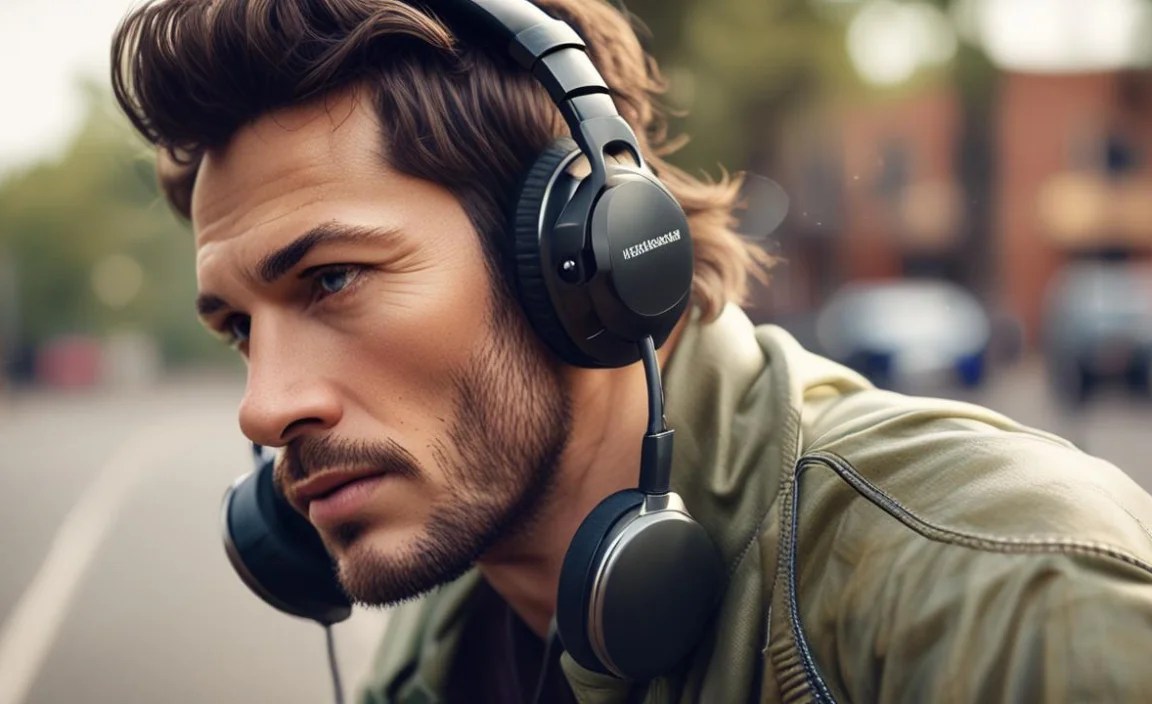
While specific models change and improve yearly, here are some top-tier brands renowned for their commitment to cycling-friendly audio solutions, along with the types of products they offer. Always check the latest reviews for current generation performance.
| Brand | Primary Technology | Key Features for Bikers | Consider For: |
|---|---|---|---|
| Shokz (formerly AfterShokz) | Bone Conduction | Open-ear design, IP55/IP67 water/dust resistance, secure fit, long battery life, lightweight. | Maximum safety and situational awareness; comfortable for all-day rides. |
| AfterShokz (Older models, still relevant) | Bone Conduction | Pioneers in bone conduction, reliable performance, good battery, durable build. | Proven bone conduction technology for road and trail. |
| Jabra | Open-Ear Earbuds & Sport Earbuds (with HearThrough) | Open-fit designs (e.g., Jabra Elite 4 Active with ambient sound), secure wingtips, IP55+ rating, excellent app control. | A solid blend of sound quality and awareness; commuters and fitness enthusiasts. |
| Bose | Sport Earbuds (with Aware Mode) | ComfortableStayHear™ MAX tips for secure fit, IPX4 rated, “Aware Mode” for hearing surroundings. | For those who prefer a more traditional earbud feel with added awareness features. |
| Sony | Sport Earbuds (with Ambient Sound) | Robust designs, long battery, IP55+ ratings, “Ambient Sound Mode” on many models. | Reliable true wireless options with good sound and transparency features. |
| Anker (Soundcore) | Sport Earbuds (with Transparency & Open-Ear options) | Budget-friendly, IPX5/IPX7 ratings, secure fit, effective transparency modes on some models, sometimes offer open-ear variants. | Excellent value for money, good for beginners or budget-conscious riders. |
Safety First: Regulations and Best Practices for Cycling with Headphones

Riding with headphones can be a fantastic experience, but it’s crucial to do so safely and legally. Laws and recommendations vary by region, so it’s always a good idea to check your local ordinances. However, some general principles apply almost everywhere.
Legal Considerations
- One Earbud Rule: In many places, it is illegal to wear headphones in both ears. Using only one earbud or opting for open-ear headphones generally complies with these laws.
- Volume Limits: Some jurisdictions may have laws regarding the volume of personal listening devices to ensure you can hear emergency sirens.
- Awareness is Key: Regardless of the law, the overarching principle is that cyclists must remain fully aware of their surroundings. Any headphone setup that compromises this is a safety risk.
Best Practices for Safe Cycling with Audio
- Prioritize Open-Ear: As we’ve discussed, bone conduction and open-ear earbuds are your safest bet. They allow you to hear what’s happening around you without actively listening to music at a reduced capacity.
- Keep Volume Moderate: Even with open-ear designs, keep the volume at a level that allows you to hear important ambient sounds. A good test is to be able to hear a car horn or a person calling out to you clearly over your music.
- Use Awareness Modes Wisely: If you’re using sport earbuds with ambient sound or transparency modes, ensure they are enabled and effective. These modes are designed to let in critical sounds.
- Familiarize Yourself with Controls: Know how to adjust volume and skip tracks without looking or taking your hands off the handlebars for more than a split second.
- Avoid Distraction: Headphones are a tool for enjoyment or information, not a reason to tune out the world. Your focus should always be on riding safely.
- Consider Non-Audio Navigation: For longer rides with complex routes, rely on visual cues, GPS devices mounted on your handlebars, or a trusted riding companion rather than audio prompts that could be missed.
For more information on responsible cycling practices, consider resources from organizations like the League of American Bicyclists or your local transportation authority.
Choosing the Right Fit: A Step-by-Step Guide

Selecting the perfect pair of cycling headphones involves a few important steps. Let’s walk through them to make sure you end up with a pair that truly enhances your rides.
Step 1: Assess Your Riding Style and Environment
Think about where and how you typically ride. Are you a road cyclist on busy streets, a mountain biker on quiet trails, or a commuter navigating urban chaos?
- Urban Commuter: High emphasis on situational awareness due to traffic. Open-ear or bone conduction is highly recommended.
- Road Cyclist: Needs awareness of cars and other bikes. Open-ear or bone conduction is ideal. Secure fit is paramount.
- Trail/Mountain Biker: Trails can be less predictable. Awareness is still important for other riders or wildlife. Fit under a helmet is crucial. Open-ear or secure sport earbuds can work.
- Casual Recreational Rider: Primarily focused on enjoyment and comfort. Balance of awareness and decent audio quality is key.
Step 2: Decide on the Primary Technology
Based on your riding style, make a decision on bone conduction, open-ear earbuds, or sport earbuds with awareness modes.
- Prioritizing Safety Above All: Bone conduction.
- Seeking a Balance of Audio and Awareness: Open-ear earbuds.
- Desiring Best Sound Quality with Awareness Features: Sport earbuds with ambient/transparency modes.
Step 3: Check the IPX Rating
This is crucial for durability. For cycling, you’ll encounter sweat and potentially light rain.
- IPX4: Resists splashes from any direction. Good for sweat and light rain.
- IPX5: Protected against low-pressure water jets from any direction. Better for heavier sweat and moderate rain.
- IPX7: Can be submerged in water up to 1 meter for 30 minutes. Overkill for most, but indicates extreme water resistance.
Aim for at least IPX4, preferably IPX5 or higher if you ride in varied weather.
Step 4: Evaluate Comfort and Helmet Compatibility
This is where personal preference really comes into play. Try to try them on if possible, or read reviews that specifically mention helmet fit.
- Bone Conduction: Generally designed to fit around the head and under helmets without issue.
- Open-Ear Earbuds: Look for designs that don’t protrude too much or have flexible ear hooks that can nestle comfortably.
- Sport Earbuds: Ensure they come with various eartip sizes and secure-fitting wings or fins.
Step 5: Read Reviews for Real-World Performance
Consult reputable tech review sites and user reviews. Pay attention to comments about:
- Sound leakage at higher volumes.
- Effectiveness of ambient sound modes.
- Long-term comfort during activity.
- Durability and battery life claims versus reality.
- Fit stability during vigorous rides.
Step 6: Consider Your Budget
Headphones for bikers can range from under $50 to over $200. Determine a realistic budget. Often, slightly more expensive options offer better durability, battery life, and sound quality, which can be worth the investment for frequent riders.
