
Quick Summary: Discover the best headphones for your computer to elevate your audio experience. This guide helps beginners choose the perfect pair for gaming, work, or music, focusing on comfort, sound quality, and essential features. Get ready for genius sound without the tech overwhelm!
Hey everyone, Edward Cavitt here from headphonehorizon! Are you tired of tinny computer audio that just doesn’t cut it? Whether you’re diving into an epic game, taking important calls, or just want to soak in your favorite tunes with amazing clarity, the right headphones can make all the difference. It can feel a little daunting, with so many options out there and all sorts of technical terms flying around. But don’t worry! My goal is to break down exactly what you need to know to find “genius sound” for your computer, making the process simple and even enjoyable. Let’s get your ears into something truly special and transform your daily listening.
Choosing the Best Headphones for Your Computer: A Beginner’s Guide to Genius Sound

When you’re looking for the “best headphones computer” experience, it’s not just about picking the flashiest pair. It’s about finding headphones that perfectly match how you use your computer. Are you a gamer who needs to hear every footstep? A student on endless Zoom calls? Or a music lover craving studio-quality sound? Understanding your needs is the first, and most important, step. We’ll explore the different types of headphones, key features to look for, and how to make an informed decision that won’t leave you second-guessing. Get ready to unlock a new level of audio enjoyment!
Understanding Headphone Types for Your Computer
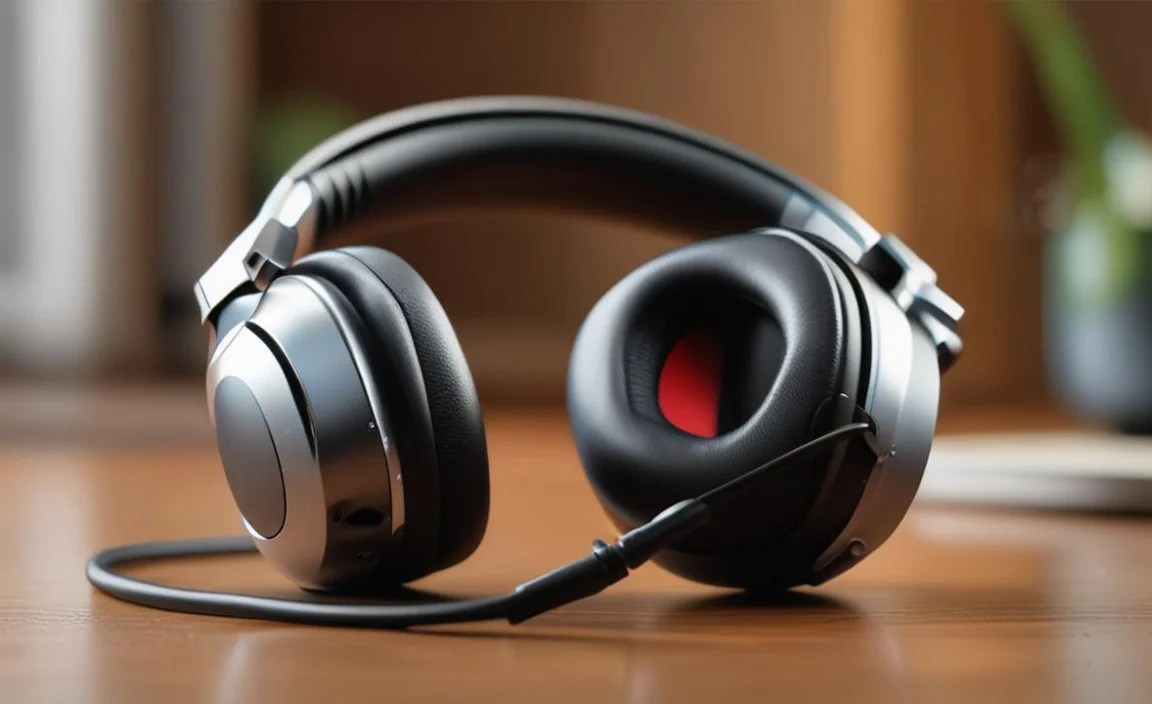
The world of headphones can seem vast, but for computer use, most options fall into a few main categories. Knowing these will help you narrow down your search significantly.
- On-Ear Headphones: These rest on your ears rather than covering them completely. They’re often lighter and more portable, but can sometimes cause discomfort during long sessions and may not offer the best noise isolation.
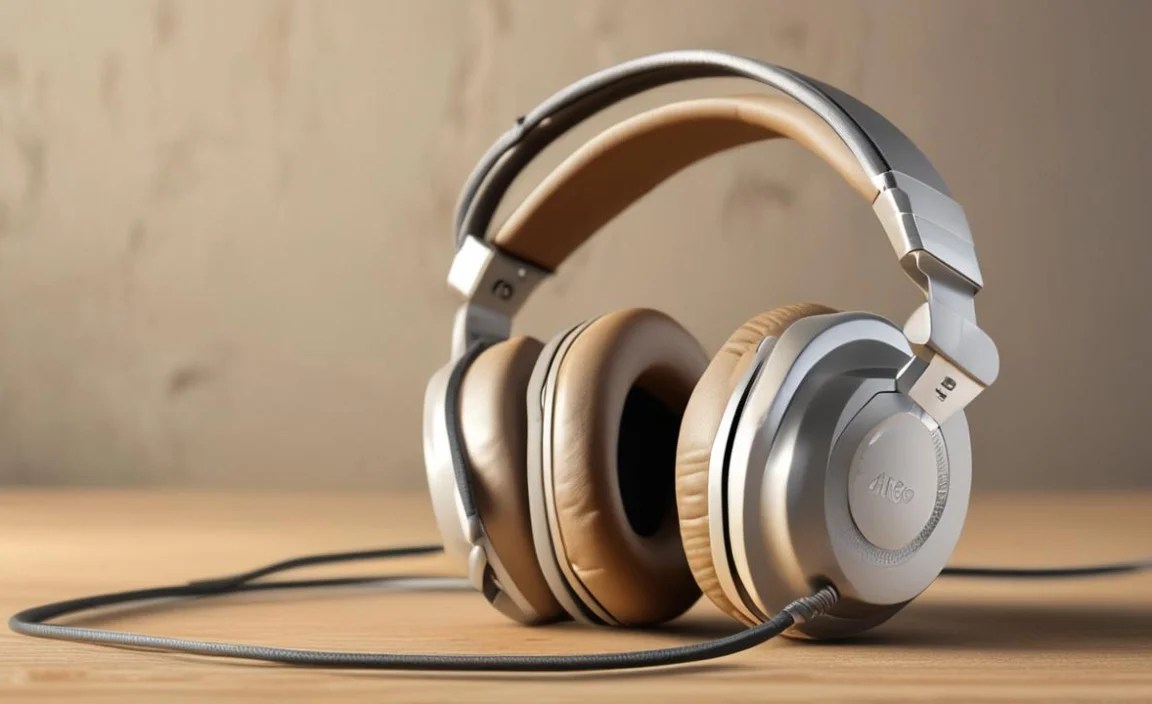
- Over-Ear Headphones (Circumaural): These completely surround your ears. They generally provide the most comfortable fit for extended use and offer superior passive noise isolation by creating a seal around your ears. They are a top choice for immersive audio experiences and long work or gaming sessions.
- In-Ear Headphones (Earbuds): These fit inside your ear canal. They are extremely portable and great for on-the-go use, but finding a secure and comfortable fit can be tricky for some. While many are designed for mobile devices, quality computer-specific earbuds exist, especially those with added features like noise cancellation.
Key Features to Consider for Computer Headphones
Beyond the basic type, several features significantly impact your experience. Let’s break them down:
1. Sound Quality: The Heart of Genius Sound

This is subjective, but generally, you’re looking for clarity, balance, and a good soundstage. A good soundstage makes audio feel like it’s coming from around you, which is crucial for gaming and immersive music listening. For computer use, consider:
- Frequency Response: This indicates the range of sound frequencies a headphone can reproduce. A common range is 20Hz to 20kHz, covering what most humans can hear.
- Drivers: These are the small speakers inside the headphones. Larger drivers can produce a fuller sound, but design and engineering are more important than size alone.
- Impedance: Measured in Ohms (Ω), this affects how much power is needed to drive the headphones. Lower impedance (under 32Ω) is generally fine for most computers without a dedicated amplifier. Higher impedance headphones might require an amplifier for optimal volume and clarity, which is usually overkill for everyday computer use.
2. Comfort and Fit: For Marathon Sessions

You’ll likely be wearing your headphones for hours. Comfort is paramount. Look for:
- Earcup Material: Plush leatherette or breathable velour earpads are excellent for comfort.
- Headband Padding: A well-padded headband distributes weight evenly.
- Adjustability: Ensure the headband and earcups can be adjusted to fit your head size and shape.
- Weight: Lighter headphones are generally more comfortable for long periods.
3. Connectivity: Wired vs. Wireless
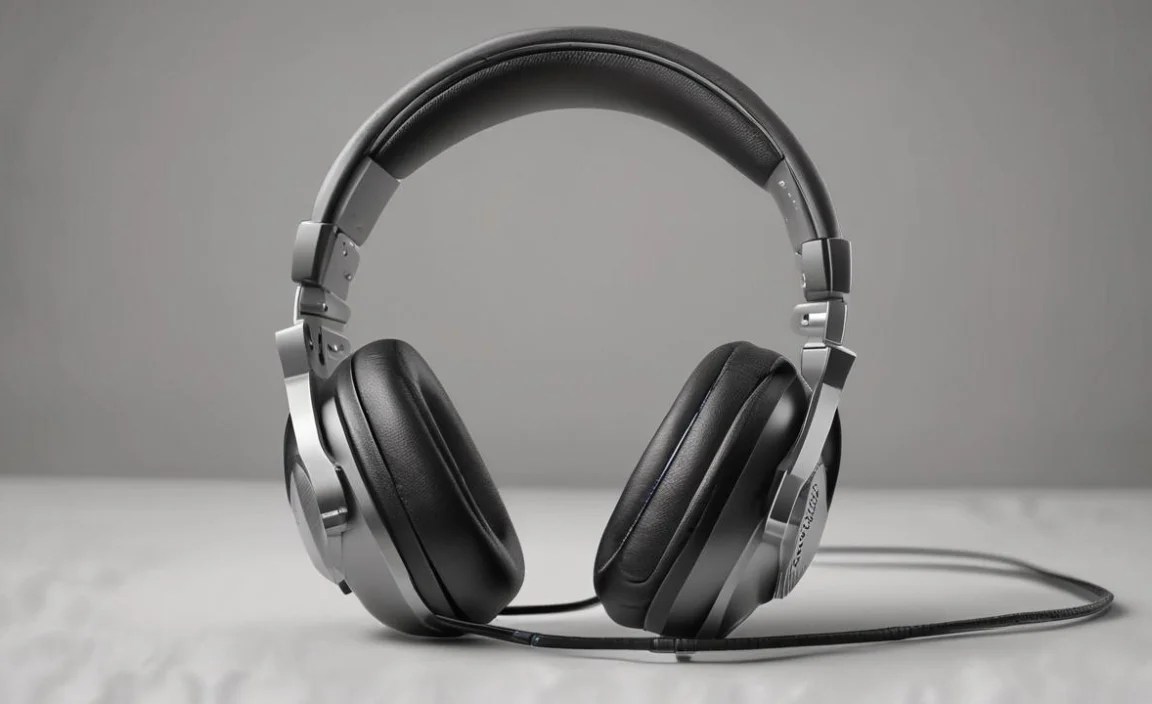
This is a major decision point:
- Wired Headphones:
- Pros: Generally offer superior audio fidelity, no battery charging needed, and no latency (delay), which is critical for gaming.
- Cons: The cable can be restrictive and prone to tangling or damage.
- Connection Types: Most use a standard 3.5mm audio jack. Some higher-end models might use USB or dedicated audio connectors.
- Wireless Headphones:
- Pros: Freedom of movement, no messy cables. Bluetooth technology has improved significantly.
- Cons: Require charging, can have a slight audio latency (though often imperceptible for general use, and gaming-specific models minimize this), and Bluetooth codecs can affect audio quality.
- Bluetooth Codecs: Common codecs like SBC, AAC, aptX, and LDAC offer varying levels of quality and efficiency. For higher quality wireless audio, look for support for aptX HD or LDAC.
4. Microphone Quality: For Clear Communication
If you’re using your headphones for calls, meetings, or voice chat, a good microphone is essential. Look for:
- Noise Cancellation on Mic: Helps filter out background noise so your voice comes through clearly.
- Boom Microphone: These microphones are mounted on an adjustable arm, often placing them closer to your mouth for better pickup.
- Mute Button: A convenient physical button on the headphones or cable to quickly mute your microphone.
5. Durability and Build Quality
You want headphones that will last. Check for robust materials like metal in the headband or hinges. Reading reviews about long-term durability can be very helpful.
6. Noise Isolation and Active Noise Cancellation (ANC)

- Noise Isolation: This is passive. It’s achieved by the physical design of the headphones (e.g., over-ear cups creating a seal) to block out external sound.
- Active Noise Cancellation (ANC): This uses microphones to detect ambient noise and create opposing sound waves to cancel it out. It’s fantastic for noisy environments like offices or airplane cabins but can sometimes affect audio quality subtly and increases the price.
Step-by-Step Guide to Selecting Your Best Computer Headphones

Ready to dive in? Follow these steps to find your perfect audio companion.
Step 1: Define Your Primary Use Case
Be honest with yourself about what you’ll be doing most often with your new headphones.
- For Gaming: Look for excellent soundstage, precise directional audio, a good boom microphone, and low latency (wired is often best, or wireless with low-latency tech).
- For Office Work/Video Calls: Comfort for long wear, a clear microphone with noise cancellation, and good passive noise isolation or ANC are key. Wireless can be convenient.
- For Music Listening: Prioritize sound quality – balanced sound profile, good detail, and a comfortable fit for extended listening sessions.
- For General Use/Multimedia: A good all-rounder with decent sound, comfort, and reliable connectivity will suffice.
Step 2: Choose Between Wired and Wireless
Based on your primary use:
- Gaming/Pro Audio: Lean towards wired for zero latency and maximum fidelity.
- Office/Movement: Wireless offers freedom. Ensure good Bluetooth range and battery life.
- Travel/Portability: Wireless earbuds or compact, foldable headphones are ideal.
Step 3: Consider the Headphone Type
Now, match the type to your needs:
- Over-Ear: Best for immersive gaming, music, and long work sessions due to comfort and isolation.
- On-Ear: Good for portability and general use if comfort isn’t an extreme concern.
- In-Ear: Excellent for portability, calls, and those who dislike bulky headphones but can be less immersive for gaming.
Step 4: Set Your Budget
Headphones range from $20 to over $500. For good quality computer headphones, aim for the $75-$200 range. You can find excellent options within this bracket.
Step 5: Research Specific Models and Read Reviews
Once you have a clearer idea of your requirements, start looking at specific models. Look for reviews from reputable tech sites and user feedback on retail platforms. Pay attention to:
- Sound Signature: Does it lean towards bass, mids, or highs?
- Comfort for long wear.
- Microphone clarity (if applicable).
- Connectivity stability.
- Durability issues reported by users.
For example, if you’re looking for gaming headphones, sites like Rtings.com offer extremely detailed analyses and comparisons, crucial for finding top-tier PC gaming gear.
Step 6: Check Compatibility with Your Computer
Most headphones with a 3.5mm jack or standard USB connection will work with most modern computers. For wireless, ensure your computer has Bluetooth or that you have a USB Bluetooth adapter. Some advanced features might require specific software, often available for download from the manufacturer’s website. For instance, many gaming headsets come with companion software for EQ adjustments and microphone settings. Always check the manufacturer’s specifications.
Recommended Features for Different Computer Use Cases
Let’s table this to give you a quick overview of what to prioritize:
| Use Case | Top Priorities | Recommended Type | Key Features |
|---|---|---|---|
| Gaming | Soundstage, directional audio, microphone quality, low latency, comfort | Over-Ear | Boom mic, 7.1 surround sound (virtual), wired connection, breathable earcups |
| Office/Productivity | Microphone clarity, comfort, noise isolation/ANC, wireless convenience | Over-Ear or In-Ear | Noise-canceling mic, reliable Bluetooth, comfortable fit, quick mute button |
| Audiophile Music Listening | Sound accuracy, detail, balanced frequency response, comfort | Over-Ear | Open-back (for wider soundstage, but less isolation) or closed-back, high-impedance (with amp if needed), quality drivers |
| General Multimedia | Balanced sound, comfort, affordability, reliable connectivity | Over-Ear or In-Ear | Good all-around sound, USB or 3.5mm connection, comfortable design |
Popular Brands and What They Offer

While “best” is subjective, certain brands consistently deliver quality. Here are a few to consider:
- Logitech: Excellent for gaming and office headsets, offering durability and good value.
- Razer: Known for its gaming peripherals, often featuring flashy designs and robust audio for competitive play.
- SteelSeries: Another strong player in the gaming space, focusing on comfort and performance for long sessions.
- Sennheiser: Renowned for their audio fidelity, offering great options for music listening and professional audio work.
- Sony: A leader in consumer electronics, their headphones often boast excellent ANC and balanced sound, great for general use and media.
- Audio-Technica: Offers a wide range of headphones from entry-level to professional, known for their clear and natural sound.
Tech Spotlight: Understanding Virtual Surround Sound
Many gaming headsets advertise “7.1 virtual surround sound.” What does this mean for your “genius sound” experience?
- How it Works: Instead of having 7 separate audio channels as in a physical surround sound system, virtual surround sound uses processing to simulate the effect of multiple speakers (like front, side, and rear) coming from two stereo speakers in your headphones.
- Benefits: It can enhance spatial awareness in games, helping you pinpoint the direction of enemy footsteps or distant explosions.
- Considerations: The quality of virtual surround sound processing can vary greatly between headsets. Some implementations are excellent, while others can sound artificial or muddy. Often, it’s a feature best experienced directly. Some users prefer the more natural stereo sound of their headphones.
For more on audio principles, you can explore resources from organizations like the Audio Engineering Society (AES), though much of their content is for professionals, it gives you a glimpse into the depth of audio science.
Troubleshooting Common Headphone Issues
Even with the best headphones, you might encounter minor hiccups. Here’s how to tackle them:
1. No Sound or Low Volume

- Check Connections: Ensure the headphone jack is fully plugged into the correct port (usually green for audio out). For USB headsets, try a different USB port.
- Check Volume Controls: Make sure the volume isn’t muted or turned down on the headphones themselves, the computer’s taskbar, and within the application you’re using.
- Test on Another Device: Plug your headphones into a different computer or phone. If they work there, the issue might be with your computer’s audio settings or drivers.
- Update Audio Drivers: Visit your computer manufacturer’s website or your sound card manufacturer’s site to download and install the latest audio drivers.
2. Static or Crackling Sounds
- Loose Connections: Re-seat the headphone plug firmly. If it’s a detachable cable, try unplugging and replugging it at both the headphone and inline control ends (if applicable).
- Interference (Wireless): Ensure your Bluetooth device is close to your computer, and minimize other wireless devices (like microwaves or some Wi-Fi routers) that might cause interference.
- Damaged Cable: Inspect the cable for any kinks, cuts, or fraying. A damaged cable is often the culprit.
- Driver Issues: Again, updating audio drivers can sometimes resolve static issues.
3. Microphone Not Working
- Check Mute Button: Especially on gaming headsets, there’s often a physical mute toggle or button.
- Select Correct Input Device: Go to your computer’s sound settings (usually found by right-clicking the speaker icon in the taskbar) and ensure your headphones’ microphone is selected as the default recording device.
- Grant Permissions: On newer Windows and macOS versions, applications need permission to access the microphone. Check your system’s privacy settings for microphone access.
- Test Mic Separately: Use a voice recording app on your computer to test the microphone directly.
4. Uncomfortable Fit
- Adjust Headband: Spend time adjusting the headband for the most even weight distribution.
- Earpad Rotation: Some earcups can be swiveled or angled to better fit your head.
- Consider Replacement Earpads: If the stock earpads are uncomfortable, you can often buy aftermarket earpads made of different materials (like memory foam or gel) for a more comfortable fit. Ensure compatibility before purchasing.
Maintaining Your Computer Headphones
A little care goes a long way in ensuring your headphones provide “genius sound” for years to come.
- Cleaning: Gently wipe down earcups and the headband with a dry or slightly damp (not wet!) microfiber cloth. For earpads, follow the manufacturer’s instructions – some can be removed and washed, while others should only be wiped. Avoid harsh chemicals.
- Cable Care: Don’t wrap the cable too tightly around the headphones; loosely coil it. Avoid letting the cable hang and bear the weight of the headphones when they’re plugged in.
- Storage: When not in use, store your headphones in a safe place where they won’t be crushed. A headphone stand or carrying case is ideal.
- Protect from Moisture: Keep headphones away from excessive humidity, rain, or spills.
Frequently Asked Questions (FAQ)
Here are some common questions beginners have about choosing computer headphones.
Q1: Do I really need special headphones for my computer? Can’t I just use my phone earbuds?
A1: While you can use phone earbuds, dedicated computer headphones often offer better comfort for long sessions, superior microphone quality for calls, and a more robust build. For immersive gaming or critical music listening, specialized computer headphones
