
Quick Summary: Discover the best headphones for construction workers, prioritizing durability, hearing protection, and clear communication. This guide breaks down essential features like noise cancellation, comfort, battery life, and safety ratings to help you choose headphones that keep you safe, connected, and comfortable on the job.
Best Headphones for Construction Workers: Your Essential Guide
Hey there, from headphonehorizon! If you’re a construction worker, your hearing is one of your most valuable tools. The roar of machinery, the clang of metal, and the general din of a job site can take a serious toll. That’s where the right headphones come in – not just for enjoying your favorite tunes or podcasts, but crucially, for protecting your ears and keeping you connected without compromising safety. Finding the “best headphones for construction workers” isn’t just about sound quality; it’s about ruggedness, comfort, and features that enhance your workday. Let’s dive into what makes a pair of headphones truly construction-proof and explore some top picks to keep your ears safe and your workday productive.
Why Construction Workers Need Specialized Headphones
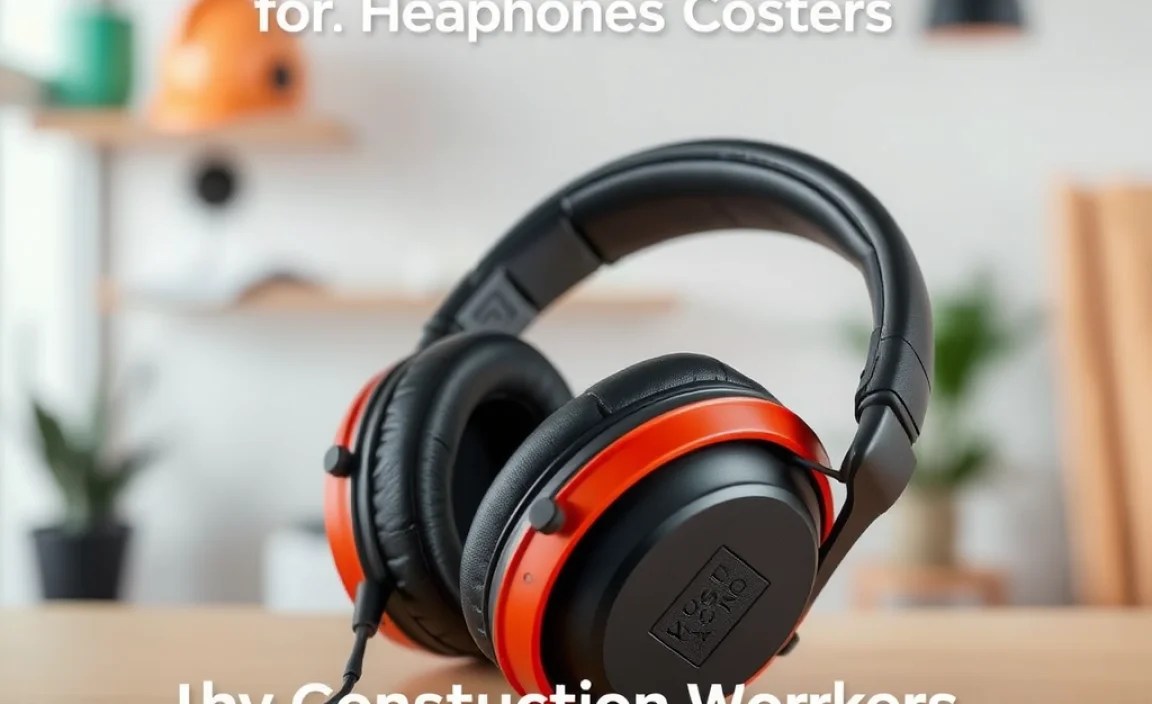
The construction environment is a demanding one, and standard consumer headphones simply won’t cut it. Here’s why specialized headphones are a must:
- Hearing Protection: Prolonged exposure to noise levels above 85 decibels can cause permanent hearing damage. Construction sites often exceed this threshold. Look for headphones with a high Noise Reduction Rating (NRR).
- Durability: Dust, water, sweat, and accidental drops are common on job sites. Construction headphones need robust build quality and often an IP (Ingress Protection) rating to withstand these elements.
- Comfort for Long Hours: You’re likely wearing headphones all day. They need to be lightweight, have comfortable earcups, and a secure fit that doesn’t cause fatigue.
- Communication: Whether it’s taking important calls or communicating with colleagues, clear microphones and good connectivity are essential.
- Situational Awareness: Some headphones offer features that allow you to hear important ambient sounds (like warnings or instructions) while still blocking out harmful noise.
Key Features to Look For in Construction Headphones

When you’re sifting through the options for the “best headphones for construction workers,” keep these critical features in mind:
1. Noise Reduction Rating (NRR) and Hearing Safety
This is paramount. The NRR indicates how much quieter a device will make the environment for the wearer. It’s measured in decibels (dB). The Occupational Safety and Health Administration (OSHA) provides guidelines on workplace noise exposure. According to OSHA, unprotected exposure to sounds at or above 85 dBA (A-weighted decibels) for 8 hours can cause hearing loss.
Headphones designed for construction often have a high NRR, typically ranging from 20 dB to an impressive 30 dB or more. This means they can significantly reduce the intensity of loud noises, protecting your hearing from damage. Always check the NRR of any pair you’re considering. For a deeper understanding of workplace noise, the OSHA Noise and Hearing Conservation page is an excellent resource.
2. Durability and Build Quality
Construction sites are tough on gear. Your headphones need to be too. Look for:
- Robust Materials: Reinforced plastics, sturdy metal headbands, and durable padding are good signs.
- Impact Resistance: Can they survive a few accidental drops?
- Water and Dust Resistance: An IP rating (like IP65 or IP67) indicates how well they’re protected against solids (dust) and liquids (water).
- Sweat Resistance: Essential for long, active workdays.
3. Comfort and Fit
You’ll be wearing these for 8+ hours a day, so comfort is non-negotiable. Consider:
- Over-Ear Design: These generally offer better sound isolation and comfort than on-ear or in-ear models for extended wear.
- Padded Earcups: Soft, breathable, and well-cushioned earcups make a huge difference.
- Adjustable Headband: A secure, adjustable fit prevents slippage and discomfort.
- Weight: Lighter headphones are less likely to cause neck strain or fatigue.
4. Connectivity and Communication Features
Staying connected is crucial for safety and efficiency.
- Bluetooth: For wireless freedom, making calls, or listening to audio. Look for stable, long-range Bluetooth.
- Built-in Microphone: A clear, noise-canceling microphone is essential for taking calls on a noisy site.
- Wired Option: Some models offer both Bluetooth and a 3.5mm jack for wired connectivity as a backup or for devices without Bluetooth.
- Push-to-Talk (PTT): Some advanced models integrate with two-way radios for seamless team communication.
5. Battery Life
A dead battery on site is frustrating and can be a safety concern if you rely on them for communication or warnings. Aim for headphones with:
- Long Playback Time: At least 10-20 hours of continuous use is a good starting point.
- Quick Charging: The ability to get several hours of use from a short charge is incredibly convenient.
- Rechargeable Battery: Most use USB-C, which is standard and easy to find chargers for.
6. Ambient Sound / Situational Awareness Features
While noise isolation is important, you also need to hear critical sounds. Some headphones feature:
- Ambient Sound Mode: This uses external microphones to pick up important environmental sounds like alarms, vehicle backup beepers, or verbal warnings, allowing you to hear them clearly without taking off your headphones.
- Adjustable Levels: The ability to control how much ambient sound you let in is a valuable feature.
Types of Headphones for Construction Workers

Not all headphones are created equal for a construction environment. Here’s a breakdown of the common types:
1. Noise-Canceling Work Safety Headphones
These are often over-ear headphones specifically built for harsh environments. They combine robust noise cancellation technology to reduce general background noise with high levels of passive hearing protection. Many also include Bluetooth connectivity for calls and audio, and some have advanced features like ambient sound modes.
- Pros: Excellent hearing protection, durable, often feature-rich (Bluetooth, PTT), comfortable for long wear.
- Cons: Can be bulkier, might be more expensive.
2. Ear Defenders with Bluetooth/Radio
These are essentially industrial-grade ear defenders (muffs) that have been upgraded with integrated Bluetooth for music and calls, or sometimes direct radio connectivity. They offer very high levels of passive noise reduction, making them ideal for extremely noisy environments.
- Pros: Top-tier hearing protection (high NRR), integrated communication, less likely to be knocked off than some headphone styles.
- Cons: Can feel a bit “industrial,” may lack the audio fidelity of dedicated headphones.
3. Rugged Wireless Earbuds
While less common for heavy-duty hearing protection, some robust wireless earbuds with good passive seal and decent noise isolation can work for lighter-duty construction tasks or for workers who prefer an in-ear form factor. Look for very high IP ratings and secure fit.
- Pros: Compact, lightweight, discreet.
- Cons: Generally offer less hearing protection than over-ear options, can be easier to lose, might not be suitable for extremely loud environments.
Top Picks: Best Headphones for Construction Workers

Based on durability, hearing protection, comfort, and features, here are some highly recommended options:
Disclaimer: Product availability and specific features can change. Always check the latest specifications before purchasing.
1. 3M WorkTunes Connect Wireless Hearing Protector
This is a fan favorite for a reason. 3M is a leader in safety equipment, and these offer a great balance of protection, audio, and communication.
- Key Features: NRR of 25 dB, Bluetooth connectivity with built-in microphone, voice assist, durable design, comfortable earcups, 10-hour battery life.
- Why it’s great for construction: Excellent hearing protection, reliable Bluetooth for calls and music, and the name 3M instills confidence in safety standards.
2. ISOtunes FREE PRO 2.0 Advanced Noise Isolating Earbuds
For those who prefer earbuds, ISOtunes specializes in noise-isolating audio gear for hazardous work environments. The PRO 2.0 offers advanced features for demanding jobs.
- Key Features: NRR of 26 dB, OSHA compliant, Triple-Mode Noise Cancelling (ANC, Passthrough, and full isolation), durable and sweat-resistant (IPX4), secure fit wings, long battery life (7 hours per charge, 21 with case; 25 hours total with PTT). Has a push-to-talk feature.
- Why it’s great for construction: High NRR in an earbud form factor, exceptional durability, advanced noise control, and integrated PTT functionality.
3. Honeywell Howard Leight Impact Sport Electronic Earmuffs
Howard Leight, now part of Honeywell, is synonymous with hearing protection. These electronic earmuffs offer protection plus enhanced situational awareness.
- Key Features: NRR of 22 dB, amplifies low-level sounds while suppressing loud noises (like gunshots, but also relevant for power tools), auto shut-off after 4 hours, slim design, comfortable padded headband. Does not typically include Bluetooth for music but is excellent for safety.
- Why it’s great for construction: Superior sound amplification of important sounds (like voices or beeps) while protecting ears from impacts. Great for communication and safety awareness.
4. Peltor Sport Tactical 500 Electronic Hearing Protector
Part of the 3M family, these offer advanced digital sound processing and robust hearing protection. They are a step up in technology for those who want premium features.
- Key Features: NRR of 26 dB, Clear Voice Technology™ to enhance voice clarity, adaptive digital noise reduction, durable design, comfortable earpads, 15-hour battery life. Offers Bluetooth connectivity.
- Why it’s great for construction: Advanced technology for clearer ambient sounds and conversations, excellent noise reduction, and reliable Bluetooth.
5. Sennheiser BTD 500 Connect (Wired with Wireless Adapter)
While not explicitly marketed for construction, Sennheiser is known for its audio quality. Some workers opt for their durable wired headphones with a separate Bluetooth adapter for added flexibility. However, for ruggedness, the above options are generally superior. If you go this route, prioritize ear defenders with a built-in Bluetooth module.
Let’s compare some of the most popular options head-to-head:
| Model | NRR (dB) | Bluetooth | Mic | Durability | Battery Life (Hours) | Special Features |
|---|---|---|---|---|---|---|
| 3M WorkTunes Connect | 25 | Yes | Yes (Noise-Canceling) | Durable build | 10 | Voice Assist |
| ISOtunes FREE PRO 2.0 | 26 | Yes | Yes (Noise-Canceling) | IPX4, Sweat-resistant | 7 (21 with case) | Triple-Mode Noise Cancelling, PTT |
| Honeywell Impact Sport | 22 | No (typically) | No (typically) | Durable build | ~150 hours (uses AAA batteries) | Sound amplification of ambient sounds |
| Peltor Sport Tactical 500 | 26 | Yes | Yes (Noise-Canceling) | Durable build | 15 | Clear Voice Technology™ |
How to Use Your Construction Headphones Safely and Effectively
Getting the right headphones is only half the battle. Using them properly ensures you get the most benefit:
- Read the Manual: Every pair is slightly different. Get familiar with its specific controls and features.
- Ensure a Proper Seal: For over-ear headphones, make sure the earcups fully surround your ears without gaps. For earbuds, experiment with different ear tip sizes to get a snug fit that creates a good seal. A proper seal is crucial for both passive noise isolation and effective NRR.
- Test the NRR: In a controlled environment, try your headphones. You should notice a significant dampening of ambient noise. If it doesn’t feel right, check the fit or consider if the headphones are appropriate for your noise environment.
- Use Ambient Sound Mode Wisely: If your headphones have this feature, learn how to activate and adjust it. It’s invaluable for hearing announcements or warnings without compromising protection.
- Manage Your Calls: When taking calls, step away from the loudest machinery if possible to ensure clear communication. Use the noise-canceling mic to its full potential.
- Charge Them Regularly: Don’t let a dead battery catch you off guard. Charge them at the end of each workday or during breaks if needed.
- Routine Maintenance: Clean your headphones regularly. Wipe down earcups and the headband with a damp cloth. For earbuds, clean the ear tips and charging contacts. Refer to the manufacturer’s instructions for specific cleaning advice.
Tips for Maximizing Comfort and Longevity
Construction work is tough, and your headphones need to keep up. Here’s how to ensure they are comfortable all day and last a long time:
- Break Them In: New earcups can sometimes feel a bit stiff. Wear them for shorter periods initially and gradually increase the duration.
- Adjust for the Best Fit: Don’t be afraid to adjust the headband and earcup positioning until it feels just right. A good fit distributes pressure evenly.
- Manage Heat: In hot weather, earcups can get warm. Look for materials that are breathable. You can also find replacement earpads made from cooling gel or more breathable fabrics.
- Storage Matters: When not in use, store your headphones in a protective case or a designated spot where they won’t get crushed, stepped on, or exposed to excessive dust and moisture.
- Avoid Extreme Temperatures: Don’t leave your headphones in a hot truck cab or direct sunlight for extended periods, as extreme heat can damage the electronics and materials.
- Clean Regularly: As mentioned, keep them clean. Dirt and sweat can degrade materials over time and affect performance.
Frequently Asked Questions (FAQ)
Q1: What does NRR mean, and why is it important for construction workers?
NRR stands for Noise Reduction Rating. It’s a number, usually in decibels (dB), that indicates how much a hearing protection device is expected to reduce sound exposure. For construction workers, who often work in noisy environments, a high NRR is crucial for preventing permanent hearing damage. OSHA has specific regulations regarding noise exposure and the required level of protection.
Q2: Can I use regular noise-canceling headphones for construction?
Generally, no. Consumer-grade noise-canceling headphones (like those for travel) are designed for comfort and cancelling consistent noise like engine hum. They often lack the robust durability, high NRR, and environmental resistance (dust/waterproofing) required for a construction site. Specialized work-safe headphones are built to withstand harsh conditions and offer certified hearing protection.
Q3: How do I know if my headphones are providing enough protection?
Firstly, check the NRR rating on the headphones or their packaging. For construction sites, aim for a rating of at least 20-25 dB, but higher is often better depending on the noise levels. Secondly, wear them correctly to ensure a good seal. When worn properly, they should significantly reduce the overall loudness of your surroundings. If you can still hear very loud noises clearly, they might not be providing adequate protection for that specific environment.
Q4: What’s the difference between noise-canceling and noise-isolating headphones?
Noise-canceling (Active Noise Cancellation – ANC) headphones use microphones and electronics to generate opposing sound waves that cancel out ambient noise, particularly effective against constant low-frequency sounds. Noise-isolating headphones rely on a physical barrier – a tight seal around your ears or in your ear canal – to block out sound. Many construction headphones use a combination of both passive isolation and sometimes active features to achieve high levels of protection.
