
Quick Summary: Finding the best headphones for cycling means prioritizing safety and situational awareness. Look for open-ear designs or bone conduction models that let you hear your surroundings. Comfort, secure fit, sweat resistance, and decent battery life are also key for an enjoyable and safe ride. This guide helps you choose wisely.
Best Headphones for Cyclists: Essential Gear for a Safer, More Enjoyable Ride
Hey there, fellow riders! Edward Cavitt here from headphonehorizon, ready to talk about a topic that’s crucial for anyone who loves hitting the road or trails on two wheels: finding the perfect headphones for cycling. We all enjoy a good soundtrack or a captivating podcast while we pedal, but when you’re out there, your ears are your first line of defense against traffic, pedestrians, and other potential hazards. So, how do you balance the joy of music with the necessity of staying aware? It’s a common question, and thankfully, the headphone world has some fantastic solutions designed specifically for cyclists. Let’s dive into what makes a pair of headphones “great” for riding and explore some top options that won’t compromise your safety or your audio experience.
Why Headphones for Cycling Require Special Consideration

Riding a bike is fundamentally different from sitting at your desk or walking down the street. Your speed, the environment, and the potential for unexpected events all mean that how you listen to audio needs to be handled with care. Standard noise-canceling headphones, while great for commuting on a train or working in a busy office, can be downright dangerous on a bike. They seal off your ears, tragically blocking out the sounds you need to hear: horns honking, cars approaching from behind, alarms, or even the squeak of your own bike warning of a mechanical issue. The goal isn’t just to hear your music; it’s to hear your surroundings while enjoying your audio.
- Situational Awareness: This is paramount. You need to be able to hear traffic, cyclists, pedestrians, and emergency vehicles.
- Comfort and Fit: Helmets, sweat, and movement can make ill-fitting headphones a misery. They need to stay put without causing discomfort.
- Durability and Weather Resistance: You’ll be in varying conditions, from sunshine to rain, and sweating is a given.
- Audio Quality (with a caveat): While important, audio quality for cycling often takes a backseat to safety features.
Types of Headphones Ideal for Cyclists

When it comes to choosing headphones that are safe and effective for cycling, there are a few standout categories. These designs prioritize letting ambient sound reach your ears while still delivering your audio.
1. Bone Conduction Headphones
These are often hailed as the gold standard for cycling safety. Instead of sending sound waves through your ear canal, bone conduction headphones rest on your cheekbones, right in front of your ears. They transmit sound vibrations through your skull directly to your inner ear. This leaves your ear canals completely open, allowing you to hear everything happening around you.
- How they work: They use tiny transducers to send vibrations through your temporal bones.
- Pros for cyclists: Excellent situational awareness, comfortable for long rides, secure fit (often with a band around the back of the head), waterproof/sweatproof.
- Cons for cyclists: Bass response can be limited compared to traditional headphones, sound leakage at higher volumes, can sometimes feel a bit odd or cause slight tingling.
2. Open-Ear Headphones
Similar to bone conduction in principle, open-ear headphones are designed not to block your ear canal. Many of these are earbuds that sit outside your ear canal opening, or they might have a design that directs sound into your ear without a seal. Some are designed to be worn over-ear but with speaker elements that rest near, but not covering, your ears.
- How they work: They direct sound into your ear canal without creating a seal.
- Pros for cyclists: Good situational awareness, can offer better bass than some bone conduction models, generally comfortable.
- Cons for cyclists: Can be less secure than bone conduction for very active use, some sound leakage might occur, not always as robust against sweat as dedicated bone conduction models.
3. Truly Wireless Earbuds with Transparency Mode
Many modern true wireless earbuds come with a “Transparency Mode” or “Ambient Sound” feature. This uses the microphones on the earbuds to pick up external sounds and play them back to you, mixed with your audio. While this is a step up from completely sealed earbuds, it’s crucial to test how effective this is in real-world cycling conditions.
- How they work: Microphones capture ambient sound, which is then played back through the earbuds.
- Pros for cyclists: Can offer excellent audio quality and features, convenient, some models have excellent fit and sweat resistance.
- Cons for cyclists: Situational awareness is dependent on the quality of the transparency mode and microphone placement, can be less secure in the ear than other options, risk of falling out, can still feel somewhat isolating due to the isolation of earbuds.
For cyclists, the general consensus strongly favors bone conduction or open-ear designs. They provide the best balance of music enjoyment and essential safety.
Key Features to Look For in Cycling Headphones

Now that we know the types, let’s break down the specific features that make some headphones stand out for cyclists. Think of these as your checklist when shopping:
1. Safety and Situational Awareness Features
This is non-negotiable. As discussed, open-ear and bone conduction are the top contenders. Look for products specifically marketed for sports or outdoor activities, as they’ll usually incorporate this thinking. The ability to hear traffic is paramount.
2. Secure and Comfortable Fit
Nothing is more distracting or annoying than headphones that constantly slip or cause pain. For cyclists, this is even more critical. Features to look for include:
- Ergonomic design: How they curve and rest on your head or in your ears.
- Lightweight materials: You don’t want to feel them weighing you down.
- Adjustable bands/straps: For bone conduction models, a firm but flexible neckband is key. For earbuds, different eartip sizes are a must.
- Over-ear hooks or wings: Some earbuds use these to provide extra stability.
3. Sweat and Water Resistance
Cycling means sweat, and sometimes you’ll get caught in the rain. Look for headphones with an IP (Ingress Protection) rating. The second digit in the IP rating refers to water resistance.
- IPX4: Protected against splashes of water from any direction. Good for sweat and light rain.
- IPX5: Protected against low-pressure jets of water. Better for heavier rain.
- IPX7: Can be immersed in water up to 1 meter for 30 minutes. Generally overkill, but indicates robust waterproofing.
For most cyclists, an IPX4 or IPX5 rating is more than sufficient.
4. Battery Life
You don’t want your headphones dying halfway through a long training ride or commute. Check the advertised battery life and consider your typical ride duration. Most good sports headphones offer anywhere from 6 to 10 hours of playback on a single charge, which should cover most needs.
5. Connectivity and Controls
Bluetooth is standard. Ensure the connection is stable, as choppy audio can be a real nuisance. Also, consider how easy it is to control playback, volume, and calls. For cycling, physical buttons that can be felt without looking are often superior to touch controls, which can be accidentally activated by sweat or helmet straps.
6. Durability
These headphones will likely take some knocks. They might get tossed into a gym bag or even dropped. Look for robust construction. Materials like titanium or high-quality plastics are good indicators.
Top Picks: Best Headphones for Cyclists (2024)

Based on safety, comfort, and performance for cycling, here are some of the best types of headphones you can consider. Remember to always check the latest models and reviews, as technology evolves rapidly.
Recommended Categories & Models (Illustrative)
While I can’t recommend specific models that might become outdated, I can point you to the leading brands and types known for excelling in the cycling space.
1. Best All-Around Bone Conduction: Shokz (formerly AfterShokz)
Shokz is a dominant name in bone conduction. Their models like the OpenRun Pro or the OpenRun are consistently praised for their lightweight design, impressive battery life, and excellent sound quality for the technology. They are built for sports, featuring IP55 water resistance and a very secure fit that stays put even during vigorous activity.
2. Best Value Bone Conduction: Anker Soundcore AeroFit Pro
Anker has become a powerhouse in affordable and high-quality audio. Their entry in the open-ear/bone conduction market, like the AeroFit Pro, often offers a compelling blend of features, decent battery life, and good comfort at a more accessible price point. While perhaps not reaching the absolute pinnacle of some premium brands, they represent fantastic value.
3. Best Open-Ear (Non-Bone Conduction) Sport Earbuds: Bose Ultra Open Earbuds
Bose brings its renowned audio expertise to the open-ear category. While not bone conduction, these earbuds are designed to rest outside the ear canal, allowing for ambient sound to be heard. They offer excellent sound quality and a comfortable, secure fit that’s ideal for athletes. Their Aware Mode is very effective at letting in external noise.
4. Best for Integrated Features (with caution): Apple AirPods Pro (with Ambient Sound)
If you’re an iPhone user, AirPods Pro with their Transparency Mode can be a convenient option. They offer seamless integration, good sound, and decent noise cancellation when you need it. However, the secure fit can be an issue for some during intense activity, and the ambient sound feature, while good, might not be as effective as dedicated open-ear designs for fully hearing your surroundings on a bike.
| Headphone Type | Pros for Cyclists | Cons for Cyclists | Best For |
|---|---|---|---|
| Bone Conduction | Excellent situational awareness, secure fit, comfortable, waterproof/sweatproof. | Limited bass, potential for tingling, sound leakage at high volumes. | Safety-focused riders, those who train in varied conditions. |
| Open-Ear (Non-Bone Conduction) | Good situational awareness, potentially better audio fidelity than bone conduction, comfortable. | Fit can be less secure than bone conduction for some, occasional sound leakage. | Riders prioritizing awareness with slightly better audio than bone conduction. |
| True Wireless with Transparency Mode | Convenient, good audio quality, active noise cancellation available for other uses. | Situational awareness relies on tech quality, potential for less secure fit, can feel isolating. | Casual riders who also use earbuds for other activities and want one device. |
Using Headphones Safely While Cycling: Best Practices
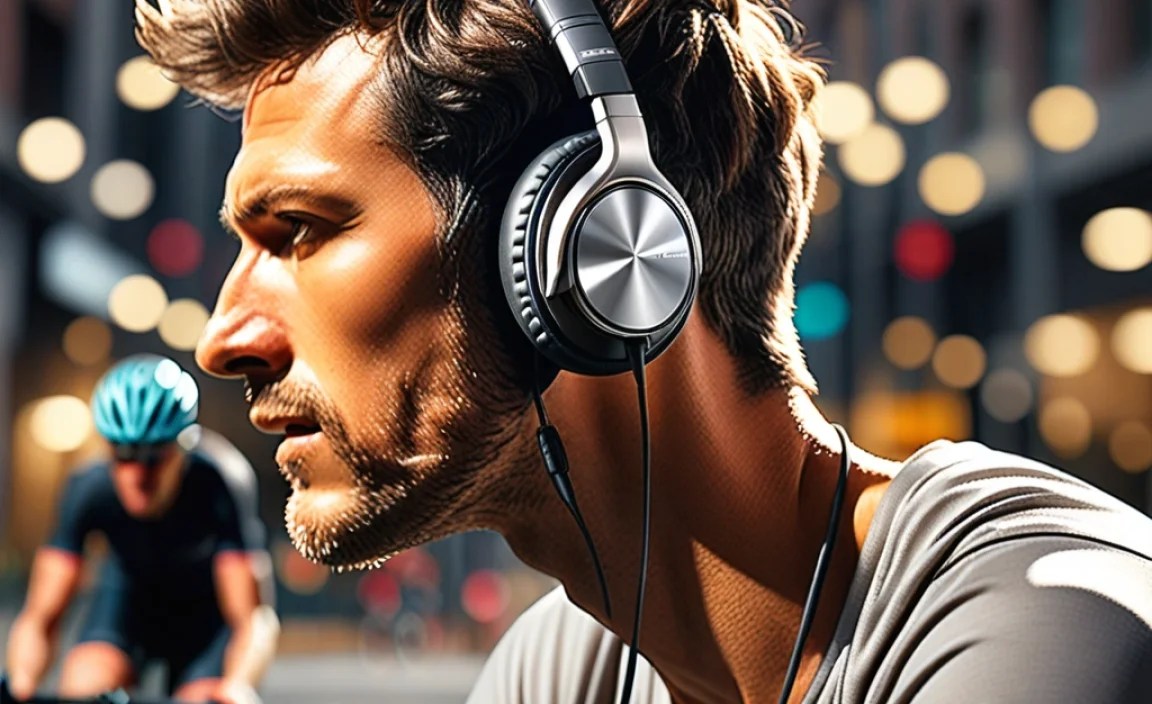
Even with the best gear, safe listening habits are crucial. Here’s how to maximize both your enjoyment and your safety:
1. Volume Control: Your Most Important Setting
This cannot be stressed enough: keep the volume at a level where you can still clearly hear important ambient sounds. A good rule of thumb is to keep it low enough that you can easily distinguish traffic noise from your music. If you can’t hear a approaching car or a siren even when it’s relatively close, your volume is too high.
Organizations like the National Highway Traffic Safety Administration (NHTSA) in the US offer guidance on avoiding distractions while driving and cycling, emphasizing the importance of awareness of your surroundings. While they don’t specifically recommend headphones, their advice on cognitive and visual distractions directly applies.
2. Test in a Safe Environment First
Before you take your new headphones on a busy road, try them out in a park, on a quiet residential street, or even on a stationary trainer. Get a feel for how well you can hear everything around you. Adjust the volume until you feel comfortable and aware.
3. Be Aware of Different Environments
What works in a quiet park might not be sufficient on a busy city street or a highway. You might need to lower your volume even further or even temporarily pause your music in particularly noisy or hazardous situations. Listen to your instincts.
4. Check Local Laws and Regulations
In some places, there may be laws or regulations regarding headphone use while cycling. It’s always a good idea to check your local laws to ensure compliance. For instance, some jurisdictions might ban headphones entirely, while others might permit only one earbud or specific types of audio devices.
5. Prioritize Fit for Stability
If your headphones are constantly readjusting, it’s not just annoying; it’s a distraction. Ensure your chosen pair fits snugly and securely. For bone conduction, a good neckband that stays put is key. For earbuds, utilize the different sized ear tips provided.
6. Consider LED Lights and Reflective Gear
While not directly related to headphones, remember that audio is only one part of cycling safety. Visibility is equally important. Ensure your bike has good lights, and consider wearing reflective clothing, especially if you ride in low-light conditions.
Frequently Asked Questions (FAQ)
Are bone conduction headphones safe for cycling?
Yes, bone conduction headphones are widely considered one of the safest options for cyclists because they leave your ear canals open, allowing you to hear ambient sounds like traffic and other environmental cues. This makes them an excellent choice for maintaining situational awareness.
Can I use regular noise-canceling headphones while cycling?
It is strongly advised against using regular noise-canceling headphones while cycling. They block out external sounds, which can significantly impair your ability to hear approaching vehicles, horns, or other alerts, creating a dangerous situation.
How loud should my headphones be when cycling?
You should always keep your headphone volume at a level that allows you to clearly hear surrounding traffic and environmental sounds. If you can’t distinguish ambient noises from your audio, your volume is too high. A good test is to see if you can still hear what’s happening around you without difficulty.
What is an IP rating, and why is it important for cycling headphones?
An IP rating (Ingress Protection) indicates a device’s resistance to dust and water. For cycling headphones, a good IP rating (e.g., IPX4 or higher) signifies that they can withstand sweat and light to moderate rain, ensuring durability and reliable performance during your rides.
Do open-ear headphones really let you hear everything?
Open-ear headphones are designed to direct sound into your ear without creating a seal, which significantly improves your ability to hear your surroundings compared to traditional earbuds or headphones. While they allow much more ambient sound than sealed designs, your hearing of external noise will still depend on factors like wind, road noise, and the volume of your audio.
How do I ensure my headphones don’t fall out while cycling?
Look for headphones specifically designed for sports. For bone conduction models, a secure, flexible neckband is key. For earbuds, focus on those that come with multiple sizes of ear tips and consider models with ear hooks or wings for added stability. A proper, snug fit is essential for both comfort and retention.
What are the best brands for cycling headphones?
Leading brands known for producing excellent cycling headphones include Shokz (specializing in bone conduction), Bose (for their open-ear sound and Aware Mode), and Anker Soundcore (offering great value in open-ear and sport earbuds). Many other reputable audio brands also offer sport-focused models with similar safety features.
Conclusion
Choosing the best headphones for cycling is a thoughtful process that prioritizes your safety above all else. By opting for open-ear or bone conduction technologies, you ensure that you remain connected to your environment. Combined with a secure fit, sweat resistance, and reliable battery life, you can create a cycling experience that is both safer and more enjoyable. Remember to always exercise caution, manage your volume levels, and be aware of your surroundings. With the right gear and smart habits, you can confidently pedal to your own soundtrack, keeping both your music and your safety experience in harmony. Happy riding!
