
Quick Summary: Choosing the right headphones for drumming is crucial for practice and performance. This guide breaks down essential features for drummers, including isolation, comfort, durability, and sound quality, helping beginners find the perfect fit to protect their hearing and improve their playing.
Best Headphones for Drummers: Your Essential Gear Guide
Hey there, fellow music lovers and aspiring beatmakers! Edward Cavitt here from headphonehorizon, ready to dive into a topic that’s super important for anyone who loves to lay down a groove: the best headphones for drummers. Whether you’re just starting out on your drumming journey or you’ve been hitting the skins for a while, having the right pair of headphones is like having a secret weapon. They’re not just for listening to music; for drummers, they’re essential for practicing without disturbing others, for recording your work, and for protecting your precious hearing from the impact of those drumsticks. Let’s explore what makes a pair of headphones truly “drummer-worthy” and help you find the perfect set that fits your needs and your budget.
Why Drummers Need Specific Headphones

You might be thinking, “Can’t I just use any old headphones?” Great question! While any headphones will play sound, drumming presents a unique set of challenges that require specialized gear. The sheer volume of a drum kit can be overwhelming, and without proper isolation, you might find yourself cranking the volume on your headphones just to hear the metronome or backing track over your own playing. This can lead to hearing damage very quickly. Beyond volume, drummers need headphones that are comfortable for long practice sessions, durable enough to withstand the occasional bump or drop, and offer a clear, accurate sound representation so you can truly hear what you’re doing.
According to the National Institute on Deafness and Other Communication Disorders (NIDCD), exposure to loud noise can cause permanent hearing loss, and this is a significant risk factor for musicians, especially drummers. Therefore, headphones that offer excellent passive isolation are a must. This means they physically block out external noise, allowing you to hear your mix at safe listening levels. It’s all about creating a controlled listening environment, whether you’re in a noisy rehearsal space or your quiet bedroom.
Key Features to Look For in Drummer Headphones

When shopping for headphones specifically for drumming, there are a few core features that will make the biggest difference. Think of these as your drummer’s checklist. Getting these right means happier ears and better drumming!
1. Excellent Isolation (Passive Noise Cancellation)
This is arguably the most critical feature for drummers. Passive isolation refers to how well the headphones physically block out external sounds. Drumming is loud, and you need headphones that can create a seal around your ears to keep the drum kit noise out. This allows you to monitor your metronome, backing tracks, or click track at a safe, comfortable volume without having to compete with the noise around you.
- What to look for: Over-ear designs (circumaural) generally offer better isolation than on-ear (supra-aural) or in-ear models, as they fully cup your ears. Thick, plush earcups made of dense foam or memory foam are key to a good seal.
- Why it matters: Prevent hearing damage by controlling your monitoring volume. Hear your mix clearly without distractions.
2. Comfort for Long Sessions
Many drummers spend hours practicing, rehearsing, or even performing. Headphones that are uncomfortable will become a major distraction, pulling your focus away from your playing. Look for headphones that are lightweight and have soft, breathable earpads. Adjustable headbands are also important to ensure a snug, but not tight, fit.
- Consider:
- Padded headbands
- Soft, breathable earpads (velour or high-quality synthetic leather)
- Adjustable clamping force (some models allow you to adjust this)
- Overall weight of the headphones
- Pro Tip: If possible, try headphones on before buying. If not, read reviews specifically mentioning comfort during extended use.
3. Durability and Build Quality
Drumming can be a physically demanding activity, and your gear needs to keep up. Headphones can get knocked around, cables can get snagged, and earcups can take a hit. You need headphones that are built to last. Look for robust construction, strong hinges, and replaceable parts like ear pads and cables, if possible. Metal components in the headband or yokes often indicate better durability.
- What to inspect:
- Materials used in the construction (plastic vs. metal)
- Reinforced cable connections
- Sturdy headband adjustment
- Overall feel of the build – do they feel flimsy?
4. Sound Quality and Frequency Response
While isolation is key, you still need to hear your music clearly! For drumming, a balanced sound profile is important. You want to hear the nuances of your backing tracks or click without certain frequencies being overly exaggerated. Many studio monitor headphones offer a flat or neutral frequency response, which is ideal for monitoring as it provides an honest representation of the sound.
- Flat Frequency Response: This means the headphones reproduce all frequencies (bass, mids, treble) at a similar volume, so you get an accurate picture of the mix. This is crucial for hearing subtle details in your music.
- Avoid overly bass-heavy headphones: While fun for casual listening, booming bass can mask other important frequencies and make it harder to mix accurately.
5. Cable Type and Length
Drummers move! A long, flexible cable is essential to prevent it from getting tangled or pulled. Detachable cables are a big plus, as they can be easily replaced if damaged or upgraded. Some headphones offer coiled cables, which can be great for keeping excess cable length out of the way.
- Straight vs. Coiled:
- Straight: Simple, common. Can get in the way if too long.
- Coiled: Excellent for stage and studio use, keeps excess cable management tidy.
- Length: Aim for at least 10 feet (3 meters) for comfortable movement.
Types of Headphones for Drummers

Let’s break down the main categories of headphones that drummers typically choose from, considering their pros and cons.
Over-Ear Headphones (Circumaural)
These are the most common type of headphones recommended for drummers. They completely enclose your ears, providing the best passive isolation and generally the most comfortable fit for long sessions.
| Pros | Cons |
|---|---|
| Excellent passive isolation | Can be bulky and less portable |
| Comfortable for long wear | Can get warm around the ears over time |
| Great soundstage for immersive listening | Often more expensive than on-ear models |
| Good durability in well-built models |
On-Ear Headphones (Supra-aural)
These headphones rest on your ears rather than around them. While some drummers might use them, they generally offer less isolation than over-ear models, which can be a significant drawback.
| Pros | Cons |
|---|---|
| More compact and portable | Significantly less passive isolation |
| Can be less expensive | Can be less comfortable for long sessions, potentially causing ear fatigue |
| Less heat buildup than over-ear | Sound quality can be more compromised |
| May not offer enough protection from drum volume |
In-Ear Monitors (IEMs)
These fit directly into your ear canal, much like high-quality earplugs. They can offer phenomenal isolation when fitted properly and are a favorite choice for many professional drummers, especially for live performance.
| Pros | Cons |
|---|---|
| Exceptional passive isolation (if proper fit) | Can be a significant investment, especially custom-molded ones |
| Very discreet and portable | Requires a good seal and proper insertion for best isolation and sound |
| High level of detail in sound reproduction | Can be uncomfortable for some people during long wear |
| Excellent for monitoring and protection | Cable management is still important, and they can be easily lost |
Top Picks for Drummer Headphones (Beginner-Friendly Recommendations)
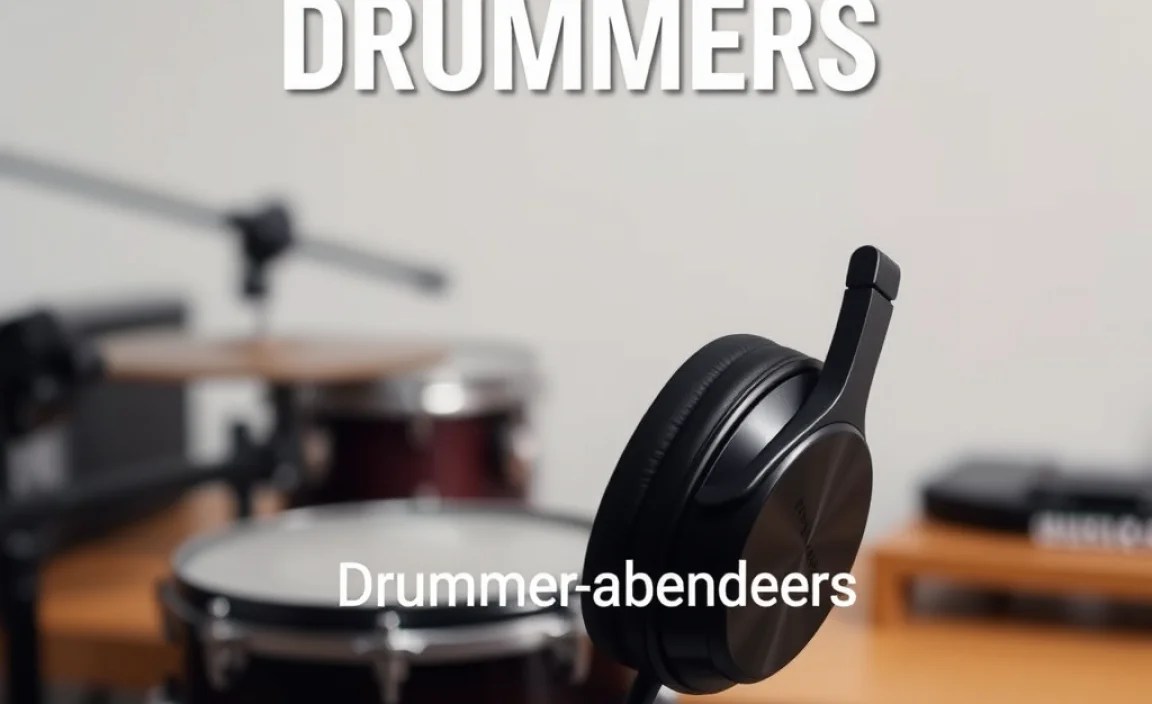
Finding the “best” is subjective and depends on your budget and specific needs. However, some models consistently receive high marks from drummers for their balance of isolation, sound, comfort, and durability. Here are a few categories and popular choices:
Budget-Friendly Champions (Under $100)
Sometimes you need solid performance without breaking the bank. These options offer great value.
- Samson SR850: These semi-open back studio headphones have become a cult favorite among drummers for their surprisingly good isolation for a semi-open design, comfortable fit, and clear, detailed sound at an incredible price. They offer a wide soundstage which is great for immersive practice.
- Audio-Technica ATH-M20x: Part of Audio-Technica’s M-series, these are a fantastic entry-level option. They offer good isolation, a comfortable build, and a balanced sound, making them versatile for practice and general listening.
Mid-Range Powerhouses ($100 – $250)
Stepping up in price often means stepping up in build quality, comfort, and overall sound fidelity. This is often the sweet spot for serious beginners and intermediate players.
- Sony MDR-7506: These are an industry standard for a reason. They offer excellent isolation, a robust build, and a legendary sound signature that’s clear and detailed. You’ll see these in studios everywhere, and they hold up to the demands of drumming. The foldable design is great for transport.
- Shure SRH440/SRH840: Shure makes fantastic audio gear, and their SRH line delivers. The SRH440 offers great isolation and a detailed sound for its price. The SRH840 steps it up with even better comfort, a wider frequency response, and a more refined sound, making it excellent for critical listening and practice.
- Beyerdynamic DT 770 PRO (80 Ohm): A staple in professional audio for decades. These closed-back studio headphones offer phenomenal isolation, incredible comfort with their velour earpads, and a rich, detailed sound. The 80-ohm version is generally recommended for most drummers wanting a good balance of volume and impedance.
Pro-Level Performance (Over $250)
If your budget allows, or you’re looking for top-tier options for the long haul, these headphones offer exceptional performance all around.
- Sennheiser HD 280 PRO: Known for their sturdy construction and impressive passive noise attenuation, the HD 280 PRO is a workhorse. They deliver a clear, accurate sound profile that’s ideal for monitoring your playing. They also have a unique modular design with replaceable parts for longevity.
- Direct-to-Ear (DTE) or Custom IEMs: For the ultimate in isolation and sound, custom in-ear monitors are the pinnacle. Companies like Ultimate Ears Pro or Jerry Harvey Audio create molds of your ear canals for a perfect, secure fit. This offers superior protection and sound isolation, but comes at a premium price and requires a professional impression.
Tips for Using Your Drummer Headphones
Once you’ve got your headphones, there are a few best practices to ensure you get the most out of them and protect your hearing.
- Start Low and Go Slow: Always begin with the volume at its lowest setting and gradually increase it until you can comfortably hear your metronome or backing track over your drumming. Never crank the volume to compensate for loud practice.
- Monitor Your Hearing: If your ears feel tired or you experience ringing after a practice session, your volume was likely too high. Take breaks and reduce your listening levels.
- Check the Seal: Ensure the earpads are creating a good seal around your ears for maximum isolation. Adjust the headband and headphone position if needed.
- Cable Management is Key: Be mindful of your cable. Route it so it won’t get caught on drumsticks, stands, or your body. A coiled cable or a cable clip can be very helpful.
- Keep Them Clean: Regularly clean the earpads and the exterior of your headphones with a slightly damp cloth. This prevents dirt buildup and keeps them hygienic, especially if you sweat during practice.
- Store Them Properly: When not in use, store your headphones in a safe place, like a dedicated headphone stand or a protective case, to prevent damage.
Understanding Decibels and Hearing Protection
It’s crucial to understand just how loud drumming can be and how your headphones help protect your hearing. A typical drumset can easily produce sound levels well over 100 decibels (dB) during playing. For context, sustained exposure to sounds above 85 dB can cause hearing damage. The Occupational Safety and Health Administration (OSHA) recommends specific exposure limits based on decibel levels.
For example, at 85 dB, safe exposure is continuous. However, at 95 dB, the safe exposure time drops to about two hours. At 105 dB, it’s only about five minutes before damage can occur. Your headphones, by providing significant passive isolation, essentially lower the decibel level reaching your eardrums. If your headphones block out 20 dB of ambient noise, and you’re playing at 100 dB, the effective volume reaching your ears is reduced, allowing you to monitor at a much safer level. This is why isolation is non-negotiable for drummers.
Frequently Asked Questions (FAQ)
Q1: Are open-back headphones bad for drummers?
Generally, yes. Open-back headphones are designed to leak sound both in and out. This means drum noise will get into your headphones, and your click track or music will leak out, potentially disturbing others. They offer very little isolation, which is the most important feature for drummers. Closed-back or semi-closed-back designs are highly recommended instead.
Q2: Should I worry about the impedance (Ohms) of headphones?
Impedance, measured in Ohms, relates to how much power headphones need to produce a loud enough volume. For drummers practicing at home or in a studio with a standard headphone output from an interface or computer, headphones with lower impedance (typically under 100 Ohms, like 32 Ohms or 80 Ohms) are usually a good choice. They will get plenty loud without needing a dedicated headphone amplifier. Higher impedance headphones (like 250 Ohms or more) generally require an amp to reach their full potential, which adds complexity and cost.
Q3: Can I use noise-canceling (active noise cancellation) headphones for drumming?
While active noise-canceling (ANC) headphones can reduce consistent background noise like airplane hum, they are generally not ideal for drummers. ANC works best on low-frequency, constant sounds. Drumming is loud, percussive, and covers a broad frequency range. High-quality passive isolation offered by closed-back headphones is far more effective and reliable for blocking out drum sounds. Also, the sound processing in ANC headphones can sometimes introduce latency (a slight delay) which is disastrous for timing.
Q4: How much should I expect to spend on good drummer headphones?
You can find decent, functional headphones for drummers in the $50-$100 range that will offer adequate isolation and sound for casual practice. For better comfort, build quality, and sound fidelity, expect to spend between $100 and $250. Professional-grade options or custom IEMs can range from $300 to well over $1,000.
Q5: How important are replaceable earpads and cables?
Very important for longevity and hygiene! Earpads are a wear-and-tear item, and having the option to replace them keeps your headphones comfortable and hygienic. Detachable cables are a lifesaver if a cable gets damaged – you just uns
