
Searching for the best headphones for audiophiles can be an overwhelming task due to the plethora of options available. An audiophile’s quest is to find headphones that deliver impeccable sound quality and an immersive listening experience. This article delves into every aspect an audiophile should consider when choosing the best headphones, providing a comprehensive guide to make an informed decision.
In the realm of audio equipment, audiophiles hold a unique passion for sound fidelity and quality. Their pursuit of the perfect sound involves meticulous attention to detail and a deep understanding of audio nuances. Choosing the best headphones for an audiophile is not merely about brand or aesthetics; it’s about achieving a sublime auditory experience that is as close to the original sound as possible. This article explores what makes headphones suitable for audiophiles and why it’s crucial to make a wise selection.
Key Takeaways
- Sound Quality: Paramount for audiophiles, defined by clarity, balance, and detail.
- Comfort: Essential for prolonged listening sessions.
- Build Quality: High-quality materials enhance durability and sound isolation.
- Price: Investment in high-end headphones can vary significantly.
- Technology: Features like Hi-Res Audio, noise-cancellation, and open-back design are crucial.
- Personal Preference: Choosing headphones is subjective and varies per individual.
What are the Best Headphones for Audiophiles?

Audiophile headphones are designed to provide a high-fidelity audio experience, capturing details that regular headphones might miss. They cater to those who prioritize sound accuracy and quality over other features. These headphones often come with advanced technology and are crafted from superior materials. The choice of the best headphones for audiophiles hinges on various factors, including sound signature, comfort, and the technologies utilized.
Key Features of Audiophile Headphones
- Sound Signature: Each pair of headphones may offer a unique balance of bass, mids, and trebles.
- Driver Type: Planar magnetic, dynamic, and electrostatic drivers each offer distinct sound characteristics.
- Open-back vs. Closed-back: Open-back provides a more natural soundstage, while closed-back offers better sound isolation.
- Impedance Levels: Higher impedance can result in better sound quality but requires a powerful source.
- Frequency Response: A higher frequency range can capture more sound details.
Audiophile headphones are crafted to reproduce sound with exceptional precision, allowing listeners to enjoy every nuance of a musical piece as if they were present in a live performance.
Why Best Headphones for Audiophiles are Important?
For an audiophile, having the right headphones is not just a preference but a necessity. The pursuit of perfect sound is an integral part of their lifestyle, enhancing the appreciation of music, films, and even everyday listening. The importance of selecting the best headphones lies in their ability to deliver an unparalleled auditory experience, whether at home, in a studio, or on the go.
Benefits of Audiophile Headphones
- Enhanced Listening Experience: Maximizes sound quality, enhancing audio clarity and detail.
- Long-term Comfort: Designed for extended use without discomfort.
- High Durability: Made from quality materials that withstand regular use.
- Advanced Technology: Incorporates features like noise-cancellation and Hi-Res Audio.
- Versatility: Suitable for a wide range of audio applications, from casual listening to professional use.
The best headphones for audiophiles allow individuals to experience music and audio content in its purest form, providing both pleasure and a deeper understanding of sound artistry.
Step-by-Step Guide to Choosing the Best Headphones for Audiophiles

Step 1: Determine Your Budget
- Research the market: Identify a price range suitable for audiophile-grade headphones.
- Balance cost and quality: Consider the features that matter most to you.
- Plan for future investments: Decide if you’re willing to upgrade components over time.
Establishing a budget is the first crucial step in narrowing down the options. High-quality audiophile headphones can range from hundreds to thousands of dollars.
Step 2: Evaluate the Sound Signature
- Listen to different types: Test headphones to understand varying sound signatures.
- Consider your preferences: Choose between balanced, bass-heavy, or treble-focused options.
- Think about genres: Some headphones are better suited for specific music genres.
Sound signature is subjective and depends on personal preference. It is important to choose a sound profile that aligns with your listening preferences.
Step 3: Assess Build and Comfort
- Material quality: Look for premium materials like leather and memory foam.
- Headband and ear cup design: Ensure adjustability for comfort.
- Weight considerations: Lighter headphones can enhance comfort during long sessions.
Comfort is essential for prolonged listening sessions. High-quality materials not only improve comfort but also the longevity of the headphones.
Step 4: Consider Technology and Features
- Noise cancellation: Decide if you require active noise-cancelling capabilities.
- Connectivity options: Consider wired versus wireless, or a combination of both.
- Hi-Res Audio certification: Ensure compatibility with high-resolution audio formats.
Advanced technologies can significantly enhance the listening experience. Features like noise cancellation and wireless connectivity add versatility.
Step 5: Read Reviews and Test
- Consult expert reviews: Seek opinions from audio professionals and enthusiasts.
- User feedback: Understand real-world performance through user reviews.
- Test before purchase: Whenever possible, listen before buying.
Reviews offer valuable insights into performance and reliability, helping you make an informed choice. Testing headphones firsthand provides a personal assessment.
Alternative Methods / Tools
Streaming Services with High-Quality Audio
- Tidal: Provides Master Quality Authenticated (MQA) tracks.
- Amazon Music HD: Offers Ultra HD streaming quality.
- Qobuz: Known for high-resolution music files.
While high-end headphones are crucial, pairing them with a high-quality streaming service can enhance your listening experience by offering superior audio tracks.
Troubleshooting Common Issues
Issue: Distorted Sound
- Check connections: Ensure all cables are securely plugged in.
- Test with different devices: Determine if the issue is device-specific.
- Inspect for damage: Look for physical damage to the headphones or cables.
If you experience distorted sound, verifying connections and testing with multiple devices can help determine if the issue is with the headphones or the source device.
Issue: Uncomfortable Fit
- Adjust headband: Customize the fit for your head size.
- Replace ear pads: Consider aftermarket pads for enhanced comfort.
- Review design: Evaluate if the headphone design suits your preferences.
Uncomfortable headphones can detract from the listening experience. Adjusting the fit or changing the ear pads can often resolve comfort issues.
Advanced Techniques
For audiophiles seeking to optimize their headphone setup, advanced techniques can enhance the overall experience. Consider investing in a headphone amplifier to improve sound quality, particularly for high-impedance models. Additionally, using a digital-to-analog converter (DAC) can bridge the gap between digital devices and high-fidelity sound. For those looking to further personalize their audio experience, custom equalizer settings can be adjusted to suit specific sound preferences, ensuring every note is heard just as the artist intended.
Prevention & Maintenance Tips
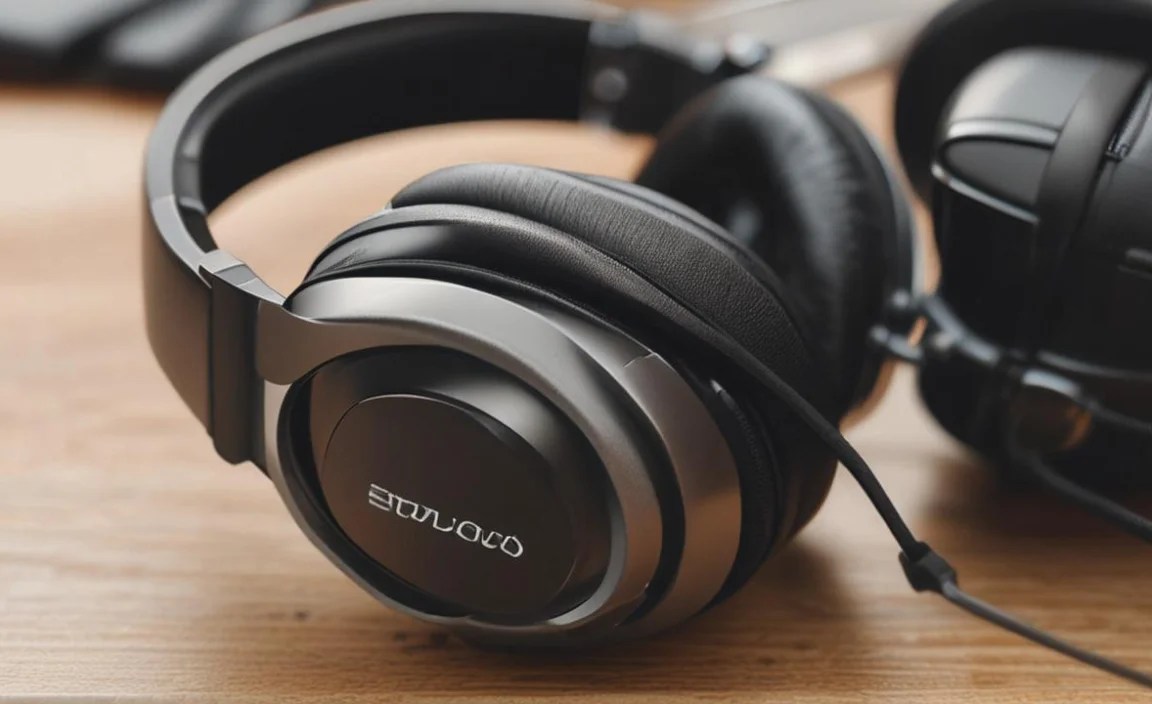
- Regular Cleaning: Wipe down headphones and cables to prevent build-up.
- Proper Storage: Use a dedicated case to protect from dust and physical damage.
- Avoid Extreme Temperatures: Keep headphones away from excessive heat or cold.
- Inspect Regularly: Check for wear and tear to replace components as needed.
Proper care and maintenance ensure the longevity of your audiophile headphones. Regular cleaning, appropriate storage, and routine inspections can preserve sound quality and physical integrity over time.
Real-Life Examples
John, a music producer, swears by his planar magnetic headphones for their unparalleled sound reproduction, which aids him during mixing sessions. Lisa, an avid classical music enthusiast, opted for open-back headphones, allowing her to experience the expansive soundstage of live performances from the comfort of her home. Meanwhile, Michael, a frequent traveler, chose noise-cancelling headphones to enjoy high-fidelity sound while on the move, cutting out ambient noise efficiently.
Stats & Data Section
According to the International Data Corporation 2025, the demand for high-quality audio equipment has grown by 15% annually, reflecting an increased consumer interest in premium sonic experiences.
As per Future Market Insights 2024, the global audiophile headphone market is expected to reach USD 15 billion by 2025, indicating a robust growth trajectory driven by technological advancements.
Research by Grand View Research 2025 suggests that over 65% of audiophiles value sound quality over brand recognition when selecting headphones.
Audio Equipment Comparison: Headphones vs. Earbuds
| Feature | Headphones | Earbuds |
|---|---|---|
| Sound Quality | High | Moderate |
| Comfort | Better for long use | Varies greatly |
| Portability | Less portable | Highly portable |
| Noise Isolation | Superior | Depends on design |
| Price Range | Wide range, often higher | Wide range, often lower |
Conclusion
Investing in the best headphones for audiophiles can transform the way you experience music, movies, and more. By considering factors like sound quality, comfort, and technology, you can select the perfect pair to elevate your listening experience. Remember, the right choice is personal and should align with your auditory preferences and lifestyle. Explore different models, trust expert reviews, and embark on a journey to enjoy audio content in its purest form.
Frequently Asked Questions
Question 1: What Defines an Audiophile Headphone?
Answer: Audiophile headphones are characterized by their ability to accurately reproduce sound with exceptional clarity and detail, often using high-quality materials and advanced audio technologies.
Question 2: Are Expensive Headphones Worth the Investment for Audiophiles?
Answer: Yes, for audiophiles, higher-priced headphones typically offer superior sound quality, build materials, and advanced features that justify the investment.
Question 3: What’s the Difference Between Open-Back and Closed-Back Headphones?
Answer: Open-back headphones offer a natural soundstage and less isolation, while closed-back headphones provide better sound isolation and are often more suitable for noisy environments.
Question 4: How Important is Impedance in Audiophile Headphones?
Answer: Impedance affects how much power headphones require. High-impedance headphones often deliver better sound quality but may need a headphone amplifier.
Question 5: Can Wireless Headphones Offer Audiophile-Quality Sound?
Answer: Recent advancements in Bluetooth technology and codecs have made it possible for wireless headphones to offer near-audiophile sound quality, albeit with some limitations.
Question 6: How Do I Maintain My Audiophile Headphones?
Answer: Regular cleaning, proper storage, and avoiding extreme temperatures can prolong the lifespan of your headphones and maintain sound quality.
Question 7: What is Hi-Res Audio, and Do I Need It?
Answer: Hi-Res Audio refers to audio files with higher sampling rates and bit depth. If you prioritize the best sound reproduction, Hi-Res Audio is beneficial.
Question 8: Should I Use a Headphone Amplifier?
Answer: If your headphones have high impedance, a headphone amplifier can enhance audio quality by providing the necessary power for optimal performance.
Question 9: Are Studio Headphones Suitable for Audiophile Use?
Answer: Yes, studio headphones often provide accurate sound reproduction, making them suitable for audiophiles seeking detailed audio experiences.
