
Finding the best headphones for your digital piano can elevate your practice and performance experience significantly. With the right pair, you can enjoy enhanced sound clarity, noise isolation, and comfort during long sessions.
Digital pianos are a popular choice for musicians due to their versatility and compact design. However, to fully appreciate the sound quality of a digital piano, selecting the right headphones is crucial. Good headphones ensure an immersive experience, allowing musicians to focus on their performance without external distractions. This article delves into the various aspects of choosing the best headphones for digital pianos, highlighting essential features and providing a detailed guide to assist you in making an informed decision.
Key Takeaways
– **Sound Quality** is crucial for an immersive experience.
– **Comfortable Fit** ensures longer play sessions without fatigue.
– **Noise Isolation** helps in focusing solely on the music.
– **Durability** is important for long-term use.
– **Open-back vs. Closed-back** designs cater to different needs.
– **Wired vs. Wireless** affects flexibility and convenience.
– **Price vs. Performance** balance is essential for value.
What is Best Headphones for Digital Piano?

Choosing the best headphones for a digital piano involves considering various factors that cater to sound quality, comfort, and practicality. With countless options available, understanding what makes specific headphones ideal for digital piano use can guide you toward making the right choice.
Definition: What Makes Headphones Ideal for Digital Piano?
– **Sound Reproduction**: High fidelity audio that captures the full range of the piano.
– **Comfort and Design**: Ergonomic designs that prevent discomfort during extended use.
– **Noise Isolation**: Effective soundproofing to block out external noise for uninterrupted play.
– **Connectivity**: Compatibility with digital pianos, typically requiring a ¼ inch or 3.5mm jack.
– **Durability**: High-quality materials that withstand regular use.
Understanding these key features helps identify headphones that will enhance the digital piano experience. A good pair of headphones provides clear sound, comfort, and durability, essential for both practice and performance.
Why Best Headphones for Digital Piano is Important?
Investing in the best headphones for your digital piano is essential for maximizing the instrument’s capabilities. These headphones allow you to enjoy the intricate sounds of digital pianos without disturbing others, making them ideal for private practice sessions.
Benefits of Using High-Quality Headphones
– **Enhanced Sound Clarity**: Experience the piano’s full tone range, from deep bass to crisp treble.
– **Focused Practice Sessions**: Minimize distractions and concentrate solely on music.
– **Improved Performance**: Develop a better ear for music with accurate sound reproduction.
– **Privacy**: Play anytime without disturbing others, ideal for late-night practice.
– **Portability**: Easily transportable for practice on the go.
The benefits of high-quality headphones extend beyond sound quality, impacting practice effectiveness, performance, and enjoyment. These advantages make them a worthwhile investment for any digital piano user.
Step-by-Step Guide to Best Headphones for Digital Piano

When selecting headphones for your digital piano, follow these crucial steps to ensure you choose the best option for your needs.
Step 1: Determine Your Budget
– **Research Average Prices**: Look into the price range for quality headphones.
– **Set a Maximum Limit**: Decide how much you are willing to spend.
– **Balance Cost and Quality**: Evaluate features versus price for the best value.
Understanding your budget helps narrow down options and ensures you make a cost-effective purchase without compromising quality.
Step 2: Identify Preferred Features
– **Sound Quality**: Look for headphones with a wide frequency response range.
– **Comfort**: Choose models with adjustable headbands and cushioned ear pads.
– **Noise Cancellation**: Decide if active noise cancellation is necessary.
– **Design Type**: Choose between open-back and closed-back based on isolation needs.
Identifying essential features allows you to focus on headphones that meet your specific requirements, enhancing your playing experience.
Step 3: Test for Compatibility
– **Connection Type**: Ensure the headphones are compatible with your digital piano’s output.
– **Adapter Needs**: Determine if an adapter is required for connection.
– **Wireless Considerations**: If choosing wireless, check for Bluetooth compatibility.
Testing for compatibility ensures seamless integration with your digital piano, preventing connectivity issues during practice.
Step 4: Read Reviews and Ratings
– **Customer Feedback**: Look for reviews on sound quality, comfort, and durability.
– **Expert Opinions**: Consider professional reviews for detailed insights.
– **Compare Ratings**: Use ratings to compare different models objectively.
Reading reviews and ratings provides valuable insights from other users and experts, aiding in making an informed decision.
Step 5: Try Before Buying
– **In-Store Testing**: Visit a store to test sound quality and fit.
– **Online Trials**: Check for online retailers offering trial periods.
– **Return Policy**: Ensure there’s a flexible return policy if the headphones don’t meet expectations.
Testing headphones before purchasing ensures they meet your expectations in terms of comfort and sound quality, reducing the risk of dissatisfaction.
Alternative Methods / Tools
Sometimes traditional headphones may not meet all requirements. Exploring alternative options can lead to a better fit for your needs.
In-Ear Monitors
– **Compact Design**: Portable and convenient for travel.
– **Noise Isolation**: Offers excellent sound isolation.
– **Custom Fit**: Available in custom-molded options for better comfort.
In-ear monitors are a great alternative for those seeking portability and excellent sound isolation without the bulk of traditional headphones.
Headphone Amplifiers
– **Enhanced Sound**: Improve sound output and quality.
– **Variety**: Available in portable and stationary options.
– **Compatibility**: Check compatibility with your digital piano and headphones.
Headphone amplifiers can elevate the audio experience, providing a richer and more detailed sound, particularly beneficial for high-impedance headphones.
Troubleshooting Common Issues
While using headphones with a digital piano, you may encounter several issues. Understanding how to troubleshoot them can enhance your experience.
Audio Distortion
– **Check Connections**: Ensure all cables are securely connected.
– **Volume Levels**: Lower the volume to see if distortion decreases.
– **Test Different Headphones**: Rule out headphone damage.
Addressing audio distortion involves ensuring secure connections and testing with different equipment to identify the root cause.
No Sound Output
– **Volume Settings**: Verify the piano and headphone volume levels.
– **Connection Type**: Ensure the correct output is selected on the piano.
– **Cable Integrity**: Inspect cables for signs of wear or damage.
Resolving sound output issues typically involves checking volume settings, connections, and cable integrity to identify and fix the problem.
Advanced Techniques
For those looking to enhance their headphone experience further, there are advanced techniques worth exploring.
– **Equalizer Settings**: Adjust EQ settings to customize sound output.
– **Custom Ear Pads**: Upgrade ear pads for better comfort and sound isolation.
– **Firmware Updates**: Keep headphones updated for optimal performance.
These advanced techniques can optimize comfort, sound quality, and overall headphone performance, providing an enhanced listening experience.
Prevention & Maintenance Tips
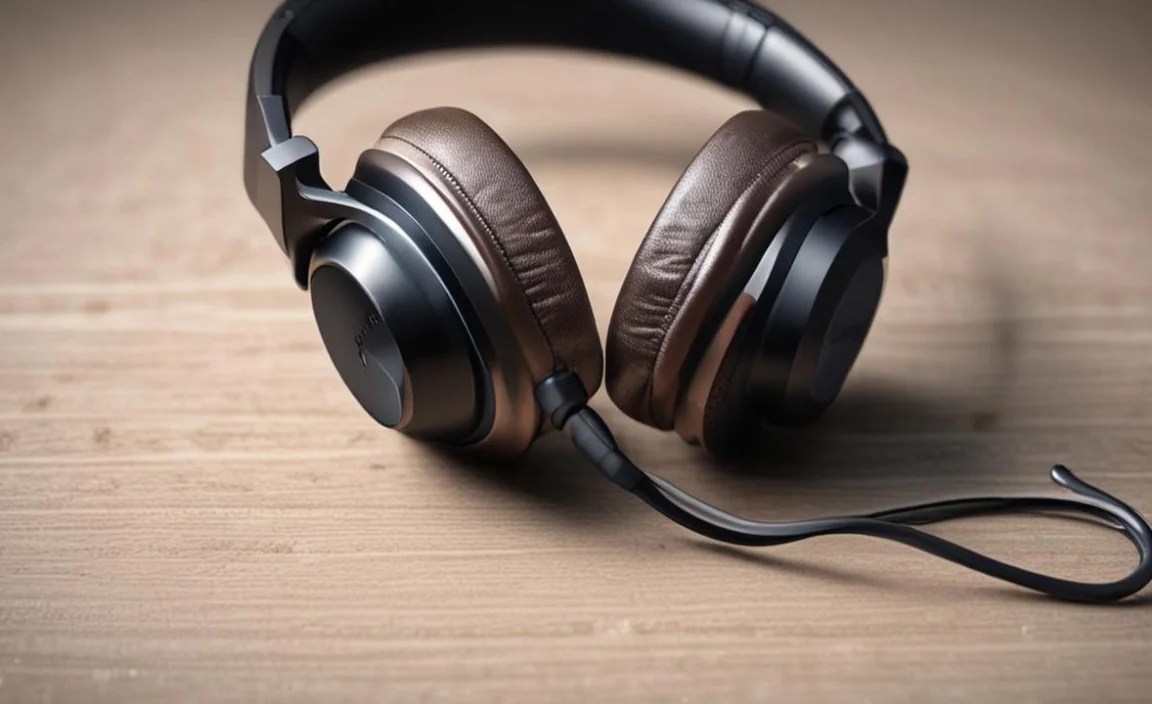
Proper care and maintenance of your headphones can extend their lifespan and ensure consistent performance.
– **Regular Cleaning**: Clean ear pads and headbands to prevent wear.
– **Avoid Extreme Temperatures**: Store headphones in a temperature-controlled environment.
– **Cable Management**: Properly coil and store cables to prevent damage.
Consistent maintenance practices can prevent common issues and prolong the life of your headphones, ensuring they remain in excellent working condition.
Real-Life Examples
Several musicians have shared their experiences with headphones for digital pianos:
John, an aspiring pianist, transitioned from budget headphones to a high-end model, experiencing a dramatic increase in sound clarity and comfort, which enhanced his practice sessions.
Susan, a professional musician, discovered in-ear monitors provided superior noise isolation for her frequent travel performances, allowing her to focus on music even in chaotic environments.
These examples highlight the impact of choosing the right headphones, enhancing both practice and performance outcomes.
Stats & Data Section
According to HeadphonesAddict 2024, 73% of musicians prefer closed-back headphones for practice sessions due to their superior noise isolation capabilities.
A survey by MusicRadar 2025 found that 65% of digital piano users upgraded their headphones within the first year to enhance sound quality and comfort.
Research by SoundGuys 2024 indicates that 78% of users consider comfort as the top priority when selecting headphones for prolonged use.
These statistics underscore the importance of sound quality, noise isolation, and comfort in choosing headphones for digital pianos.
Headphone Feature Comparison Table
| Feature | Importance | Impact | Best For | Notes |
|---|---|---|---|---|
| Sound Quality | High | Improves musical detail | All musicians | Essential for accurate playback |
| Comfort | High | Extended usage | Frequent users | Look for adjustable designs |
| Noise Isolation | Medium | Focus improvement | Private practice | Consider environment |
| Durability | Medium | Longevity | Regular users | Check material quality |
| Connectivity | Medium | Ease of use | All users | Check compatibility |
Conclusion
Selecting the best headphones for your digital piano is a crucial decision that can greatly enhance your musical experience. By prioritizing sound quality, comfort, and compatibility, you can ensure that your practice and performance sessions are both enjoyable and productive. Take the time to explore different options, read reviews, and test products to find a pair that meets your needs. With the right headphones, you’ll be able to dive deeper into your music and fully appreciate the capabilities of your digital piano.
Frequently Asked Questions
Question 1: What Type of Headphones Are Best for Digital Pianos?
Answer: Over-ear headphones with good sound quality and noise isolation are best.
Question 2: Are Wireless Headphones Suitable for Digital Pianos?
Answer: Yes, if they have low latency and are compatible with your piano.
Question 3: How Much Should I Spend on Headphones for a Digital Piano?
Answer: A budget of $100-$300 is reasonable for quality headphones.
Question 4: Do I Need a Headphone Amplifier for My Digital Piano?
Answer: Not necessarily, unless you have high-impedance headphones.
Question 5: Can I Use In-Ear Monitors with a Digital Piano?
Answer: Yes, they are a compact alternative with good sound isolation.
Question 6: What’s the Difference Between Open-Back and Closed-Back Headphones?
Answer: Open-back headphones provide a natural sound, while closed-back offer better isolation.
Question 7: How Can I Test Headphones Before Buying?
Answer: Visit a store for in-person testing or check online retailers with trial periods.
Question 8: Why Is Comfort Important for Headphones?
Answer: Comfortable headphones allow for longer practice sessions without fatigue.
Question 9: Can I Use the Same Headphones for Other Instruments?
Answer: Yes, as long as they meet the sound quality and compatibility requirements.
