
Finding the best over-the-ear headphones for running is crucial for a seamless workout experience. They offer superior sound quality, comfort, and a secure fit, which enhances your focus and motivation. This guide will help you discover top picks that combine durability, sweat resistance, and exceptional audio performance.
In a world filled with wireless earbuds and lightweight headsets, over-the-ear headphones remain a favorite among running enthusiasts. They provide a cocoon-like sound experience, allowing runners to immerse themselves in music or podcasts without distractions. Selecting the ideal pair of over-the-ear headphones for running involves considering various elements such as comfort, stability, sound quality, and durability. This article aims to guide you through these considerations and help you make an informed choice.
Key Takeaways
– **Sound Quality**: Prioritize headphones with balanced sound and noise isolation.
– **Comfort**: Look for models with adjustable headbands and cushioned ear cups.
– **Durability**: Choose sweat-resistant and robust materials.
– **Battery Life**: Opt for headphones with a long-lasting battery to avoid interruptions.
– **Connectivity**: Ensure stable Bluetooth connectivity for a seamless experience.
– **Fit**: Consider the fit to ensure stability during intense workouts.
– **Features**: Additional features like voice control and custom EQ settings can enhance usability.
What is best headphones for running over the ear?

Over-the-ear headphones for running provide a unique listening experience, often favored for their immersive sound and comfortable fit. Unlike in-ear headphones, they cover the entire ear, offering effective noise isolation and a more encompassing sound. These headphones are designed to stay secure during physical activities, providing a balance of sound quality, comfort, and durability.
Features to Look For
– **Sound Quality**: Deep bass and clear treble for a balanced audio experience.
– **Comfort**: Soft cushioning and adjustable bands for long-term wearability.
– **Sweat Resistance**: Materials that withstand moisture and sweat during intense workouts.
– **Battery Life**: Minimum 8-hour battery life for extended use.
– **Connectivity**: Reliable Bluetooth connection to avoid disruptions.
– **Weight**: Lightweight design to prevent fatigue during prolonged use.
Choosing the right over-the-ear headphones involves examining these features to ensure they align with your running needs. Prioritizing sound quality and a stable fit can significantly improve your overall experience.
Why best headphones for running over the ear is Important?

Selecting the right over-the-ear headphones for running can dramatically enhance your workout experience, keeping you motivated and focused. The right pair not only offers superior audio quality but also ensures comfort and durability, crucial for those long runs or intense sessions at the gym.
Benefits
– **Enhanced Audio Experience**: Provides immersive sound quality with noise isolation.
– **Comfort & Fit**: Cushioned ear cups and secure fit reduce discomfort during workouts.
– **Focus & Motivation**: Music or podcasts can boost motivation and focus.
– **Durability**: Sweat-resistant materials increase the lifespan of headphones.
– **Safety**: Some models offer ambient sound features for awareness of surroundings.
– **Versatility**: Suitable for various activities beyond running, including workouts and travel.
The benefits of using over-the-ear headphones for running extend beyond just sound quality. They contribute to the overall enjoyment and efficiency of your exercise routine, making them a valuable investment for any runner.
Step-by-Step Guide to best headphones for running over the ear

Step 1: Assess Your Needs
– **Identify Primary Use**: Determine if you need them solely for running or other activities.
– **Consider Environment**: Assess whether you need noise isolation or ambient sound awareness.
– **Budget**: Set a realistic budget based on features you prioritize.
Understanding your specific needs will help narrow down the options and focus on headphones that meet your criteria.
Step 2: Research & Compare Models
– **Read Reviews**: Look for user reviews and expert opinions.
– **Compare Features**: Evaluate the key features of different models.
– **Check Compatibility**: Ensure they work well with your devices.
Research is crucial to finding headphones that fit your requirements and offer good value for money. Comparing multiple models ensures you make an informed decision.
Step 3: Test the Fit
– **Try Different Sizes**: Ensure the headband is adjustable and fits comfortably.
– **Check Stability**: Test the headphones for stability during physical activity.
– **Comfort Test**: Wear them for a duration to assess comfort.
Testing the fit is important to ensure that the headphones remain comfortable and secure during your runs.
Step 4: Prioritize Sound Quality
– **Check Bass & Treble**: Ensure a balanced audio profile.
– **Test Noise Isolation**: Verify the headphones provide effective noise cancellation.
– **Listen to Audio Samples**: Evaluate the sound with your preferred music.
Sound quality can significantly impact your enjoyment and focus during workouts, so it’s vital to prioritize this feature.
Step 5: Evaluate Durability & Battery Life
– **Review Material Quality**: Choose materials that withstand sweat and wear.
– **Check Battery Specs**: Ensure a minimum battery life that suits your routine.
– **Read Warranty Details**: Look for a reliable warranty for peace of mind.
Durability and battery life are crucial for continuous use in active environments, ensuring your headphones last through many workouts.
Alternative Methods / Tools
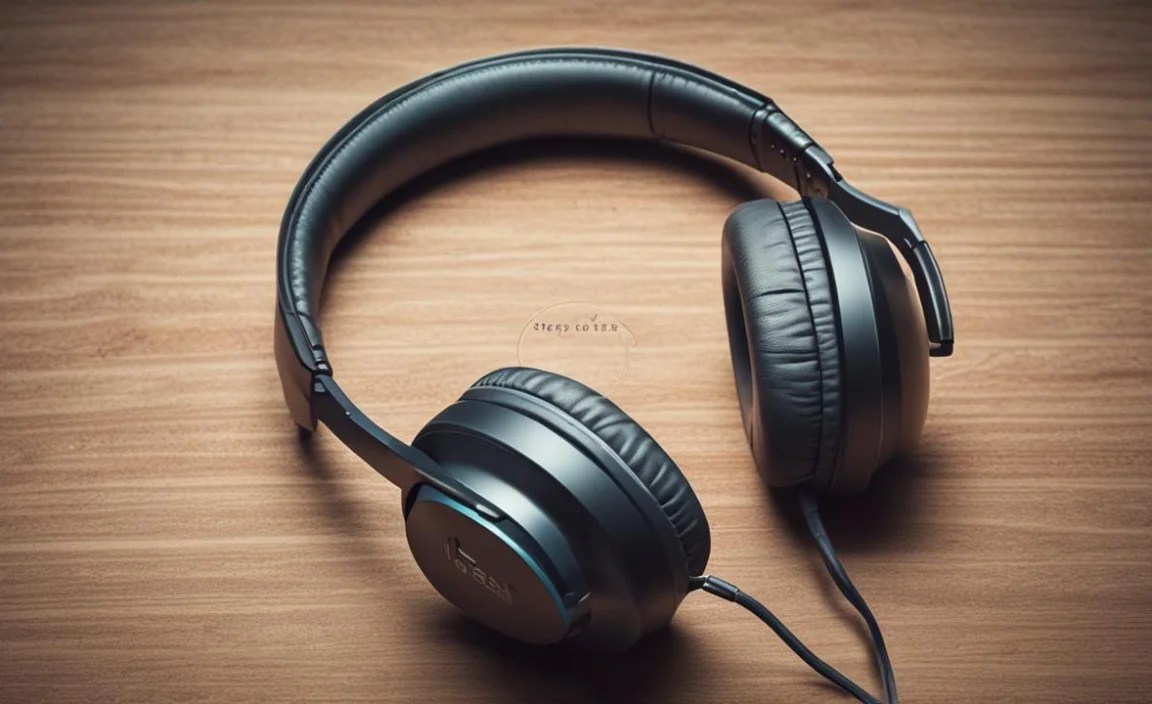
Using In-Ear Headphones
– **Lightweight**: Less bulky compared to over-the-ear models.
– **Portability**: Easier to carry and store.
– **Secure Fit**: Often come with different ear tips for a customized fit.
In-ear headphones can be a lighter, more portable option, but they may not offer the same sound quality or noise isolation as over-the-ear models.
Bone Conduction Headphones
– **Safety**: Allow ambient sound for situational awareness.
– **Comfort**: Do not enter the ear canal, reducing discomfort.
– **Stability**: Suitable for vigorous movements.
Bone conduction headphones provide a unique listening experience through vibrations, making them ideal for those who need to stay alert to their surroundings.
Troubleshooting Common Issues
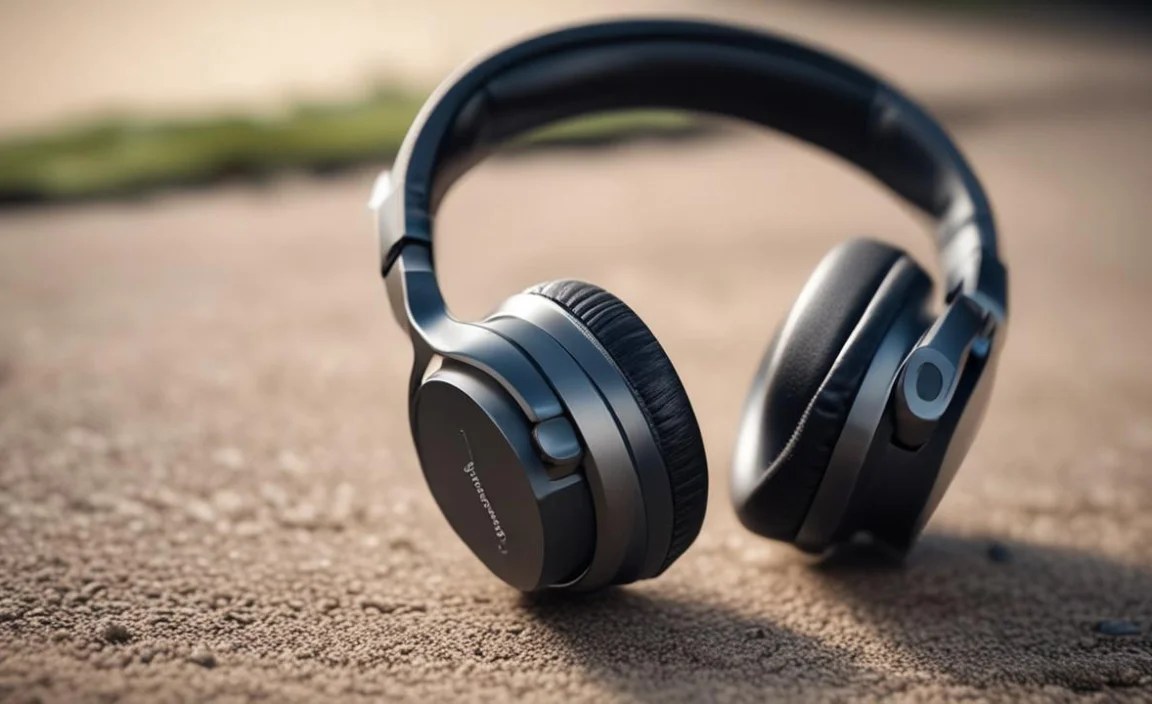
Issue: Poor Fit
– **Adjust Headband**: Ensure a snug fit by adjusting the headband.
– **Use Cushions**: Add or replace ear cushions for better comfort.
– **Try Different Models**: If the fit remains an issue, consider alternative designs.
A poor fit can often be resolved with adjustments or additional accessories to enhance comfort and stability.
Issue: Sound Distortion
– **Check Connection**: Ensure Bluetooth connection is stable and interference-free.
– **Adjust EQ Settings**: Tweak settings for balanced audio.
– **Inspect Drivers**: Look for physical damage in the headphone drivers.
Sound distortion can usually be fixed by addressing connection issues or adjusting audio settings to suit your preferences.
Issue: Battery Draining Fast
– **Turn Off When Not in Use**: Save battery by powering off when not needed.
– **Reduce Volume**: Lowering volume can extend battery life.
– **Check Firmware Updates**: Ensure your headphones are updated for optimal performance.
Fast battery drain often stems from improper use or outdated firmware, both of which are fixable with a few adjustments.
Advanced Techniques
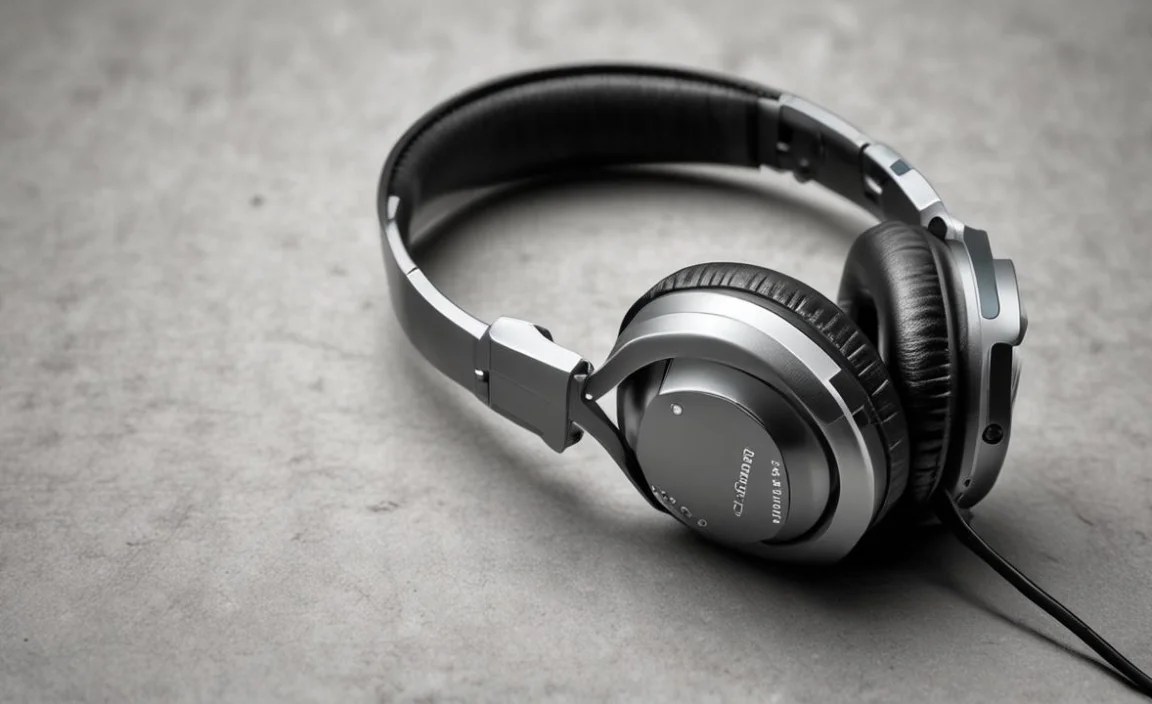
– **Clean Install**: Periodically reset the headphones to improve connectivity.
– **Rollback Firmware**: If recent updates cause issues, consider reverting to previous firmware.
– **Optimization**: Customize EQ settings for specific music genres.
Advanced techniques like these can enhance the functionality and lifespan of your headphones, ensuring optimal performance.
Prevention & Maintenance Tips

– **Regular Cleaning**: Wipe down headphones after use to prevent sweat damage.
– **Proper Storage**: Use a case to protect them from physical damage.
– **Avoid Overcharging**: Unplug once fully charged to preserve battery health.
– **Routine Checks**: Inspect for wear and tear to address issues early.
– **Keep Software Updated**: Ensure firmware is current for best performance.
Regular maintenance and preventive care can significantly extend the life of your headphones, ensuring they perform well over time.
Real-Life Examples
**John, a marathon runner**, found that switching to over-the-ear headphones significantly improved his training. The noise cancellation helped him focus, and the sweat-resistant material held up well over months of use.
**Sarah, a fitness coach**, prefers bone conduction headphones for outdoor runs, as they allow her to stay aware of her surroundings while enjoying high-quality audio.
**Mark, a tech enthusiast**, enjoyed the customizable EQ settings on his wireless over-the-ear headphones, which allowed him to tailor the audio profile to different music genres.
Driver Update Methods Compared
| Method | Difficulty | Speed | Best For | Notes |
|---|---|---|---|---|
| Manual Updates | Medium | Slow | Experienced Users | Requires technical knowledge |
| Software Tools | Easy | Fast | Beginners | Automates updates |
| Professional Services | Easy | Variable | Non-technical Users | Costly but reliable |
Conclusion
Finding the best over-the-ear headphones for running can elevate your fitness routine by offering superior sound quality, comfort, and durability. By understanding your needs and evaluating available options, you can select the perfect pair that enhances your workouts and keeps you motivated. Always remember to maintain and care for your headphones to maximize their lifespan and performance.
Frequently Asked Questions
Question 1: What Makes Over-the-Ear Headphones Good for Running?
**Answer**: They provide excellent sound quality, comfort, and noise isolation, essential for a focused workout.
Question 2: Can I Use Over-the-Ear Headphones in the Rain?
**Answer**: Only if they are specifically rated for water resistance, like IPX4 or higher.
Question 3: How Do I Ensure They Stay on While Running?
**Answer**: Look for adjustable headbands and cushioned ear cups for a secure fit.
Question 4: Are Over-the-Ear Headphones Better Than In-Ear for Running?
**Answer**: It depends on personal preference; over-the-ear offers better sound, while in-ear is lighter and more portable.
Question 5: Can These Headphones Cause Ear Pain?
**Answer**: Poor fit or extended use without breaks can cause discomfort, so ensure a proper fit and take breaks.
Question 6: How Do I Maintain Battery Life?
**Answer**: Avoid overcharging, reduce volume, and power off when not in use.
Question 7: What Features Should I Look for in Running Headphones?
**Answer**: Key features include sweat resistance, stable connectivity, and long battery life.
Question 8: Do Over-the-Ear Headphones Block Out All Noise?
**Answer**: Many offer noise cancellation, but complete isolation depends on the model and fit.
Question 9: How Often Should I Clean My Headphones?
**Answer**: Regularly after workouts to prevent damage from sweat and dirt.
