
Finding the best headphones for tinnitus can significantly enhance the quality of life for those dealing with this condition. These headphones are designed to minimize tinnitus symptoms by providing sound therapy, noise isolation, and improved sound quality.
Tinnitus affects millions worldwide, causing ringing or buzzing in the ears, and can be quite distressing. Choosing the right headphones is crucial because they can help mask the noise, provide relief, and improve overall auditory experiences. This article delves into how specialized headphones for tinnitus work, their benefits, and guides you in selecting the best pair.
Key Takeaways
- Tinnitus Headphones can alleviate symptoms through sound therapy.
- Sound Masking is a key feature to look for.
- Noise Isolation helps in reducing ambient noise.
- Consider Comfort and Durability for prolonged use.
- Investing in Quality can lead to better auditory experiences.
- Consulting with an Audiologist is advisable.
By incorporating these key points, individuals with tinnitus can effectively manage their condition with the right headphones, enhancing both comfort and hearing experience.
What is the Best Headphones for Tinnitus?

The best headphones for tinnitus are those that effectively mask the persistent ringing or buzzing sounds associated with the condition. They typically feature advanced sound technologies that provide relaxing tones or white noise to counteract tinnitus symptoms.
Understanding Tinnitus
- Causes: Exposure to loud noise, ear infections, age-related hearing loss.
- Definition: A condition characterized by hearing noises that aren’t caused by an external source.
- Approximately 15%–20% of people experience tinnitus in their lifetime.
- Impact: Can lead to stress, sleep disturbances, and difficulty concentrating.
- Symptom Severity: Varies from mild annoyance to severe impact on daily life.
Tinnitus is a common condition that can arise from various causes. Understanding its nature helps in addressing it effectively with the right tools, such as specialized headphones.
Why Best Headphones for Tinnitus is Important?

Choosing the best headphones for tinnitus is essential for providing relief from the annoying symptoms associated with the condition. These headphones help create a soothing auditory environment, facilitating better mental health and daily functioning.
Benefits of Tinnitus Headphones
- Sound Therapy: Offers soothing sounds that mask tinnitus.
- Noise Cancellation: Reduces background noise, allowing focus on therapeutic sounds.
- Improved Concentration: Alleviating symptoms leads to better focus.
- Enhanced Comfort: Designed for long-duration wear without discomfort.
- Stress Reduction: Calming sounds reduce anxiety and improve mood.
The benefits of specialized headphones extend beyond merely blocking sound; they provide therapeutic relief and improve the overall quality of life for those with tinnitus.
Step-by-Step Guide to Best Headphones for Tinnitus
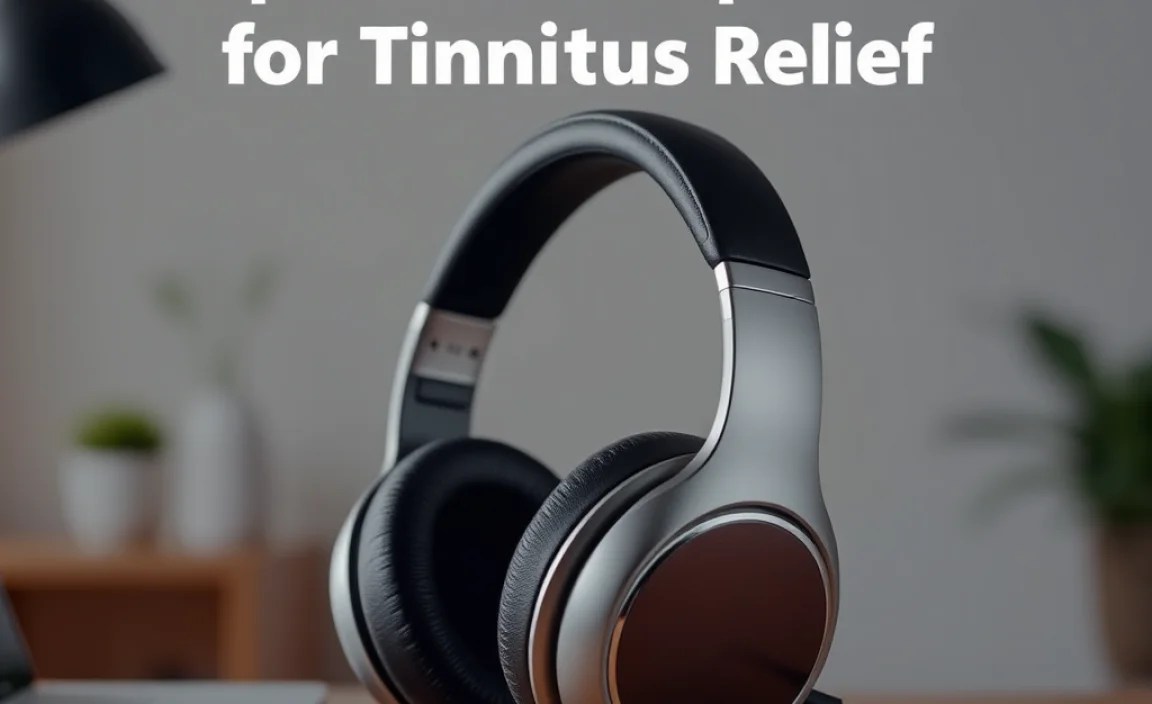
Step 1: Identify Your Needs
- Understand your tinnitus symptoms and severity.
- Consider the environment where headphones will be used.
- Determine the importance of sound quality and additional features.
Before purchasing, evaluate what features are most beneficial for your lifestyle and tinnitus management based on your specific needs and daily environment.
Step 2: Research Available Options
- Look for reviews and ratings of tinnitus-specific headphones.
- Explore brands known for sound therapy and noise cancellation.
- Consider consulting an audiologist for recommendations.
Researching ensures you choose headphones that are well-reviewed and effective, providing the necessary features for tinnitus relief.
Step 3: Test Different Models
- Visit stores to try different models if possible.
- Evaluate comfort and fit for extended use.
- Check for sound masking and quality firsthand.
Testing headphones in person allows you to assess their comfort and effectiveness, ensuring they meet your needs.
Step 4: Consider Long-term Use
- Check the durability and build quality.
- Consider the battery life for wireless models.
- Evaluate the brand’s warranty and customer service.
Invest in a pair that offers longevity and reliability to ensure continued relief from tinnitus symptoms over time.
Alternative Methods / Tools
Sound Therapy Apps
- Offer a variety of soothing sounds and tones.
- Portable and accessible through smartphones.
- Can be used with existing headphones.
Sound therapy apps are versatile tools that complement headphones, providing additional resources to mask tinnitus symptoms effectively.
White Noise Machines
- Produce consistent background noise.
- Can be used at home or office settings.
- Effective in masking tinnitus at night.
These machines are a practical alternative or supplement to headphones, especially for nighttime use or static environments.
Troubleshooting Common Issues
Poor Sound Quality
- Ensure headphones are properly connected.
- Check for firmware updates for wireless models.
- Inspect for physical damage to the headphones.
If sound quality is lacking, verify connections and updates. Regular inspections can prevent ongoing issues and maintain performance.
Discomfort During Use
- Adjust the fit and headband.
- Consider replacement ear pads for better comfort.
- Limit usage time to prevent fatigue.
Make necessary adjustments to the fit and components to enhance comfort, allowing for longer, enjoyable use of your headphones.
Advanced Techniques
While most users benefit from standard tinnitus headphones, there are advanced techniques for maximizing their effectiveness.
Custom Sound Profiles
- Create personalized soundscapes for specific tinnitus frequency.
- Use apps that tailor sound therapy to individual needs.
Customizing sound profiles allows users to address specific tinnitus pitches, enhancing the effectiveness of sound therapy.
Integration with Hearing Aids
- Enhance auditory experience through combined use.
- Consult with an audiologist for compatibility.
Integrating tinnitus headphones with hearing aids can provide comprehensive management of hearing issues, benefiting those with concurrent hearing loss.
Prevention & Maintenance Tips
- Regularly clean and maintain headphones.
- Avoid prolonged exposure to loud sounds.
- Conduct routine checks for wear and tear.
- Store headphones in a safe place when not in use.
Consistent care and precautionary measures can extend the lifespan of your headphones and enhance their effectiveness in managing tinnitus.
Real-Life Examples
John, a 45-year-old engineer, experienced severe tinnitus due to prolonged exposure to machinery noise. Switching to noise-cancelling headphones enabled him to work comfortably and improved his focus significantly.
Susan, a college student, found relief using a combination of sound therapy apps and tinnitus-specific headphones, which reduced her anxiety and helped her concentrate better on her studies.
Driver Update Methods Compared
| Method | Difficulty | Speed | Best For | Notes |
|---|---|---|---|---|
| Manual Update | High | Slow | Experts | Requires technical knowledge |
| Automatic Software | Low | Fast | General Users | Convenient and easy to use |
| Professional Service | Low | Varies | Businesses | Costly but effective |
Conclusion
Investing in the best headphones for tinnitus can significantly improve your quality of life. By understanding your needs, researching options, and properly maintaining your headphones, you can effectively manage tinnitus. Explore advanced techniques and consider professional guidance to optimize your auditory experience. Take proactive steps today to find the right solution for your tinnitus symptoms.
Frequently Asked Questions
Question 1: What Features Should I Look for in Tinnitus Headphones?
Answer: Look for sound masking, comfort, noise cancellation, and durability.
Question 2: Can Headphones Cure Tinnitus?
Answer: No, but they can help manage symptoms and provide relief.
Question 3: Are Over-Ear or In-Ear Headphones Better for Tinnitus?
Answer: Over-ear headphones are generally better due to improved noise isolation.
Question 4: How Does Sound Therapy Help Tinnitus?
Answer: Sound therapy uses soothing sounds to mask the ringing in your ears.
Question 5: Can I Use Regular Headphones for Tinnitus?
Answer: Yes, but tinnitus-specific models offer targeted relief features.
Question 6: Is Noise Cancellation Important for Tinnitus Relief?
Answer: Yes, it reduces background noise, enhancing sound therapy effectiveness.
Question 7: Should I Consult an Audiologist Before Buying?
Answer: Yes, an audiologist can guide you to the best options for your condition.
Question 8: What Maintenance Do Tinnitus Headphones Require?
Answer: Regular cleaning, battery checks, and safe storage are essential.
Question 9: How Long Should I Use Headphones for Tinnitus Relief Daily?
Answer: Limit use to prevent ear fatigue, typically 1-2 hours at a time is recommended.
