
Finding the best headphones for video editing is crucial for professionals and hobbyists alike to ensure precise audio quality and an immersive editing experience. These headphones can make a significant difference in detecting sound nuances, which is vital in creating high-quality video content.
Video editing is an intricate process that demands attention to various details, including audio clarity. Choosing the right headphones plays a pivotal role in ensuring that the final output is as polished as possible. This article will guide you through the key aspects of selecting the best headphones for video editing, why it’s important, and how to make the most of your audio equipment.
Key Takeaways
- Audio Accuracy: Essential for detecting sound nuances in video editing.
- Comfort: Long editing sessions require comfortable headphones.
- Durability: High-quality materials extend the lifespan of your headphones.
- Noise Isolation: Helps in focusing on audio without external disturbances.
- Brand Reputation: Trusted brands often offer better reliability and support.
- Connectivity Options: Wired vs. wireless can affect sound quality and convenience.
Investing in the right headphones can enhance your video editing process, making it more efficient and effective. Prioritize quality and functionality to achieve the best results.
What is best headphones for video editing?

Choosing the best headphones for video editing involves considering several factors that contribute to superior audio quality and user experience. These include audio accuracy, comfort for prolonged use, and noise isolation to eliminate distractions. Understanding these elements will help you make an informed decision.
Key Factors to Consider
- Audio Accuracy: Flat frequency response for true sound reproduction.
- Comfort: Cushioned ear pads and adjustable headbands for long wear.
- Noise Isolation: Closed-back designs to block out external noise.
- Durability: Sturdy construction materials for long-term use.
- Brand Reputation: Established brands often ensure quality and support.
When selecting headphones, consider models that excel in these areas. For example, the **Sony WH-1000XM4** is renowned for its noise cancellation and comfort, making it an ideal choice for video editors.
Why best headphones for video editing is Important?
Quality headphones are indispensable in video editing, impacting the overall production quality. They allow editors to discern subtle audio details, crucial for syncing audio with visuals and enhancing the viewer’s experience. Let’s explore why this investment is significant.
Benefits of Quality Headphones
- Improved Audio Quality: Captures intricate sound details for precision editing.
- Enhanced Focus: Noise-canceling features aid concentration.
- Comfortable Editing Sessions: Ergonomic designs prevent fatigue.
- Better Soundstage: Provides a more immersive audio experience.
- Professional Standard: Aligns with industry expectations for quality output.
Using top-tier headphones ensures that the final video product meets professional standards, enhancing both audio and visual synchronization for optimal viewer engagement.
Step-by-Step Guide to best headphones for video editing

Choosing the right headphones involves a series of steps to ensure they meet your editing needs. Follow this guide to make an informed choice.
Step 1: Determine Your Budget
- Set a Maximum Limit: Decide how much you’re willing to spend.
- Research Price Ranges: Compare features within your budget.
Consider value for money when setting a budget. High-end headphones like the **Beyerdynamic DT 770 PRO** provide excellent audio quality at a mid-range price.
Step 2: Evaluate Sound Quality
- Frequency Response: Look for a flat response for accurate sound.
- Driver Size: Larger drivers generally offer better sound quality.
The **Audio-Technica ATH-M50x** is often recommended for its balanced sound profile, suitable for video editing.
Step 3: Assess Comfort and Fit
- Ear Pad Material: Opt for memory foam or soft leatherette.
- Adjustability: Ensure the headband is adjustable for a custom fit.
Comfort is essential for long editing sessions. Test different models to find the perfect fit.
Step 4: Check Build Quality and Durability
- Material Strength: Choose durable materials like metal and high-grade plastic.
- Warranty and Support: Check the manufacturer’s warranty.
Invest in headphones with robust construction to ensure longevity. The **Sennheiser HD 280 PRO** is known for its durable build.
Step 5: Consider Connectivity Options
- Wired vs. Wireless: Wired options often offer better sound quality.
- Compatibility: Ensure compatibility with your editing devices.
Wired headphones like the **AKG K371** provide reliable connections and superior audio fidelity, crucial for professional editing.
Alternative Methods / Tools
Using Studio Monitors
- Placement: Position monitors correctly for an accurate soundstage.
- Acoustic Treatment: Enhance room acoustics for better sound quality.
Studio monitors offer a different perspective on audio quality, providing a larger soundstage compared to headphones.
Audio Interface Use
- Connectivity: Interfaces improve audio input/output quality.
- Latency Reduction: Ensures real-time audio monitoring.
An audio interface can improve sound quality and reduce latency, beneficial for detailed editing work.
Troubleshooting Common Issues
Issue: Sound Distortion
- Check Connections: Ensure all cables are properly connected.
- Driver Updates: Keep software and drivers up to date.
If distortion persists, consider testing your headphones on another device to isolate the problem.
Issue: Uncomfortable Fit
- Adjust Headband: Customize the fit for comfort.
- Replace Ear Pads: Use softer or larger ear pads if available.
A proper fit can alleviate discomfort, enhancing your editing experience.
Advanced Techniques
Explore methods like clean installation and rollback to optimize your headphone setup. Regularly update drivers and software to ensure compatibility and performance.
Prevention & Maintenance Tips
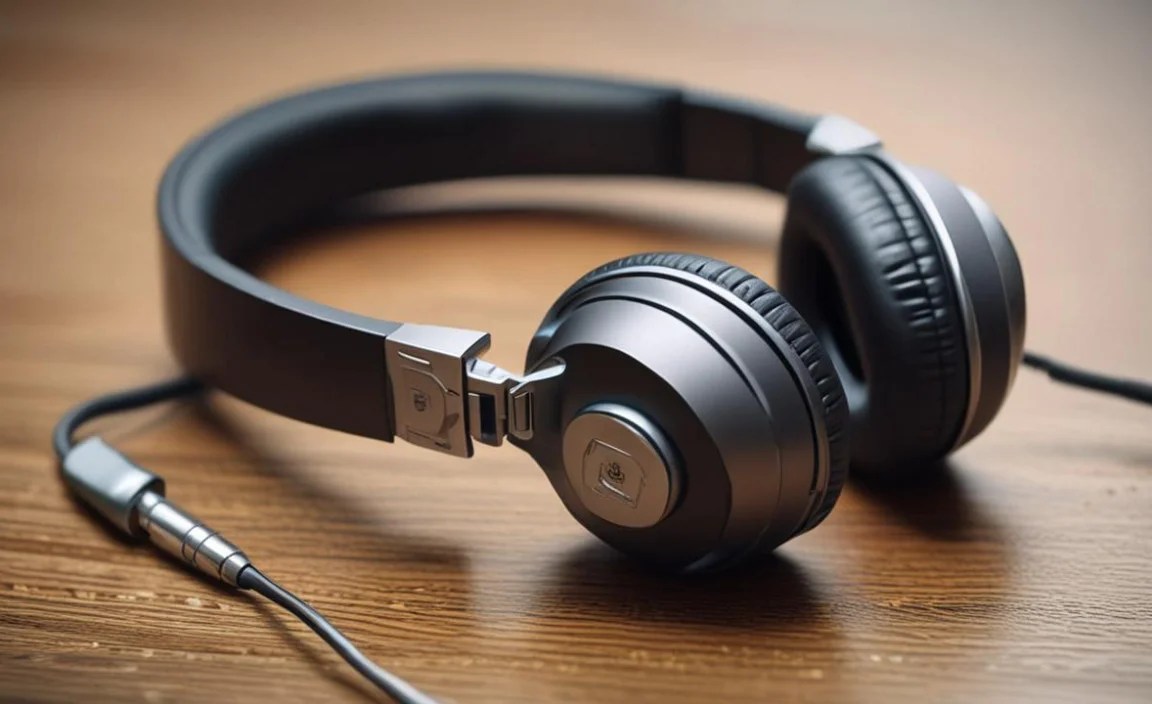
Conduct regular checks for wear and tear, clean headphones using appropriate materials, and store them properly to extend their lifespan. Regular maintenance ensures continued optimal performance.
According to Grand View Research 2023, the global headphones market is expected to reach USD 126.7 billion by 2027, driven by technological advancements and increasing demand for high-quality audio devices.
Driver Update Methods Compared
| Method | Difficulty | Speed | Best For | Notes |
|---|---|---|---|---|
| Manual Update | Medium | Slow | Experienced Users | Requires technical knowledge |
| Automatic Software | Easy | Fast | All Users | Uses third-party tools |
| System Update | Easy | Medium | General Users | Part of OS updates |
Conclusion
Choosing the right headphones for video editing can elevate your content quality, offering clear and accurate audio representation. By understanding your needs and considering factors like audio accuracy, comfort, and durability, you can find the perfect pair to enhance your editing workflow. Stay informed and keep your equipment updated for the best results.
Frequently Asked Questions
Question 1: What Features Should I Look for in Video Editing Headphones?
Answer: Look for audio accuracy, noise isolation, comfort, and durability.
Question 2: Are Wireless Headphones Suitable for Video Editing?
Answer: They can be, but wired options often provide better audio fidelity.
Question 3: How Important is Noise Cancellation in Video Editing?
Answer: Very important, as it reduces distractions and enhances focus.
Question 4: Can I Use Consumer Headphones for Professional Video Editing?
Answer: It’s possible, but professional-grade headphones offer superior audio quality.
Question 5: How Often Should I Replace My Headphones?
Answer: Replace them when you notice significant wear or audio issues.
Question 6: What’s the Ideal Frequency Response for Video Editing?
Answer: A flat frequency response is ideal for accurate sound reproduction.
Question 7: Do I Need to Use an Audio Interface with Headphones?
Answer: Not necessary, but it can enhance audio monitoring quality.
Question 8: Should I Prioritize Brand Over Features?
Answer: Balance both; reputable brands often offer better reliability and support.
Question 9: What is the Average Lifespan of Quality Headphones?
Answer: Typically, 2-5 years with proper care and maintenance.
