
Quick Summary: Discover comfortable, non-in-ear headphone options like open-back, on-ear, and bone conduction models. This guide simplifies choosing the best fit for your listening needs, prioritizing sound quality, comfort, and awareness of your surroundings. Perfect for beginners looking for a comfortable audio experience without ear pressure.
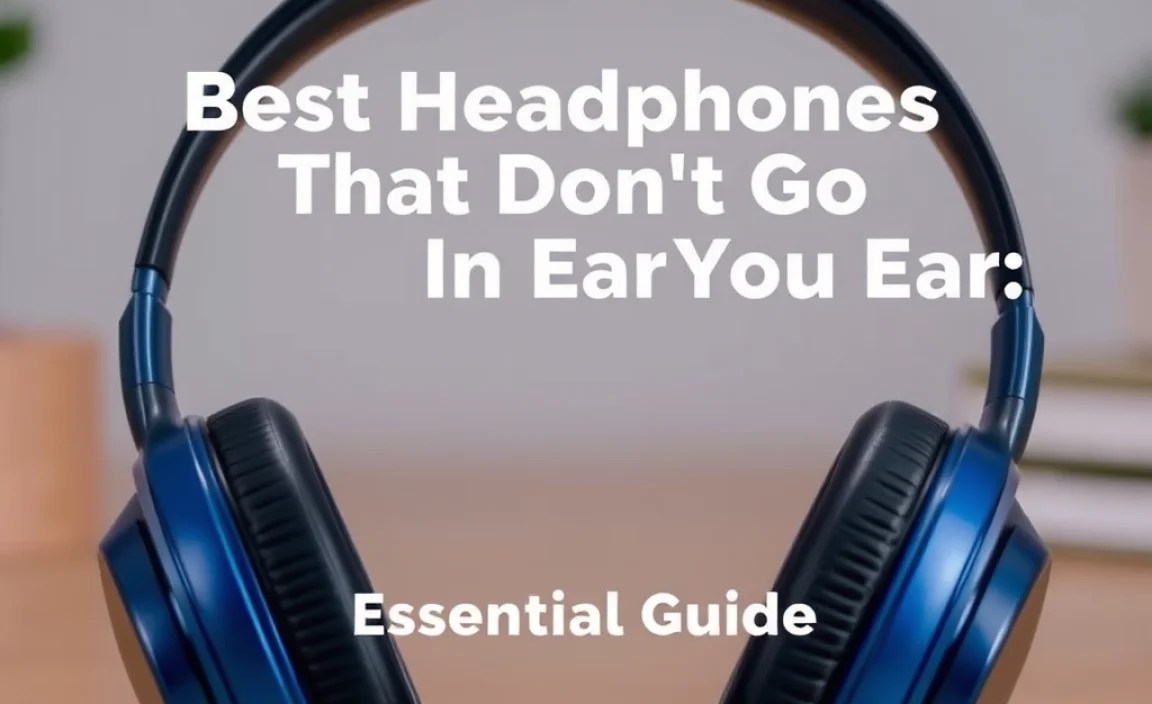
Best Headphones That Don’t Go In Your Ear: Your Essential Guide
Hello there, fellow audio explorers! Edward Cavitt here, your guide from Headphone Horizon. Are you tired of the pressure or discomfort that in-ear headphones can sometimes bring? Perhaps you love music but also need to hear what’s happening around you for safety or to stay connected to your environment. Whatever your reason, you’re in the right place! Many people find that traditional earbuds or IEMs (in-ear monitors) just aren’t their cup of tea. Thankfully, the world of audio offers a fantastic array of headphones designed to sit around or near your ears, rather than inside them. This guide is crafted to make choosing the perfect pair super simple, taking the guesswork out of finding headphones that offer great sound without the need to seal your ear canal. Let’s dive in and find your next favorite listening companion!
Why Choose Headphones That Don’t Go In Your Ear?

It’s a common experience: you’re enjoying a podcast or your favorite playlist, and after a while, your ears start to feel a bit… off. Cramped, pressurized, or even achy. This is where headphones that bypass the ear canal truly shine. They offer a different kind of listening experience that appeals to a wide range of people for various reasons:
- Comfort: For extended listening sessions, many find over-ear or on-ear designs significantly more comfortable than anything inserted into the ear canal.
- Situational Awareness: This is a big one! Open-back headphones, in particular, allow ambient sounds to pass through, making them ideal for home listening, office environments where you need to hear colleagues, or even for runners who need to be aware of traffic.
- Reduced Ear Fatigue: Some individuals experience ear fatigue or even mild pain from prolonged use of in-ear devices. Non-in-ear options can alleviate this.
- Hygiene: For those concerned about earwax buildup or sharing headphones, designs that don’t enter the ear can feel more hygienic.
- Soundstage: Open-back headphones often provide a wider and more natural “soundstage,” creating a more immersive listening experience that feels like the music is happening all around you.
Understanding these benefits is the first step. Now, let’s explore the main types that fit the bill.
Types of Headphones That Don’t Go In Your Ear

When we talk about headphones that don’t go in your ear, we’re generally looking at three main categories. Each has its own strengths and ideal use cases.
1. Over-Ear Headphones
These are perhaps the most classic headphone design. As the name suggests, the earcups completely envelop your ears. They typically form a seal around the entire ear, which helps with passive noise isolation. They come in two main sub-types:
- Closed-Back Over-Ear: These have solid earcups that create a barrier between your ears and the outside world. This is excellent for blocking out environmental noise and preventing your music from leaking out, making them great for public transport, busy offices, or if you’re listening in a shared space.
- Open-Back Over-Ear: Unlike closed-back models, open-back headphones have vents or grilles on the earcups. This allows air and sound to pass through. They offer a more natural, airy sound with a wider soundstage, but they also let in ambient noise and your music can be heard by others. These are fantastic for critical listening at home or in quiet environments.
Pros of Over-Ear Headphones:
- Excellent comfort for long listening sessions.
- Superior sound quality, especially in open-back designs for soundstage.
- Good passive noise isolation with closed-back models.
- Less pressure on the ears compared to on-ear.
Cons of Over-Ear Headphones:
- Can be bulkier and less portable.
- May cause ears to get warm or sweaty during long use, especially in closed-back designs or warmer climates.
- Open-back models offer poor noise isolation.
2. On-Ear Headphones
On-ear headphones, also sometimes called supra-aural headphones, feature earcups that rest on your ears, rather than around them. They are generally more compact than over-ear headphones but offer a different fit.
Pros of On-Ear Headphones:
- More portable and lighter than most over-ear models.
- Offer a balance between comfort and sound quality.
- Can provide some degree of situational awareness if not pressed too firmly against the ears.
Cons of On-Ear Headphones:
- Can cause pressure on the ears, leading to discomfort over time.
- Noise isolation is often less effective than with closed-back over-ear headphones.
- Sound leakage can be more noticeable than with over-ear models.
- May not be ideal for extended listening sessions due to potential ear pressure.
3. Bone Conduction Headphones
This is a more technologically distinct category. Bone conduction headphones don’t transmit sound waves through the air to your eardrums. Instead, they use small transducers that rest on your cheekbones, just in front of your ears, and transmit vibrations directly to your inner ear. This leaves your ear canals completely open.
Pros of Bone Conduction Headphones:
- Unparalleled situational awareness – you can hear everything around you perfectly.
- Excellent for outdoor activities like running, cycling, or kayaking.
- Comfortable for long periods as nothing is placed inside or directly on the ear.
- Great for individuals with certain hearing impairments.
Cons of Bone Conduction Headphones:
- Sound quality is generally not as rich or detailed as traditional headphones, especially for music.
- Can produce a buzzing or vibrating sensation on the cheekbones, which some users find distracting.
- Little to no bass response compared to other types.
- Sound leakage can be significant at higher volumes.
Choosing the Best Headphones for You: Key Factors to Consider

Now that you know the main types, how do you pick the best ones for your needs? It comes down to a few key considerations.
1. Your Primary Listening Environment
Where will you be using your headphones most often?
- Quiet Home/Office: Open-back over-ear headphones can shine here, offering fantastic soundstage and comfort.
- Noisy Commute/Workplace: Closed-back over-ear headphones will provide better noise isolation.
- Outdoor Activities (Running, Cycling): Bone conduction headphones are often the safest and most practical choice for staying aware of your surroundings.
- General Use/Mixed Environments: On-ear or well-designed closed-back over-ear can be versatile.
2. Comfort is King
Since you’re actively avoiding in-ear designs for comfort, this is paramount. Try to consider:
- Headband Padding: A well-padded headband distributes weight evenly and prevents pressure points on your head.
- Earcup Material: Softer materials like velour or breathable leather can prevent your ears from getting too warm.
- Clamping Force: For over-ear and on-ear headphones, the force with which they grip your head matters. Too tight, and it’s uncomfortable; too loose, and they might slip off.
3. Sound Quality vs. Awareness
Are you a critical music listener seeking the best possible audio fidelity, or is hearing your surroundings more important?
- For the most immersive music experience without ear pressure, high-quality open-back over-ear headphones are often the top choice.
- If you need to hear traffic, conversations, or announcements, bone conduction or open-back headphones are ideal.
- On-ear headphones sit in a middle ground, offering a decent listening experience while often allowing a bit more sound in than closed-back designs.
For a deeper dive into sound quality and what makes headphones sound good, you might find resources like the Audio Engineering Society (AES) educational materials helpful, though they can get quite technical.
4. Portability and Design
Do you need headphones that fold up neatly for a backpack, or will they mostly stay at your desk? Over-ear headphones are generally larger, while on-ear and some newer bone conduction models are designed to be more compact and travel-friendly.
5. Budget
Prices can vary wildly. Determine how much you’re willing to spend. You can find good options in every category at different price points, but often, investing a little more can yield significant improvements in comfort, durability, and sound quality.
Top Picks: Best Headphones That Don’t Go In Your Ear
To help you get started, here are a few highly-regarded models across the categories that consistently receive praise for their non-in-ear design and performance. Remember that “best” is subjective, and these are excellent starting points for your search!
Recommended Open-Back Over-Ear Headphones
These are perfect for a serene listening environment where you can truly appreciate their expansive sound.
1. Sennheiser HD 600/HD 650
These are audiophile staples for a reason. They offer incredibly balanced, natural sound with a wide soundstage, making you feel like you’re in the room with the musicians. The velour earpads and comfortable headband make them a joy to wear for hours.
2. Beyerdynamic DT 990 Pro
A popular choice for both home listening and studio use. They provide clear highs and strong mids, with a very spacious feel. The comfortable velour earpads are excellent, though a moderate clamping force means they can feel a bit snug initially for some.
Recommended Closed-Back Over-Ear Headphones
For those who need to block out the world and keep their listening private.
1. Audio-Technica ATH-M50x
While often praised for studio monitoring, their excellent isolation and punchy, detailed sound make them a great all-rounder. They fold up nicely, making them more portable than many other over-ear options, and the build is robust.
2. Sony WH-1000XM4 (or newer models) / Bose QuietComfort series
If active noise cancellation (ANC) is a priority alongside not going in your ear, these premium wireless options are hard to beat. They create a quiet bubble for your audio and offer excellent comfort, though they are pricier.
Recommended On-Ear Headphones
A good compromise for portability and sound quality.
1. Koss Porta Pro
An iconic and affordable option. These lightweight headphones offer a surprisingly fun and energetic sound for their price. They are very comfortable with their distinctive “temporal pads” and can be folded down quite compactly.
2. Grado SR-80x / SR-60x
Grado is known for its distinctive “on-ear” designs that are technically open-backed, creating an airy, dynamic sound. While they rest on the ear, they offer an open, engaging listening experience. Be aware they will leak sound significantly.
Recommended Bone Conduction Headphones
The ultimate in situational awareness for active lifestyles.
1. Shokz (formerly AfterShokz) OpenRun Pro / OpenRun
Shokz are the leaders in bone conduction technology. Their headphones are exceptionally comfortable, sweat-resistant, and durable, making them perfect for running, cycling, and other activities where you need to hear your surroundings. Sound quality is optimized for voice and general listening.
2. AfterShokz Xtrainerz
For swimmers, these are a game-changer. They are bone conduction headphones designed to be waterproof, allowing you to listen to music where traditional headphones simply can’t go.
Popular Features to Look For
Beyond the basic design, here are some features that can enhance your experience:
- Wired vs. Wireless: Wireless headphones offer freedom from tangled cables, while wired options often provide superior sound quality at a given price point and don’t require charging.
- Bluetooth Version: For wireless, newer Bluetooth versions (like 5.0 and above) offer better stability, range, and power efficiency.
- Battery Life: Crucial for wireless headphones. Look for models that offer at least 8-10 hours of playback on a single charge for daily use.
- Microphone Quality: If you plan to take calls, a good built-in microphone is essential.
- Controls: Integrated volume controls, play/pause buttons, and track skipping make using your headphones much more convenient.
- Durability & Build Quality: Especially important for headphones used on the go or during sports.
Maintaining Your Headphones
Regardless of the type, proper care will extend the life of your headphones and ensure they always sound their best. Here are some simple tips:
- Cleaning:
- Earcups/Headband (Over-ear & On-ear): Gently wipe with a slightly damp, soft cloth. For stubborn spots, you can use a mild soap and water solution, but ensure no moisture seeps into the drivers. For velour earpads, you can often remove them and hand-wash them gently, letting them air dry completely before reattaching.
- Exterior: Wipe down the plastic or metal parts with a dry or slightly damp microfiber cloth.
- Transducers (Bone conduction): Use a dry, soft brush or a dry cotton swab to gently clean the area that rests on your cheekbones.
- Storage:
- When not in use, store your headphones in a cool, dry place.
- If you have a case, use it! This protects them from dust, damage, and accidental drops.
- Avoid coiling the cable too tightly if you have wired headphones, as this can damage the internal wires over time.
- Cable Care (Wired Headphones):
- Avoid yanking the cable when unplugging. Always pull from the connector itself.
- Don’t wrap the cable too tightly. A loose coil is better for longevity.
- If the cable becomes frayed or damaged, it’s often replaceable. Check if your headphones have detachable cables.
- Listening Volume: According to the National Institute on Deafness and Other Communication Disorders (NIDCD), listening to sounds at extreme volumes can cause permanent hearing damage. Protect your hearing by keeping the volume at moderate levels.
Troubleshooting Common Issues
Even the best headphones can sometimes have hiccups. Here are a few common problems and simple fixes:
- No Sound:
- Wired: Ensure the plug is fully inserted into the audio source. Try a different port or a different device. Check if the volume is turned up on both your headphones (if applicable) and your device.
- Wireless: Make sure the headphones are charged and powered on. Check that they are properly paired with your device via Bluetooth. Sometimes, simply turning Bluetooth off and on again on your device can help.
- One Side Not Working:
- Wired: This often indicates a cable issue. Gently wiggle the cable at both the headphone and source end. If it works intermittently, the cable might need replacing.
- Wireless: Try re-pairing the headphones. If one side remains silent, it might be a hardware defect.
- Buzzing or Distortion:
- Check your audio source. Is the music file corrupted, or is the audio from the source itself distorted?
- Lower the volume slightly. Sometimes max volume can cause distortion.
- For bone conduction, ensure the transducers are clean and not vibrating against something they shouldn’t be.
- Bluetooth Connectivity Issues:
- Ensure your headphones are in pairing mode.
- Turn off other Bluetooth devices nearby that might be causing interference.
- “Forget” the headphones in your device’s Bluetooth settings and then re-pair them.
- Check for firmware updates for your headphones (often via a manufacturer’s app).
If you’re experiencing persistent issues, don’t
