
Quick Summary: Unlock roaring bass with this beginner’s guide to the best headphones for heavy bass. We’ll explore key features, explain what makes bass sound great, and recommend top picks that deliver an immersive, thumping audio experience without breaking the bank or confusing you with tech speak. Get ready to feel the music!
The Best Headphones for Heavy Bass: Your Essential Guide
Hey there, fellow music lovers! Edward Cavitt here from Headphone Horizon. Ever listen to a track and feel like something’s missing? Like the deep rumble, the powerful kick drum, or that satisfying synth line just isn’t hitting you the way it should? If you’re nodding along, it sounds like you’re on the hunt for headphones that truly bring the bass. But with so many options out there, it’s easy to get lost in the technical jargon. Don’t worry! This guide is designed to cut through the noise and help you find the perfect pair of headphones to make your music BOOM, all explained in a way that’s easy to understand. Let’s dive in and find those thunderous lows!
What Makes Headphones Good for Heavy Bass?

Before we start looking at specific models, let’s break down what actually makes a pair of headphones great for delivering that deep, satisfying bass. It’s not just about turning up the volume; it’s about the design, the drivers, and how they’re tuned by the manufacturer. Think of it like this: you want a speaker that can move a lot of air to create those low frequencies, and headphones are just miniature speakers for your ears!
Understanding Key Features
When shopping for bass-heavy headphones, keep an eye out for these important features:
- Driver Size: Generally, larger drivers (the part that actually makes the sound) can produce more powerful bass. Look for drivers typically 40mm or larger, though smaller drivers can still be excellent with good design.
- Frequency Response: This tells you the range of sound frequencies a headphone can reproduce. For good bass, you want a headphone that extends low, ideally with a strong output in the 20 Hz to 100 Hz range. A response that “boosts” these lower frequencies is common in bass-oriented headphones.
- Impedance: Measured in Ohms (Ω), impedance relates to how much power the headphones need to produce a certain volume. Lower impedance (under 50Ω) is usually easier to drive and works well with most devices like smartphones and laptops. Higher impedance might require an amplifier. For beginners, lower is usually simpler.
- Closed-Back vs. Open-Back:
- Closed-back headphones are sealed. This design helps trap sound, meaning less bass escapes and more of it is directed into your ears. They also offer better noise isolation.
- Open-back headphones have perforated earcups, allowing air and sound to escape. While they often offer a more natural soundstage, they typically don’t produce as impactful or isolated bass as closed-back models. For heavy bass, closed-back is usually the way to go.
- Tuning: Even with the right specs, the manufacturer’s sound tuning is crucial. Some headphones are designed with a “V-shaped” EQ (equalizer) profile, meaning bass and treble are boosted, with mids slightly recessed. This is very popular for genres that benefit from punchy bass.
The Science of Bass (Simplified!)
Low-frequency sounds, or bass, are felt as much as heard. They’re the foundation of many music genres, from hip-hop and EDM to rock and pop. Headphones that excel at bass reproduction have drivers specifically designed to handle these lower frequencies accurately and powerfully. This means they can create bigger, more resonant sound waves that you’ll feel in your ears, adding a whole new dimension to your listening experience. For a deeper dive into the physics of sound, you might find resources from educational institutions like MIT helpful, though we’re keeping it practical here!
Types of Headphones for Bass Lovers

There are several form factors when it comes to headphones, and each can be designed to deliver powerful bass. Let’s look at the most common ones.
1. Over-Ear Headphones
These are the classic headphones that completely cover your ears. They offer the largest earcups and often the biggest drivers, making them prime candidates for delivering robust bass. The seal they create around your ears also helps to enhance the feeling of low frequencies.
Why they’re great for bass:
- Largest driver potential for maximum impact.
- Excellent passive noise isolation, which amplifies low frequencies.
- Comfortable for long listening sessions, perfect for deep dives into your music.
2. On-Ear Headphones
These headphones rest directly on your ears. While they can achieve good bass, they often don’t offer the same level of isolation or the physical space for drivers as over-ear models. However, some on-ear designs are specifically tuned for a bass-forward sound.
Pros:
- More portable than over-ear.
- Can offer a good bass response.
Cons:
- Less noise isolation than over-ear.
- Can sometimes be less comfortable for extended wear.
3. In-Ear Monitors (IEMs)/Earbuds
These fit directly into your ear canal. While small, advanced IEMs can produce surprisingly deep and impactful bass by creating a seal directly in your ear. This seal is critical for bass reproduction in smaller drivers.
Pros:
- Excellent seal for deep bass.
- Highly portable and discreet.
- Can offer very precise bass delivery.
Cons:
- Fit is crucial for bass performance.
- Some users find them less comfortable for very long periods.
Top Picks: Best Headphones for Heavy Bass (Beginner-Friendly)

Now for the exciting part – recommendations! I’ve picked out a few fantastic options that consistently deliver on bass without being overly complicated to use or understand. These are chosen to give you a great experience right out of the box.
1. Sony WH-CH720N: The All-Around Champion
Sony has a reputation for making great headphones, and their WH-CH720N often hits the sweet spot. They offer a balanced sound with a noticeable, satisfying bass boost that doesn’t overpower the rest of the music. Plus, they’re comfortable and packed with features like active noise cancellation (ANC) to really make that bass hit harder by blocking out distractions.
Key Features:
- Excellent Active Noise Cancellation (ANC) to enhance bass immersion.
- Comfortable and lightweight design.
- Impressive battery life.
- Balanced sound profile with a strong low-end presence.
Who it’s for:
Beginners who want a feature-rich, comfortable pair of headphones with a great bass emphasis and the added benefit of noise cancellation for an uninterrupted listening session.
2. Audio-Technica ATH-M50x: The Studio Workhorse with Punch
While often lauded for their neutral sound in studios, the ATH-M50x has a distinct bass emphasis that many listeners adore. They achieve a powerful, tight, and detailed bass that’s perfect for genres that rely on a strong low end. They are a closed-back, over-ear design, providing excellent isolation.
Key Features:
- Powerful and accurate bass reproduction.
- Durable, foldable design for portability.
- Great sound isolation.
- Detachable cables for easy replacement.
Who it’s for:
Those who appreciate a robust and slightly more analytical bass response, with a durable build that you can rely on for years. They’re also a great choice if you want headphones that can double for casual listening and mixing if you ever get into that!
3. Skullcandy Crusher Evo: The Bass King
Skullcandy is practically synonymous with bass-forward audio, and the Crusher Evo takes it to another level with their unique “Supreme Sound” technology and a built-in “Crusher Bass” slider. This slider lets you physically adjust the bass level, giving you unparalleled control over how much thump you want. If you want to feel the bass, these are a serious contender.
Key Features:
- Adjustable bass slider for extreme customization.
- Powerful, physical bass response.
- Good battery life and quick charging.
- Comfortable earcups for long wear.
Who it’s for:
The ultimate bass enthusiast who wants to dial in their low-end to an extreme degree. If you want bass that you can literally feel vibrating, these are for you.
4. Sennheiser HD 560S: The Balanced, Yet Capable Performer
While Sennheiser is known for many things, their HD 560S offers a surprisingly capable low-end for those who want a more balanced sound overall but still appreciate that satisfying bass impact. These are open-back headphones, which is unusual for a bass-focused list, but they achieve it through excellent driver design and tuning. They provide a very natural bass that integrates beautifully with the rest of the sound, without being muddy.
Key Features:
- Exceptional clarity and detail across all frequencies.
- Well-defined and impactful bass that doesn’t overpower.
- Comfortable, lightweight, and breathable design.
- Excellent for discerning listeners who still want a solid low-end.
Who it’s for:
Listeners who enjoy a wide range of music and want a headphone that excels in all areas, but still provides a satisfying, natural bass. Ideal for those who might also appreciate subtle details in their music.
5. Anker Soundcore Liberty 4 NC: True Wireless Bass Power
If you’re looking for true wireless earbuds that deliver serious bass without breaking the bank, the Anker Soundcore Liberty 4 NC are a fantastic option. They boast powerful drivers, effective ANC, and a companion app that allows you to customize the EQ significantly, letting you dial up the bass to your heart’s content.
Key Features:
- Strong bass performance with impressive ANC.
- Customizable EQ via the Soundcore app.
- Long battery life and wireless charging.
- Comfortable, secure fit.
Who it’s for:
Anyone seeking true wireless freedom with a powerful bass punch, excellent noise cancellation, and app-driven customization for everyday listening, commuting, or workouts.
Comparison Table: Key Differences
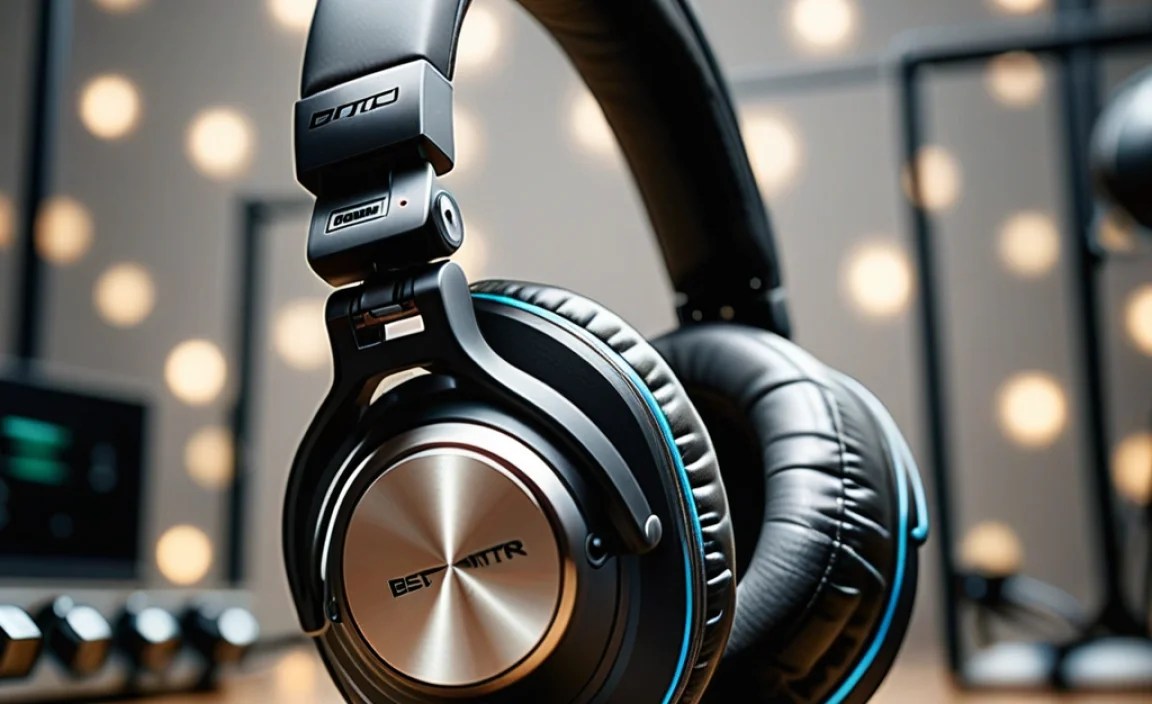
To help visualize these top picks, here’s a quick comparison:
| Headphone Model | Type | Primary Bass Focus | Noise Isolation | Beginner Friendliness | Price Range (Approx.) |
|---|---|---|---|---|---|
| Sony WH-CH720N | Over-Ear (Wireless) | Balanced with Boost | Excellent (ANC) | Very High | $$ |
| Audio-Technica ATH-M50x | Over-Ear (Wired) | Punchy & Detailed | Excellent (Closed-back) | High | $$ |
| Skullcandy Crusher Evo | Over-Ear (Wireless) | Extreme & Adjustable | Good (Closed-back) | Very High | $$ |
| Sennheiser HD 560S | Over-Ear (Wired) | Natural & Integrated | Moderate (Open-back) | High | $$$ |
| Anker Soundcore Liberty 4 NC | In-Ear (True Wireless) | Strong & Customizable | Excellent (ANC) | High | $ |
Note: Price ranges are approximations and can vary. ($ = Budget-friendly, $$ = Mid-range, $$$ = Higher-end).
How to Get the Most Bass from Your Headphones

Buying the right headphones is only half the battle! Here are some tips to maximize that bass experience:
1. Ensure a Good Seal
This is paramount, especially for in-ear and on-ear models. For over-ear headphones, make sure the earpads create a snug fit around your ears. For in-ear earbuds, try different ear tip sizes and materials (silicone or foam) until you find one that creates a complete seal in your ear canal. A good seal prevents bass frequencies from escaping and dramatically improves the perceived low-end response. If you’ve ever worn earbuds and felt like the bass was weak, a poor seal was probably the culprit!
2. Use the Right Source Device
Most modern smartphones, tablets, and laptops can power headphones well. However, some headphones, especially those with higher impedance (which we discussed earlier), might benefit from a dedicated headphone amplifier for optimal bass performance. For the beginner-friendly options listed above, this is rarely an issue, but it’s good to know for future reference.
3. Experiment with EQ Settings
Many devices and headphone apps offer equalizer (EQ) settings. This is your secret weapon for fine-tuning bass.
- On Your Device: Check your phone or computer’s audio settings. You’ll often find presets like “Bass Boost” or a manual EQ slider.
- In Headphone Apps: Many wireless headphones come with companion apps (like the Soundcore app for the Liberty 4 NC). These often have more detailed EQ options, allowing you to boost specific bass frequencies (like 60Hz, 100Hz) or use pre-made bass-heavy profiles.
Start with small adjustments. Overdoing the EQ can lead to distorted or muddy bass.
4. Consider Noise Cancellation (ANC)
Active Noise Cancellation technology works by generating opposing sound waves to cancel out ambient noise. This process also helps to eliminate external distractions, allowing the lower frequencies reproduced by your headphones to stand out more clearly and feel more impactful. Headphones with good ANC, like the Sony or Soundcore models, can really enhance the bass experience in noisy environments.
5. Play Bass-Rich Music
To truly test and enjoy your headphones’ bass capabilities, play music that is known for its strong low-end. Genres like hip-hop, EDM, dubstep, funk, and certain types of electronic music are excellent for this. Listen to tracks with deep sub-bass, tight kick drums, and resonant basslines.
Tips for Buying Headphones for Heavy Bass
Beyond the technical aspects, here are some practical tips to help you make the best purchase:
- Read Reviews: Look for reviews specifically mentioning bass quality. Pay attention to descriptions like “punchy,” “deep,” “tight,” “impactful,” or “boomy.”
- Watch Video Reviews: Sometimes, watching someone demonstrate or discuss the sound can give you a better feel for the product.
- Try Before You Buy (If Possible): If you have a local electronics store that allows demos, try on a few pairs. Even listening to a short clip of your favorite bass-heavy song can be illuminating.
- Consider Your Music Genres: If you primarily listen to classical music, you might not need the extreme bass emphasis of, say, dubstep. Match the headphone’s strength to your listening habits.
- Don’t Forget Comfort: You can have the best bass in the world, but if your headphones hurt your ears after an hour, they won’t be enjoyable. Prioritize comfort alongside sound quality.
Frequently Asked Questions (FAQ)
Q1: Will headphones with extreme bass ruin my hearing?
Any headphones, regardless of their bass emphasis, can damage your hearing if listened to at excessively high volumes for prolonged periods. The key is moderation. Always be mindful of the volume. The National Institute on Deafness and Other Communication Disorders provides excellent resources on noise-induced hearing loss and safe listening practices you can explore.
Q2: What does “muddy bass” mean?
“Muddy bass” refers to low frequencies that are overpowering, indistinct, and lack clarity. They can drown out other parts of the music. Headphones that are well-tuned for bass will ensure the low-end is strong and impactful, but also clean and well-separated from the mid-frequencies.
Q3: Can I add more bass to my current headphones?
Yes, you often can! The best way is by using Equalizer (EQ) settings on your device or within a companion app if your headphones have one. Some DJ-style headphones might have a physical bass boost switch, but adjustments via software are more common and versatile.
