
Quick Summary: Finding the best headphones for iPhone 16 relies on choosing between wired and wireless options, considering features like noise cancellation and sound quality. Our guide breaks down essential factors and popular choices to help you make a confident decision for immersive audio experiences.
Best Headphones for iPhone 16: Your Essential Guide

Hey there, audio adventurers! Edward Cavitt here from Headphone Horizon, ready to help you navigate the exciting world of headphones, especially with the upcoming iPhone 16. Whether you’re a seasoned audiophile or just looking for a great pair of earbuds to tune into your favorite tunes, podcasts, or take calls on the go, choosing the right headphones can make a world of difference.
With the iPhone 16 on the horizon, it’s the perfect time to think about how you’ll experience its amazing sound. This guide is designed to be your friendly, no-jargon companion, making the process super simple and ensuring you get the most bang for your buck. Let’s dive in and find your perfect audio match!
Understanding Your iPhone 16 Audio Options
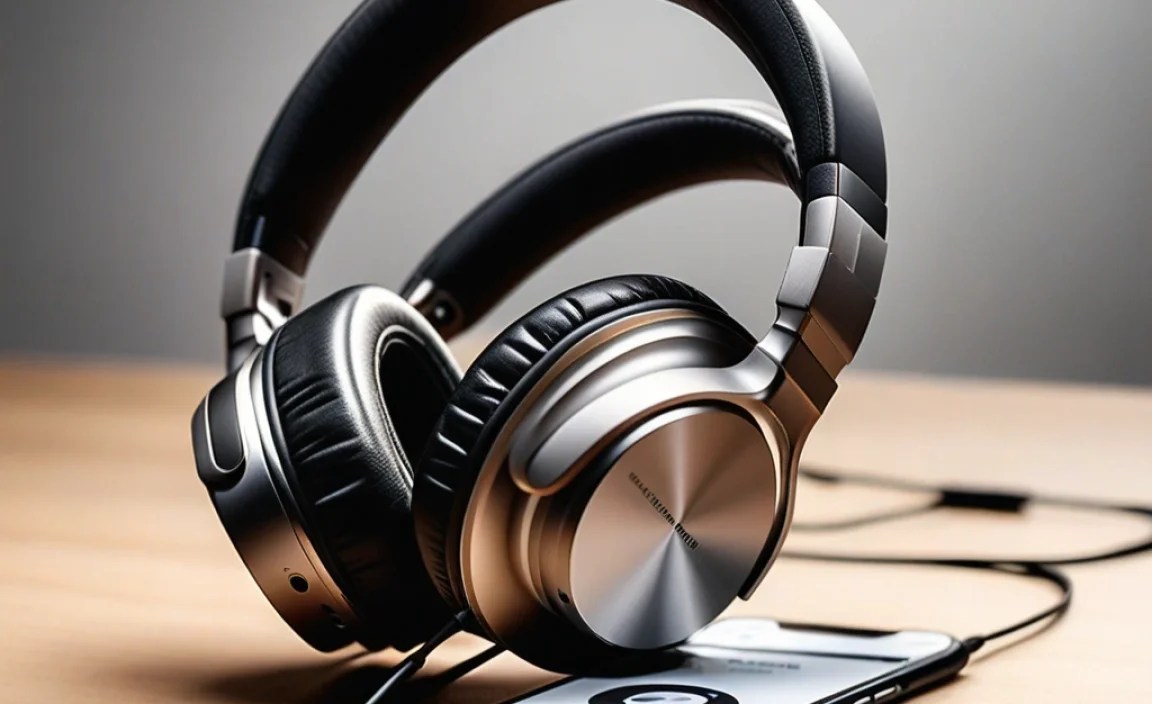
The iPhone 16, like its recent predecessors, will likely offer a few ways to connect your headphones. This means you’ll have a choice between the classic wired connection (if Apple decides to include or support a port) and the ever-popular wireless Bluetooth options. Each has its own set of advantages, and the “best” choice really depends on your personal listening habits, environment, and preferences.
Wired vs. Wireless: Making the Right Choice
Let’s break down the key differences to help you decide which type is best for you:
Wired Headphones (If Supported)
While Apple has moved away from the headphone jack in recent models, there’s always a slim possibility they might reintroduce one or offer robust Lightning/USB-C adapter solutions for the iPhone 16. Wired headphones offer:
- Potentially Superior Sound Quality: For critical listening, wired connections can sometimes offer a slight edge in audio fidelity by avoiding wireless compression.
- No Charging Needed: They draw power directly from your iPhone, so no need to worry about battery life.
- Reliable Connection: You won’t experience Bluetooth dropouts.
- Lower Latency: Ideal for gaming or watching videos where audio sync is crucial.
Wireless (Bluetooth) Headphones
This is where most people are headed, and for good reason. Bluetooth offers convenience and freedom:
- Untethered Freedom: Move around without being physically connected to your phone.
- Seamless Connectivity: Pairing is usually quick and easy.
- Wide Variety: An enormous selection of styles, brands, and features are available.
- Easy Integration: Many wireless headphones offer smart features like voice assistants and app controls.
For the iPhone 16, it’s highly probable that Bluetooth 5.3 or a newer standard will be supported, offering improved range, speed, and power efficiency. This means even better wireless audio for you!
Key Features to Consider for Your iPhone 16 Headphones

Beyond wired or wireless, several features can significantly impact your listening experience. Think about where you’ll use your headphones most often and what’s important to you.
1. Active Noise Cancellation (ANC)
ANC is a game-changer for commuters, frequent flyers, or anyone who wants to block out distractions. It uses microphones to detect ambient noise and generates opposing sound waves to cancel it out.
- Pros: Excellent for noisy environments, allows you to hear music at lower volumes (which can be better for your hearing).
- Cons: Can add to the cost, might slightly alter the sound profile for some listeners.
2. Sound Quality & Audio Codecs
This is subjective, but general characteristics include balanced sound, strong bass, clear mids, and crisp highs. For wireless headphones, look for support for advanced audio codecs. While your iPhone will likely support standard codecs like AAC, newer iPhones might be optimized for others:
- AAC: Apple’s standard for high-quality audio over Bluetooth, works great with iPhones.
- aptX / aptX HD: Popular in Android devices, but some headphones might offer broad compatibility.
- LDAC: A high-resolution audio codec that can deliver excellent detail, though less common on iPhones unless supported by specific headphones.
The iPhone 16’s audio processing will play a role here, but excellent headphones will deliver great sound via AAC. For more in-depth understanding of audio codecs, you can explore resources like Dolby’s information on audio codecs.
3. Comfort and Fit
You’ll be wearing these for extended periods, so comfort is paramount. Consider:
- Over-ear: Typically offer plush earcups and good isolation, but can be bulky.
- On-ear: Lighter than over-ear, but the earcups rest on your ears and can cause pressure for some.
- In-ear (Earbuds): Most portable and discreet, come with various ear tip sizes for a secure fit. True wireless earbuds offer the ultimate freedom.
4. Battery Life (for Wireless)
Check the advertised battery life for both the headphones themselves and the charging case (if applicable). For true wireless earbuds, 4-8 hours per charge is common, with charging cases providing multiple additional charges.
5. Durability and Water Resistance
If you plan to use your headphones for workouts or in unpredictable weather, look for a water-resistance rating (IPX rating). An IPX4 rating is generally sufficient for sweat and light splashes.
6. Microphone Quality
For frequent calls or voice commands, a good microphone is essential. Some headphones offer multiple microphones and noise-reduction technology to ensure your voice is heard clearly.
7. Smart Features
Many modern headphones offer app support for EQ customization, firmware updates, ANC adjustments, and access to voice assistants like Siri.
Top Headphone Categories for iPhone 16 Users
Based on common needs and emerging trends, here are the categories of headphones that are likely to be excellent companions for your iPhone 16.
Category 1: Premium Wireless Noise-Cancelling Over-Ears
These are for the listener who wants the absolute best in immersive sound, comfort, and silence. Perfect for travel, focus, or just enjoying your music without interruption.
Editors’ Picks (Examples based on current market excellence):
While the iPhone 16 isn’t out yet, models that excel now will likely remain top contenders:
- Sony WH-1000XM5: Renowned for industry-leading noise cancellation and superb sound quality.
- Bose QuietComfort Ultra Headphones: A long-standing favorite for comfort and effective ANC.
- Apple AirPods Max: Seamless integration with the Apple ecosystem, excellent ANC and transparency modes, and stellar audio.
Pros & Cons:
| Pros | Cons |
|---|---|
| Exceptional noise cancellation | Can be expensive |
| Superior comfort for long listening sessions | Larger and less portable than earbuds |
| Rich, detailed audio | Requires regular charging |
Category 2: Best True Wireless Earbuds
For ultimate portability and a wire-free experience, true wireless earbuds are the way to go. They fit in your pocket and offer freedom of movement.
Editors’ Picks (Examples based on current market excellence):
- Apple AirPods Pro (3rd Gen – hypothetical): Expect Apple to refine its popular AirPods Pro with likely improvements in ANC, transparency mode, and battery life for the iPhone 16 era.
- Sony WF-1000XM5: Top-tier ANC and sound quality in a compact earbud form factor.
- Bose QuietComfort Ultra Earbuds: Excellent ANC and a comfortable, secure fit.
- Beats Fit Pro: Great sound, ANC, and a secure wingtip design, especially appealing for fitness.
Pros & Cons:
| Pros | Cons |
|---|---|
| Highly portable and discreet | Smaller batteries mean shorter individual listening times without the case |
| Complete freedom from wires | Easy to misplace (though charging cases help) |
| Often include good ANC and transparency modes | Fit can be crucial for sound quality and comfort; some may not fit everyone well |
Category 3: Value-Focused Wireless On-Ears/Earbuds
You don’t always need to break the bank to get a great audio experience. Many brands offer excellent wireless headphones at more accessible price points.
Editors’ Picks (Examples based on current market excellence):
- Anker Soundcore Space Q45 / Liberty 4 NC: Known for offering impressive features like good ANC and long battery life for their price.
- JBL Live Series: Often provide a fun, energetic sound profile with solid wireless performance.
- Skullcandy: Offer stylish designs and good value, catering to a younger audience or those who prioritize bass.
Pros & Cons:
| Pros | Cons |
|---|---|
| More affordable | Noise cancellation and overall sound quality may not match premium options |
| Good for everyday use | Build quality might be less premium |
| Still offer great convenience | Feature sets can be more basic |
Category 4: Sport-Focused Wireless Headphones
If you’re an active user, you need headphones that stay put and can handle sweat and the elements.
Editors’ Picks (Examples based on current market excellence):
- Beats Fit Pro: As mentioned, the wingtip design is excellent for secure fit during workouts.
- Jaybird Vista 2: Known for their ruggedness, secure fit, and good sound for active lifestyles.
- Bose Sport Earbuds: Designed for a secure, comfortable fit during intense activity.
Pros & Cons:
| Pros | Cons |
|---|---|
| Secure and comfortable fit during movement | May sacrifice some premium audio features found in non-sport models |
| Often sweat and water-resistant (IPX rated) | ANC can be less effective or absent to allow awareness of surroundings. |
| Durable construction | May not be the most comfortable for extended casual listening |
Putting It All Together: Steps to Choosing Your iPhone 16 Headphones

Ready to make a decision? Follow these steps to find the perfect pair.
Step 1: Define Your Primary Use Case
Where and how will you use your headphones most?
- Commuting/Travel: Prioritize Active Noise Cancellation (ANC). Over-ear or premium earbuds are great.
- Work/Study: ANC is beneficial for focus. Comfortable fit is key for long sessions.
- Workout/Sports: Look for a secure fit, sweat resistance (IPX rating), and perhaps awareness modes. True wireless earbuds are usually best.
- Casual Listening/Home Use: Comfort, sound quality, and ease of use are primary.
- Gaming/Video: Low latency is crucial. Wired headphones or specific wireless gaming headsets might be preferred.
Step 2: Decide on Wired vs. Wireless
Based on your primary use case and your comfort with charging devices, choose between the convenience of wireless or the reliability of wired (if a suitable port/adapter is available for iPhone 16).
Step 3: Set Your Budget
Headphones range from under $50 to over $500. Having a budget in mind will help narrow down your options significantly. Remember that higher prices often correlate with advanced features and superior build/sound quality, but good value can be found at various price points.
Step 4: Prioritize Key Features
Rank the features we discussed earlier (ANC, sound quality, comfort, battery life, durability, microphone) in order of importance for you.
Step 5: Research Specific Models
Once you have a clearer idea of what you’re looking for, start researching models within your budget that meet your prioritized features. Read reviews, watch video comparisons, and check out tech websites for expert opinions and user feedback. For instance, reputable review sites like Rtings.com provide in-depth, objective testing of headphones.
Step 6: Check Compatibility and Ecosystem
For Apple users, AirPods and AirPods Pro offer the most seamless integration with iPhones, including easy Siri access, automatic device switching, and spatial audio features. However, most Bluetooth headphones will pair and work well with any iPhone. If you’re invested in Apple’s ecosystem, consider how well a non-Apple headphone integrates.
Step 7: Try Before You Buy (If Possible)
The best way to know if headphones are comfortable and sound good to you is to try them. Many electronics stores allow you to test headphones, especially over-ear models.
Frequently Asked Questions (FAQ)
Q1: Will my old Lightning headphones work with the iPhone 16?
If the iPhone 16 retains a Lightning port or supports Lightning accessories via an adapter, then yes. However, if Apple transitions fully to USB-C for audio output, you may need a USB-C to Lightning adapter or new USB-C headphones/adapter.
Q2: What is the best way to connect headphones to the iPhone 16 if it doesn’t have a headphone jack?
The best way will be via Bluetooth. If you prefer a wired connection, you’ll likely need a USB-C to 3.5mm headphone jack adapter (assuming the iPhone 16 uses USB-C for audio, which is highly probable).
Q3: How important is the “water resistance” rating (IPX)?
It’s very important if you plan to use your headphones during exercise or in potentially wet conditions. An IPX4 rating means they can withstand splashes and sweat. Higher ratings (IPX5, IPX7) offer even better protection against water jets and even brief immersion. For casual listening, it’s less critical.
Q4: Can I use headphones with ANC while exercising?
Yes, you can. However, for safety, many athletes prefer to use transparency modes or headphones without ANC so they can hear their surroundings (like traffic or other people). If you do use ANC while exercising, be extra mindful of your environment. Some sport-focused headphones have specific ambient sound modes.
Q5: Are AirPods the only good option for an iPhone user?
Absolutely not! While AirPods offer unparalleled integration with Apple devices, there are fantastic options from Sony, Bose, Sennheiser, Beats, and many others that work brilliantly with iPhones via Bluetooth. If seamless Apple integration isn’t your top priority, you have a huge range of excellent choices.
Q6: How do I know if the headphones will sound good for my music genres?
Most modern headphones offer a relatively balanced sound profile. However, some tend to emphasize bass (good for hip-hop, EDM), while others focus on clarity (good for classical, podcasts). Reading reviews that mention sound profiles for specific music genres you enjoy can be very helpful. Many wireless headphones also come with companion apps that allow you to adjust the EQ to your liking.
The Future of iPhone 16 Audio: What to Expect
As the iPhone 16 approaches, the technology continues to evolve. We can anticipate further improvements in Bluetooth connectivity, potentially with support for newer, more efficient codecs that offer even better sound without sacrificing battery life.
Expect ANC technology to become even more refined, battery life to stretch further, and smart features to become more integrated and intuitive. Apple’s own AirPods line will undoubtedly see updates reflecting these advancements, aiming to provide an ever-smoother experience for iPhone users.
Choosing the right headphones for your iPhone 16 is an exciting process, and with this guide, I hope you feel equipped and confident. Whether you prioritize deep bass for your workouts, crystal-clear clarity for your podcasts, or serene silence for your commute, there’s a perfect pair waiting for you.
Think about how you listen, what features matter most, and what fits your budget. Don’t be afraid to explore different brands and read reviews from trusted sources. Your ears will thank you for taking the time to find the perfect audio companion for your new iPhone!
