
Quick Summary: Choosing the best headphones for kids for school involves prioritizing comfort, durability, and volume protection. Look for features like adjustable headbands, soft earcups, wired or reliable Bluetooth connections, and volume-limiting technology to ensure a safe and enjoyable listening experience for learning and fun.
Best Headphones For Kids: Essential School Gear

As schools increasingly integrate technology into the learning environment, a good pair of headphones has become an indispensable piece of gear for students. Whether it’s for online classes, educational apps, quiet study time, or simply enjoying some music on the way to school, the right headphones can make a big difference. But with so many options out there, how do you find the ones that are not only kid-friendly but also perfect for school?
This guide will walk you through everything you need to know, from understanding key features to picking out the best headphones for your child’s academic adventures and beyond. We’ll focus on what truly matters: comfort, safety, durability, and sound quality that supports learning without causing distractions.
Why Headphones are a Must-Have for School

In today’s educational landscape, headphones are more than just an accessory; they’re a practical tool. They help create a focused learning environment by minimizing distractions from classroom noise or their surroundings, which is crucial for online lessons and interactive learning platforms.
Many educational apps and software are designed to be used with headphones, providing clearer audio for instructions and content. On a daily basis, headphones can make commutes more engaging and peaceful, allowing kids to listen to audiobooks, educational podcasts, or music without disturbing others. Plus, good quality headphones can help protect young ears by offering controlled listening volumes, a vital consideration for developing auditory systems.
Key Features to Look For in Kids’ School Headphones
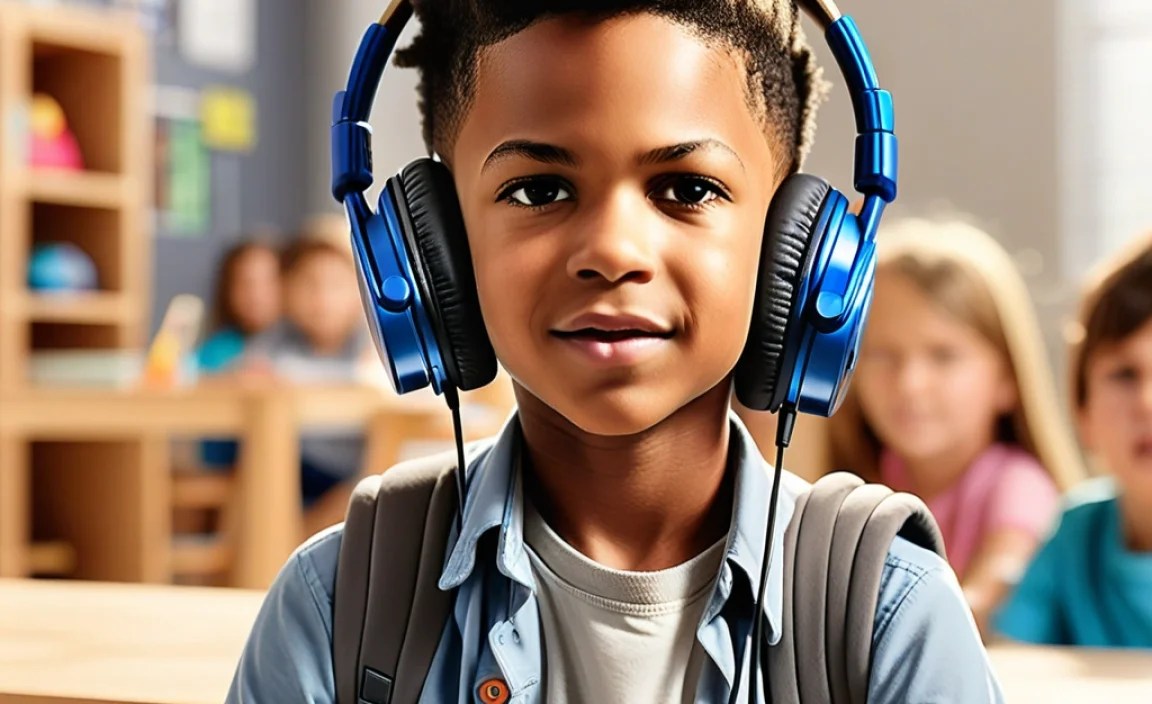
When selecting headphones for your child’s school needs, several features stand out as essential. These aren’t just about sound; they’re about ensuring the headphones are practical, safe, and enjoyable for everyday use in a school setting.
1. Volume Protection (The Most Important Feature!)
Children’s hearing is delicate and susceptible to damage from loud noise. Many headphones designed for kids come with built-in volume-limiting technology that caps the sound output at a safe level, typically around 85 decibels (dB). This is crucial for protecting their hearing during extended use. The Centers for Disease Control and Prevention (CDC) recommends limiting exposure to noise levels above 85 dB to prevent noise-induced hearing loss. Many reputable brands of kids’ headphones adhere to this safety standard.
2. Comfort and Fit
Kids will be wearing these headphones for potentially long periods, so comfort is paramount. Look for:
- Adjustable Headbands: To ensure a snug and comfortable fit as your child grows.
- Padded Earcups: Soft, plush earcups make a huge difference in long-term wearability, preventing soreness or pressure.
- Lightweight Design: Heavy headphones can be tiring and uncomfortable, especially for younger children.
3. Durability and Build Quality
School life can be rough on electronics. Kids’ headphones need to withstand being tossed into backpacks, occasionally dropped, or pulled on. Materials like robust plastics and reinforced cables are good indicators of durability. Brands that offer a warranty or are known for their sturdy construction are often a safer bet.
4. Connectivity: Wired vs. Wireless
- Wired Headphones:
- Pros: Generally more affordable, no need to worry about battery life or Bluetooth pairing issues, often more durable cables.
- Cons: Cables can get tangled, restrict movement, and sometimes break more easily if not well-made.
- Wireless (Bluetooth) Headphones:
- Pros: Freedom of movement, no tangled wires, convenient for devices with limited headphone jacks.
- Cons: Require charging, can have pairing issues, generally more expensive, potential for battery degradation over time.
For school, consider which is more practical for your child’s device and daily routine. If they frequently use a tablet that only has Bluetooth, wireless is a natural choice. If they use a laptop with a headphone jack and worry about charging, wired might be better.
5. Audio Quality
While not as critical as safety and comfort, good audio quality enhances the learning experience. Clear sound makes it easier for children to follow along with lessons or enjoy educational content. Avoid headphones that produce overly bassy or distorted sound, as this can be distracting and unpleasant.
6. Ease of Use
For wireless headphones, easy pairing is a major plus. For wired ones, a standard 3.5mm jack is most common and compatible with most devices. Simple controls for volume (if not volume-limited) or play/pause are also beneficial for children.
Top Considerations for Different Age Groups

The “best” headphones can vary depending on your child’s age and grade level. Here’s a breakdown:
Preschoolers and Early Elementary (Ages 3-7)
At this age, safety and comfort are king. Volume-limiting headphones are non-negotiable. Look for:
- Simple, durable designs.
- Soft, over-ear cups to block out some ambient noise.
- Wired options are often preferred to eliminate charging worries and Bluetooth complexity.
- Bright, fun colors can make them more appealing.
Late Elementary and Middle School (Ages 8-13)
Children in this age group may have more specific preferences. They might value:
- Slightly more sophisticated designs, perhaps with a more “grown-up” look.
- Wireless options become more practical and desired for independence.
- Good battery life for wireless models.
- While still prioritizing volume limits, some may appreciate slightly better audio fidelity for music or games.
- Durability remains key as they become more independent with their belongings.
High School Students (Ages 14+)
Teenagers might lean towards designs that rival adult headphones, though safety features should still be a consideration. They might be interested in:
- Over-ear or on-ear styles with a focus on comfort for long study sessions.
- More advanced features like noise isolation (passive) or even basic active noise cancellation if within budget.
- Excellent wireless connectivity and battery performance.
- A sleeker aesthetic that appeals to their developing sense of style.
- It’s still important to check for responsible volume limits or educate them on safe listening habits, as many adult headphones lack built-in limits.
Recommended Features Table for Kids’ School Headphones
Here’s a quick reference table to help you weigh different features:
| Feature | Importance for School Use | Key Considerations |
|---|---|---|
| Volume Limiting | Essential | Must cap at 85dB. Protects delicate hearing. |
| Comfort | High | Lightweight, padded earcups, adjustable headband. Crucial for long wear. |
| Durability | High | Sturdy materials, reinforced joints. Can withstand backpack travel. |
| Connectivity | Moderate to High | Wired (simple, reliable) vs. Wireless (convenient, freedom). Depends on device and preference. |
| Audio Quality | Moderate | Clear sound for learning, avoids distortion. Not necessarily Hi-Fi. |
| Ease of Use | Moderate | Simple pairing (wireless), standard plugs (wired), intuitive controls. |
| Microphone (Optional) | Moderate | Useful for online classes or calls. Ensure it’s clear and functional. |
Popular Types of Headphones for Kids
Understanding the different styles can help you choose the most suitable pair for your child.
Over-Ear Headphones
These cover the entire ear. They often provide the best comfort and passive noise isolation because they create a seal around the ear. For school, they can be excellent for cutting down on classroom chatter and creating a focused environment.
- Pros: Very comfortable for long sessions, excellent passive noise isolation, often have good padding.
- Cons: Can be bulkier and hotter than on-ear models, may not fold as compactly.
On-Ear Headphones
These rest on the ear. They are generally more compact and lighter than over-ear headphones but might not offer as much noise isolation and can sometimes press on the ears uncomfortably during prolonged use.
- Pros: More portable, lighter, often less expensive.
- Cons: Can be less comfortable for long periods, less effective at blocking ambient noise, might “leak” sound more.
In-Ear Earbuds (with careful selection)
While often less common for dedicated school use due to potential comfort issues and the risk of being lost, some parents prefer earbuds for their extreme portability. However, it’s critical to ensure they are volume-limited and fit securely and comfortably.
- Pros: Extremely portable, lightweight, good for on-the-go.
- Cons: Easy to lose, can be uncomfortable for extended wear, often lack good passive noise isolation, finding volume-limited models can be harder.
Our Top Picks: Best Headphones for Kids for School
Based on the criteria above, here are a few types of headphones that consistently perform well for school use. Specific models change rapidly, so we’ll focus on brands and categories known for quality kid-focused gear.
1. BuddyPhones: The Safety Champion
BuddyPhones are purpose-built for children, with volume limits as their core feature. Many models offer additional features like a built-in microphone, shareable audio jacks, and durable, often foldable designs.
- Key Features: Patented Safe Audio, usually limited to 85dB or 94dB (with a “travel mode” option for slightly higher in louder environments, which parents can control), antimicrobial ear pads, often colorful designs.
- Why great for school: Unmatched focus on ear safety, durable enough for daily use, comfortable for extended learning.
2. Puro Sound Labs: Balanced Volume and Sound Quality
Puro Sound Labs offers headphones that aim to provide a better listening experience while still strictly adhering to safe listening levels (typically 85dB). They often feature a slightly more mature aesthetic and excellent build quality.
- Pros: Excellent sound quality for their class, good noise isolation, very durable, comfortable.
- Cons: Can be on the pricier side compared to some other kids’ brands.
- Why great for school: Delivers a premium feel and sound without compromising safety, great for students who might also use them for music appreciation.
3. JBL JR Series: Fun and Functional
JBL is a well-known audio brand that extends its expertise to kid-friendly headphones. The JR series typically offers volume-limiting technology, comfortable designs, and the brand’s signature audio quality.
- Pros: Reliable brand name, often feature cool designs and stickers for customization, good battery life on wireless models.
- Cons: Some models might have a slightly higher volume limit (e.g., 94dB), so always check the specifications carefully.
- Why great for school: Combines a recognized brand’s quality with kid-focused features, offering a good balance of performance and safety.
4. LilGadgets: Practical Features for Young Learners
LilGadgets offers a range of headphones that are both practical and fun for kids. They often include features like share ports, encouraging siblings or friends to listen together, along with volume limitation.
- Pros: Affordable, durable, easy to use, focus on sharing and safety.
- Cons: Sound quality might be more basic compared to premium brands.
- Why great for school: Extremely practical, budget-friendly, and engineered with kids’ needs in mind for a school environment.
How to Maintain and Care for Kids’ School Headphones
To ensure the longevity of your child’s school headphones, a little maintenance goes a long way:
- Regular Cleaning:
- Earcups: Wipe down earcups with a slightly damp cloth. For removable pads, gently wash them with mild soap and water, ensuring they are completely dry before reattaching.
- Headband: Clean with a damp cloth.
- Drivers/Mesh: Use a dry, soft brush to gently remove dust and debris from speaker grilles. Avoid using liquids here.
- Proper Storage:
- Encourage your child to put their headphones in a protective case or a dedicated pouch when not in use. This prevents them from getting bent, scratched, or tangled with other items in their backpack.
- Cable Care (for wired headphones):
- Teach your child not to yank the cable when unplugging. They should grip the plug itself.
- Avoid wrapping the cable too tightly around the headphones, which can strain the internal wires. Gentle coiling is best.
- Battery Management (for wireless headphones):
- Advise your child to charge the headphones daily or every few days, as needed, to ensure they have power for school.
- Avoid leaving them fully discharged for extended periods, as this can degrade the battery over time more quickly.
- Handle with Care:
- Gently adjust the headband and earcups. Avoid forcing them into positions they don’t naturally fit.
Troubleshooting Common Headphone Issues
Even the best headphones can sometimes have minor hiccups. Here are solutions to common problems:
- No Sound:
- Wired: Check that the 3.5mm jack is fully plugged into the device’s audio port and that the device’s volume is up. Try plugging the headphones into another device to see if the issue is with the headphones or the original device.
- Wireless: Ensure the headphones are charged and turned on. Check that Bluetooth is enabled on the device and that the headphones are connected to the correct device in the Bluetooth settings. Try un-pairing and re-pairing the headphones.
- Sound is Distorted or Crackling:
- Wired: This can indicate a damaged cable or internal driver. Check the cable for any visible damage.
- Wireless: This could be due to a weak Bluetooth signal (try moving the device closer) or interference from other wireless devices. Ensure the headphones are updated if a firmware update is available.
- One Side Not Working:
- This almost always points to a connection issue or damage. For wired headphones, it’s typically a damaged cable near the plug or near the earcup. For wireless, it might be an internal fault.
- Headphones Won’t Charge:
- Ensure the charging cable is securely plugged into both the headphones and the power source. Try a different USB charging port or adapter. Clean the charging port on the headphones gently with a dry, non-metallic tool like a wooden toothpick to remove any debris.
- Bluetooth Pairing Issues:
- Make sure the headphones are in pairing mode (check the manual). Turn off Bluetooth on the device and then turn it back on. Restart both the headphones and the device. If the headphones are already paired with another device, it might be connected to that one.
Frequently Asked Questions (FAQ)
Q1: Are volume-limiting headphones really necessary for school?
Yes, absolutely. Children’s hearing is still developing, and prolonged exposure to loud sounds, even at moderate levels, can cause permanent damage. Volume-limiting headphones, typically set to 85 dB, are the safest choice for daily school use.
Q2: How do I know if headphones have safe volume limits?
Look for explicit mentions of “volume limiting,” “safe listening levels,” or a specific decibel (dB) rating, usually 85 dB, on the product packaging or description. Reputable brands that cater to children will clearly advertise this safety feature.
Q3: Can my child use their regular adult headphones for school?
While some older children or teens might prefer adult headphones, it’
