
Quality headphones can transform a kindergarten learning experience, offering a safe, engaging, and focused way for young children to enjoy stories, music, and educational content. Choosing the right pair means prioritizing comfort, volume control, and durability. This guide helps you find the perfect fit for your little learner.
Best Headphones for Kindergarten: An Essential Buy for Little Learners

Welcome, fellow audio explorers and parents! Edward Cavitt here from Headphone Horizon, and today we’re diving into a topic that might seem small but is incredibly significant for our youngest learners: kindergarten headphones. Think of them as tiny portals to a world of stories, songs, and educational adventures. Picking the right pair for a kindergartner isn’t just about sound; it’s about safety, comfort, and fostering a positive relationship with listening technology. We’ll break down what makes a great pair of headphones for little ears, so you can make a confident choice that benefits your child’s learning and enjoyment. Let’s find the perfect sound companions for your kindergartner!
Why Headphones for Kindergarteners Matter

In today’s world, digital learning is becoming an integral part of early education. Even in kindergarten, children are exposed to educational apps, e-books, and interactive lessons that often involve audio components. Headphones can significantly enhance this experience for several key reasons:
- Focused Learning: Headphones create a personal audio space, helping children concentrate on the lesson or story without distractions from classroom noise or siblings. This is especially crucial for auditory learning activities.
- Volume Safety: Young children’s hearing is delicate. Many kid-specific headphones come with built-in volume limiters to protect their ears from potentially damaging high volumes. According to the National Institute on Deafness and Other Communication Disorders (NIDCD), protecting hearing from loud noises is vital to prevent noise-induced hearing loss.
- Personalized Experience: Whether it’s listening to a favorite song, an audiobook, or a guided meditation, headphones allow children to engage with content at their own pace and in their own way.
- Classroom Harmony: In a classroom setting, individual headphones allow multiple children to engage with audio content simultaneously without creating a cacophony of competing sounds.
- Durability and Comfort: Kindergarteners can be tough on their belongings. Kid-friendly headphones are often designed to be robust and comfortable for small heads.
Key Features to Look for in Kindergarten Headphones

When you’re on the hunt for the best headphones for kindergarteners, certain features rise to the top. These aren’t just nice-to-haves; they’re essential for ensuring a positive and safe listening experience.
1. Volume Limiting Technology
This is arguably the most critical feature. Headphones for young children should have a built-in mechanism that prevents the volume from exceeding a safe listening level, typically around 85 decibels (dB). This protects their developing ears from loud sounds that can cause permanent hearing damage. Many brands explicitly state that their headphones feature volume limiting, so look for this on the packaging or product description.
2. Comfort and Fit
A kindergartner’s head is smaller, and their comfort is paramount. Look for:
- Adjustable Headband: A headband that can be easily adjusted will ensure a snug yet comfortable fit as the child grows.
- Padded Earcups: Soft, well-padded earcups make a huge difference in comfort, especially during longer listening sessions.
- Lightweight Design: Heavy headphones can be uncomfortable and may slide off easily. Lightweight models are ideal for young children.
3. Durability and Build Quality
Kids are not always gentle with their toys and accessories. Robust construction is key:
- Flexible Materials: Headphones made from flexible, BPA-free plastics are less likely to snap when bent or dropped.
- Reinforced Cables: Look for thick, sturdy cables that are resistant to kinks and breaks. Some models even have detachable cables for easier replacement if damaged.
- Sturdy Construction: Check reviews for comments on how well the headphones hold up to daily use by children.
4. Ease of Use
Kindergarteners are just learning to operate devices. The headphones should be intuitive:
- Simple Controls: Easy-to-reach and understand buttons for volume or play/pause are helpful, though often parents will manage these.
- Standard Connectors: A standard 3.5mm audio jack is most common and works with a wide range of devices.
5. Sound Quality
While not the absolute top priority for very young children compared to safety and comfort, decent sound quality still matters for engagement. Look for clear audio that isn’t muffled or distorted. For educational content, it’s important that voices are clear and easy to understand.
6. Wired vs. Wireless
- Wired: Generally more affordable, don’t require charging, and are often simpler for very young children to use (plug and play). However, cables can be a potential snag hazard and can be a point of breakage.
- Wireless (Bluetooth): Offer freedom from cables, which can be a significant safety benefit. They require charging and can be slightly more complex to pair, but many models are designed for easy connection.
Top Picks: Best Headphones for Kindergarteners

After considering all these factors, here are a few types of headphones and brands that consistently perform well for kindergarten-aged children. While specific models evolve, these categories and brands represent reliable choices:
1. Volume-Limiting Over-Ear Headphones
These are the most common and recommended type for this age group. They cover the ears, offering good passive noise isolation and delivering audio directly to the ear canal without being intrusive.
Recommended Brands/Models (Examples from past years, check for current versions):
- BuddyPhones: Specifically designed for children, these often feature built-in volume limits, durable construction, and fun designs. Some models offer specialized travel modes with differing volume limits.
- Kidz Gear: Known for their serious approach to child hearing safety, Kidz Gear headphones usually have a user-selectable volume limit.
- JLAB Kids: JLab offers colorful, durable, and volume-limited headphones that are frequently praised for their kid-friendly features and affordable price point.
2. Wired Headphones with Universal Compatibility
For a straightforward and budget-friendly option, well-built wired headphones can be excellent. Ensure they are explicitly designed for children or have a reliable volume-limiting feature.
Key Considerations:
- Cable Length: Shorter, manageable cables are often safer and less prone to tangling.
- Jack Type: A standard 3.5mm jack will connect to most tablets, laptops, and audio players.
3. Wireless Bluetooth Headphones for Kids
As children get a little older or if you prioritize cable-free convenience, wireless options are great. Look for those that maintain the 85dB volume limit and offer simple pairing.
Popular Features:
- Long Battery Life: Essential for school days or travel.
- Easy Pairing: Bluetooth 5.0 or later often provides more stable and straightforward connections.
- Playtime: Ensure there are no dangling wires that could be a tripping hazard.
Comparison Table: Key Features at a Glance
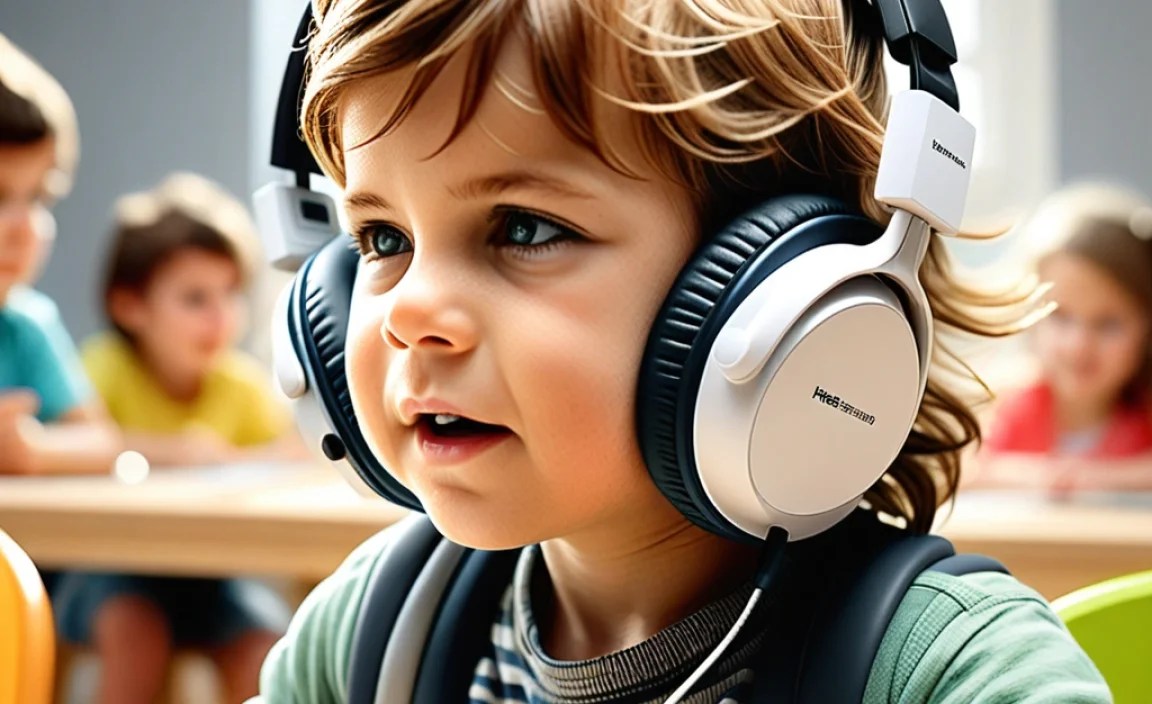
To help you quickly compare, here’s a look at how different types of headphones stack up for kindergarteners:
| Feature | Wired Volume-Limiting Over-Ear | Wireless Volume-Limiting Over-Ear | Basic Wired (No Explicit Volume Limit) |
|---|---|---|---|
| Volume Safety | Excellent (Built-in 85dB limit) | Excellent (Built-in 85dB limit) | Poor (Requires careful device setting) |
| Comfort | Very Good (Padded, adjustable) | Very Good (Padded, adjustable) | Good (Varies by model) |
| Durability | Very Good (Kid-focused designs) | Very Good (Kid-focused designs) | Fair to Good (Depends on brand) |
| Ease of Use | Excellent (Plug & Play) | Good (Requires pairing) | Excellent (Plug & Play) |
| Portability | Good | Very Good (No cables) | Good |
| Price | $$ to $$$ | $$$ to $$$$ | $ to $$ |
Note: Price points are relative ($, $$, $$$). Wireless headphones often come at a premium due to the technology involved.
How to Set Up and Use Kindergarten Headphones Safely
Once you’ve chosen the best headphones for your kindergartner, proper setup and usage are key to maximizing their benefit and ensuring safety.
Step 1: Check for Damage
Before the first use, give the headphones a quick once-over. Ensure there are no visible cracks, frayed wires (for wired models), or loose parts. If anything looks suspect, contact the manufacturer.
Step 2: Adjust for a Proper Fit
Place the headphones on your child. Adjust the headband so that it fits snugly but comfortably. The earcups should completely cover their ears without pressing too hard. If the headphones are too loose, they might slide off. If too tight, they can cause discomfort.
Step 3: Connect to the Device
- For Wired Headphones: Plug the 3.5mm jack firmly into the audio port of the tablet, laptop, or other device.
- For Wireless (Bluetooth) Headphones:
- Turn on the headphones and put them into pairing mode (refer to the manufacturer’s instructions).
- On your device (tablet, etc.), go to Bluetooth settings.
- Select the headphones from the list of available devices. It might appear with a child-friendly name.
- Confirm the pairing if prompted.
Step 4: Set the Volume on the Device
Even with volume-limiting headphones, it’s good practice to set the device’s volume to a moderate level. This acts as a secondary safeguard. Most modern tablets and educational devices will allow parents to set maximum volume limits within their accessibility or sound settings. For example, iOS devices have a “Reduce Loud Sounds” feature you can access via Settings > Sounds & Haptics > Headphone Safety.
Step 5: Introduce Headphones to Your Child
Make it a positive experience! Explain that these are special listening tools for stories and lessons. Encourage them to try them on and get used to wearing them for short periods initially. You can even turn it into a game.
Step 6: Supervise and Reiterate Rules
During initial uses, supervise your child. Ensure they are not yanking on the cables, tangling them, or misusing the headphones. Gently remind them of the proper way to put them on, take them off, and handle them. For a deeper dive into safe practices, you might find resources from organizations like the Healthy Hearing website helpful for general guidance on hearing protection.
Maintenance and Care for Longevity
To keep your child’s headphones in good working order, a little bit of regular care goes a long way.
- Cleaning: Earcups can accumulate earwax and oils. Gently wipe them down with a slightly damp, soft cloth. For tougher grime, use a mild soap and water solution, but be sure to wring out the cloth thoroughly so it’s not dripping wet. Avoid harsh chemicals. For the headband and plastic parts, a damp cloth is usually sufficient.
- Storage: When not in use, teach your child to put the headphones in a designated spot, perhaps a small fabric bag or a specific drawer, to protect them from dust and damage. Avoid leaving them in extreme temperatures or direct sunlight.
- Cable Management (Wired): Avoid tightly wrapping the cable; loosely coiling it is better for preventing internal wire damage.
- Charging (Wireless): Follow the manufacturer’s recommendations for charging. Avoid overcharging or leaving them constantly plugged in after they’re full, as this can sometimes degrade battery health over time.
- Troubleshooting: If one side stops working, check that the plug is fully inserted (wired). If it’s wireless and won’t connect, try forgetting the device in Bluetooth settings and re-pairing it.
When to Upgrade or Replace
Even with the best care, headphones a kiddy product will eventually show wear and tear. Consider replacing them if:
- There are significant visible cracks or breaks in the plastic.
- The sound is distorted or only works intermittently.
- The earcups are falling apart or no longer provide cushioning.
- The headband adjustment mechanism is broken.
- For wireless headphones, the battery life has significantly degraded and no longer lasts for intended use.
Frequently Asked Questions (FAQ)
Q1: Are all headphones for kids safe for kindergarteners?
Not necessarily. While many are designed with children in mind, the most critical safety feature is volume limiting technology. Always check product descriptions to ensure they cap sound levels at a safe maximum (around 85dB) to protect developing hearing.
Q2: How do I know if the volume limit is actually working?
Reputable brands will clearly state in their product specifications that they feature volume limiting or adhere to specific safety standards. While you can’t easily measure decibels at home, trusting well-known brands that emphasize this feature is usually sufficient. If you’re concerned, try them on yourself first – if they sound uncomfortably loud to you at maximum device settings, they are likely safely limited for a child.
Q3: Can my kindergartner use adult headphones?
It’s generally not recommended. Adult headphones are often too large, can be easily damaged by a child’s handling, and, most importantly, may lack built-in volume limiting, posing a significant risk to their hearing if the device volume is turned up too high.
Q4: Are Bluetooth headphones safe for kindergarteners?
Yes, Bluetooth headphones can be perfectly safe, provided they also incorporate volume-limiting technology. The key is the sound level, not necessarily the connection method. Wireless options can even offer a safety advantage by eliminating the risk of dangling cords.
Q5: My child complains the headphones are uncomfortable. What can I do?
Ensure the headphones are properly adjusted for size and fit. Check for adequate padding on the earcups and headband. Some children might have specific sensory sensitivities, so experimenting with different brands or even a different style (though over-ear is usually best for comfort and isolation) might be necessary. Lightweight models are often more comfortable for younger children.
Q6: How can I teach my child to take care of their headphones?
Start with simple instructions: “When you’re done listening, put them on the hook” or “Coil the cord gently.” Praise them when they handle the headphones with care. Consistency in reinforcing good habits will help them become second nature.
Conclusion
Choosing the best headphones for kindergarteners is more than just a purchase; it’s an investment in your child’s learning, safety, and auditory well-being. By prioritizing volume control, comfort, and durability, you can equip your young student with a tool that opens doors to an enriched educational and entertainment experience. Whether for classroom use, quiet reading time at home, or travel, a good pair of kid-friendly headphones will undoubtedly become an essential item. Happy listening, and may your little ones enjoy their sound adventures!
